

Premium GPU Marketplace Volatility | Seller Risk Management for High-Demand Electronics
- RTX 5090 pricing surges 150% above MSRP; manufacturer order cancellations create fulfillment risks for marketplace sellers handling premium hardware












Overview
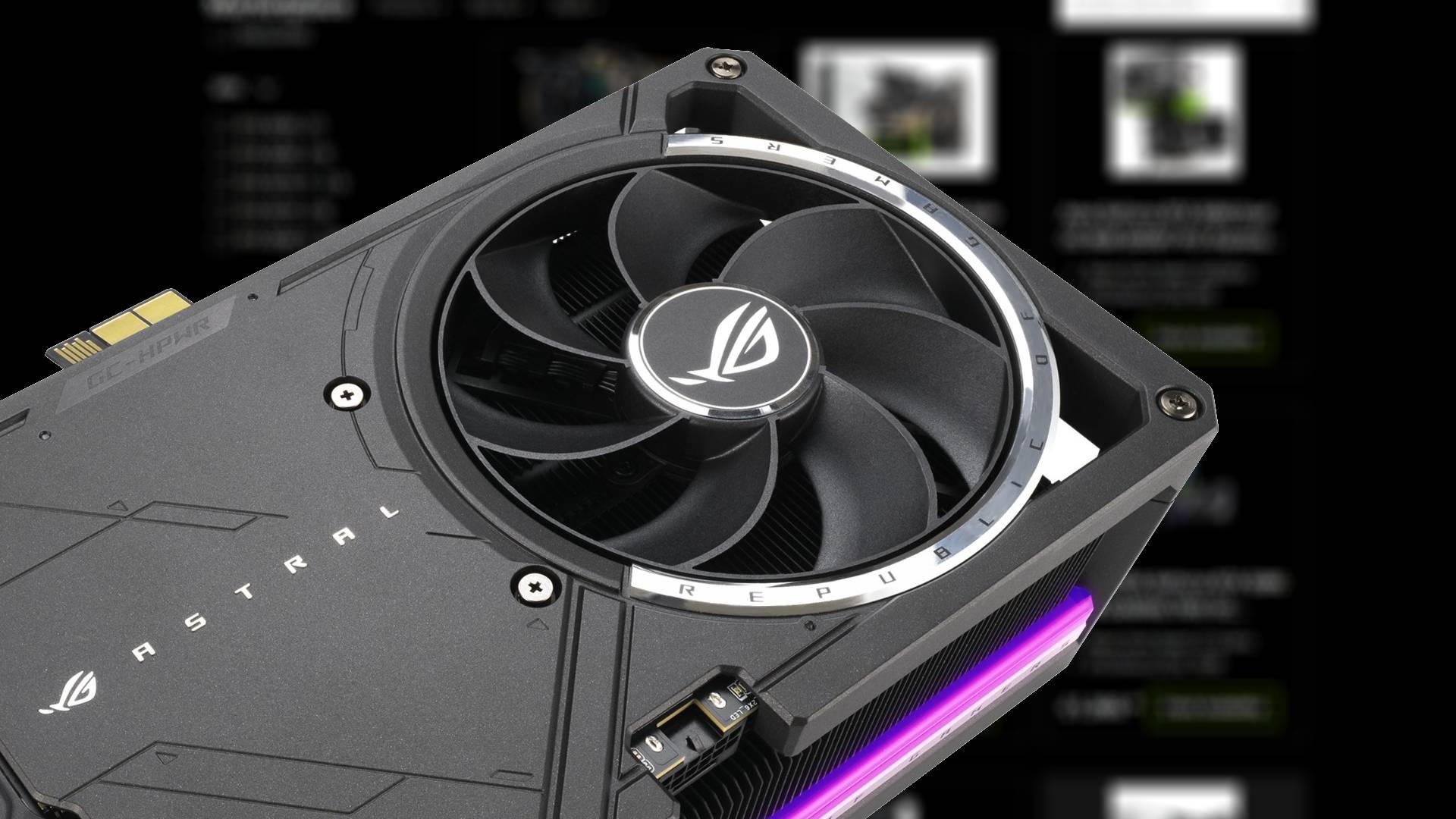
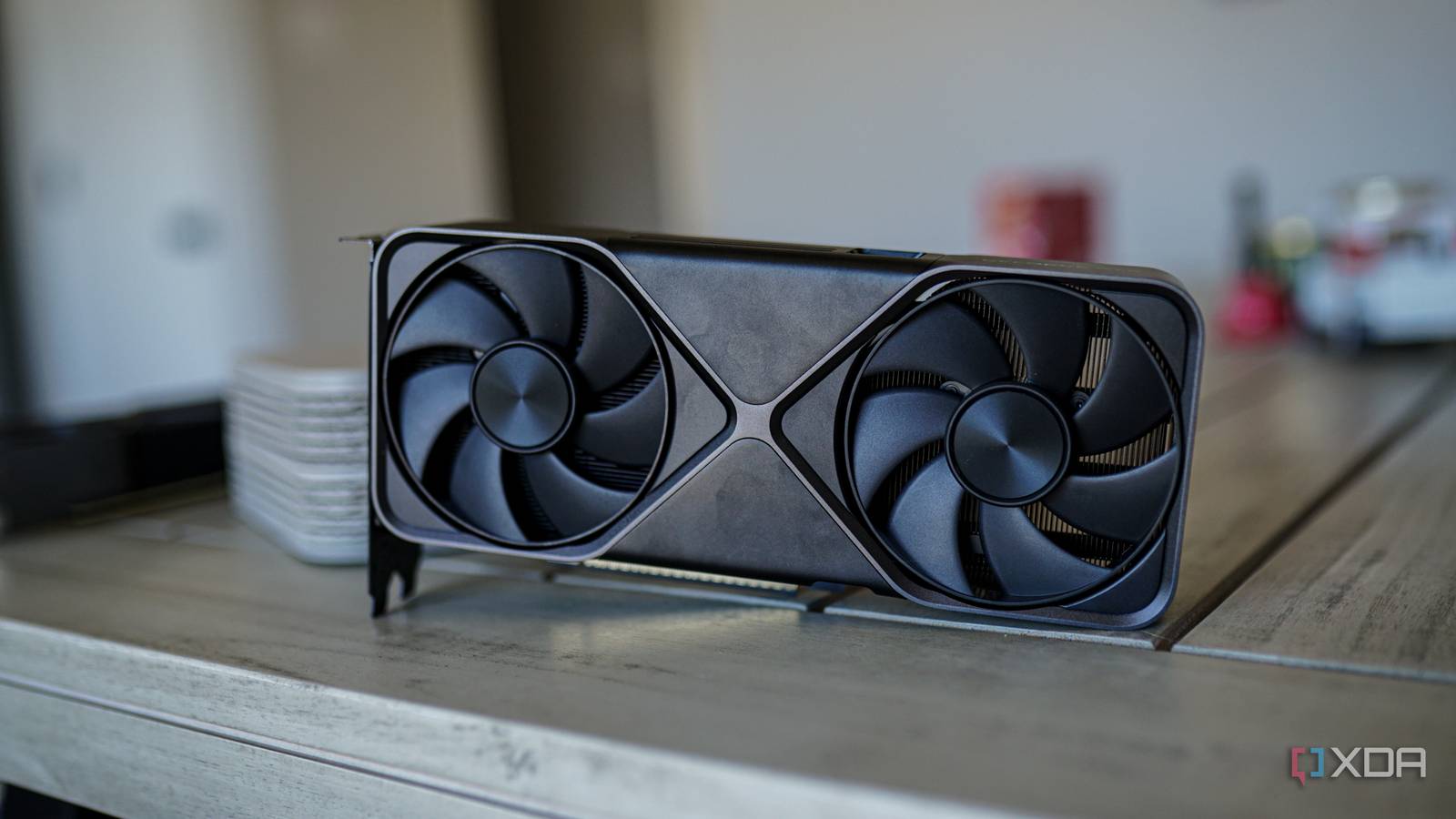
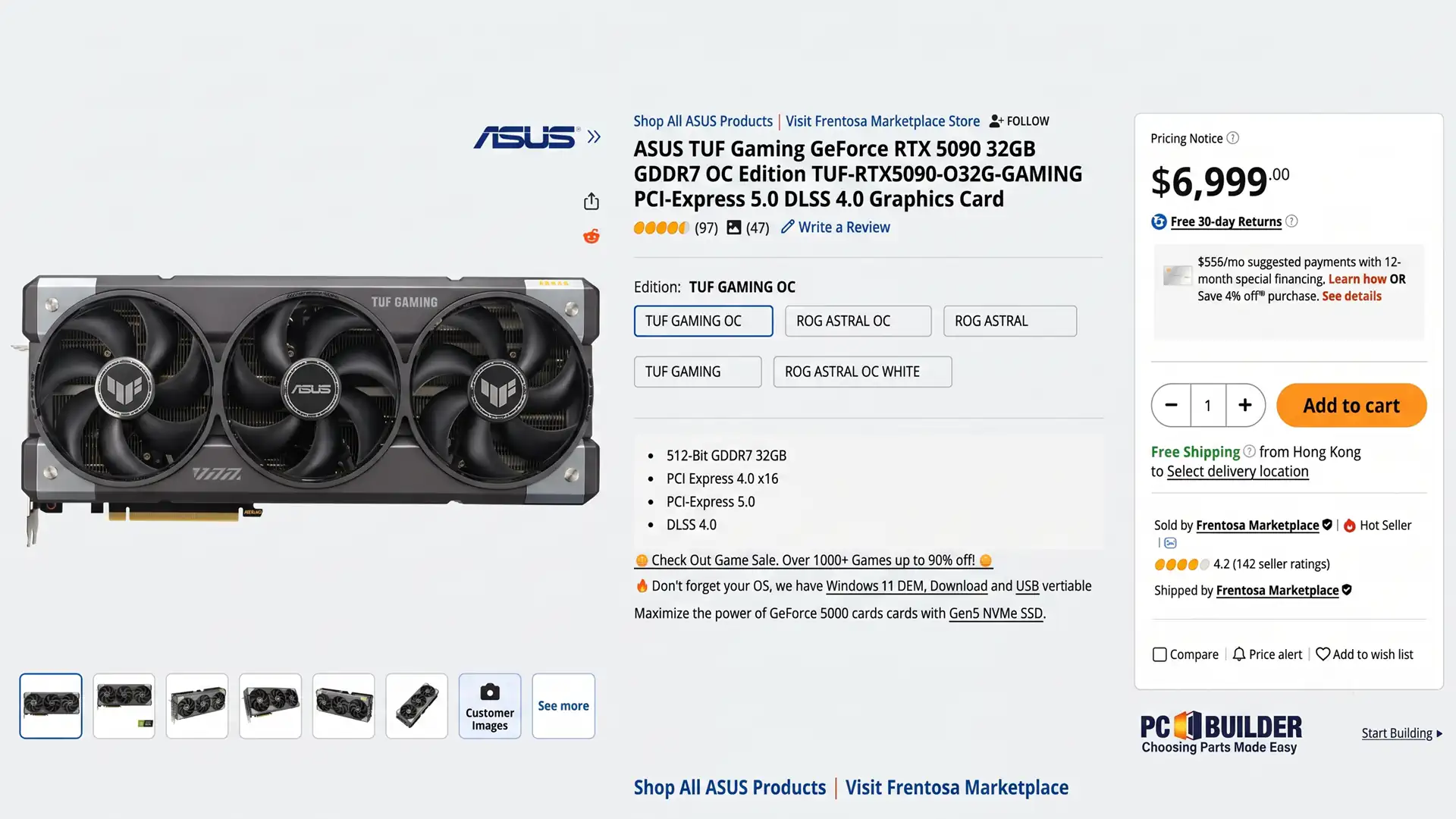
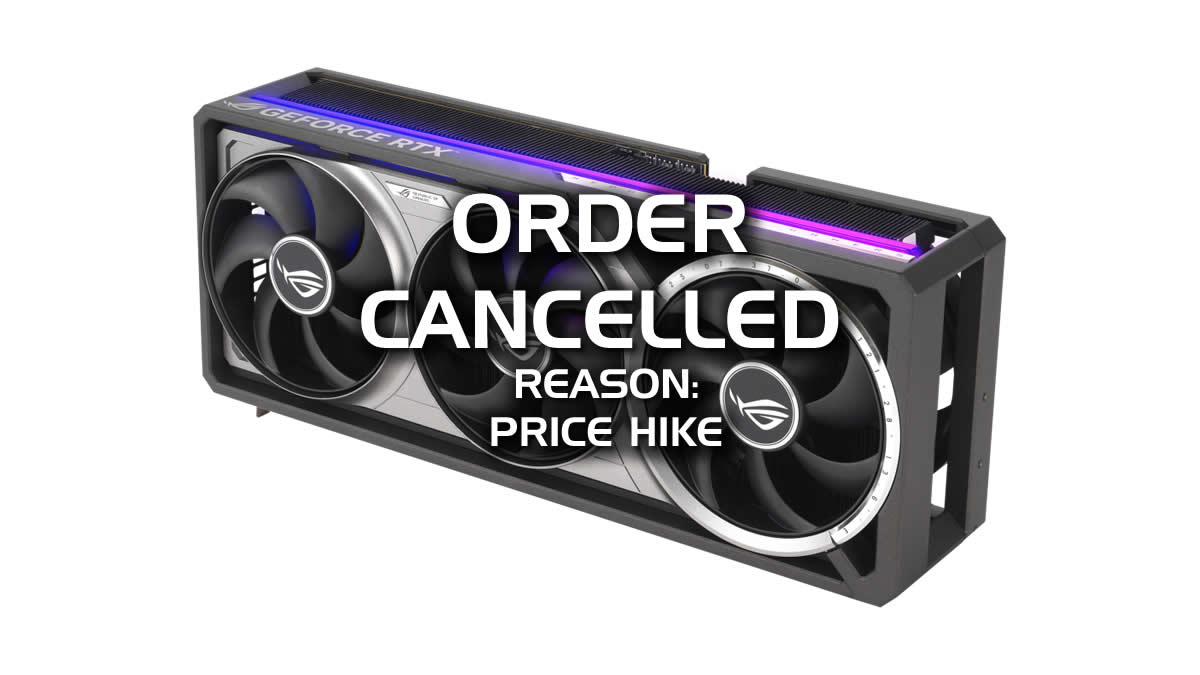
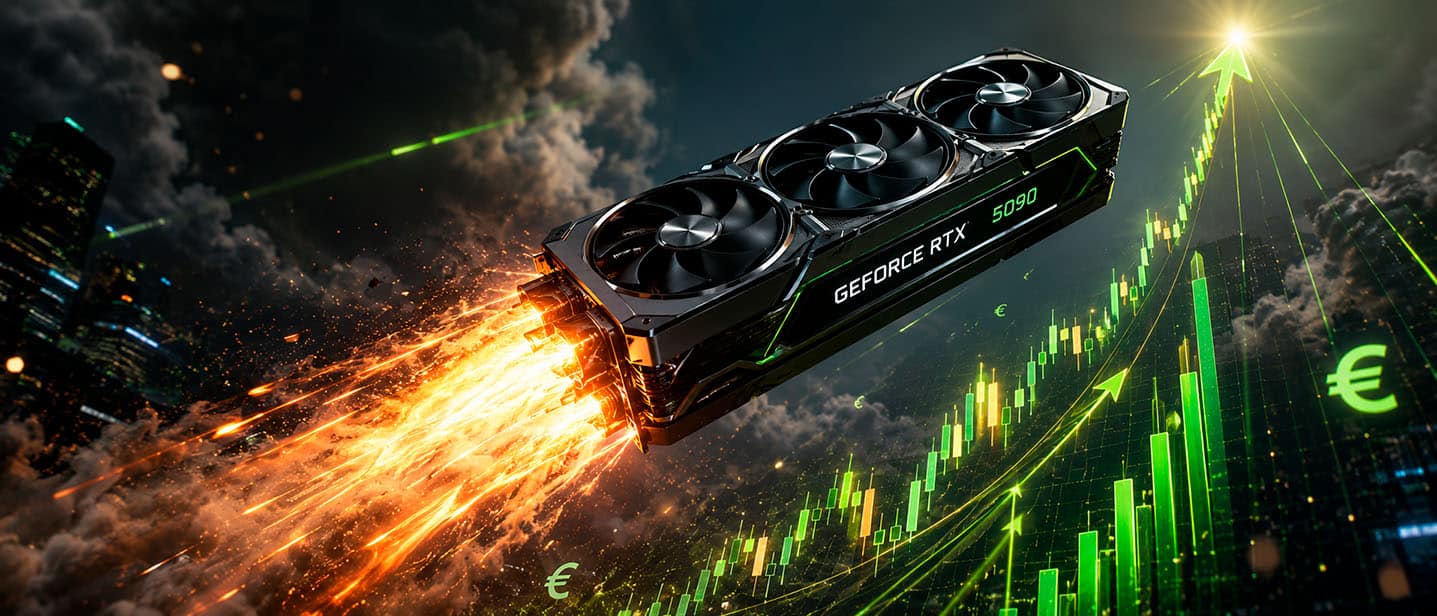
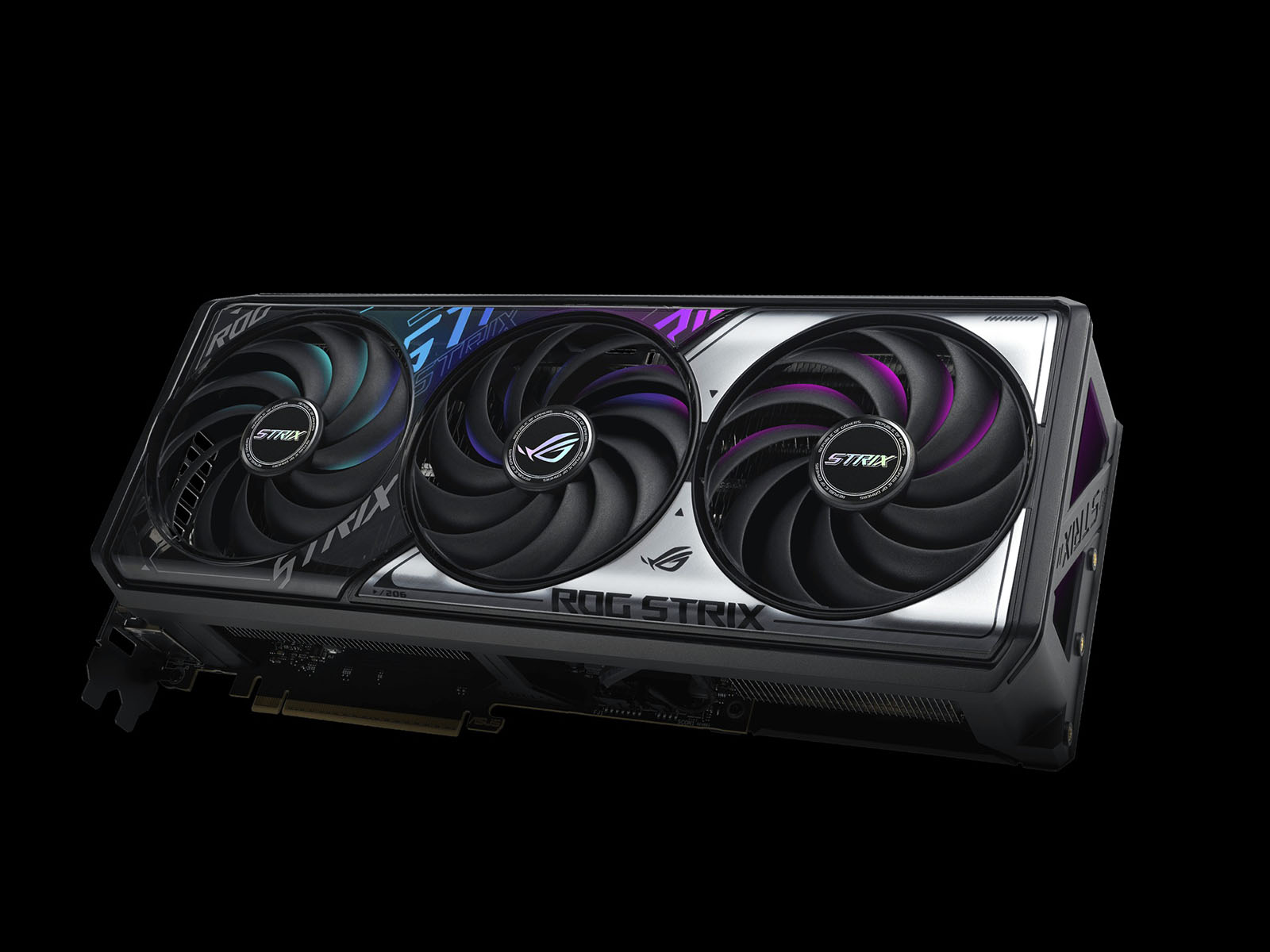
The Nvidia RTX 5090 marketplace cancellation incident reveals critical operational risks for e-commerce sellers in premium electronics. A $4,429 order was cancelled after Asus raised prices $500 post-purchase, with the GPU now trading at 2.5x MSRP ($10,000+), demonstrating severe pricing volatility in high-demand tech categories. This situation exposes three critical seller vulnerabilities: (1) Manufacturer price intervention — Nvidia actively monitors marketplace pricing and cancels orders when prices deviate from expected ranges, suggesting manufacturers now view marketplace pricing as a compliance issue; (2) Supply-driven arbitrage collapse — While GPU shortage creates 150%+ margin opportunities, manufacturer intervention eliminates these windows, making arbitrage increasingly risky; (3) Platform coordination gaps — Coordination failures between Nvidia, Asus, and marketplace retailers create order fulfillment uncertainty that damages seller reputation and customer trust.
For marketplace sellers, this incident signals a fundamental shift in manufacturer-retailer relationships. The RTX 5090's unprecedented demand (supply constraints enabling premium pricing) has attracted both legitimate resellers and arbitrage players, but manufacturer monitoring now creates a compliance layer previously absent in electronics retail. Sellers operating on Amazon, eBay, and Newegg face increased risk of order cancellations if pricing exceeds manufacturer expectations, even after purchase confirmation. The $500 price jump within hours of purchase demonstrates how rapidly pricing can shift, making real-time inventory management and price synchronization critical. Sellers must now understand that high-demand electronics are no longer purely market-driven — manufacturer pricing authority supersedes marketplace dynamics.
The broader GPU market context amplifies these risks. RTX 5090 demand stems from AI workload adoption and gaming enthusiast segments, both willing to pay premiums. However, this creates a two-tier market: authorized retailers with manufacturer pricing controls (lower margins, stable orders) versus marketplace resellers (higher margins, cancellation risk). Sellers choosing the marketplace route must now factor in manufacturer intervention as an operational cost. The incident also suggests regulatory scrutiny around pricing practices — manufacturers may be preemptively enforcing MSRP compliance to avoid antitrust concerns around price-fixing. For sellers, this means arbitrage opportunities in premium GPUs are contracting, while compliance-focused inventory management becomes essential for maintaining marketplace presence in this category.
Questions 7
Are there alternative product categories where sellers can capture GPU demand without manufacturer intervention?
Yes, sellers can focus on complementary GPU ecosystem products with lower manufacturer oversight: gaming peripherals (mechanical keyboards, gaming mice), cooling solutions (aftermarket coolers, thermal paste), power supplies (high-wattage PSUs), cable management systems, and gaming furniture. These categories benefit from GPU demand spikes without direct manufacturer price monitoring. Additionally, mid-range GPUs (RTX 4070-4090 series) and AMD alternatives (Radeon RX 7000 series) typically have less aggressive manufacturer pricing controls than flagship Nvidia products, offering better arbitrage opportunities with lower cancellation risk.
Why did Nvidia cancel the $4,429 RTX 5090 order after purchase confirmation?
Nvidia cancelled the order citing a 'late' price increase attributed to Asus, the board partner. The GPU's price jumped $500 immediately after purchase, triggering manufacturer intervention. This suggests Nvidia actively monitors marketplace pricing and cancels orders when prices exceed expected ranges, treating MSRP compliance as a fulfillment requirement rather than a guideline. Sellers should understand that manufacturer pricing authority now supersedes marketplace dynamics in premium electronics, creating cancellation risk even after confirmed purchases.