



Germany's Legal Crackdown: Far-Right Extremism Meets Strict Symbolic Prosecution
- Emerging legal strategy targets symbolic political provocation in rising nationalist movements






Overview
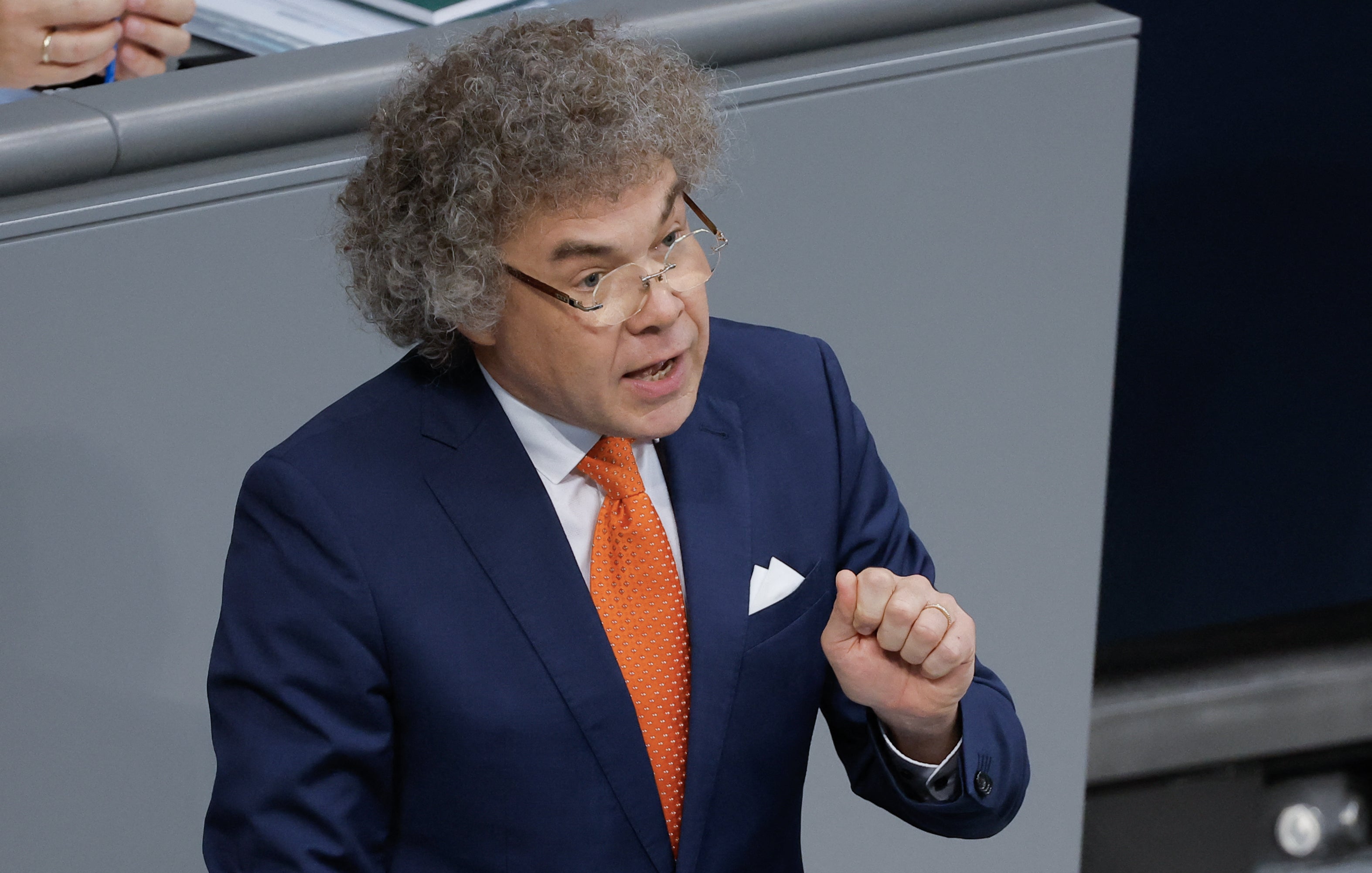
Regulatory compliance with historical sensitivity is emerging as a critical battleground in contemporary German political discourse. The prosecution of Matthias Moosdorf, a far-right Alternative for Germany (AfD) MP, represents a strategic legal approach to confronting nationalist symbolism through precise, symbolic enforcement.
The case illuminates a sophisticated regulatory compliance mechanism where historical trauma meets contemporary political challenges. With the domestic spy agency reporting a 77% surge in identified extremists within the AfD, reaching approximately 20,000 individuals, Germany is deploying legal instruments as a preventative mechanism against potential ideological resurgence. The potential penalties—up to three years in prison for Nazi-related gestures—demonstrate a robust, zero-tolerance approach to symbolic political provocation.
Transnational political alignment adds complexity to this legal narrative. The AfD's increasing ties with MAGA-aligned Republicans signal a broader international far-right networking strategy. By prosecuting symbolic gestures like Moosdorf's alleged Nazi salute, German authorities are not just enforcing a law, but strategically disrupting potential cross-border ideological networks. The Bundestag's vote to lift Moosdorf's parliamentary immunity underscores a systemic commitment to maintaining strict legal boundaries against extremist expressions.
Critically, this approach transforms legal prosecution from a punitive measure into a proactive compliance strategy. By targeting symbolic provocations, Germany is creating high-barrier entry points for extremist political participation. The fact that the AfD is currently polling first in upcoming state elections, despite—or perhaps because of—such legal challenges, reveals the nuanced political dynamics at play.
The Moosdorf case exemplifies how regulatory enforcement can become a sophisticated tool of political and cultural management, using legal precision to address complex historical and contemporary challenges.
Questions 3
What international implications does this case have for far-right political networking?
The Moosdorf case signals a potential disruption of transnational far-right alignment strategies. By aggressively prosecuting symbolic provocations, Germany demonstrates a willingness to use legal mechanisms to challenge cross-border ideological networking, potentially creating precedents for other democratic systems.
How effective are these legal strategies in combating far-right movements?
While prosecution creates high compliance barriers, the AfD's continued polling success suggests legal measures alone cannot fully neutralize political movements. The strategy appears more focused on limiting symbolic power and preventing ideological mainstreaming rather than completely eliminating such political expressions.