



FDA Food Safety Recall | Mexican Jalapeño Salmonella Outbreak Hits 27 States
- 345 confirmed cases across 27 states; 36 hospitalizations; sellers importing Mexican produce face immediate compliance audits and supply chain verification requirements













Overview
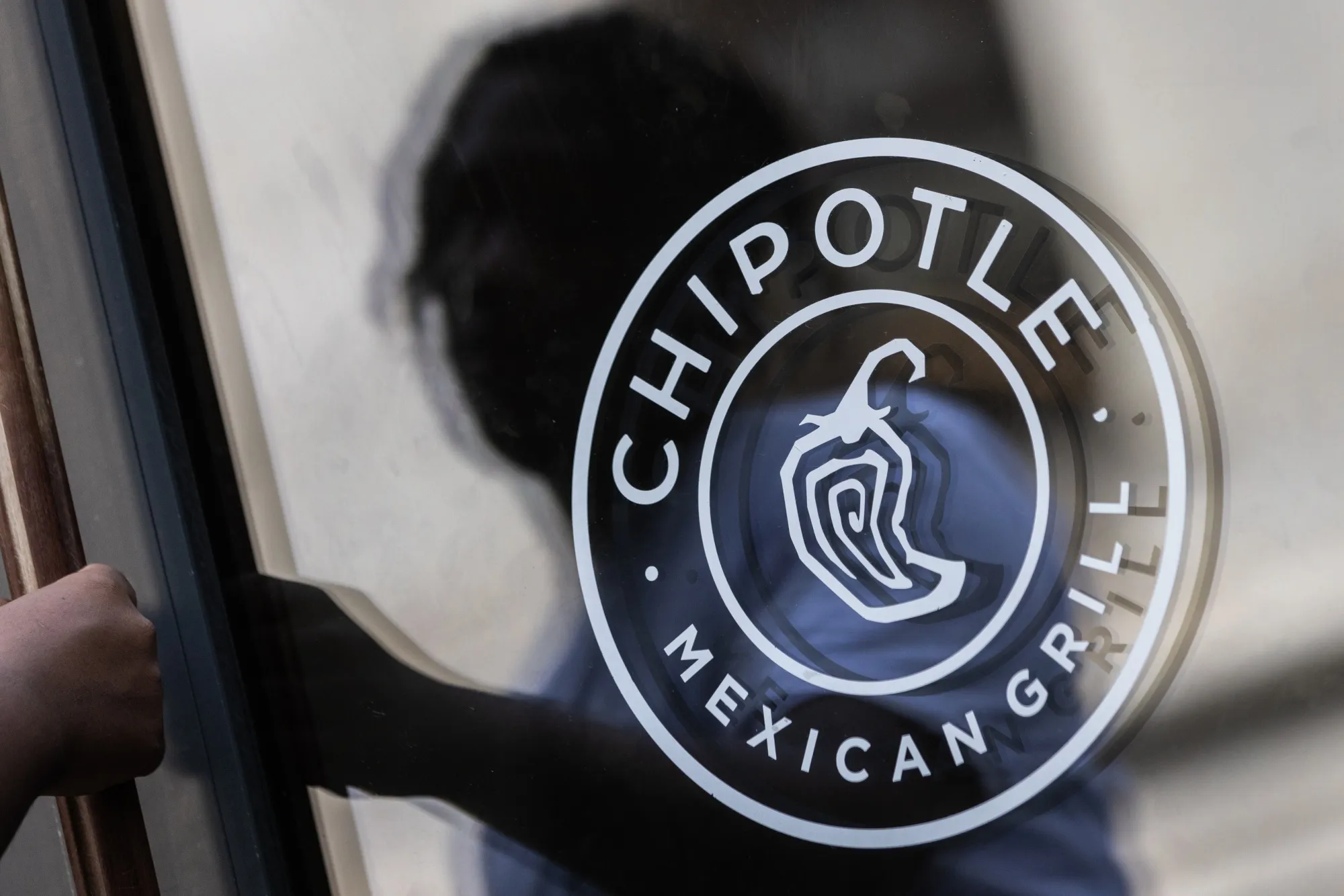
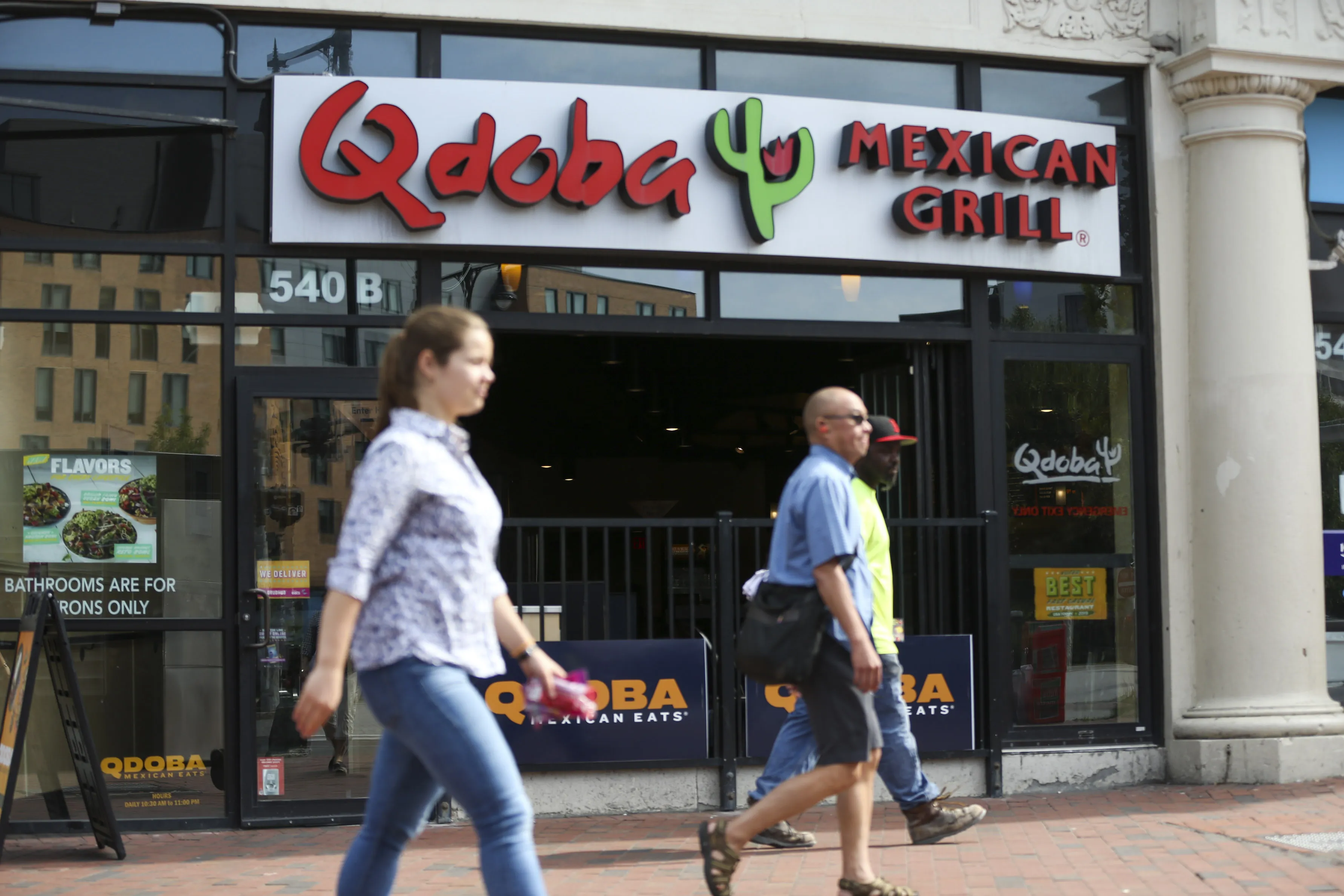
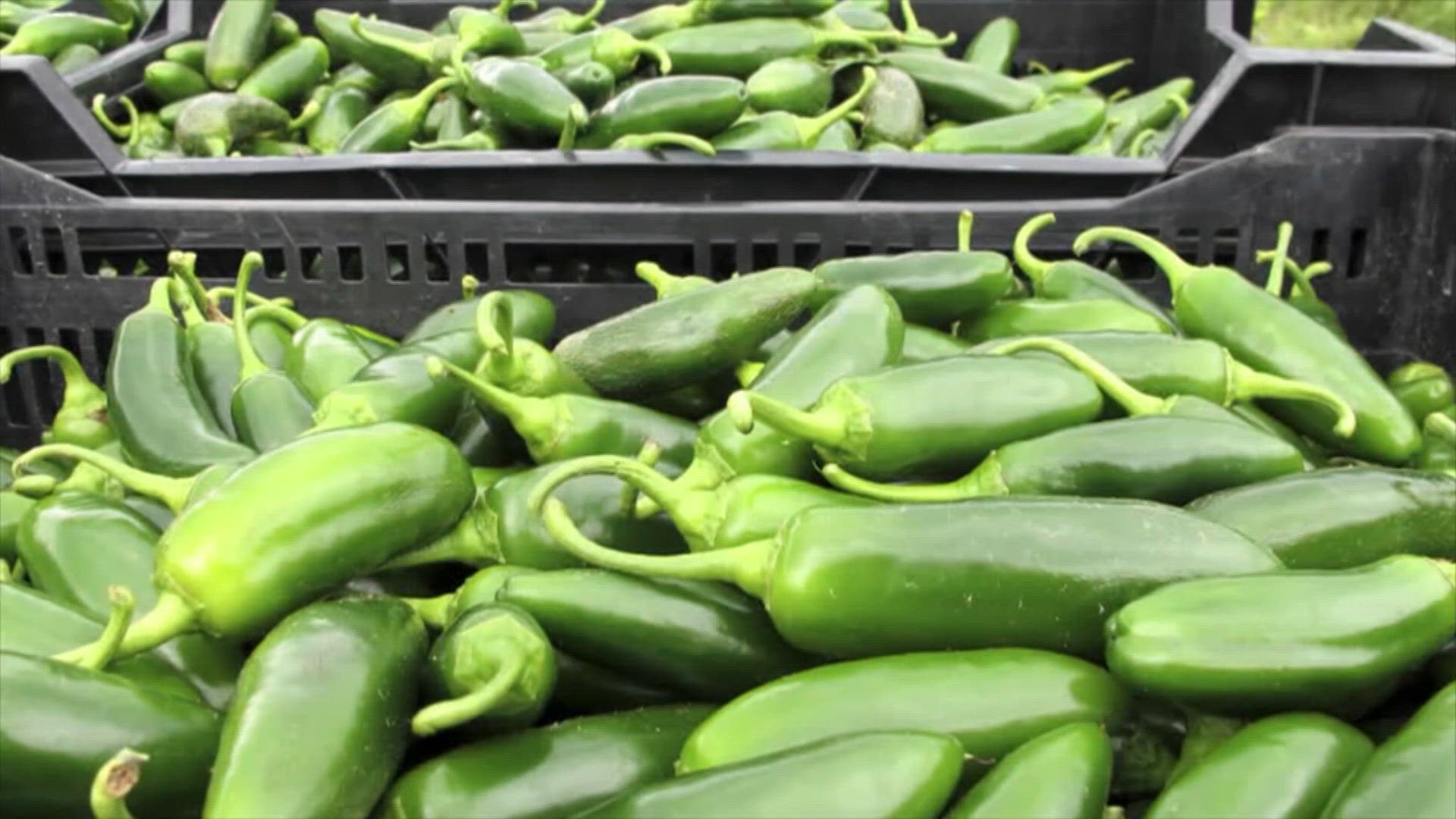
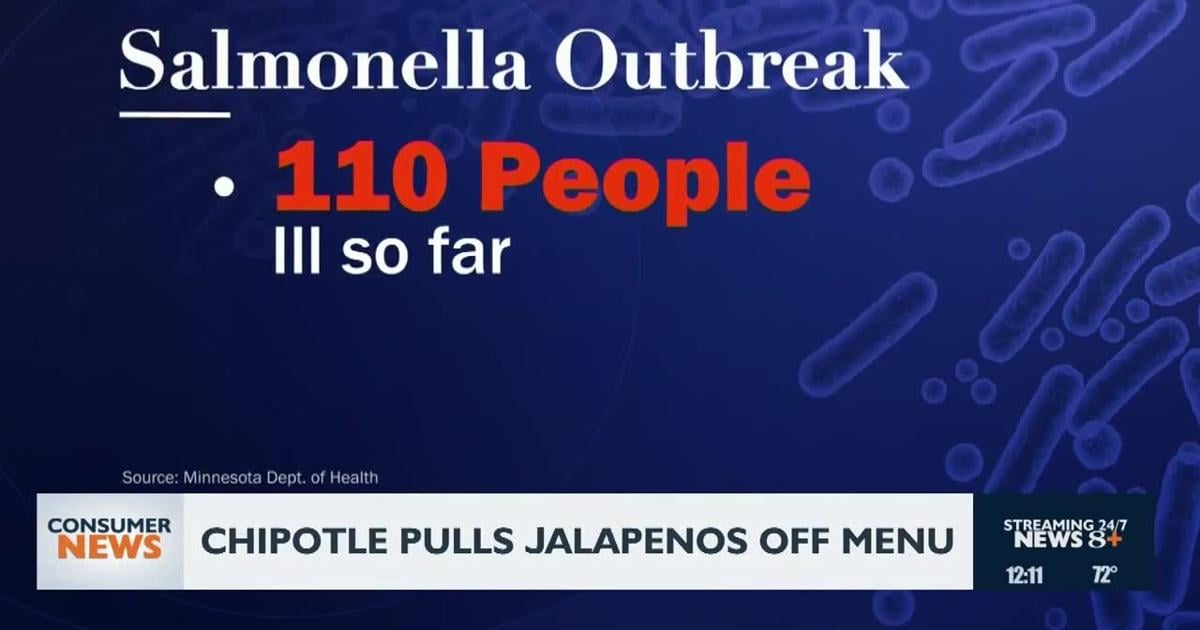
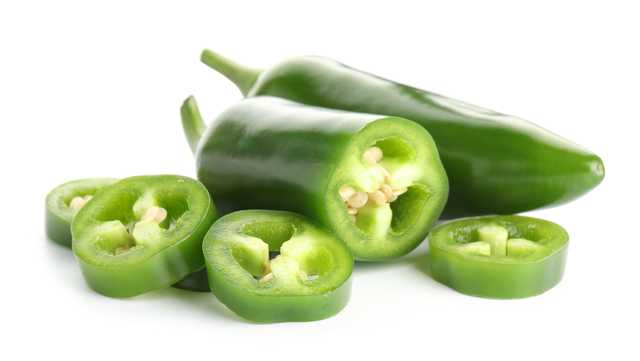
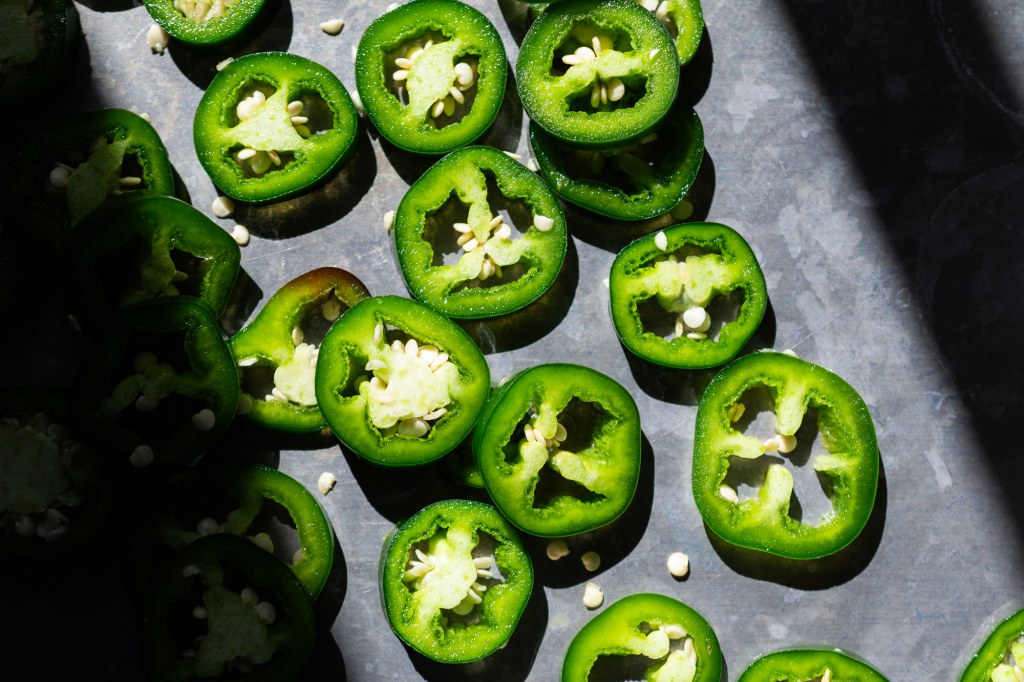
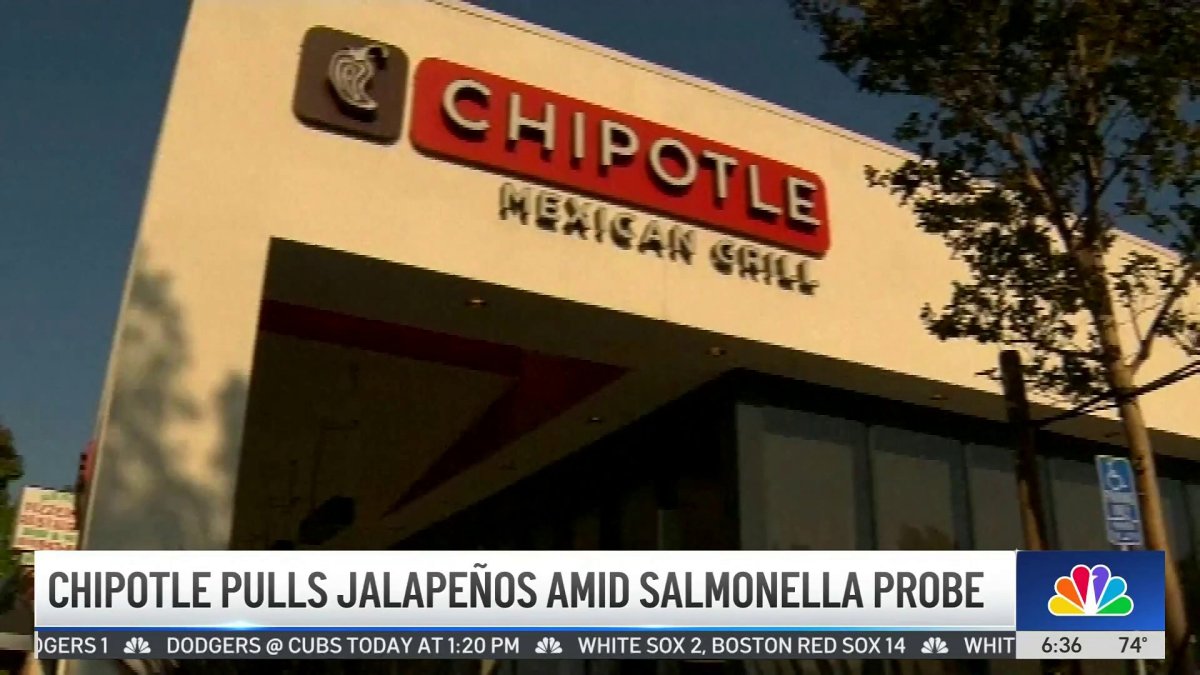
The August 2026 Salmonella outbreak linked to Mexican jalapeño peppers from Sinaloa represents a critical compliance event for food and beverage e-commerce sellers. As of August 5, 2026, the FDA and CDC confirmed 345 illnesses across 27 states (Colorado and Minnesota leading with 110+ cases each), with 36 hospitalizations and contamination traced to Coast Citrus Distributors. The outbreak, which peaked between June 24-July 2, 2026, forced major restaurant chains—Chipotle (switched suppliers July 20) and QDOBA (discontinued jalapeños July 28)—to immediately remove affected products. This event creates a critical compliance moat for sellers: non-compliant food importers face account suspension on Amazon, eBay, and Walmart Marketplace, while compliant sellers gain competitive advantage through verified supply chain documentation.
For food and beverage sellers on e-commerce platforms, this outbreak triggers immediate FDA compliance requirements. Sellers importing Mexican produce must now provide: (1) supplier certifications from FDA-registered facilities, (2) traceability documentation linking products to specific growers/distributors, and (3) proof of testing for Salmonella pathogens. Amazon Seller Central, eBay, and Walmart Marketplace have activated automated compliance checks flagging any jalapeño imports from Sinaloa region suppliers. Sellers with Coast Citrus Distributors in their supply chain face mandatory account audits and potential suspension until alternative suppliers are verified. The compliance cost for food sellers includes: $500-2,000 for FDA facility registration verification, $1,500-5,000 for third-party pathogen testing per batch, and 2-4 weeks for supply chain re-documentation. Estimated 30-40% of small food importers lack documented traceability systems, creating a market elimination opportunity for compliant sellers.
This outbreak accelerates demand for compliance-as-a-service solutions targeting food sellers. Sellers can capitalize on three emerging opportunities: (1) Alternative produce sourcing—domestic jalapeño suppliers and non-Sinaloa Mexican growers now face reduced competition as non-compliant importers exit; (2) Compliance documentation services—third-party providers offering FDA traceability audits, supplier verification, and batch testing documentation can charge $200-500 per seller monthly; (3) Category expansion—compliant sellers can capture market share from suspended competitors by expanding jalapeño inventory with verified sourcing. The concurrent cyclosporiasis outbreak linked to Taylor Farms lettuce (15 states affected) signals broader Mexican produce scrutiny, creating 6-12 month window for sellers to establish compliant supply chains before enforcement intensifies. Chipotle's 8% stock decline demonstrates market sensitivity to food safety failures, incentivizing retailers to demand verified supplier documentation—a requirement that filters out non-compliant e-commerce sellers within 30-60 days.
Questions 8
Can sellers legally source jalapeños from non-Sinaloa Mexican regions?
Yes, sellers can legally source jalapeños from non-Sinaloa Mexican regions (Jalisco, Nayarit, Chihuahua) with proper FDA documentation. However, sellers must provide written certification from suppliers confirming non-Sinaloa origin and submit third-party testing documentation to e-commerce platforms. The compliance cost for non-Sinaloa sources is identical to Sinaloa sources ($1,500-5,000 per batch testing), but supply chain verification is faster (1-2 weeks vs. 2-4 weeks) due to lower regulatory scrutiny. Alternatively, sellers can source from US domestic growers (California, Texas, Florida) with minimal compliance burden ($500-1,000 for FDA registration verification only). The fastest compliance path is switching to pre-certified domestic suppliers, which eliminates import verification costs entirely.
What happens to sellers who don't comply with FDA food safety requirements?
Non-compliant sellers face: (1) **Immediate account suspension** on Amazon, eBay, Walmart Marketplace (within 14 days of non-compliance detection); (2) **Product delisting** and forced recalls costing $500-5,000 in logistics and customer refunds; (3) **Legal liability** for foodborne illness claims, with settlements ranging $10,000-100,000+ per case; (4) **Reputational damage** with negative reviews and social media exposure reducing future sales 30-50%. The August 2026 outbreak demonstrates platform enforcement intensity—Chipotle's 8% stock decline shows market sensitivity to food safety failures. Sellers should view compliance as non-negotiable investment, not optional cost, as account suspension eliminates all revenue from that platform.