
Motherboard & PCB Prices Surge 50% Q3 2026 | Critical Sourcing & Inventory Strategy for Electronics Sellers
- PCB costs rising up to 50% in Q3 2026; motherboard prices from ASUS, Gigabyte, MSI increasing; impacts DIY PC builders, gaming peripherals sellers, and system integrators across Amazon, eBay, Shopify


Overview
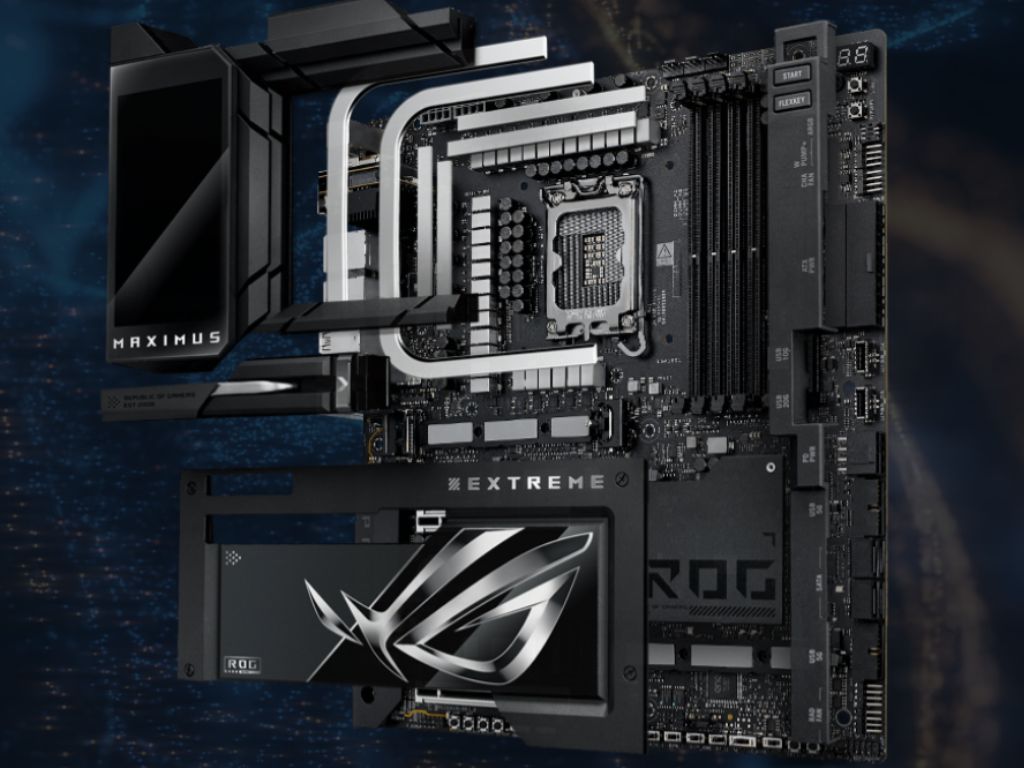
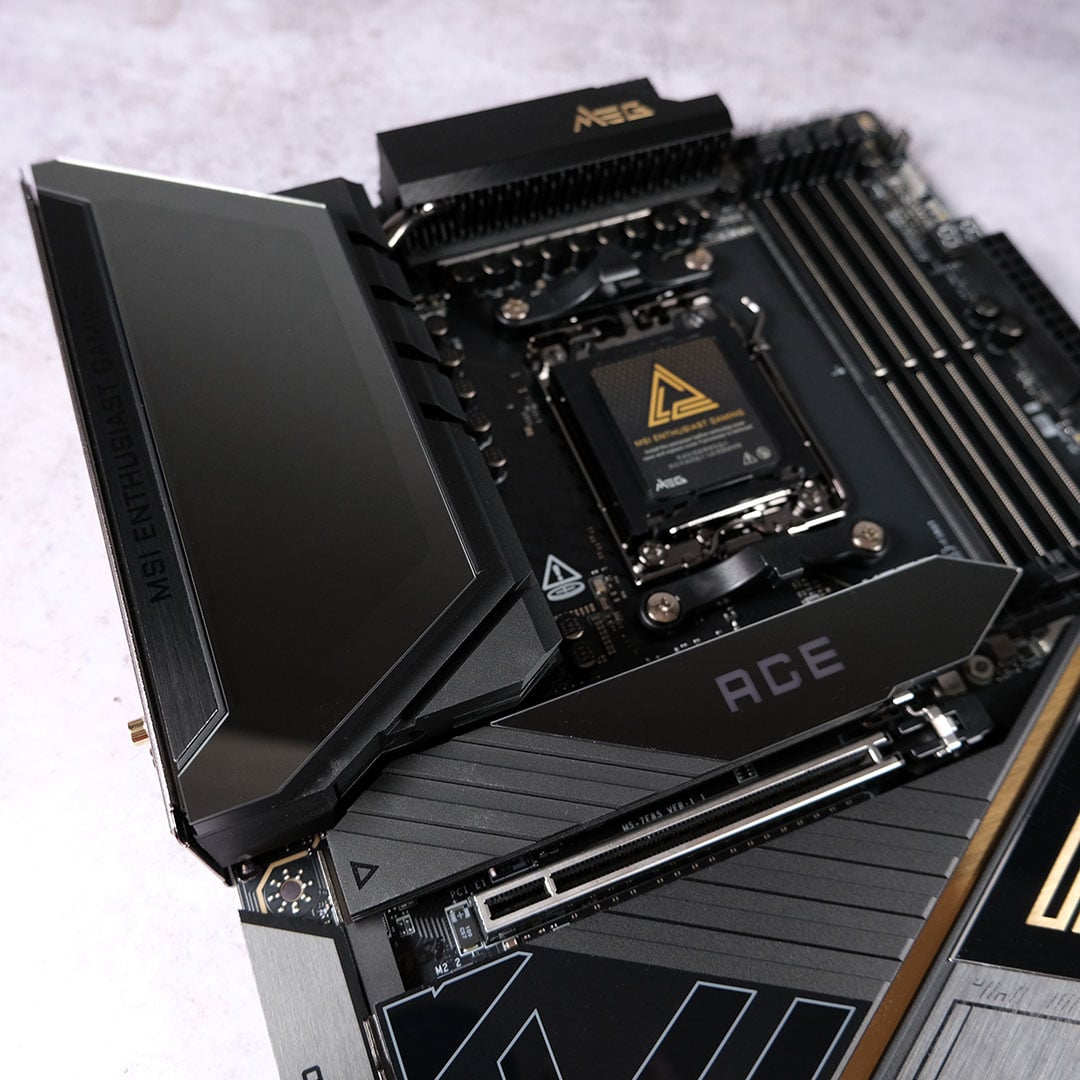
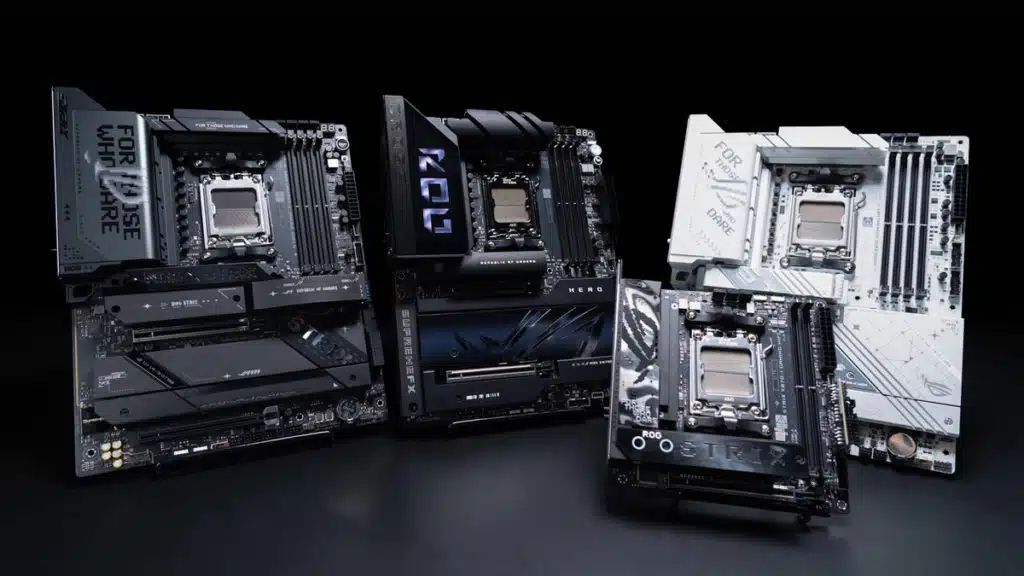
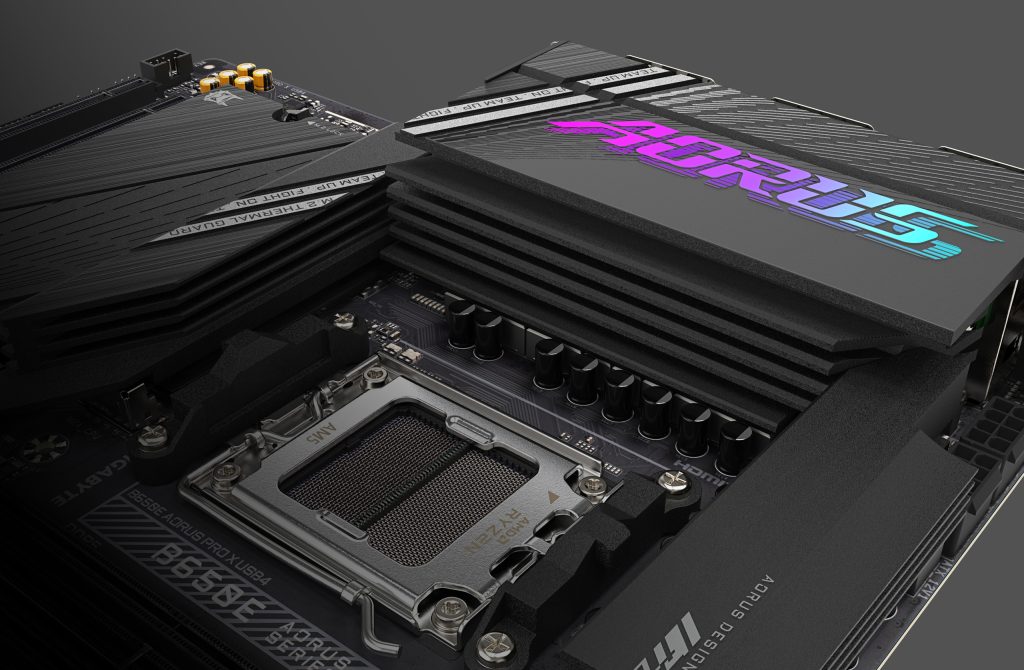
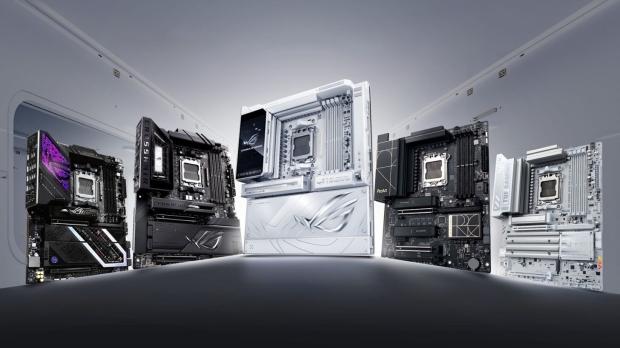
The PC component market faces a critical supply-side shock in Q3 2026 as PCB (printed circuit board) prices surge up to 50% and major motherboard manufacturers—ASUS, Gigabyte, and MSI—prepare significant price increases. According to Board Channels industry reports, this represents the latest wave in an ongoing "RAMpocalypse" that began in early 2026, following AI-driven demand spikes that elevated RAM, SSD, GPU, and processor costs throughout 2025-2026. The price increases stem from two compounding factors: rising raw material costs for motherboard production and weakening DIY market volume, forcing manufacturers to raise prices to maintain profit margins. Critically, retail prices on platforms like Amazon have not yet fully reflected these anticipated increases—some products like the ASUS ROG Strix X870E Gaming motherboard have actually decreased—creating a narrow window for sellers to capitalize on current inventory before wholesale costs spike.
For electronics sellers on Amazon, eBay, and Shopify, this creates an immediate sourcing dilemma with significant landed cost implications. Sellers currently holding motherboard inventory face margin compression of 15-25% when wholesale prices increase, while those planning Q4 2026 inventory builds must decide whether to front-load purchases before price increases or risk higher COGS. The timing compounds existing market weakness: AMD's refreshed Ryzen 7 7700X3D and Intel's incremental Core Ultra 200 Plus improvements signal a weak CPU launch cycle, with no significant new platforms expected until Intel's next-generation launch in early 2027. This extended product cycle typically depresses motherboard demand, meaning sellers face both rising input costs AND declining consumer demand—a margin-crushing combination. Gaming PC builders, system integrators, and DIY enthusiasts are already experiencing "frustration with the AI boom's indirect impact on gaming PC affordability," with cumulative component increases pushing custom PC building toward premium luxury pricing rather than accessible hobby status.
Logistics and inventory positioning become critical differentiators in this environment. Sellers should immediately audit motherboard inventory by SKU and cost basis, prioritizing liquidation of high-margin stock before price increases hit retail channels. For sellers with 3PL or FBA inventory in US warehouses, consider accelerating Q3 2026 inventory builds (target: 60-90 days of stock) before PCB costs spike, particularly for popular SKUs like ASUS ROG, Gigabyte Aorus, and MSI MPG series. Conversely, sellers should reduce inventory of lower-velocity SKUs to avoid storage cost penalties ($0.87/unit/month for standard-size items in Amazon FBA). The console market provides a secondary signal: Xbox Series X pricing increased to $799 for 1TB models, indicating manufacturers are already passing costs to consumers. This validates that retail price increases will eventually occur, making early inventory positioning essential. Sellers should monitor Board Channels and VideoCardz for confirmation of actual wholesale price increases (currently anticipated but not yet confirmed in Q3 2026), as timing uncertainty creates execution risk. The window for action is narrow—experts recommend consumers "prioritize buying sooner rather than later," which translates to sellers needing to secure inventory before manufacturer price increases cascade through distribution channels.
Questions 7
Should I shift sourcing to alternative suppliers outside Taiwan and China to avoid price increases?
Partially, but with trade-offs. Vietnam and Malaysia offer 5-10% cost advantages over Taiwan/China manufacturing, but quality and lead times vary. Vietnamese manufacturers (Compal, Pegatron subsidiaries) produce mid-range motherboards with 6-8 week lead times vs. 4-6 weeks from Taiwan. Malaysian suppliers offer niche products but limited SKU variety. Strategy: (1) Maintain 60-70% sourcing from established Taiwan/China suppliers (ASUS, Gigabyte, MSI) for brand-name products with proven demand; (2) Shift 20-30% of mid-range inventory to Vietnam suppliers to hedge against price increases; (3) Avoid new suppliers during this volatile period—switching costs and quality risks outweigh 5-10% savings. Ocean freight from Vietnam to US is comparable to Taiwan ($0.15-0.25/kg), but customs clearance may take 5-7 days vs. 3-5 days from Taiwan due to less-established trade relationships. Recommendation: lock in pricing with current suppliers for Q4 2026 inventory before wholesale increases cascade, rather than switching suppliers mid-cycle.
What are the total landed cost implications for sellers importing motherboards from Taiwan and China?
Total landed cost for a typical $80 wholesale motherboard from Taiwan/China manufacturing will increase significantly in Q3 2026. Current cost structure: PCB component ($25-30) + assembly labor ($8-12) + packaging ($2-3) + manufacturer margin ($20-25) = $80 wholesale. With PCB costs rising 40-50%, the PCB component increases to $35-45, pushing wholesale cost to $95-105 (+19-31%). Add ocean freight from Shanghai/Taipei to Los Angeles ($0.15-0.25/kg; typical motherboard = 0.5kg = $0.08-0.13), US tariffs (0-25% depending on origin; assume 10% = $9.50-10.50), and customs clearance ($15-25 per shipment). Total landed cost per unit: $120-145 (vs. current $95-110). For sellers with 1,000-unit monthly volume, this represents $25,000-35,000 additional monthly cost. Mitigation: negotiate volume discounts with distributors before price increases, consider alternative suppliers in Vietnam or Malaysia (typically 5-10% cheaper), or shift to dropshipping model to reduce inventory carrying costs.