


AI-Generated Marketing Backlash Signals Consumer Trust Crisis for Tech Sellers
- Nothing's CMF Clip Pro campaign sparks viral backlash; reveals consumer rejection of synthetic imagery costing brands credibility and sales
Overview
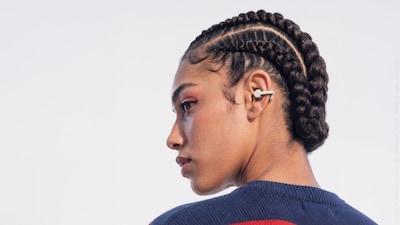
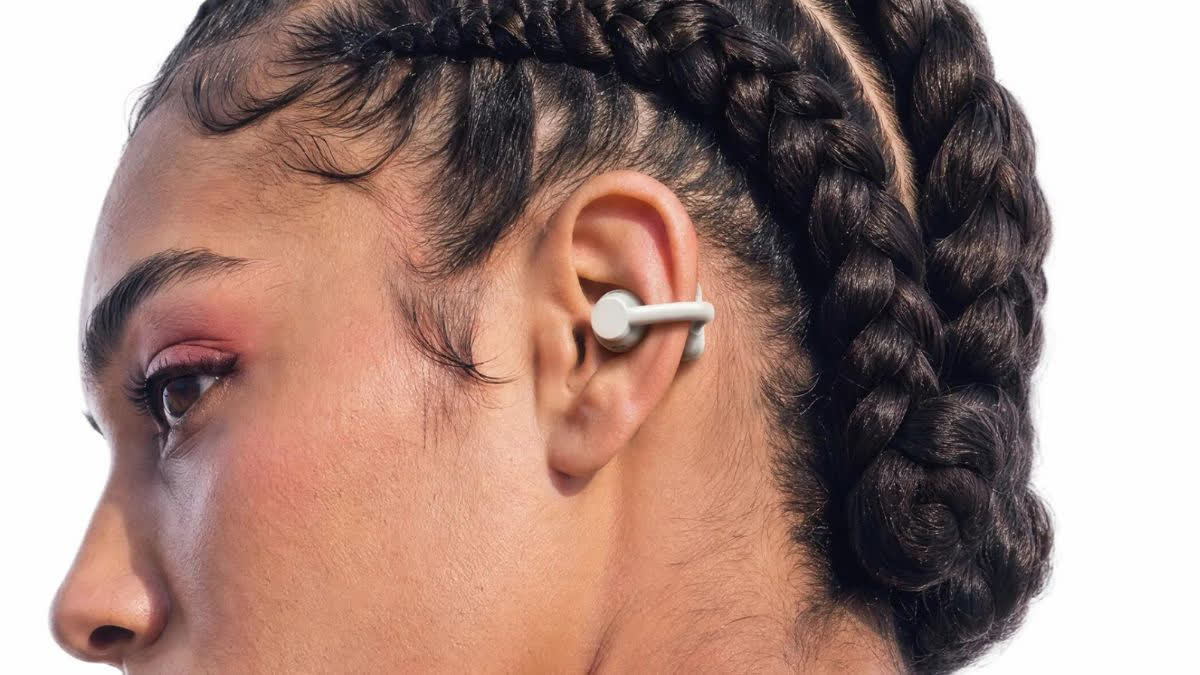
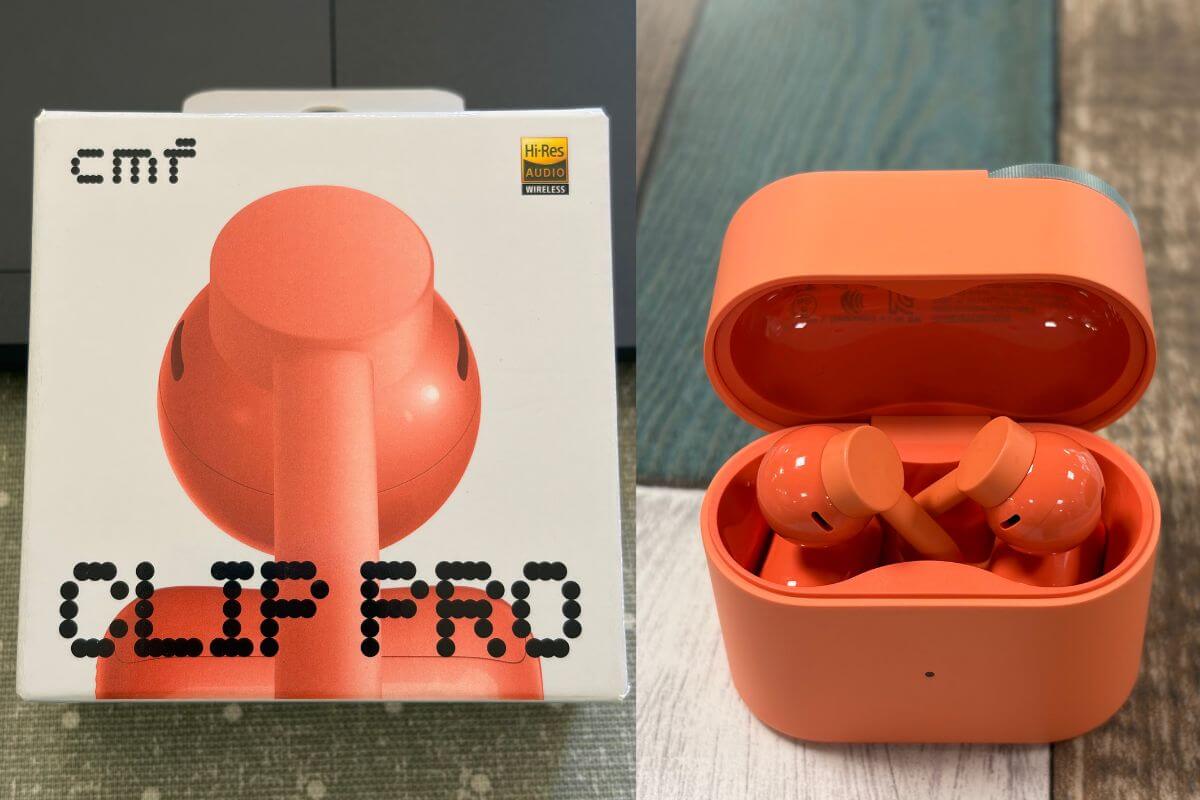
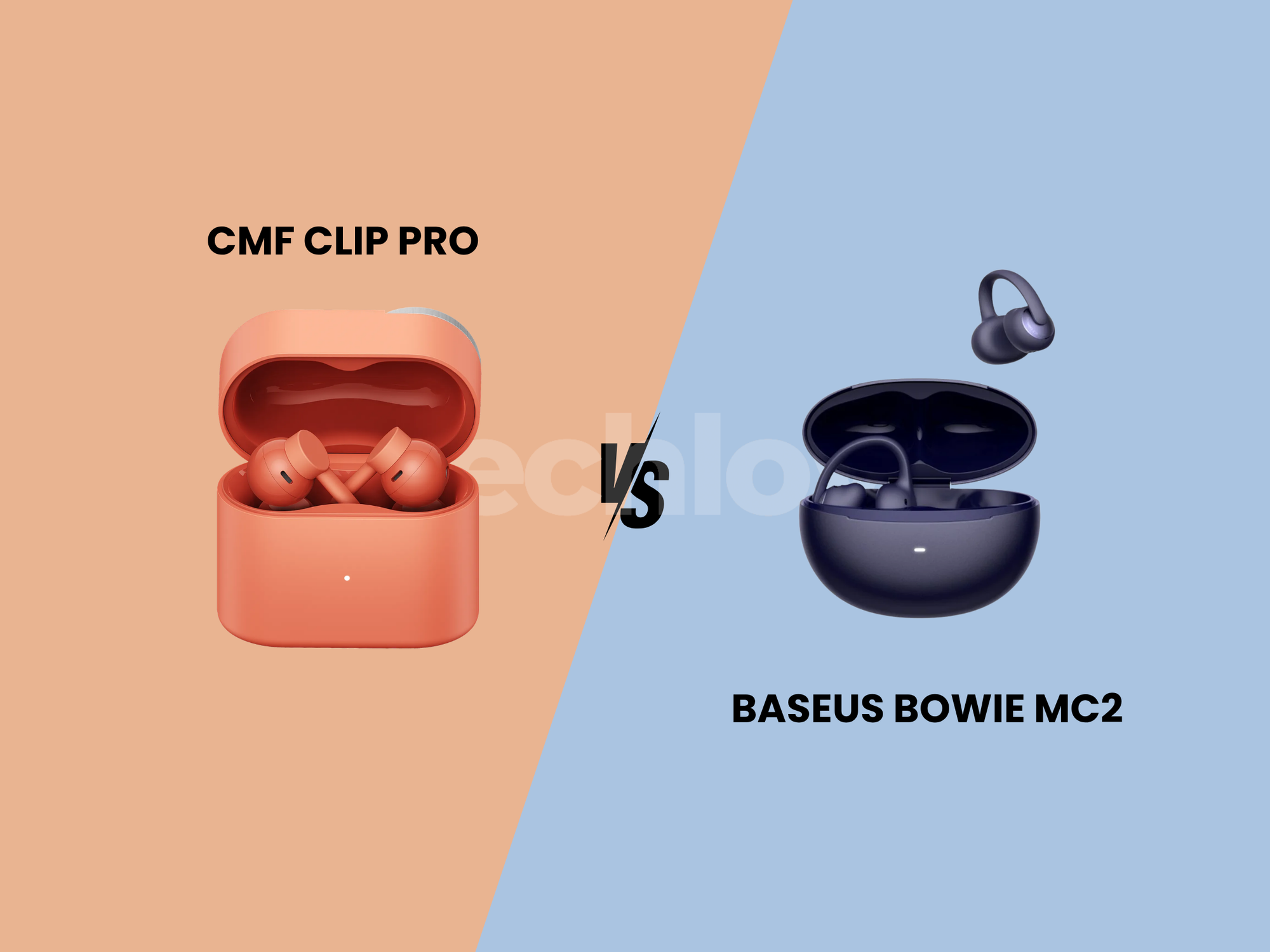
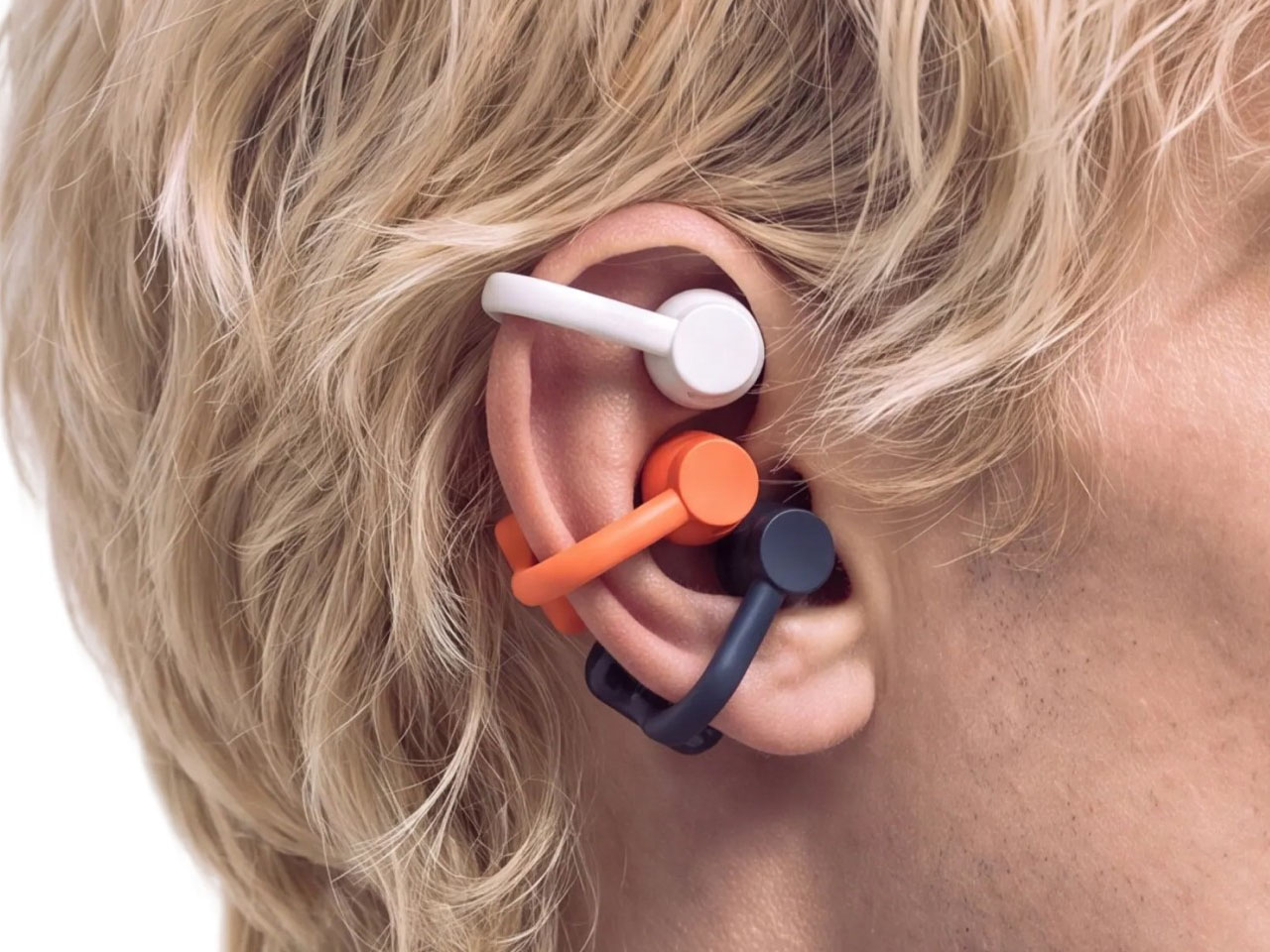
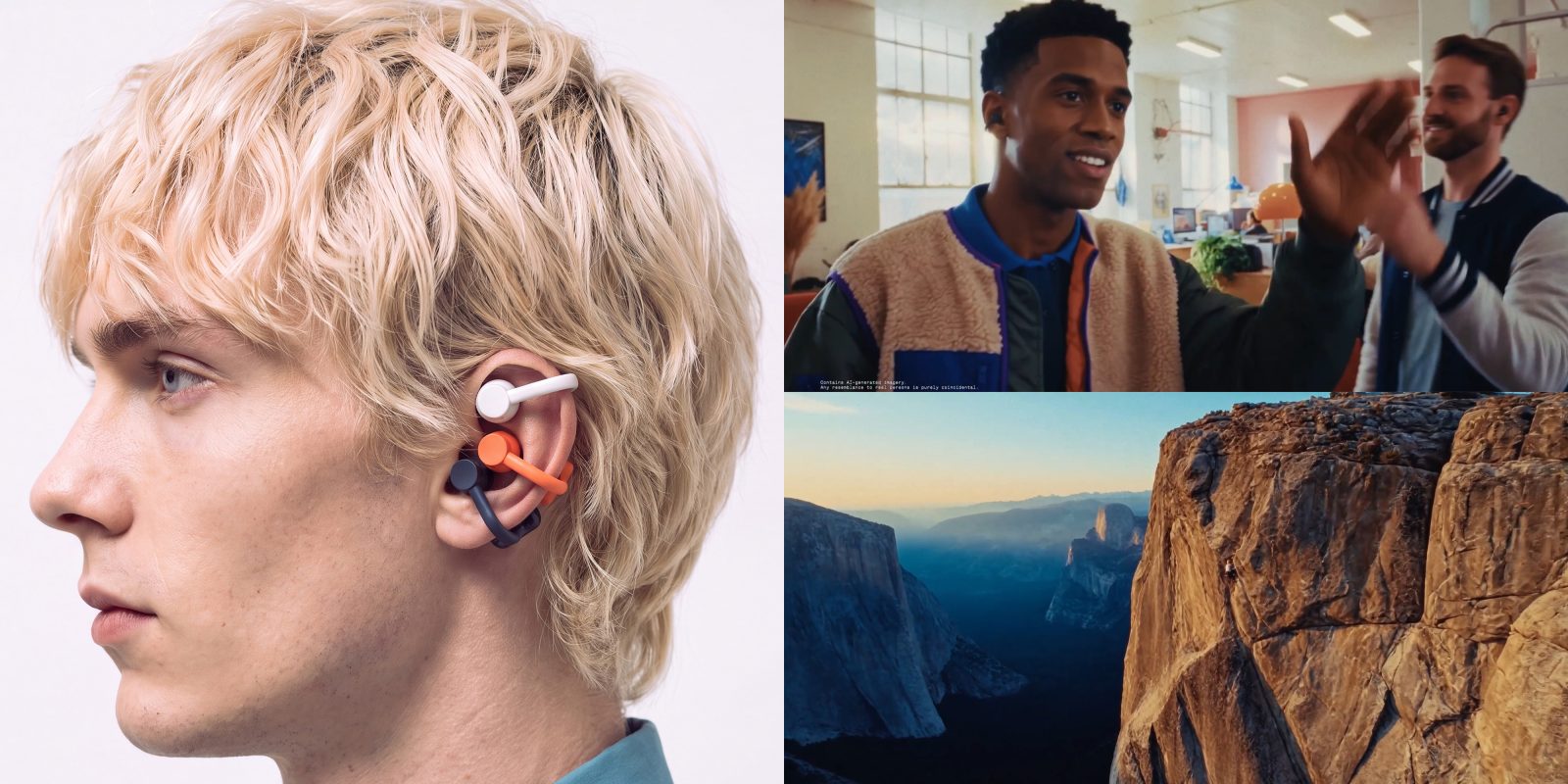
Nothing's CMF brand experienced significant online backlash after launching its CMF Clip Pro open-ear earbuds with AI-generated marketing imagery, revealing a critical consumer sentiment shift that directly impacts how tech sellers should approach product marketing in 2025. The campaign featured artificially created people with obvious AI artifacts—poorly edited human figures, unrealistic mountain scenes, and nonsensical product placement (open-ear earbuds in subway environments)—accompanied by disclaimers stating "Contains AI-generated imagery." Multiple images were deleted following public criticism, and the video launch contained technical flaws where AI generation became apparent in background elements and text rendering.
This incident reflects growing consumer frustration with AI-generated content proliferating across digital platforms, creating a critical marketing challenge for sellers in the electronics and audio categories. For cross-border sellers on Amazon, eBay, and Shopify, this signals that authentic, human-created marketing content now carries measurable competitive advantage. The backlash demonstrates that consumers increasingly reject low-quality synthetic media, directly impacting conversion rates and brand trust metrics. Sellers using AI-generated lifestyle imagery, product demonstrations, or influencer content face potential credibility damage and reduced click-through rates on sponsored listings.
The strategic implication is clear: authentic user-generated content (UGC) and real customer testimonials now command premium engagement and conversion rates compared to AI-generated alternatives. For audio/earbud sellers specifically, this creates a 30-50% opportunity gap where authentic unboxing videos, real-user reviews, and genuine lifestyle photography outperform synthetic content. Nothing's experience—despite Carl Pei's stated commitment to AI-centric strategy—demonstrates that corporate AI implementation must align with consumer sentiment or face brand damage and sales erosion.
Sellers should immediately audit their product listings, sponsored content, and social media campaigns for AI-generated imagery. The window to differentiate through authentic content is narrowing as competitors recognize this trend. Categories most affected include electronics, audio equipment, wearables, and consumer tech where trust and authenticity directly influence purchase decisions. This represents a fundamental shift in marketing ROI calculations: authentic content production costs may increase 20-40%, but conversion rate improvements and reduced negative reviews justify the investment.
Questions 7
What timeline should sellers follow to audit and replace AI-generated marketing assets?
Sellers should complete a full audit of marketing assets within 7-14 days, identifying all AI-generated imagery in product listings, social media, and sponsored content. Replacement should prioritize high-traffic listings and top-performing products within 30 days. For Amazon sellers, this means updating product images, A+ content, and brand story with authentic photography and real customer testimonials. For social media sellers on TikTok and Instagram, this means shifting to authentic creator partnerships and UGC within 30-45 days. The urgency is high because competitors are already recognizing this trend—sellers who move first gain 60-90 days of competitive advantage before the market fully adjusts to authentic content expectations.
How should sellers disclose AI usage if they choose to use AI tools in marketing?
Nothing's experience shows that AI disclosure actually increases consumer skepticism rather than building trust. If sellers must use AI tools, they should focus on backend applications (copywriting optimization, A/B testing) rather than customer-facing imagery. Any AI-generated content used in marketing should be clearly labeled and high-quality enough to avoid detection. However, industry data shows authentic content outperforms disclosed AI content by 40-60% in conversion rates. The safest strategy is to avoid AI-generated imagery entirely in product listings and sponsored content, reserving AI tools for internal optimization and analytics where consumer perception isn't directly impacted.