

FDA Nicotine Pouch Approval Surge | Compliance Barriers & Market Consolidation for Sellers
- 30 FDA-approved nicotine pouches create high regulatory barriers; 250% sales growth (Jan 2023-Aug 2025) signals emerging category; 16 international bans create geographic compliance complexity for cross-border sellers




















Overview
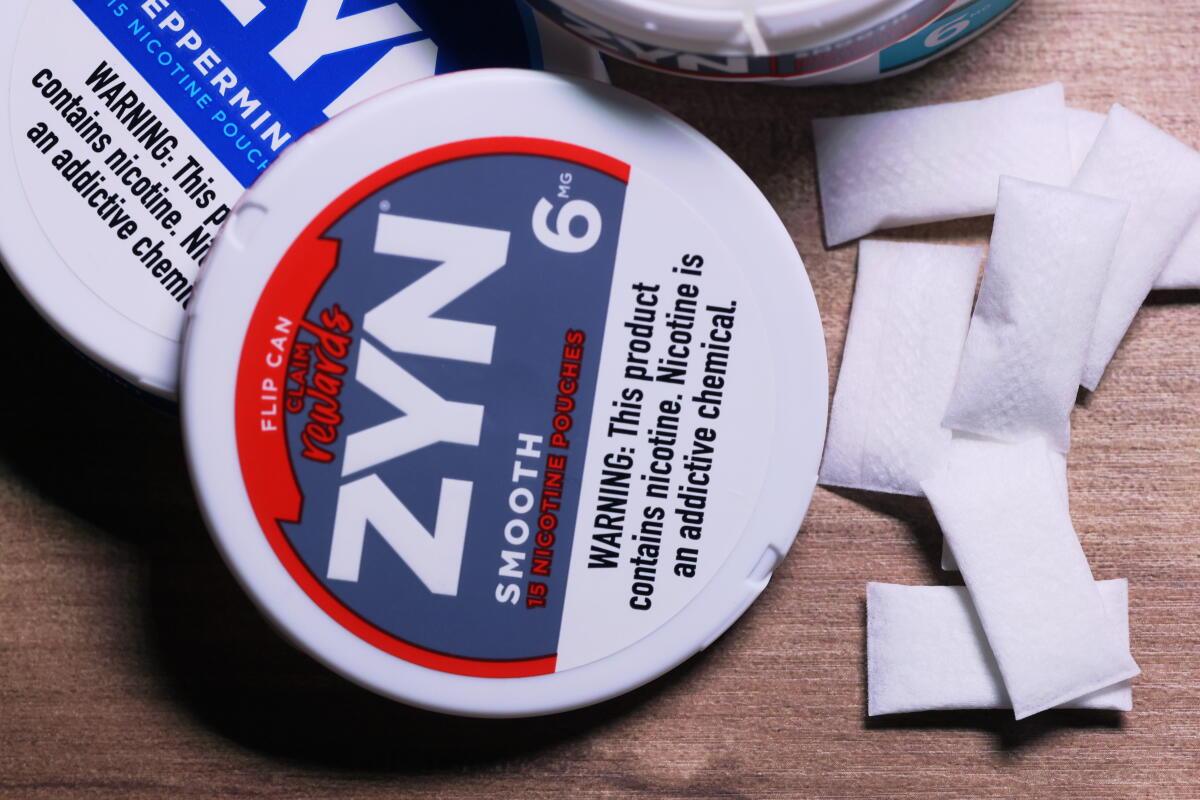
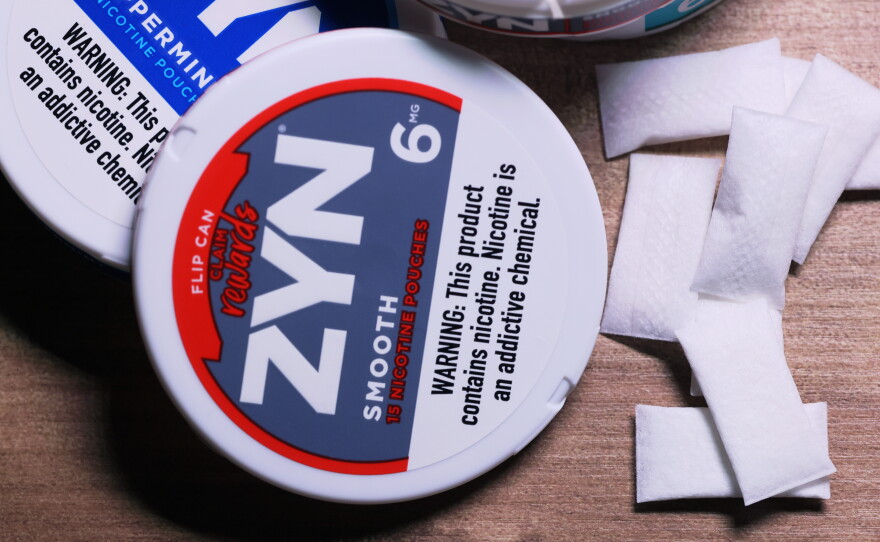
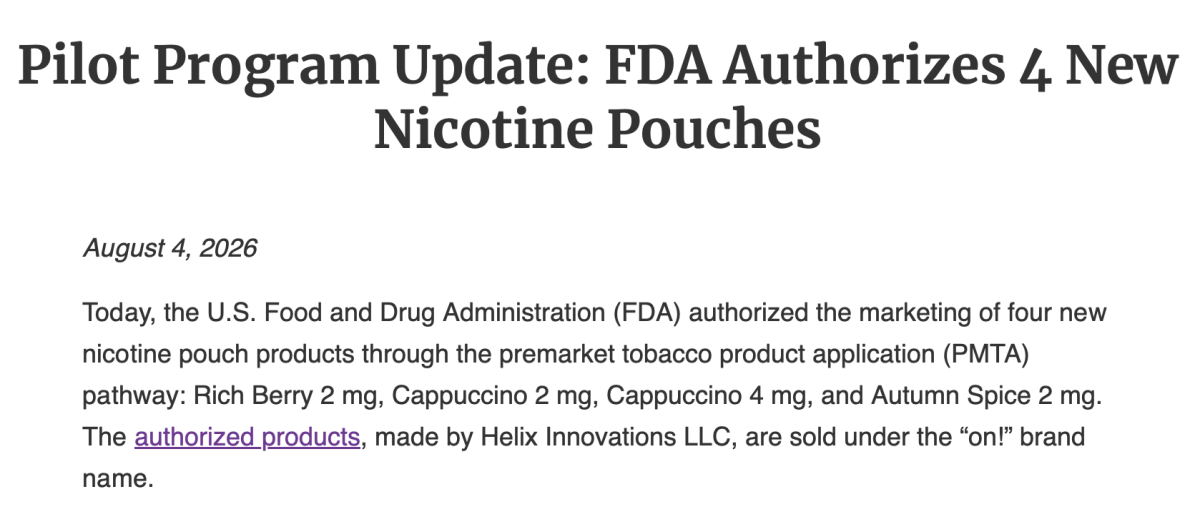
The FDA's authorization of 30 nicotine pouch products, including Philip Morris International's Zyn with "Modified Risk Tobacco Product" (MRTP) designation, represents a critical regulatory inflection point for e-commerce sellers. The agency's June 2026 approval of Zyn and subsequent August 2026 authorization of four flavored variants from Helix Innovations (Rich Berry, Cappuccino, Autumn Spice) under a streamlined tobacco review pilot program (launched September 2025) creates a two-tier compliance landscape: FDA-approved products with marketing rights versus non-compliant alternatives facing removal.
This regulatory expansion creates substantial compliance barriers that protect authorized sellers while eliminating non-compliant competitors. The Modified Risk designation pathway requires extensive premarket testing, constituent analysis, and postmarket surveillance (5-year monitoring requirement). Estimated compliance costs for MRTP applications range $2-5M+ with 18-36 month approval timelines—effectively creating a moat that only large manufacturers (Philip Morris, Helix Innovations) can afford. For third-party sellers on Amazon, eBay, and Shopify, this means: (1) only FDA-approved SKUs can be legally listed; (2) marketing claims must align with FDA authorization language; (3) age-verification systems become mandatory (federal minimum age 21 enforcement); (4) non-compliant inventory faces removal and potential account suspension.
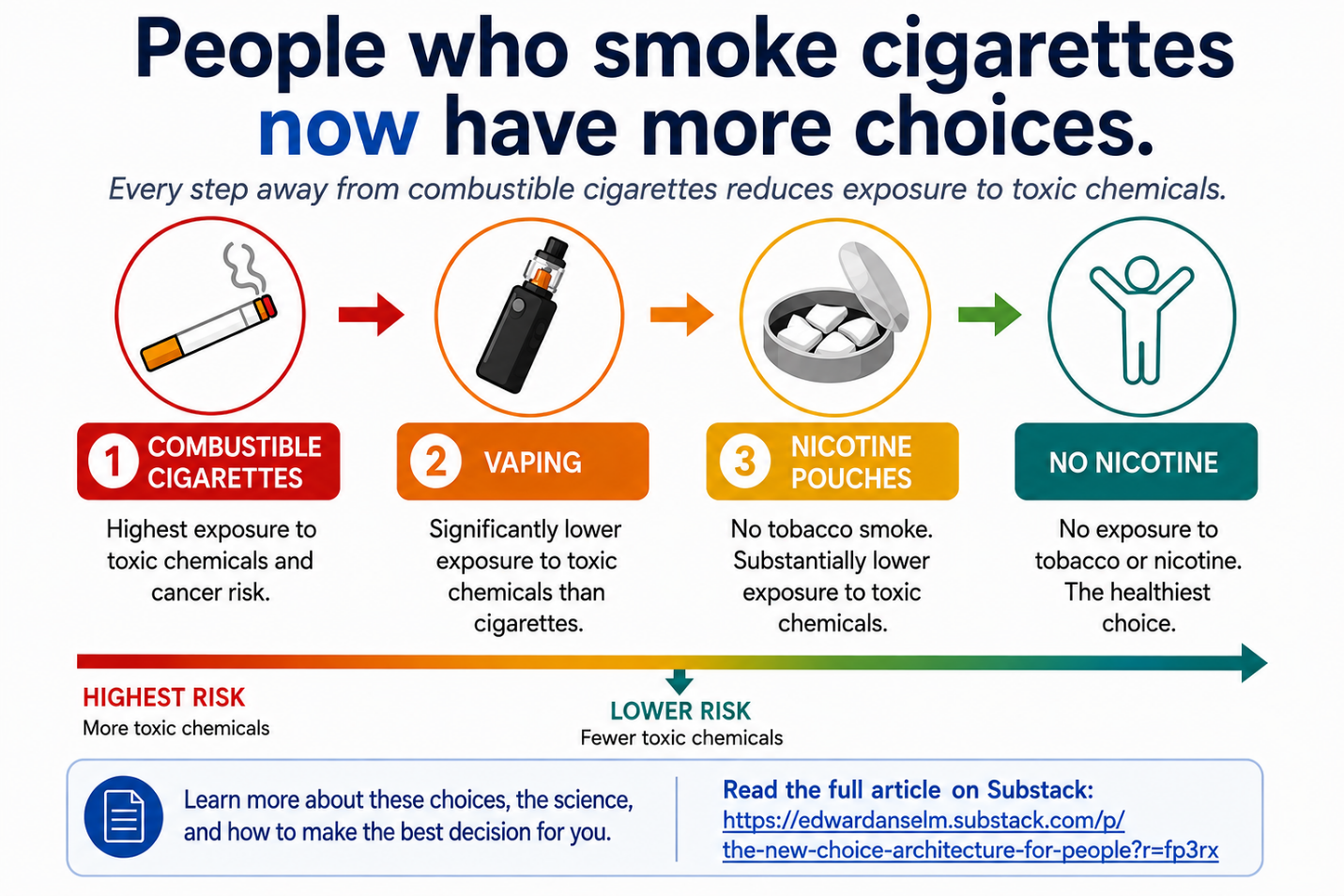
The market's explosive 250% sales growth (January 2023 to August 2025) combined with youth adoption concerns (460,000 middle/high school users; 90% selecting flavored varieties) signals regulatory risk escalation. The Department of Health and Human Services' reaffirmed commitment to youth access prevention, coupled with 16 international bans (reflecting regulatory backlash), creates a scenario where FDA authorization could be withdrawn if youth adoption metrics worsen. This regulatory volatility makes inventory investment risky for sellers without direct manufacturer relationships. The Trump administration's pro-tobacco stance (evidenced by RAI Services' $10M+ campaign contribution and PMI's $1.2B Aurora facility investment) suggests 2-3 year window of regulatory stability, but policy reversal risk remains material post-2026.
For cross-border sellers, geographic compliance fragmentation presents acute challenges. The 16 countries with bans (likely including EU, UK, Canada based on health authority positions) eliminate export opportunities for non-compliant products. Sellers must maintain separate inventory strategies: US-focused (FDA-approved only), EU-restricted (likely banned entirely), and emerging markets (minimal enforcement). This geographic arbitrage eliminates the traditional cross-border seller advantage of single-SKU global distribution.
Questions 8
Which nicotine pouch products are FDA-approved and safe to list in 2026?
As of August 2026, 30 FDA-approved products exist: Zyn variants (Philip Morris International) with Modified Risk designation, and four Helix Innovations products (Rich Berry 2mg, Cappuccino 2mg/4mg, Autumn Spice 2mg). Only list products explicitly mentioned in FDA authorization announcements. Verify each SKU's approval status via FDA's tobacco product listing database before listing. Do not assume similar products from the same manufacturer are approved; each flavor/nicotine strength requires separate authorization. Maintain current documentation (FDA approval letters, constituent analysis reports) in seller account records for compliance audits.
Can I sell nicotine pouches internationally or through cross-border platforms?
No. Sixteen countries have already banned nicotine pouch sales, likely including EU, UK, Canada, and Australia. Cross-border platforms (Amazon EU, eBay UK, Shopify international) prohibit nicotine pouch listings in these markets. US-only sales are the only viable strategy. Sellers attempting international shipment face customs seizure, account suspension, and potential legal liability. Geographic arbitrage (buying low in US, selling high in restricted markets) is not viable. Focus inventory and marketing exclusively on US domestic sales; verify each platform's geographic restrictions before listing.