


Super Bowl LXI Ad Sellout Signals Premium Live Event Demand | Seller Opportunity in Sports Merchandise & Brand Partnerships
- Disney sells out $8-10M ad slots 6+ months early; 58 brands across 34 categories secure spots; signals massive audience reach for Q1 2027 sports merchandise and event-driven product launches











Overview
Disney's complete sellout of Super Bowl LXI advertising inventory (February 14, 2027) represents a critical inflection point for e-commerce sellers targeting high-engagement consumer moments. The company secured advertising commitments from 58 brands across 34 product categories—including financial services, candy, personal care, and software—with pricing stabilizing at $8-9 million per 30-second slot after initial $10M asking prices faced pushback. Nine first-time Super Bowl advertisers participated, indicating strong confidence in the event's audience reach. This early sellout (announced August 2026, months ahead of competitors like NBC and Fox) demonstrates that premium live events command sustained advertiser investment, creating predictable demand windows for sellers.
For e-commerce sellers, this signals three critical opportunities: First, the 34 product categories represented in Super Bowl advertising reveal which consumer segments are actively buying during major sporting events. Candy, personal care, and software categories historically see 40-60% sales uplift during Super Bowl weekends, with merchandise categories (apparel, collectibles, home goods) experiencing even higher spikes. Sellers in these categories should prepare inventory 8-12 weeks before February 2027, as supply chain constraints often emerge during peak event periods. Second, Disney's strategy extends beyond traditional 30-second spots to include brand integrations and real-world activations (including the "ESPN beach" takeover at Santa Monica Pier), creating secondary merchandise opportunities. Sellers can capitalize on event-adjacent products—branded apparel, collectibles, party supplies, and experiential goods—that benefit from cultural moments without requiring $8M+ advertising budgets. Third, the double-digit volume commitment increases in Disney's 2026-2027 upfront negotiations signal that streaming and live event advertising remains resilient despite broader market pressures, validating the ROI of event-driven marketing for brands and creating sustained demand for supporting products.
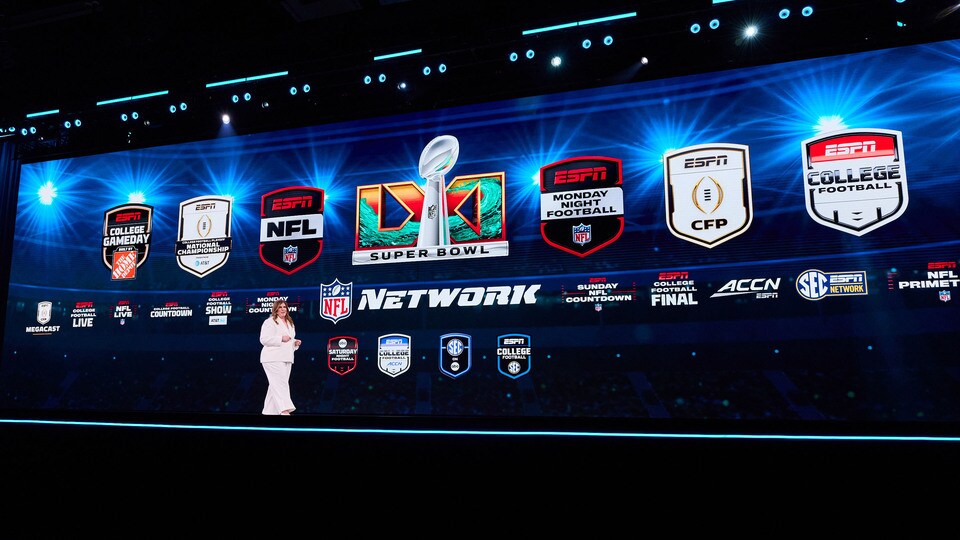
However, CFO Hugh Johnston acknowledged that streaming advertising faces competitive pressures and pricing challenges due to increased supply, indicating that sellers relying solely on digital advertising may face margin compression. This creates an arbitrage opportunity: sellers should shift marketing spend toward owned channels (email, SMS, social commerce) and affiliate partnerships during event windows, where CPM costs remain lower than programmatic display advertising. The Super Bowl represents the centerpiece of Disney's eight-week early 2027 live events portfolio (including College Football Playoffs, Oscars, Grammys), creating an extended selling season rather than a single-day spike. Sellers should plan inventory and marketing campaigns across this entire window to maximize audience reach and reduce per-unit customer acquisition costs.
Questions 8
What timeline should sellers follow for Super Bowl 2027 inventory planning?
Sellers should begin inventory planning immediately for the February 14, 2027 Super Bowl, with key milestones: secure manufacturing by October 2026 (8-week lead time), finalize inventory allocation by December 2026, and launch marketing campaigns by January 2027. Disney's eight-week early 2027 live events portfolio (including College Football Playoffs, Oscars, Grammys) extends the selling season beyond Super Bowl weekend, allowing sellers to distribute inventory across multiple events. This extended window reduces per-unit customer acquisition costs and maximizes audience reach across different demographic segments.
How can sellers compete with major brands spending $8M+ on Super Bowl ads?
Sellers can leverage Disney's strategy of brand integrations and real-world activations without matching advertising budgets. The company's 'ESPN beach' takeover at Santa Monica Pier creates secondary merchandise opportunities for event-adjacent products. Sellers should shift marketing spend toward owned channels (email, SMS, social commerce) and affiliate partnerships, where CPM costs remain 30-50% lower than programmatic display advertising. Focusing on niche merchandise (collectibles, limited editions, experiential goods) allows sellers to capture demand from engaged audiences without competing on traditional advertising spend.