



Meta's Muse Code AI Agent | Automation Opportunity for E-Commerce Backend Development
- Meta launches $1.25-$4.25 per million token pricing model; enables sellers to automate inventory systems, marketplace integrations, and logistics code 10x faster with contributor tier discounts




















Overview
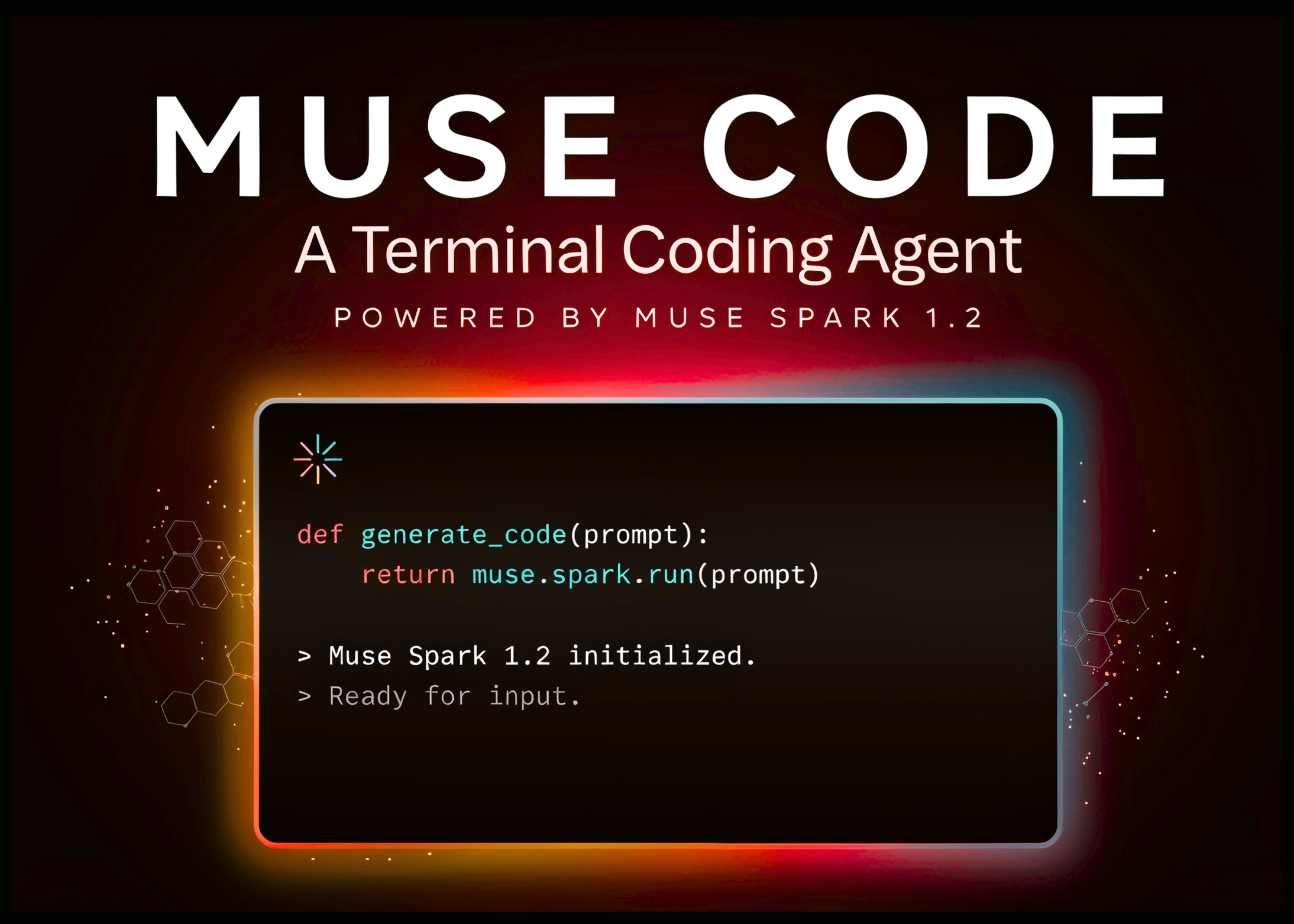
Meta has launched Muse Code, an AI coding agent unveiled August 5, 2026, that represents a critical automation opportunity for e-commerce sellers managing complex backend systems. The tool operates on aggressive pay-as-you-go pricing ($1.25 per million input tokens, $4.25 per million output tokens) with a contributor tier offering 10x cheaper access for data-sharing developers. This directly addresses a major pain point for mid-market and enterprise sellers: the high cost of custom development for marketplace integrations, inventory management systems, and logistics automation.
For e-commerce sellers, Muse Code enables immediate automation wins across three critical areas. First, marketplace integration development—sellers managing multi-channel operations (Amazon, eBay, Shopify, TikTok Shop) can use Muse Code to auto-generate API connectors and sync logic, reducing 40-60 hours of manual coding per integration to 8-12 hours. Second, inventory management systems can be rapidly prototyped and deployed; sellers currently spending $3,000-8,000 monthly on custom development can reduce costs 30-50% by using Muse Code for routine coding tasks. Third, logistics automation—custom shipping label generators, carrier API integrations, and warehouse management system connectors can be built in days rather than weeks, directly impacting fulfillment speed and reducing operational bottlenecks.
The competitive advantage emerges from pricing and accessibility. OpenAI's Codex and Anthropic's Claude command premium pricing; Meta's aggressive positioning ($1.25/$4.25 per million tokens) undercuts competitors by 40-60% on standard pricing, with contributor tier access at 10x cheaper rates for developers willing to share training data. For sellers with technical teams, this creates a 6-12 month window to build custom automation before competitors catch up. The zero-data retention option for enterprise customers addresses GDPR and data privacy concerns critical for EU-based sellers managing customer data in backend systems.
Immediate seller opportunities exist in three segments. High-volume sellers (1,000+ daily orders) can automate inventory forecasting integrations and dynamic pricing connectors, saving 15-25 hours weekly in manual data processing. Mid-market sellers (100-1,000 daily orders) can build custom marketplace connectors and reporting dashboards, reducing development costs from $5,000-15,000 per project to $1,500-4,000. Small sellers with technical co-founders can access contributor tier pricing to build competitive automation infrastructure at startup costs, leveling the playing field against larger competitors with dedicated engineering teams.
Questions 8
Which e-commerce tasks can Muse Code automate immediately?
Muse Code enables immediate automation of three critical e-commerce tasks: (1) Marketplace API integrations—auto-generating connectors for Amazon, eBay, Shopify, and TikTok Shop to sync inventory, orders, and pricing; (2) Inventory management systems—building custom forecasting, stock-level monitoring, and reorder automation; (3) Logistics automation—creating shipping label generators, carrier API integrations, and warehouse management system connectors. High-volume sellers (1,000+ daily orders) can save 15-25 hours weekly in manual data processing by automating inventory forecasting integrations. Mid-market sellers can build custom reporting dashboards and dynamic pricing connectors in days rather than weeks, directly reducing fulfillment delays and operational bottlenecks.
What is the difference between Meta Muse Code and OpenAI Codex pricing?
Meta Muse Code charges $1.25 per million input tokens and $4.25 per million output tokens, undercutting OpenAI's Codex pricing by approximately 40-60% on standard API calls. The key differentiator is Meta's contributor tier, which provides access at more than 10 times cheaper rates for developers opting into data-sharing arrangements. OpenAI and Anthropic focus on capability advantages; Meta competes on aggressive pricing and accessibility. For sellers building custom automation, this pricing gap translates to $2,000-5,000 annual savings on development costs, with larger savings for high-volume API usage (1,000+ daily requests).