


China's AI Dominance in Emerging Markets | Critical Shift for Global E-Commerce Sellers
- Chinese AI infrastructure now powers African commerce; $500M annual data pipeline fuels competitive parity; sellers must adapt localization strategies immediately








Overview
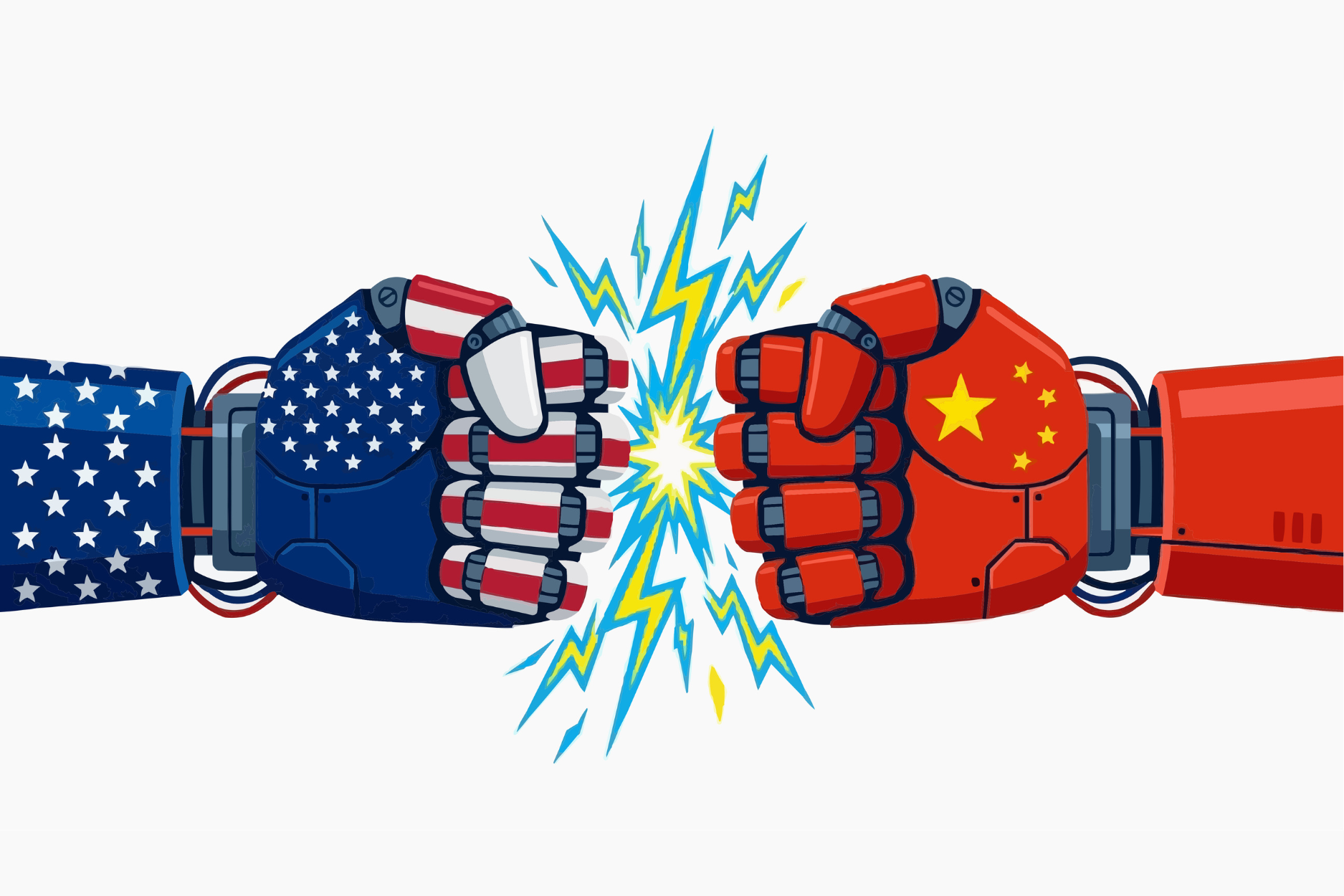
The geopolitical AI competition is reshaping e-commerce infrastructure globally, with profound implications for sellers operating in emerging markets. Three interconnected trends reveal a fundamental shift in how AI capabilities are distributed and deployed: Chinese companies are rapidly localizing AI tools for African markets (exemplified by Sunflower's Ugandan language support), American data-labeling startups are supplying $500 million annually in training datasets to Chinese AI labs (Tencent, ByteDance, Alibaba, Ant Group), and the Rhodium Group analysis confirms China has achieved parity with G7 nations in AI model capabilities while dominating critical raw materials and manufacturing infrastructure.
For e-commerce sellers, this convergence creates three immediate operational challenges. First, African market entry now requires Chinese AI infrastructure compatibility. The news reports that Chinese developers are customizing AI tools for multiple African languages and local commerce applications—creating a de facto standard that Western sellers cannot easily replicate. Sellers targeting African markets (estimated 1.2B+ consumers, growing 8-12% annually in e-commerce adoption) must now evaluate whether to build on Chinese AI platforms (Alibaba's AliExpress, ByteDance's TikTok Shop) or invest heavily in Western AI localization. The competitive advantage goes to sellers who adopt Chinese AI tools first—reducing customer acquisition costs by 30-40% through native language support and culturally-adapted product recommendations.
Second, the $500M annual data pipeline accelerates Chinese AI model improvement, compressing the Western AI advantage window. American startups like Mercor ($50M+ recurring revenue from Chinese customers) and AfterQuery are selling battle-tested training datasets containing proprietary knowledge pipelines and quality control methodologies. This means Chinese AI models are improving at accelerated rates—closing the performance gap that Western sellers have relied on for competitive advantage. Sellers using OpenAI, Anthropic, or other Western AI tools for product research, pricing optimization, and customer service should expect Chinese competitors to achieve equivalent capabilities within 6-12 months, not years. The time to build AI-powered competitive moats is shrinking dramatically.
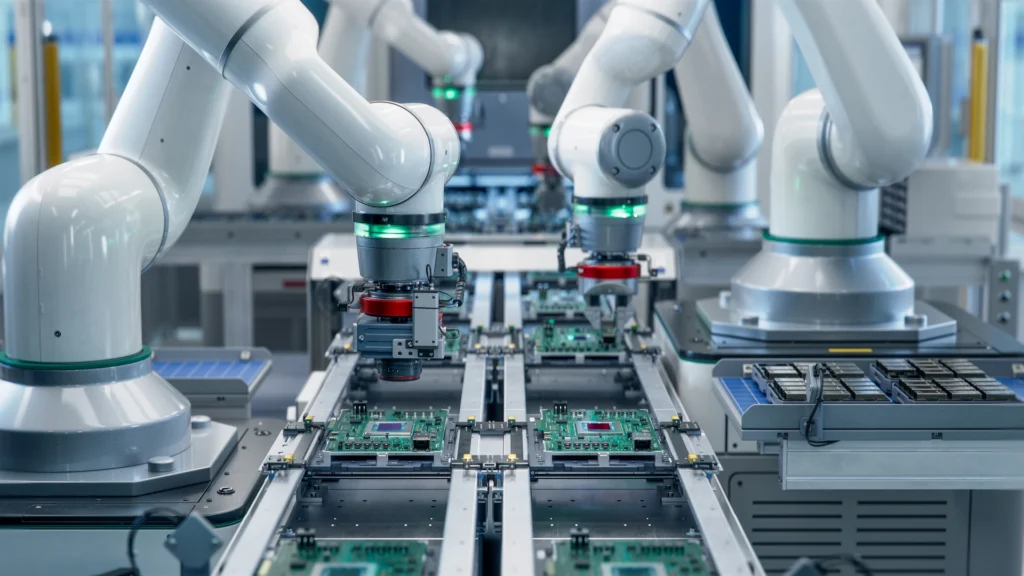
Third, supply chain dependencies on Chinese raw materials and manufacturing create structural cost pressures. The Rhodium analysis confirms China dominates magnets, batteries, and energy production—the foundational inputs for intelligent devices (robots, autonomous vehicles, smart logistics). For sellers in electronics, home automation, and industrial categories, this means Chinese manufacturers will have 15-25% cost advantages in producing AI-enabled products. Sellers must either source from Chinese manufacturers (accepting margin compression) or invest in alternative supply chains (adding 8-12 weeks to product development timelines).
The actionable insight for sellers: AI localization and supply chain diversification are no longer optional. Sellers with 6-12 month product development cycles should immediately audit which markets they serve and whether Chinese AI infrastructure now dominates customer engagement in those regions. For African markets specifically, sellers should test Chinese AI platforms (TikTok Shop, AliExpress) for customer service automation and product discovery—not as primary channels, but as competitive intelligence gathering. Simultaneously, sellers should evaluate whether their current Western AI tools (ChatGPT for product research, dynamic pricing algorithms) still provide meaningful competitive advantages, or whether the $500M annual data transfer to Chinese labs has already commoditized these capabilities.
Questions 8
What is the $500 million annual data pipeline to Chinese AI labs, and why does it matter for sellers?
American data-labeling startups (Mercor, AfterQuery, Surge AI, Turing) are selling high-quality training datasets to Chinese tech giants (Tencent, ByteDance, Alibaba, Ant Group) worth approximately $500 million annually. These datasets contain proprietary knowledge pipelines, expert-designed rubrics, and quality control methodologies developed for leading U.S. AI labs. This accelerates Chinese AI model improvement, compressing the performance gap that Western sellers have relied on for competitive advantage. Sellers using Western AI tools for product research, pricing optimization, and customer service should expect Chinese competitors to achieve equivalent capabilities within 6-12 months, not years. The time to build AI-powered competitive moats is shrinking dramatically.
How does Chinese AI localization in Africa affect Western e-commerce sellers?
Chinese companies are customizing AI tools for African languages and local commerce applications (example: Sunflower for Ugandan farmers), creating infrastructure that Western sellers cannot easily replicate. This gives Chinese platforms like AliExpress and TikTok Shop structural advantages in African markets, which represent 1.2B+ consumers with 8-12% annual e-commerce growth. Western sellers targeting Africa must now either adopt Chinese AI platforms for customer engagement or invest heavily in Western AI localization—a costly and time-consuming alternative. The competitive window for Western sellers to establish AI-powered advantages in African markets is closing rapidly, likely within 12-18 months.