


AMD AI Data Center Boom Reshapes Tech Supply Chain | Seller Pricing & Inventory Strategy Guide
- AMD Q2 2026 revenue surges 50% YoY ($11.54B) with 107% data center growth; Q3 guidance $13B signals sustained AI infrastructure demand through 2027, directly impacting component costs and availability for electronics sellers








Overview
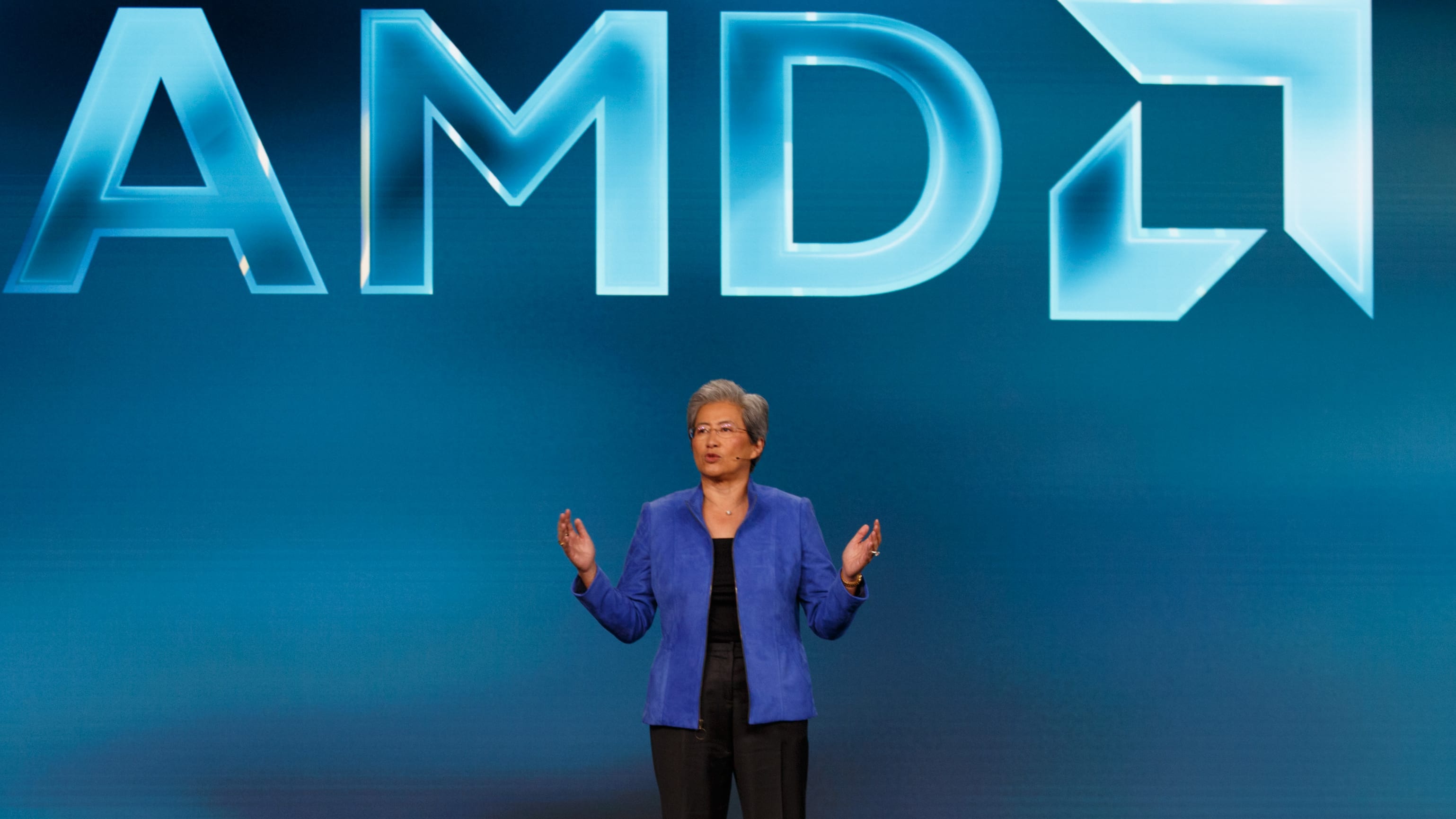
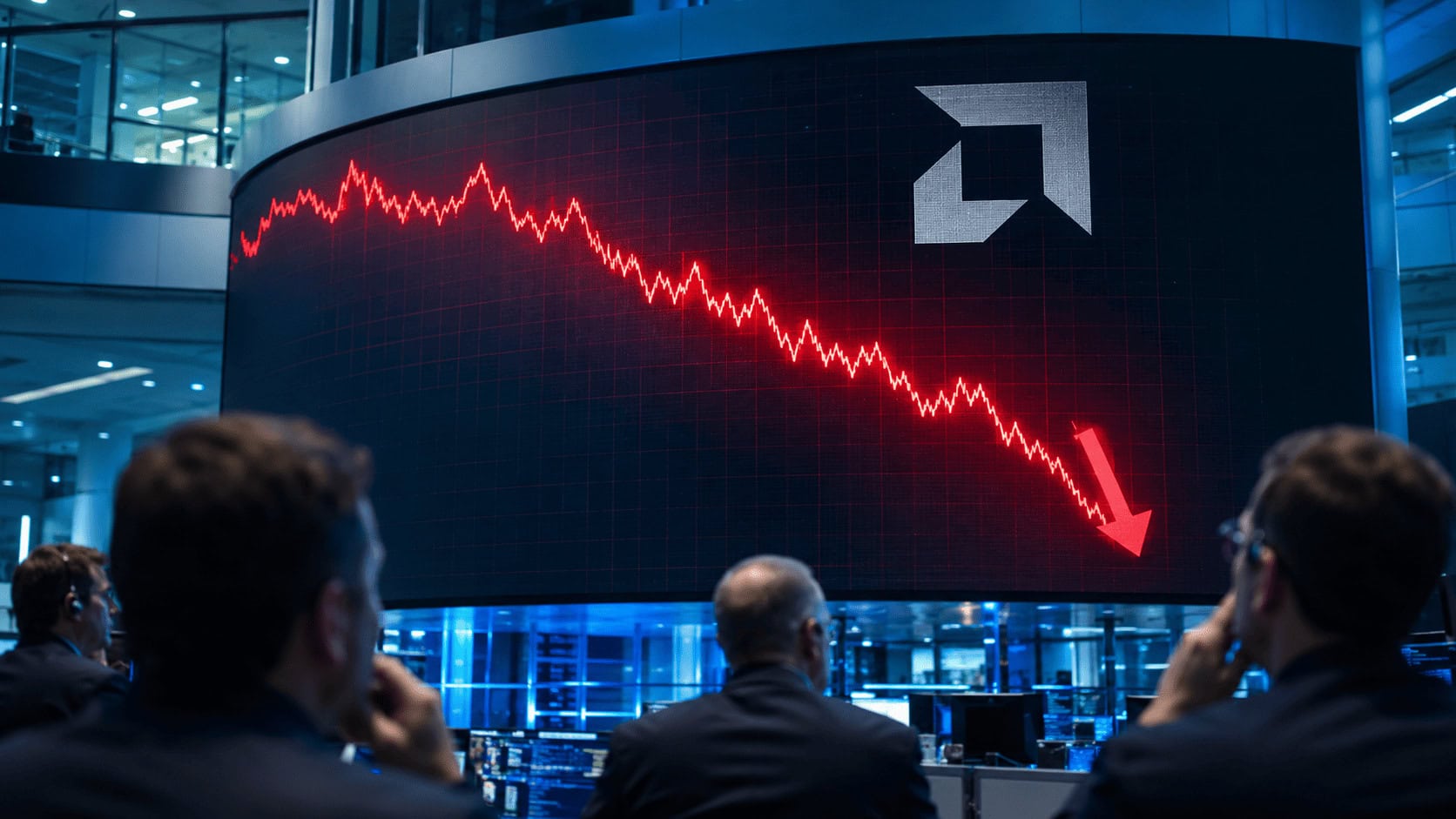
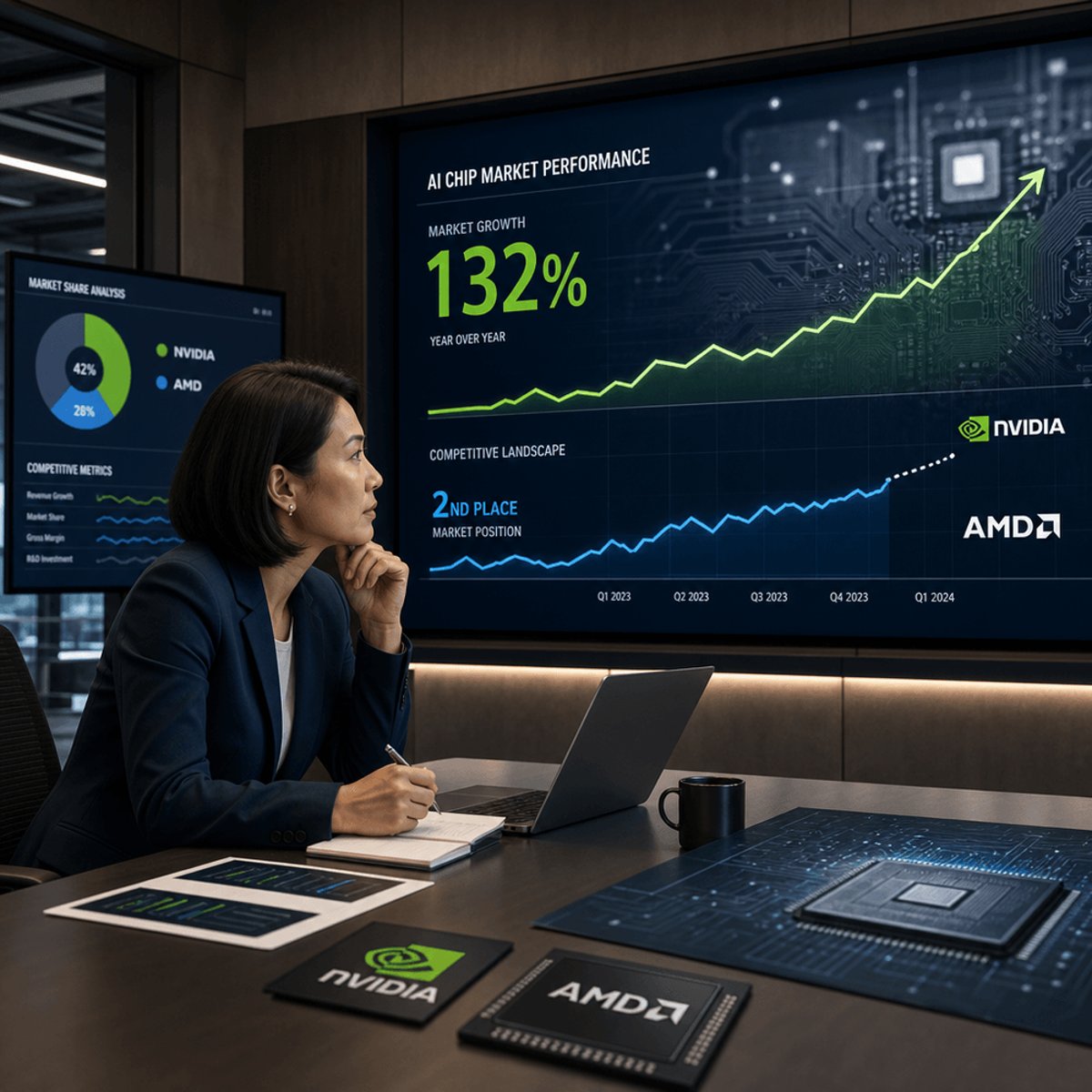
AMD's exceptional Q2 2026 earnings reveal a critical inflection point for e-commerce sellers in the technology and electronics categories. The company reported $11.54 billion in revenue (50% YoY growth) driven by a 107% surge in data center sales, with Q3 guidance of $13 billion (41% YoY growth) signaling sustained AI infrastructure investment through 2027. CEO Lisa Su stated AMD is "tracking materially ahead" of its long-term financial model and characterized the company as being in the "early innings of a multi-year AI adoption cycle." However, the market's muted reception—shares fell 9% in after-hours trading despite beating guidance—reveals a critical disconnect: investor expectations now demand accelerated AI growth beyond current projections, creating supply chain volatility that directly impacts sellers sourcing computer hardware, servers, networking equipment, and related components.
For cross-border e-commerce sellers, this earnings cycle presents both immediate risks and strategic opportunities. AMD's transition from selling individual chips to integrated AI systems (combining MI500 GPUs, Verano CPUs, and Pensando networking) signals a fundamental shift in how semiconductor supply reaches the market. The company's major infrastructure agreements—including a multi-billion-dollar deal with Anthropic for MI450-powered servers and 2.5 gigawatts of data-center capacity through Core Scientific—indicate that enterprise-scale AI buildout is now shifting from speculative investment to sustainable business models. This means component availability will increasingly depend on hyperscaler demand (Amazon, Microsoft, SpaceX) rather than consumer electronics cycles. Sellers must recognize that semiconductor supply chain dynamics now operate on a 12-18 month lag: today's data center orders determine Q3-Q4 2026 component availability and pricing for consumer electronics. The news explicitly warns that "semiconductor supply chain dynamics directly impact product costs, shipping timelines, and inventory management for sellers sourcing computer hardware, servers, and related equipment," with the AMD guidance miss potentially triggering "inventory adjustments across distribution channels."
The competitive intelligence angle reveals AI-powered pricing and inventory automation opportunities for sellers. AMD's gross margin guidance of 56% (aligned with analyst estimates) combined with its 247% above-median near-term EPS growth indicates the company is capturing pricing power in AI infrastructure. Sellers can use this data to predict component cost trajectories: when semiconductor companies maintain or expand margins despite competitive pressure (AMD vs. NVIDIA), it signals sustained pricing power that will flow downstream to component suppliers and ultimately to sellers. Real-time monitoring of AMD earnings revisions (41 upward vs. 3 downward in past 90 days) provides a leading indicator for component cost inflation 6-8 weeks ahead of actual price increases. Sellers using AI-powered competitive intelligence tools can now automate tracking of semiconductor earnings calendars, guidance changes, and gross margin trends to predict component cost movements before competitors react. This creates a 4-6 week window to adjust pricing, lock in supplier contracts, or shift inventory allocation—a competitive advantage worth 2-5% margin improvement for electronics sellers managing 500+ SKUs.
Questions 8
How does AMD's 50% revenue growth and 107% data center surge impact component pricing for electronics sellers?
AMD's exceptional Q2 2026 growth (revenue $11.54B, data center sales +107% YoY) signals sustained demand for AI infrastructure through 2027, which typically leads to component cost increases 6-8 weeks after earnings announcements. The company's 56% gross margin guidance indicates AMD is maintaining pricing power despite competitive pressure from NVIDIA and Intel. For sellers sourcing CPUs, GPUs, and networking equipment, this means component costs will likely increase 3-8% in Q3-Q4 2026 as hyperscalers (Amazon, Microsoft, SpaceX) lock in supply. Sellers should monitor AMD's quarterly earnings revisions (currently 41 upward vs. 3 downward) as a leading indicator for cost inflation and adjust pricing strategies accordingly before competitors react.
What does AMD's transition to integrated AI systems mean for sellers sourcing individual components?
AMD is shifting from selling individual chips to complete AI systems combining MI500 GPUs, Verano CPUs, and Pensando networking—a strategy that mirrors NVIDIA's rack-scale approach. This consolidation means component availability will increasingly depend on hyperscaler demand rather than consumer electronics cycles. Sellers relying on individual component sourcing may face longer lead times (12-18 months) as AMD prioritizes enterprise contracts like the multi-billion-dollar Anthropic deal and 2.5 gigawatt Core Scientific agreement. Sellers should diversify supplier relationships and consider sourcing from second-tier semiconductor companies (On Semiconductor, which raised AI data center guidance to 2x growth) to maintain inventory flexibility and avoid single-supplier dependency.