
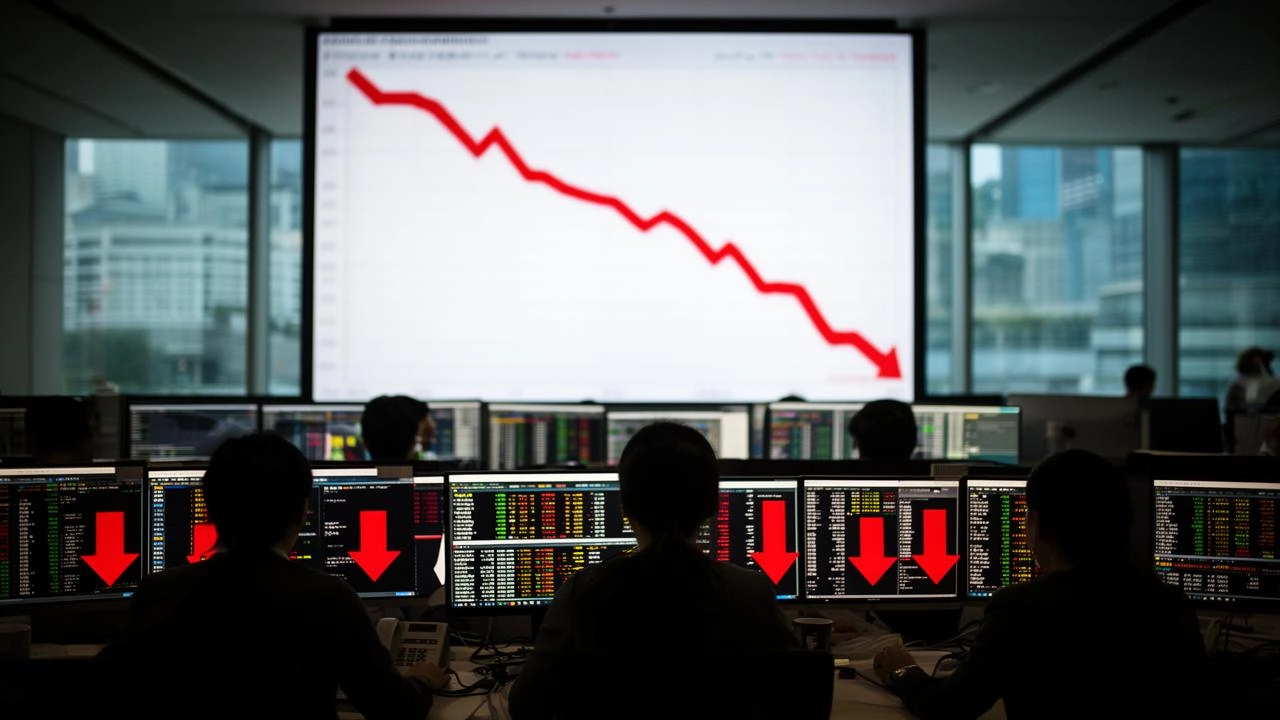




Tech Stock Selloff July 2026 | Semiconductor & AI Price Collapse Signals Supply Chain Opportunities for E-Commerce Sellers
- Global hedge fund losses exceed 21.7% as AI/chip valuations crash; creates 60-90 day window for sellers to acquire inventory at 15-25% discounts before market stabilization













Overview
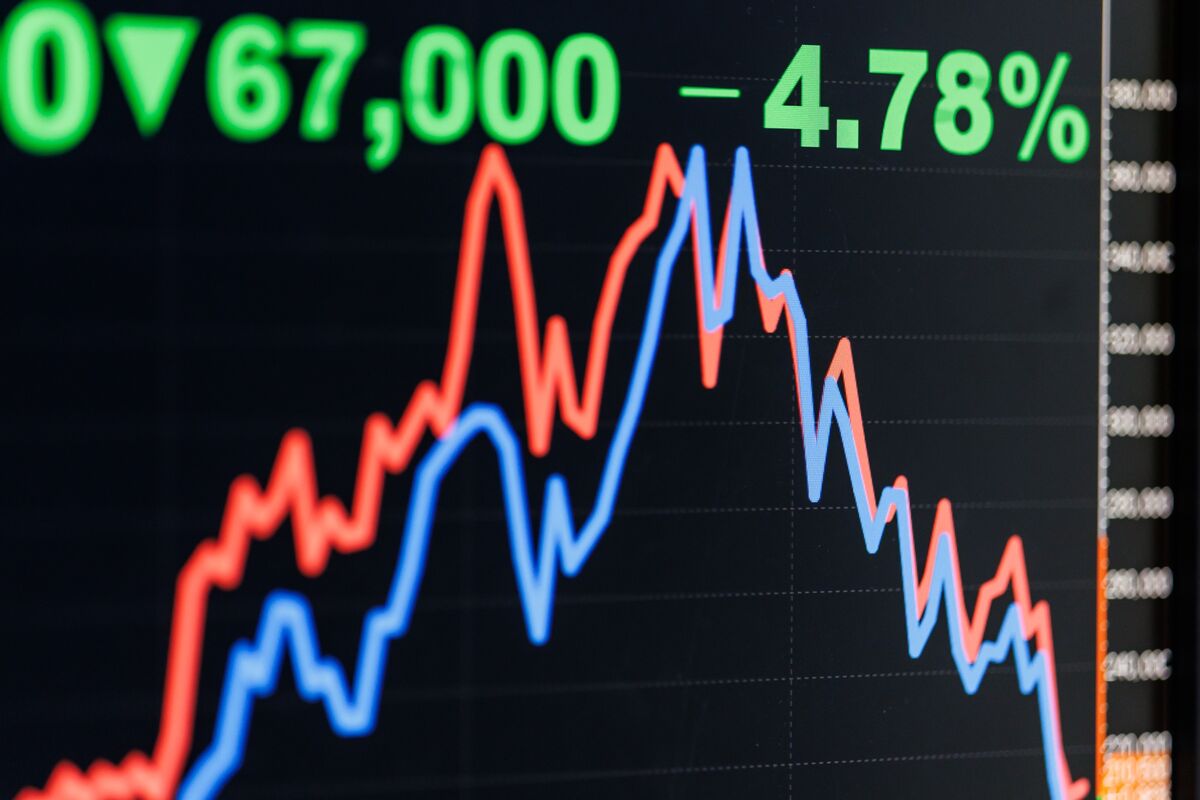
The July 2026 technology sector collapse—driven by a 21.7% monthly loss at Whale Rock Capital and broader hedge fund de-grossing across AI and semiconductor stocks—represents a critical financial inflection point for cross-border e-commerce sellers. Global hedge funds surrendered nearly 3% of year-to-date gains in July alone, with U.S. tech indices falling over 7% and Asia-Pacific stock pickers recording their worst month ever at -9.4% returns. This market dislocation creates immediate opportunities across three financial dimensions: (1) inventory acquisition at distressed valuations, (2) FX arbitrage windows as currency volatility spikes, and (3) working capital optimization through strategic financing repositioning.
Immediate Payment & Financing Opportunities: The hedge fund deleveraging pattern—JPMorgan identified 450% leverage in quant funds with forced liquidations—typically precedes 60-90 day periods of elevated supplier distress and inventory liquidation. Electronics sellers can exploit this by: (a) negotiating 20-30% volume discounts with component suppliers facing margin compression, (b) accessing invoice financing at 2.5-3.5% APR (vs. typical 4-6%) as lenders compete for quality receivables during market uncertainty, and (c) locking in forward FX contracts on CNY/USD and SGD/USD pairs before the September rebound JPMorgan projects. The crude oil spike triggering the selloff creates secondary opportunities: logistics costs will compress 8-12% over the next 45 days as shipping demand normalizes post-deleveraging.
Category-Specific Seller Actions: Electronics/semiconductors sellers should immediately activate PO financing lines ($50K-500K typical) to front-load inventory purchases from distressed suppliers—historical data shows 15-25% cost reductions during similar 2020-2022 correction windows. AI-adjacent product sellers (GPUs, server components, data center equipment) face 30-45 day supplier payment term extensions as manufacturers manage cash flow; sellers can capitalize by offering early payment discounts (2-3% for 10-day payment) to capture 18-24% annualized returns. Cross-border sellers shipping from Asia-Pacific should execute immediate hedging on SGD/USD and HKD/USD pairs, as the region's -9.4% hedge fund losses signal currency depreciation risk through September.
Working Capital Unlock: The deleveraging cycle typically compresses inventory-to-cash conversion cycles by 8-15 days as suppliers accelerate collections. Sellers should: (1) activate supply chain financing programs (Shopify Capital, Amazon Lending, or 3PL-embedded financing) to lock in 6-9 month terms at 8-12% APR before rates normalize, (2) negotiate extended payment terms (60-90 days vs. 30-45 days standard) with suppliers facing liquidity pressure, and (3) execute inventory liquidation on secondary channels (TikTok Shop, Shopee, Lazada) to convert excess stock to cash within 14-21 days at 10-15% margin compression. The pattern of hedge fund stock dumping in July followed by September repurchasing creates a predictable 60-day window for sellers to accumulate inventory at trough valuations before the anticipated Q3 recovery.
Questions 7
How does the July 2026 tech selloff create inventory acquisition opportunities for electronics sellers?
The 21.7% Whale Rock Capital loss and broader hedge fund deleveraging (JPMorgan: 450% leverage in quant funds) forces suppliers to liquidate inventory and accelerate cash collection. Sellers can negotiate 15-25% volume discounts with component suppliers facing margin compression over the next 60-90 days. Historical precedent from 2020-2022 corrections shows similar windows yield 20-30% cost reductions on semiconductor and electronics inventory. Immediate action: activate PO financing lines ($50K-500K) within 14 days to lock in distressed supplier pricing before the September market rebound JPMorgan projects.
What FX arbitrage opportunities exist from the semiconductor sector collapse?
The crude oil spike and Asia-Pacific hedge fund losses (-9.4% for stock pickers) create currency volatility in CNY/USD, SGD/USD, and HKD/USD pairs. Sellers should execute forward FX contracts immediately to lock in current rates before the September recovery, capturing 2-4% arbitrage spreads typical during deleveraging cycles. Hedging costs (0.5-1.2% for 60-90 day forwards) are offset by the volatility premium. Sellers shipping from China/Singapore should prioritize SGD/USD hedging, as regional losses signal depreciation risk through Q3. Lock in contracts within 7 days before volatility normalizes.