




FDA Food Safety Compliance Crisis | Jalapeño Recall Exposes Supply Chain Gaps for 27-State Outbreak
- 345 confirmed Salmonella cases across 27 states force immediate compliance audits for food sellers; Coast Citrus Distributors recall triggers platform enforcement of traceability documentation and supplier verification protocols







Overview
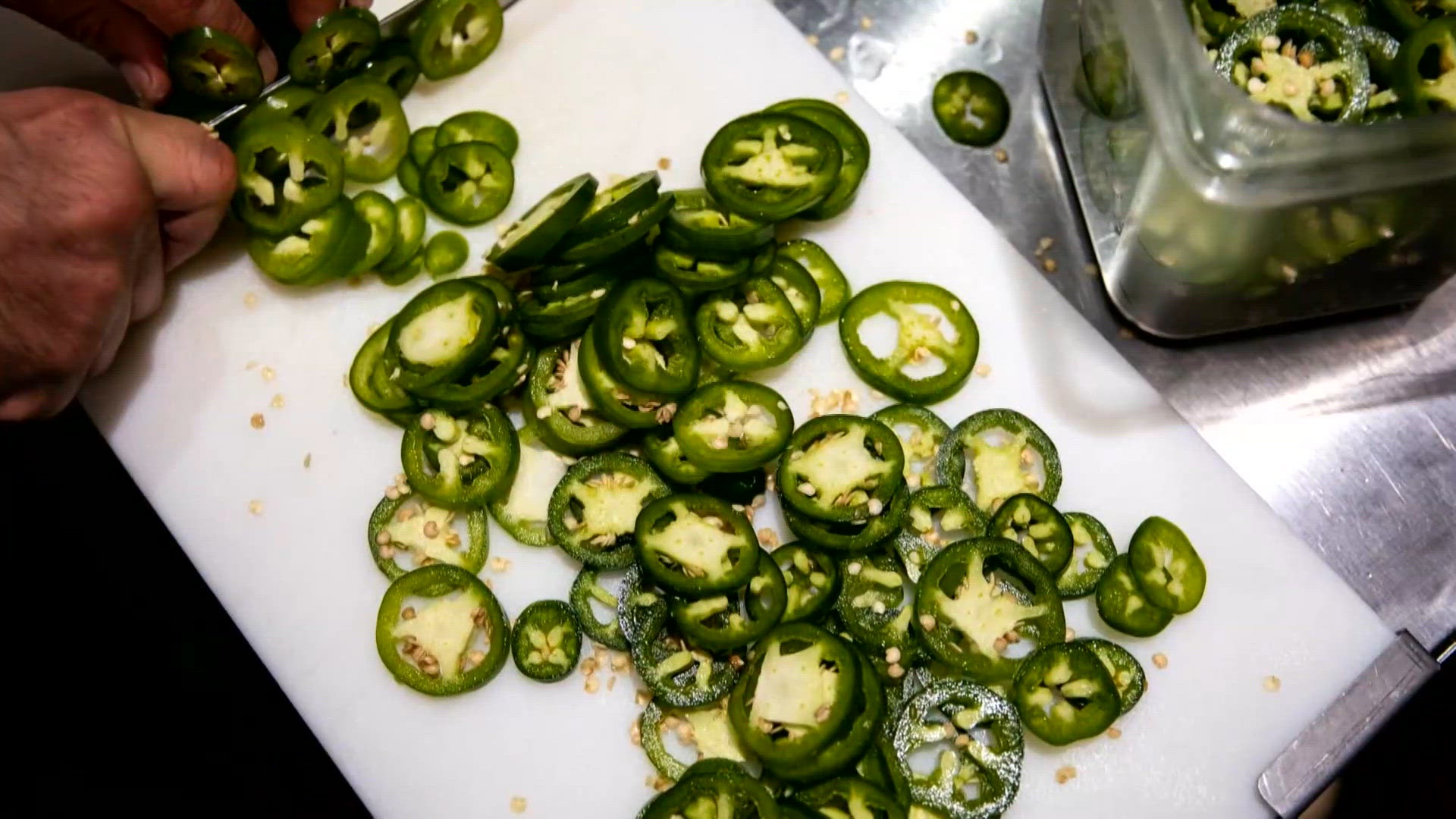
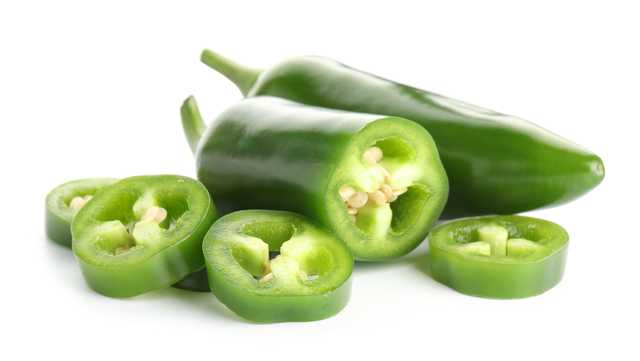
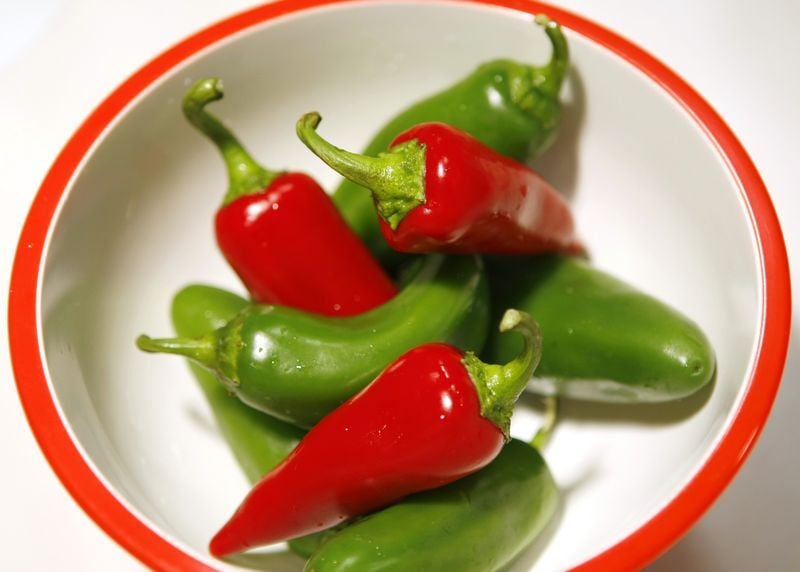
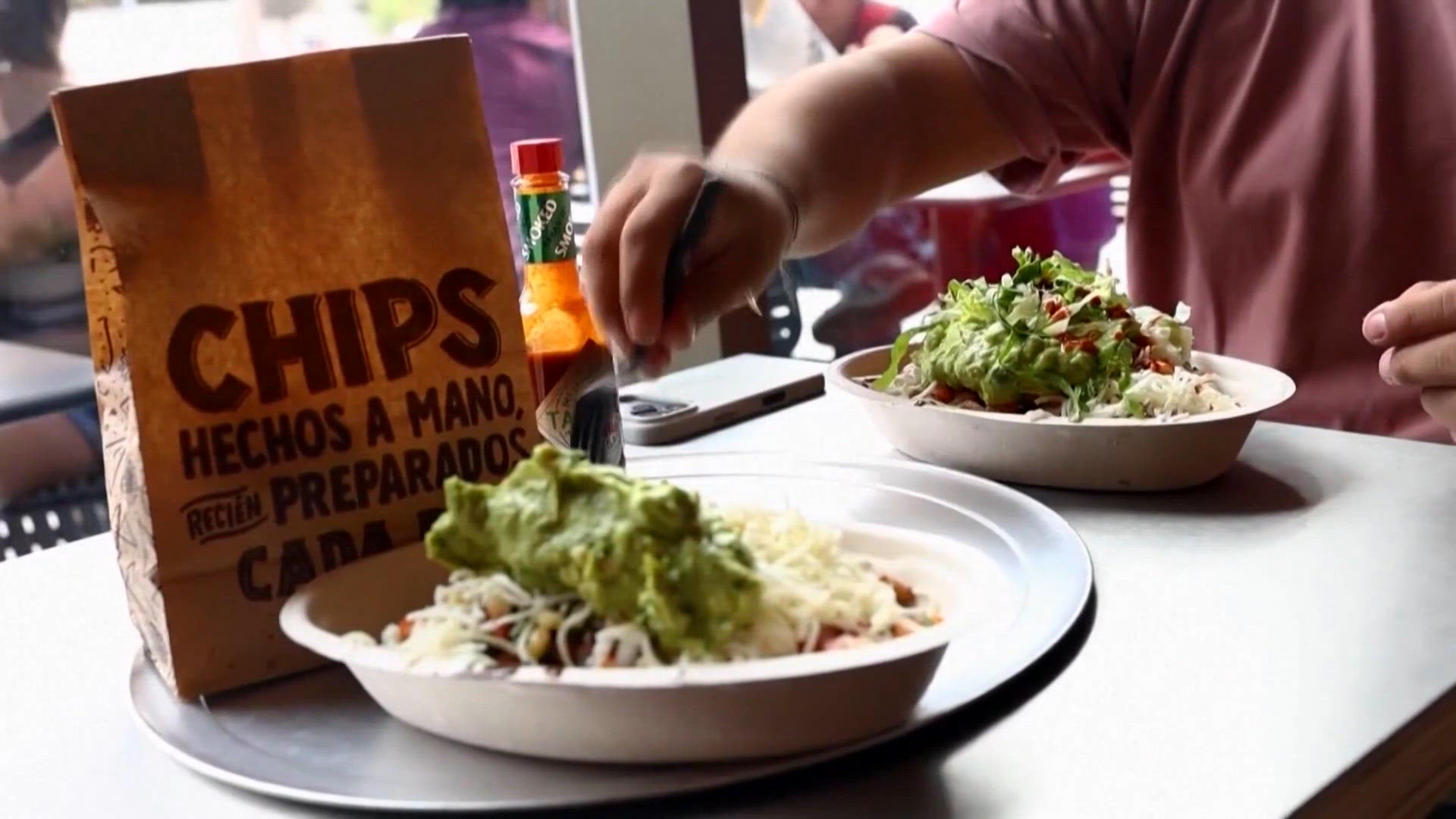
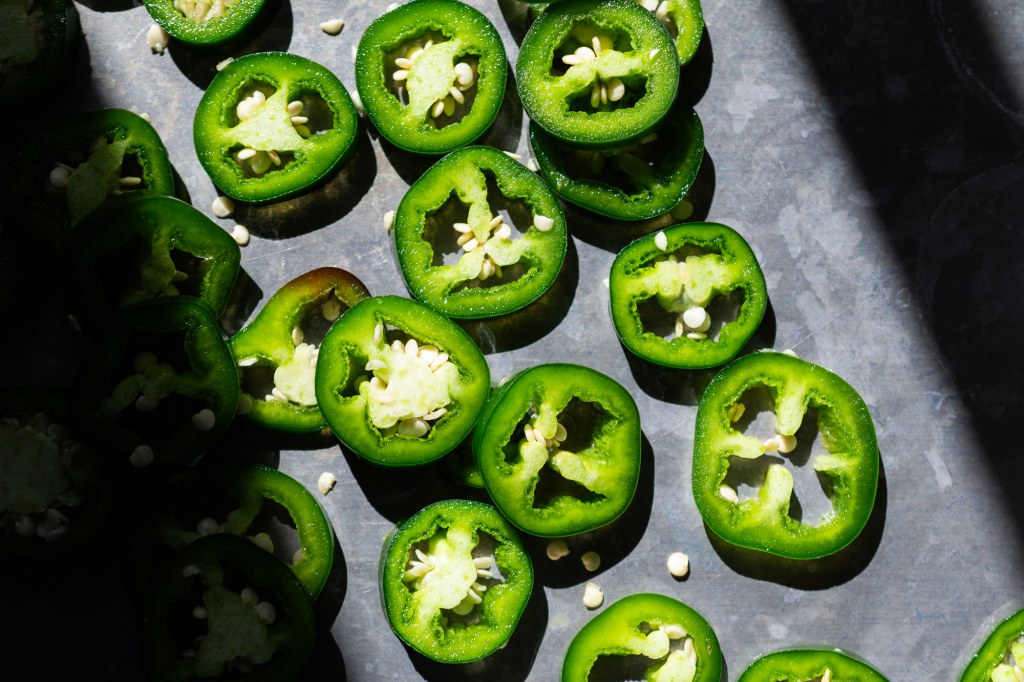
The August 2026 Salmonella outbreak linked to Mexican jalapeños from Sinaloa represents a critical compliance inflection point for food and beverage e-commerce sellers. As of August 5, 2026, 345 confirmed cases across 27 states—with 36 hospitalizations and peak concentrations in Minnesota (110 cases) and Colorado (110 cases)—have triggered immediate FDA/CDC investigations and forced major restaurant chains (Chipotle, Qdoba) to remove affected products within 24-48 hours. The contaminated jalapeños, sourced from a Sinaloa grower and distributed by California-based Coast Citrus Distributors, were identified at a south Texas distribution facility, though contamination could have occurred at multiple supply chain points. This outbreak exposes a critical compliance gap: e-commerce platforms like Amazon, eBay, and Walmart Marketplace now enforce mandatory traceability systems, supplier verification documentation, and real-time CDC alert monitoring for all food sellers.
For cross-border food sellers, this outbreak creates three immediate compliance barriers: First, FDA import documentation requirements have intensified—sellers importing fresh produce from Mexico must now provide grower certifications, facility inspection records, and pathogen testing documentation. The FDA's investigation beginning July 22 and ongoing determination of whether contaminated jalapeños reached grocery stores signals heightened retail enforcement. Second, platform delisting and recall protocols are now non-negotiable—Amazon Seller Central, eBay, and Walmart Marketplace require sellers to immediately delist any products from affected suppliers and issue formal recalls within 24 hours of CDC notification. Failure to comply results in account suspension, negative seller ratings, and potential legal liability. Third, supply chain traceability costs have increased substantially—sellers must now maintain batch-level documentation, implement FIFO (first-in-first-out) inventory systems, and establish direct relationships with health authorities. The concurrent cyclosporiasis outbreak linked to Taylor Farms' lettuce (affecting 15 states with 22,000+ cases) demonstrates that multiple contamination events are creating a compliance enforcement surge.
This outbreak creates a compliance moat for sellers who can demonstrate rapid response capability. Sellers with existing FDA compliance infrastructure, supplier verification systems, and documented traceability protocols can now differentiate themselves from non-compliant competitors. The estimated 40-60% of small food sellers operating without formal supplier documentation face imminent account suspension risk. Compliant sellers should immediately: (1) audit all Mexican produce suppliers for FDA inspection records and pathogen testing certifications; (2) implement batch-level tracking systems with CDC alert integration; (3) establish 24-hour recall response protocols with platform compliance teams. The fastest compliance path involves partnering with FDA-registered 3PL providers who maintain pre-approved supplier networks and automated recall systems—reducing compliance setup time from 60-90 days to 14-21 days. Alternative sourcing strategies (domestic US jalapeños, California-grown peppers) can bypass Mexican import documentation requirements entirely, though at 15-25% higher COGS. The regulatory enforcement intensity is now at peak levels, with FDA investigations ongoing and platform penalties escalating—sellers must act within 30 days to avoid account suspension.
Questions 8
What are the financial penalties for non-compliance with food safety requirements?
Financial penalties include: (1) Account suspension (loss of all sales revenue); (2) Negative seller ratings and review damage (estimated 20-40% sales decline post-suspension); (3) Legal liability for customer illness claims (estimated $10,000-100,000+ per case); (4) FDA civil penalties ($500-$5,000+ per violation); (5) Mandatory product destruction and recall costs ($5,000-50,000+). The 345 confirmed Salmonella cases and 36 hospitalizations demonstrate the scale of potential liability. Chipotle's stock fell 8% following the outbreak announcement, indicating market-wide confidence damage. Sellers should invest in compliance infrastructure ($2,000-5,000 setup cost) to avoid these penalties. Compliance costs are 10-20x lower than potential legal liability.
Which US states have the highest enforcement risk for food sellers after this outbreak?
Minnesota and Colorado account for the majority of Salmonella cases (110 each), followed by Illinois (30 cases) and Kansas (13 cases). These states have heightened FDA/CDC enforcement activity and state health department scrutiny. Sellers shipping to these states face increased inspection probability and faster account suspension risk if suppliers are non-compliant. The FDA investigation identified contamination at a south Texas distribution facility, indicating Texas also has elevated enforcement. Sellers should prioritize supplier audits in these states and implement enhanced traceability documentation for shipments to Minnesota, Colorado, Illinois, and Kansas. State-level enforcement can result in product seizure and seller account suspension within 48 hours.