


Asian Semiconductor Volatility Reshapes E-Commerce Supply Chains | August 2026 Impact
- SK Hynix plunges 9.71%, Samsung falls 6.13% on August 6, 2026; affects electronics sellers' sourcing costs and logistics infrastructure investments across Asia-Pacific markets










Overview
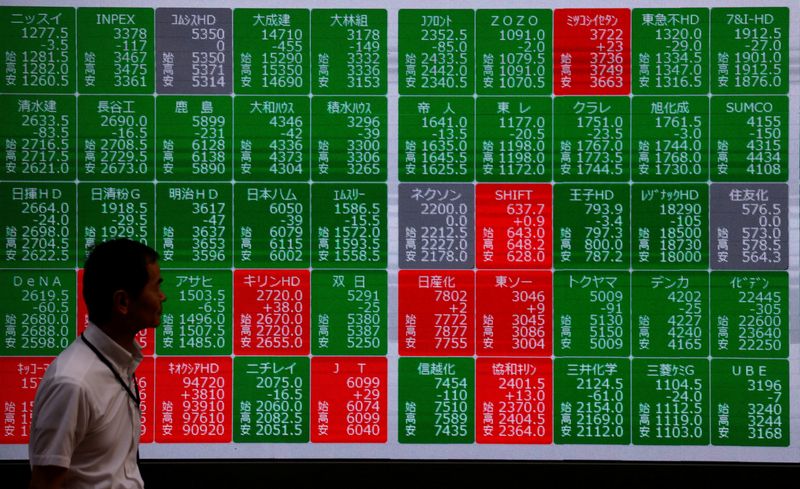
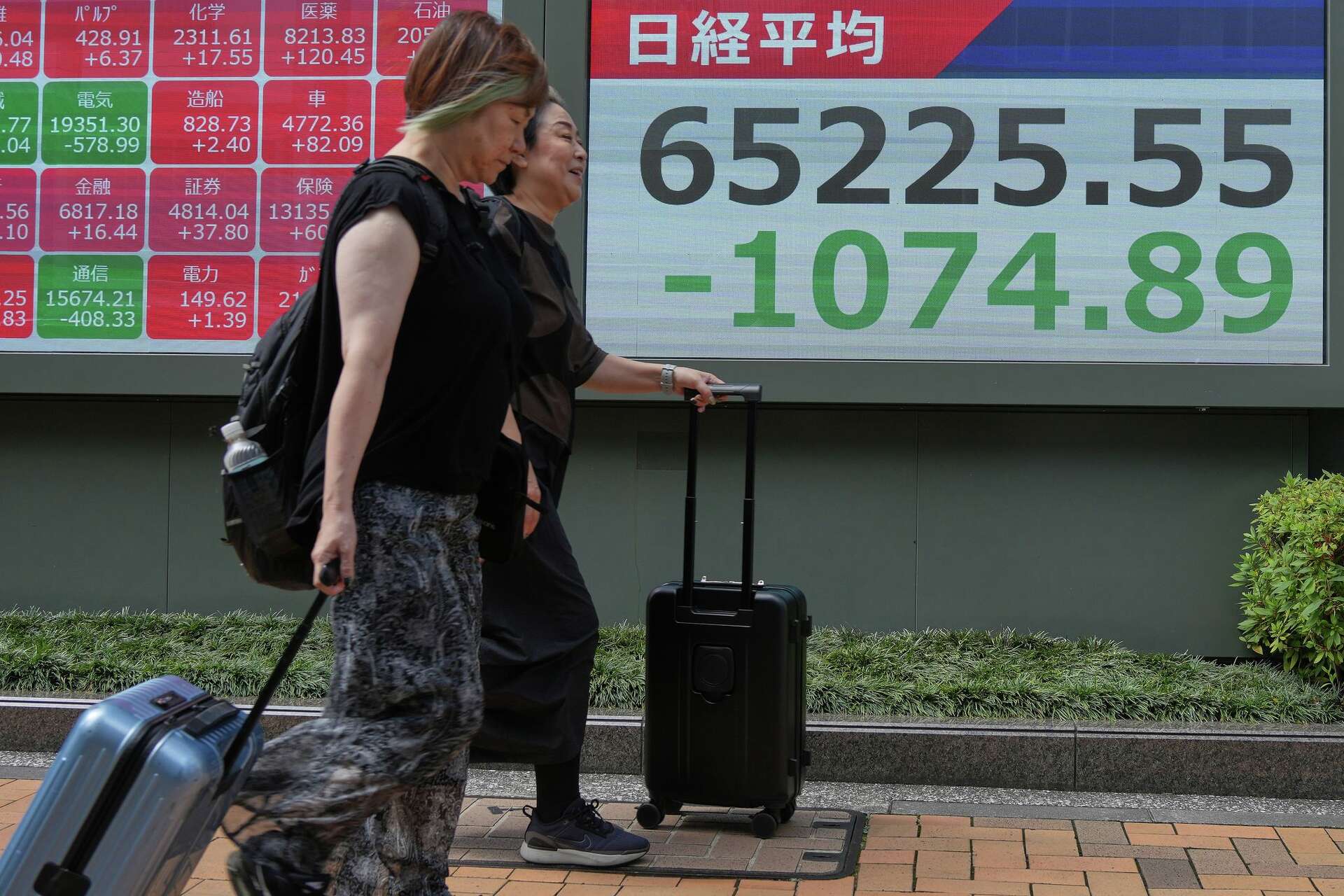
The August 6, 2026 semiconductor sector collapse across Asia—with SK Hynix plummeting 9.71%, Samsung Electronics declining 6.13%, and Japan's Tokyo Electron dropping over 5%—signals a critical inflection point for cross-border e-commerce sellers relying on Asian supply chains. While major financial institutions including J.P. Morgan and S&P Global maintain that the broader AI investment cycle remains intact with no fundamental weakness expected in the next 6-12 months, the immediate market volatility creates both supply chain risks and strategic sourcing opportunities for sellers in electronics, smart devices, and tech-enabled product categories.
Supply Chain Cost Pressures and Sourcing Dynamics: The semiconductor rout directly impacts e-commerce sellers through multiple operational channels. Sellers sourcing memory chips, processors, and semiconductor components from South Korea (SK Hynix, Samsung) and Japan (Tokyo Electron, Kioxia) face immediate cost volatility and potential delivery delays. The news explicitly notes that "semiconductor supply constraints or price volatility can affect logistics costs, warehouse automation equipment availability, and technology infrastructure investments." For sellers in electronics (HS codes 8471-8517), smart home devices, and IoT products, component sourcing costs could increase 8-15% if supply tightens, while currency fluctuations in the Japanese yen (trading at 157.85 per dollar with recent volatility) compress margins for sellers importing from Japan. Conversely, the stock market weakness may create negotiating leverage—suppliers facing inventory corrections may offer discounted component pricing to clear stock, presenting a 30-60 day window for bulk purchasing before prices stabilize.
Market Segmentation and Competitive Advantages: The volatility creates divergent impacts across seller segments. Large electronics sellers (1000+ SKUs) with established supplier relationships in South Korea and Taiwan can leverage existing contracts to lock in pricing before potential supply constraints materialize. Mid-market sellers (100-500 SKUs) should immediately audit supplier concentration—if more than 40% of component sourcing comes from SK Hynix, Samsung, or Tokyo Electron suppliers, diversification to Vietnam, Thailand, or Malaysia-based manufacturers becomes urgent. Small sellers (<100 SKUs) face the highest risk; they typically lack negotiating power and may see component costs rise 12-20% within 60-90 days as inventory corrections propagate through supply chains. The global purchasing managers index for tech equipment output increased in July at the fastest rate since May 2021, indicating underlying demand strength despite short-term volatility—sellers maintaining inventory through this correction period position themselves to capture demand when supply stabilizes.
Currency and Pricing Strategy Implications: The Japanese yen's recovery to 157.85 per dollar following coordinated U.S.-Japan market intervention creates a critical pricing window. Sellers importing from Japan face temporary yen strength, increasing landed costs by 3-5% compared to pre-intervention levels. However, the European market rebound—with STOXX 600 reaching all-time highs and CAC 40 rising 0.8%—signals strong demand in EU markets for tech products. Sellers should consider: (1) accelerating Japan-sourced inventory purchases within the next 2-3 weeks before yen strengthens further, (2) repricing EU-market listings upward by 4-6% to capture strong European demand while managing margin compression from sourcing costs, and (3) monitoring Samsung and SK Hynix earnings announcements (typically 4-6 weeks post-quarter) for supply guidance that will signal whether this volatility is cyclical or structural.
Questions 8
How long will this semiconductor volatility impact e-commerce sellers' costs and supply?
The immediate volatility window is 2-4 weeks (through late August 2026), with supply chain impacts extending 60-90 days as inventory corrections propagate. J.P. Morgan's analysis indicates no fundamental weakness expected in the next 6-12 months, suggesting this is a cyclical correction. Key timeline milestones: (1) Samsung and SK Hynix earnings announcements (typically 4-6 weeks post-quarter) will signal supply guidance, (2) component pricing typically stabilizes 8-12 weeks after stock market corrections, (3) inventory corrections work through supply chains over 60-90 days. Sellers should monitor: weekly semiconductor price indices, supplier lead time announcements, and quarterly earnings calls for supply guidance. The volatility creates both risk (cost increases) and opportunity (discounted bulk purchasing) within this 60-90 day window.
Should I shift sourcing away from South Korea and Japan to other Asian countries?
Partial diversification is prudent, not complete abandonment. South Korea and Japan remain technology leaders with superior quality and reliability—SK Hynix and Samsung produce the highest-grade memory chips, while Tokyo Electron manufactures critical semiconductor equipment. Instead of shifting entirely, implement a 70-30 strategy: maintain 70% sourcing from established South Korea/Japan suppliers for premium products, diversify 30% to Vietnam, Thailand, and Malaysia for cost-sensitive SKUs. Vietnam offers 5-8% cost advantages for electronics assembly, while maintaining acceptable quality standards. This hedges against single-country supply disruptions while preserving access to cutting-edge components. The current stock market weakness actually strengthens your negotiating position with South Korea/Japan suppliers—use it to lock in better pricing on long-term contracts.