
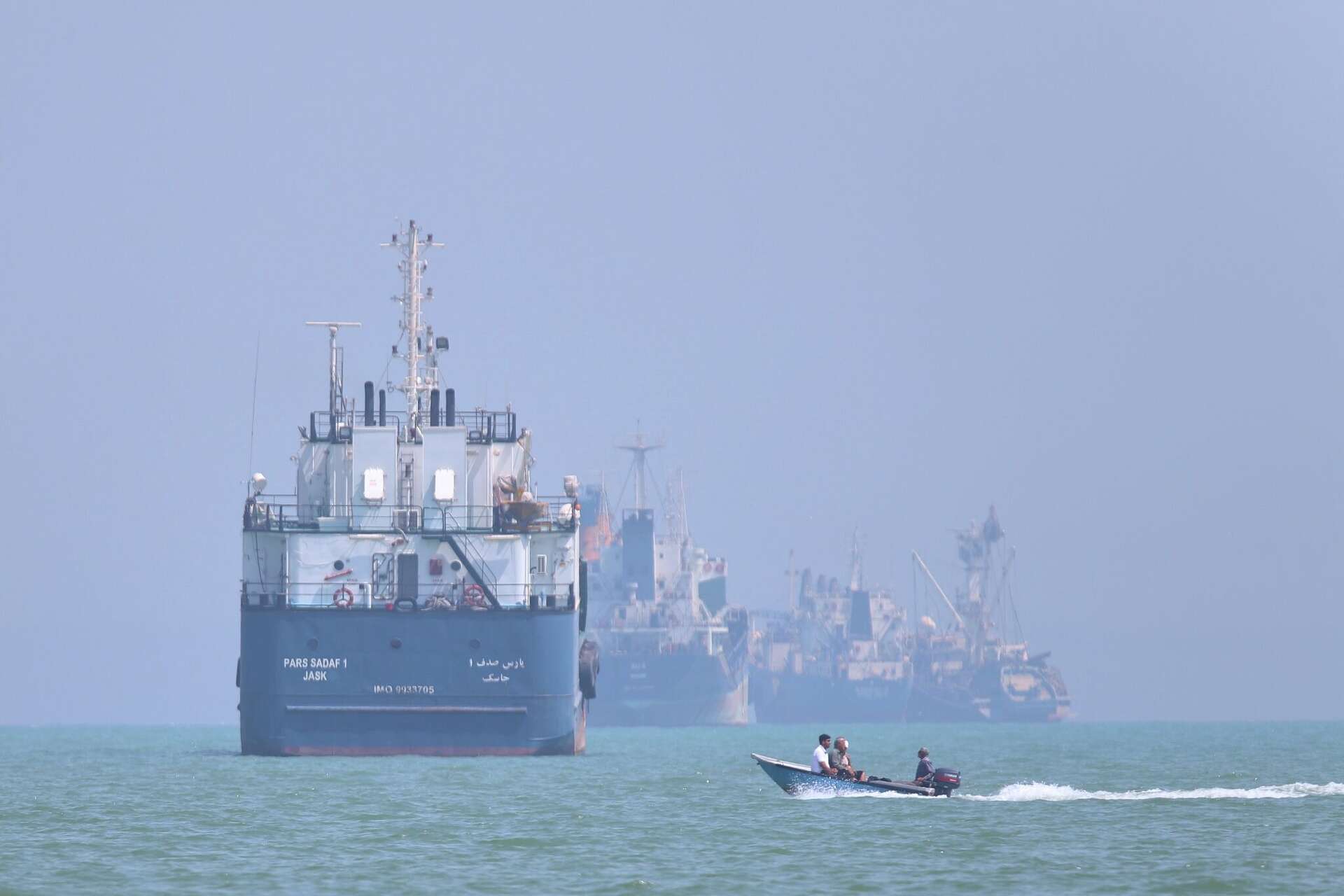


Energy Price Volatility & Geopolitical Risk | Critical Logistics Cost Impact for Cross-Border Sellers
- Sustained elevated fuel costs threaten 8-15% margin compression for FBA sellers; chemical fertilizer prices spike affecting agricultural product categories; 3-month policy uncertainty window creates pricing strategy challenges









Overview
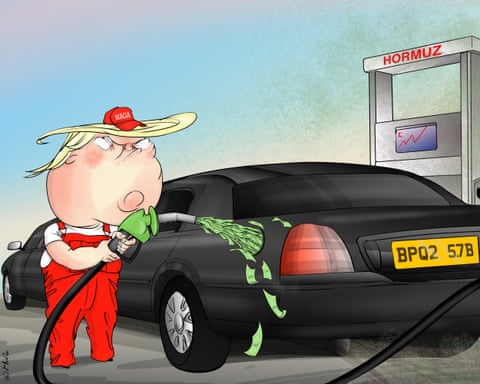
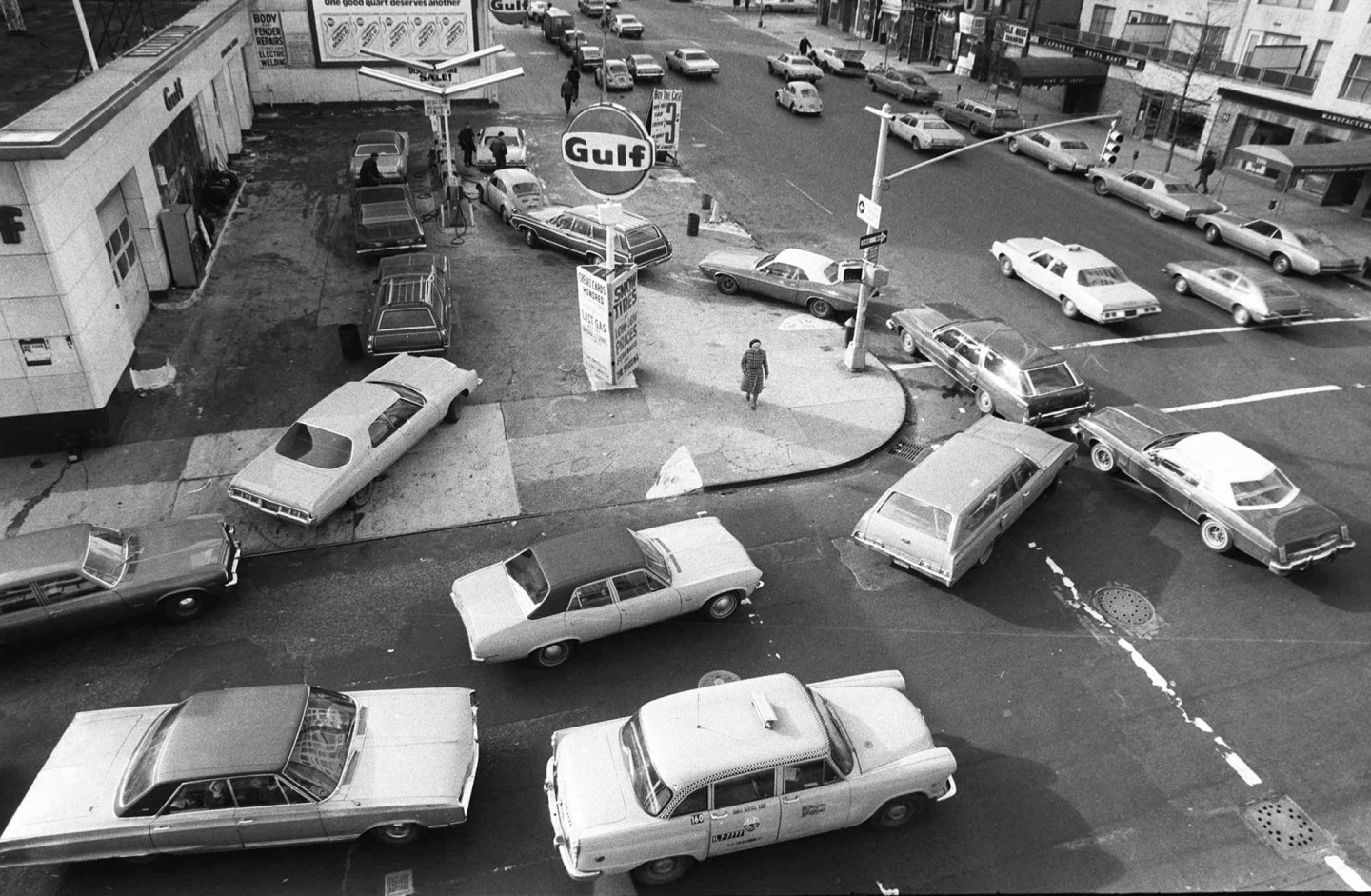
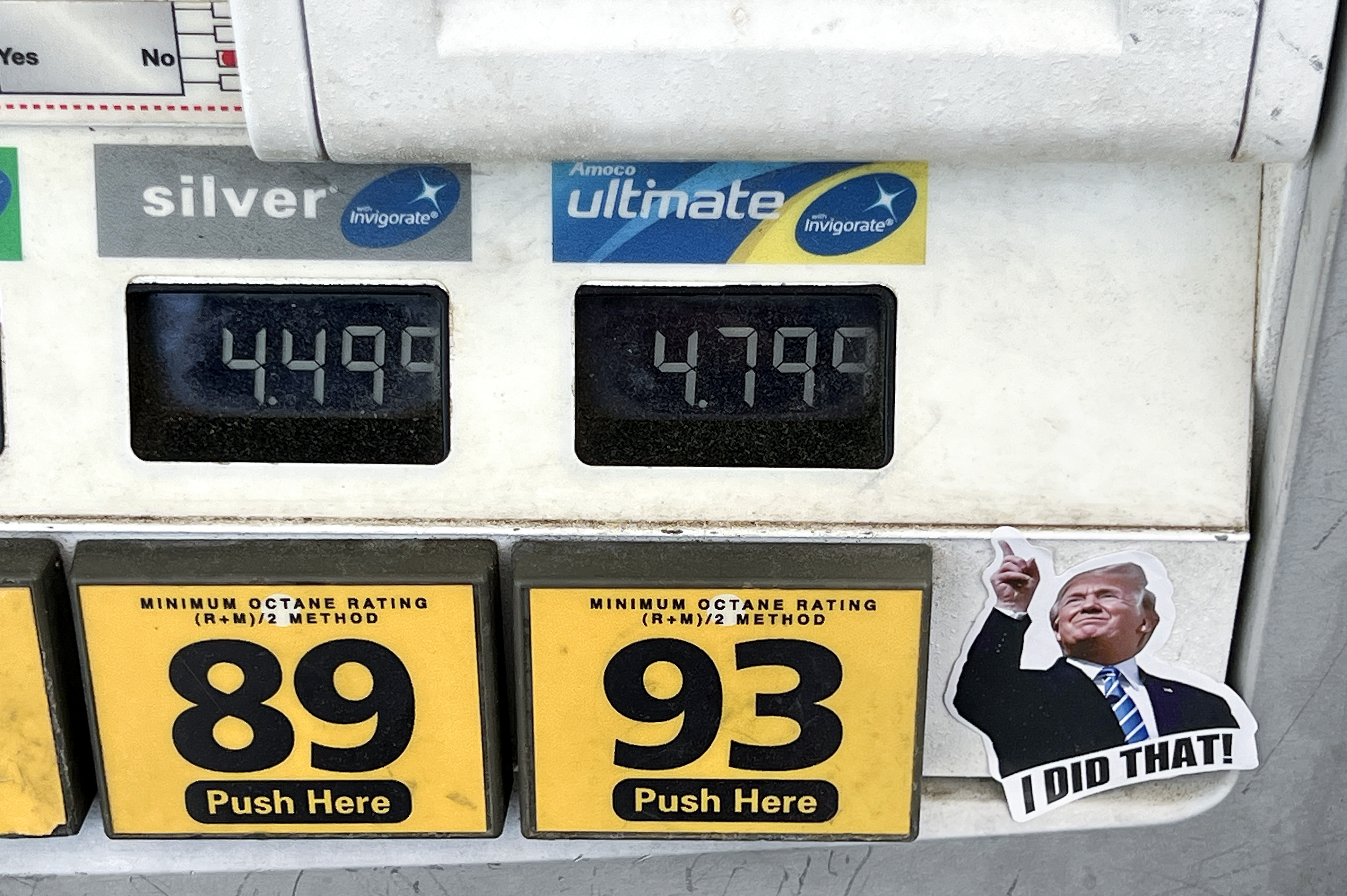
Geopolitical energy instability is creating sustained cost pressures across e-commerce logistics networks. Trump administration statements regarding Iran military operations and Venezuela resource control signal prolonged elevated oil prices, with expert analysis confirming crude oil and chemical fertilizer prices will remain elevated due to infrastructure damage and new risk premiums. Dr. Ed Gresser (Progressive Policy Institute) and Dr. Robert Shapiro (former Clinton economic adviser) both confirm that even without renewed hostilities, oil prices won't return to pre-Trump levels, directly impacting fulfillment costs for Amazon FBA sellers, 3PL providers, and cross-border shippers.
Immediate logistics cost implications: Elevated fuel costs directly increase Amazon FBA fulfillment fees (which incorporate fuel surcharges), UPS/FedEx shipping rates (both carriers apply fuel surcharges ranging 2-8% based on crude oil prices), and last-mile delivery costs for sellers using 3PL providers. For sellers shipping 1,000+ units monthly via FBA, sustained $0.50-1.50/unit fuel surcharge increases translate to $500-1,500 monthly cost increases. Chemical fertilizer price spikes (confirmed by Dr. Gresser) directly impact agricultural product categories (gardening supplies, lawn care, organic fertilizers) where raw material costs represent 30-50% of COGS. Sellers in these categories face margin compression of 8-15% if unable to pass costs to consumers.
Strategic sourcing and pricing adjustments required: The 3-month policy uncertainty window (referenced in News 3 regarding midterm election timing) creates volatile pricing conditions. Sellers must immediately audit their fulfillment cost structures: FBA sellers should model scenarios with fuel surcharges at 5%, 7%, and 10% to stress-test profitability by SKU. Cross-border sellers shipping from Asia to US/EU should lock in freight rates now before Q2 fuel surcharge adjustments (typically implemented quarterly). Agricultural and chemical product sellers should consider inventory reduction strategies—holding excess stock during price spikes increases carrying costs and obsolescence risk. The White House emphasis on "U.S. energy dominance" and "domestic energy production partnerships" signals potential tariff shifts favoring domestic suppliers, creating competitive advantages for sellers sourcing from US-based manufacturers versus imported alternatives.
Questions 7
How do fuel surcharges differ between Amazon FBA, UPS/FedEx, and 3PL providers?
Amazon FBA incorporates fuel surcharges into fulfillment fees (typically 2-5% of base fee), while UPS and FedEx apply separate fuel surcharges (2-8% depending on service level and weight). 3PL providers vary widely—some pass through carrier surcharges directly, others absorb costs in fixed monthly fees. For sellers comparing fulfillment options, FBA provides predictability since surcharges are bundled, while 3PL and carrier-direct shipping expose sellers to volatile surcharge fluctuations. During high-volatility periods like the current geopolitical situation, FBA's bundled pricing provides cost certainty advantages despite potentially higher base fees.
Should sellers increase product prices now to offset anticipated fuel surcharge increases?
Selective price increases are recommended for high-margin and essential categories where demand is less price-elastic. Agricultural/chemical products and health/wellness items typically maintain demand despite price increases. However, competitive categories (electronics, apparel) risk losing market share if prices rise faster than competitors. Strategy: Increase prices 3-5% on essential/high-margin items immediately, monitor competitor pricing weekly, and prepare to adjust if demand drops. For low-margin categories, focus on cost reduction (inventory optimization, supplier negotiation) rather than price increases to maintain competitiveness.