

.png)


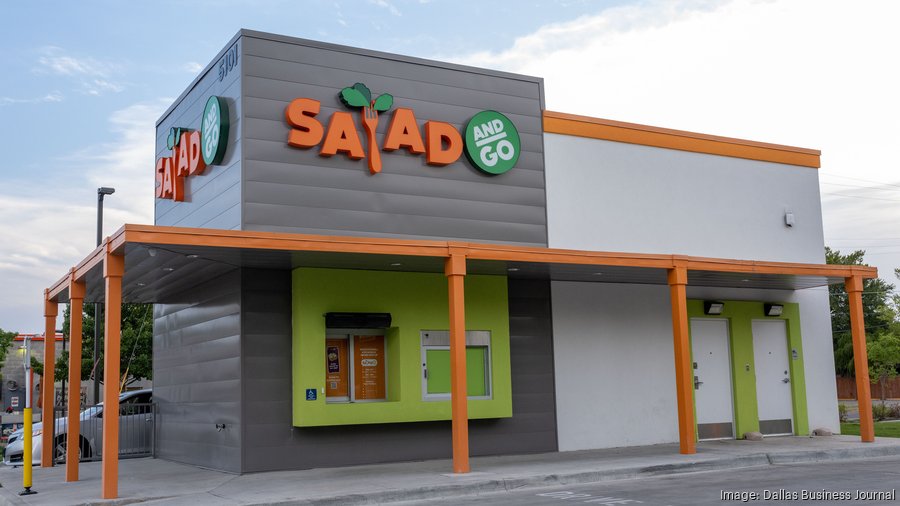
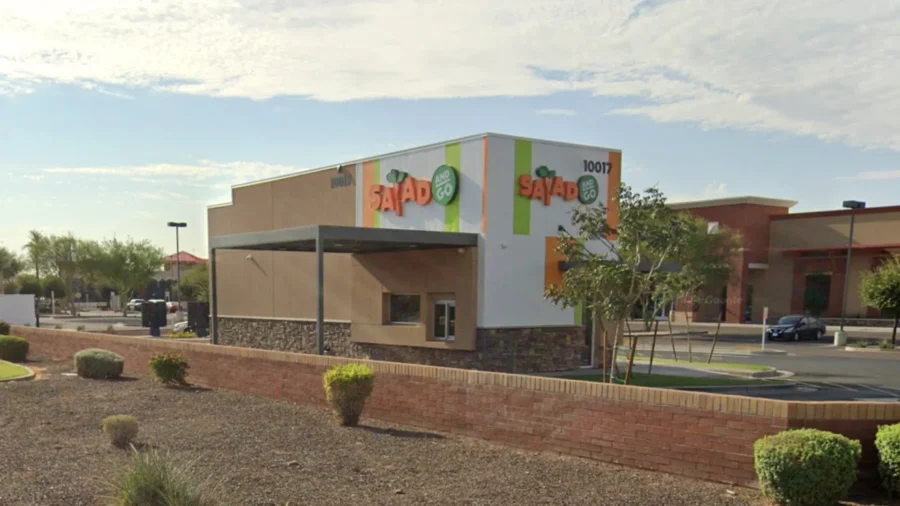
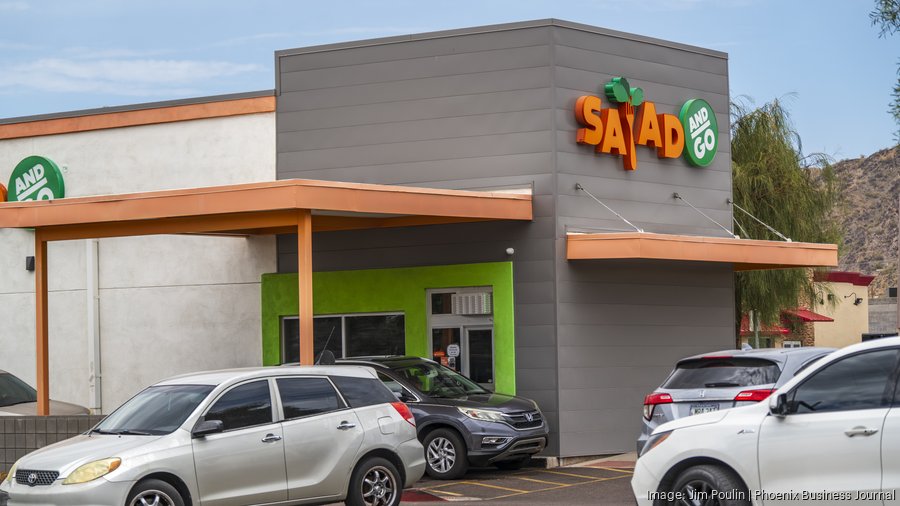
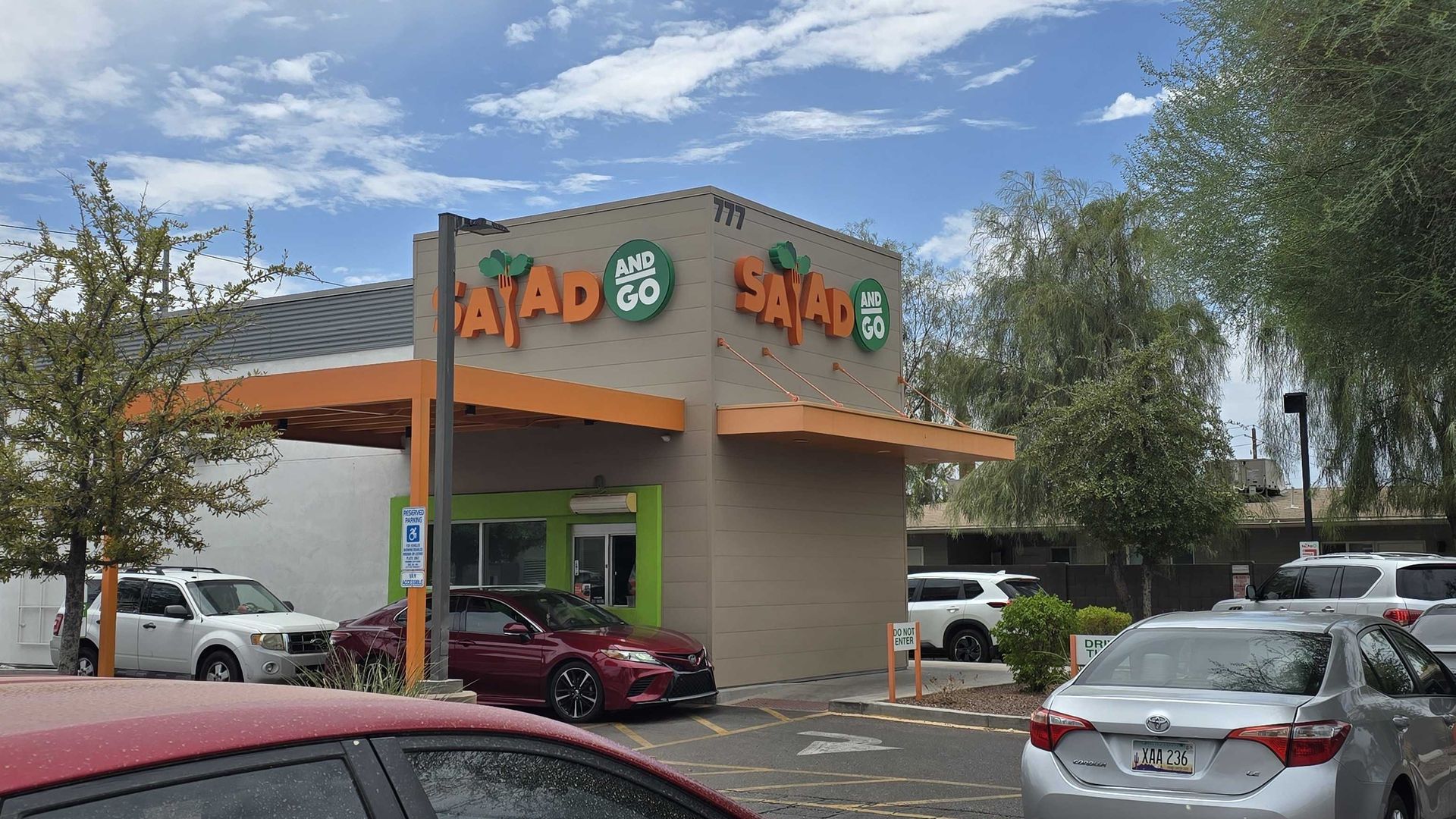
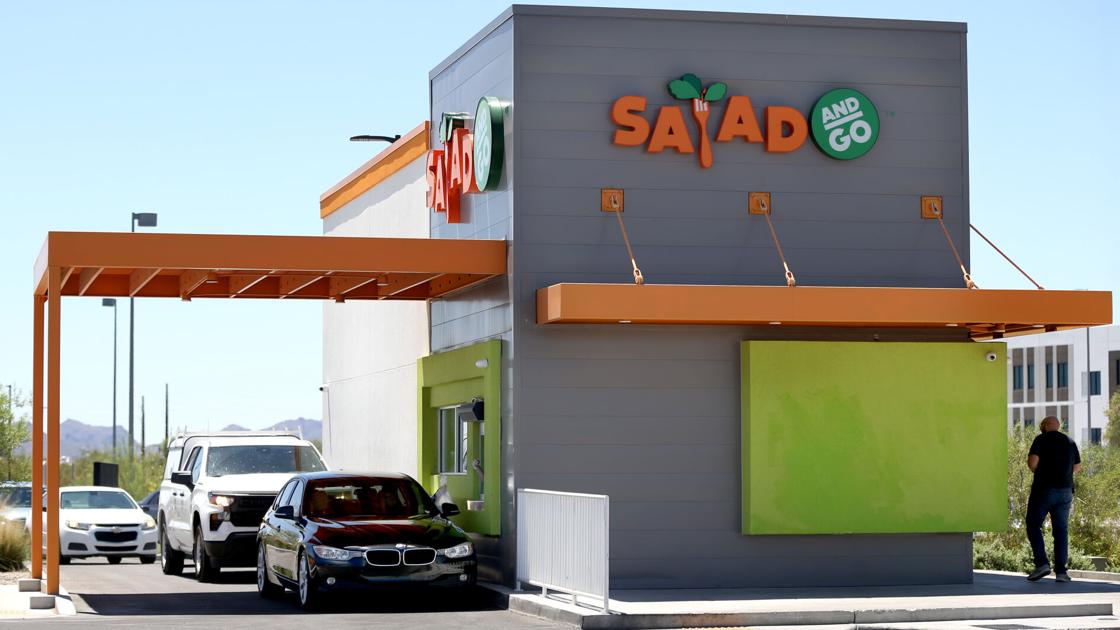
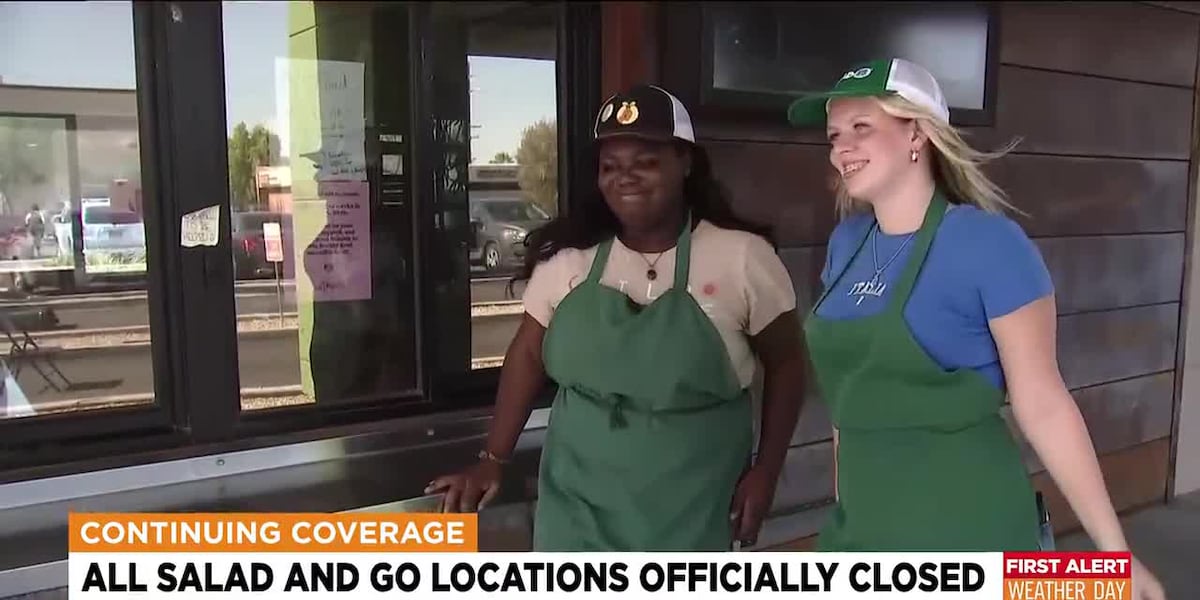
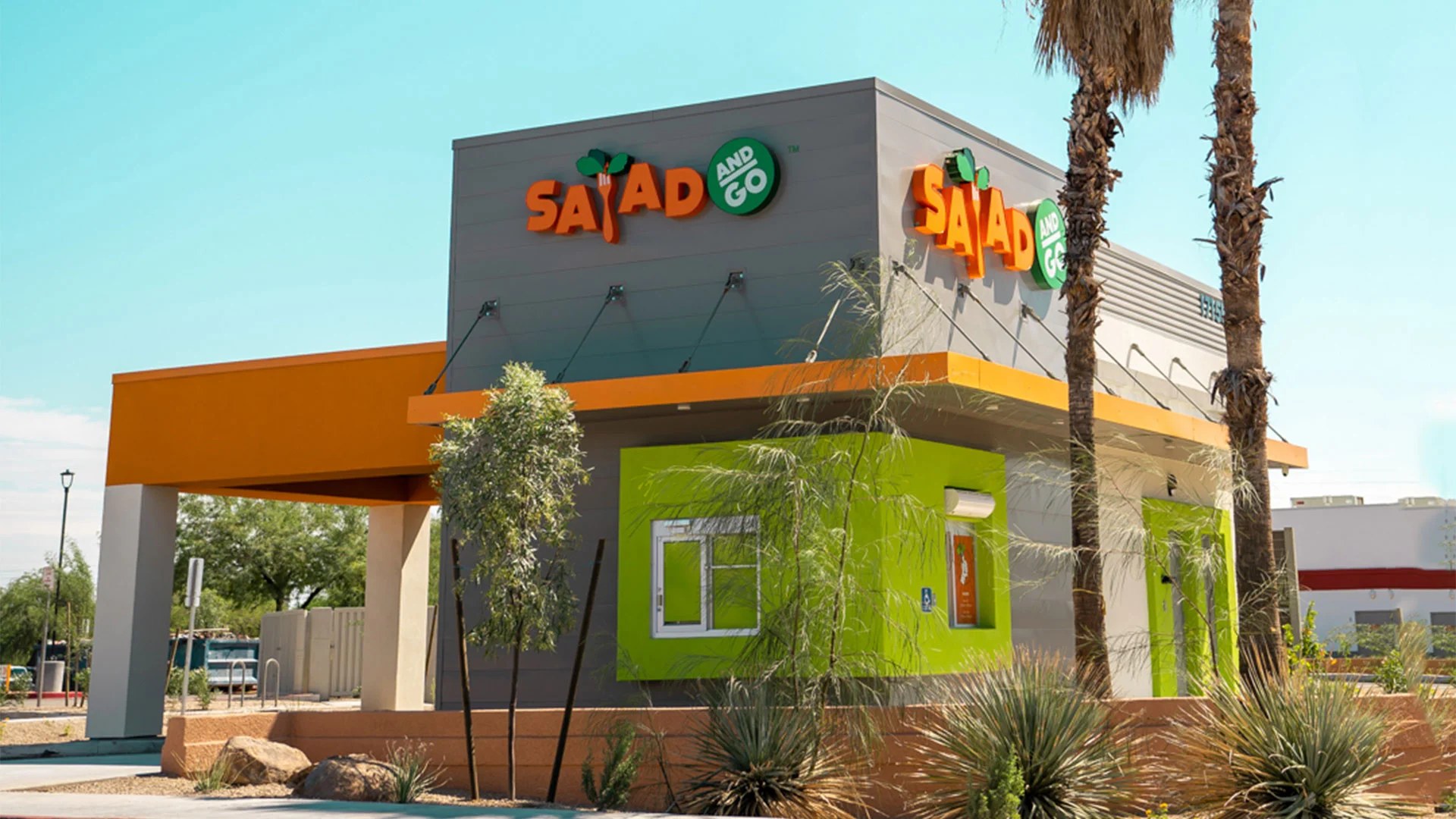
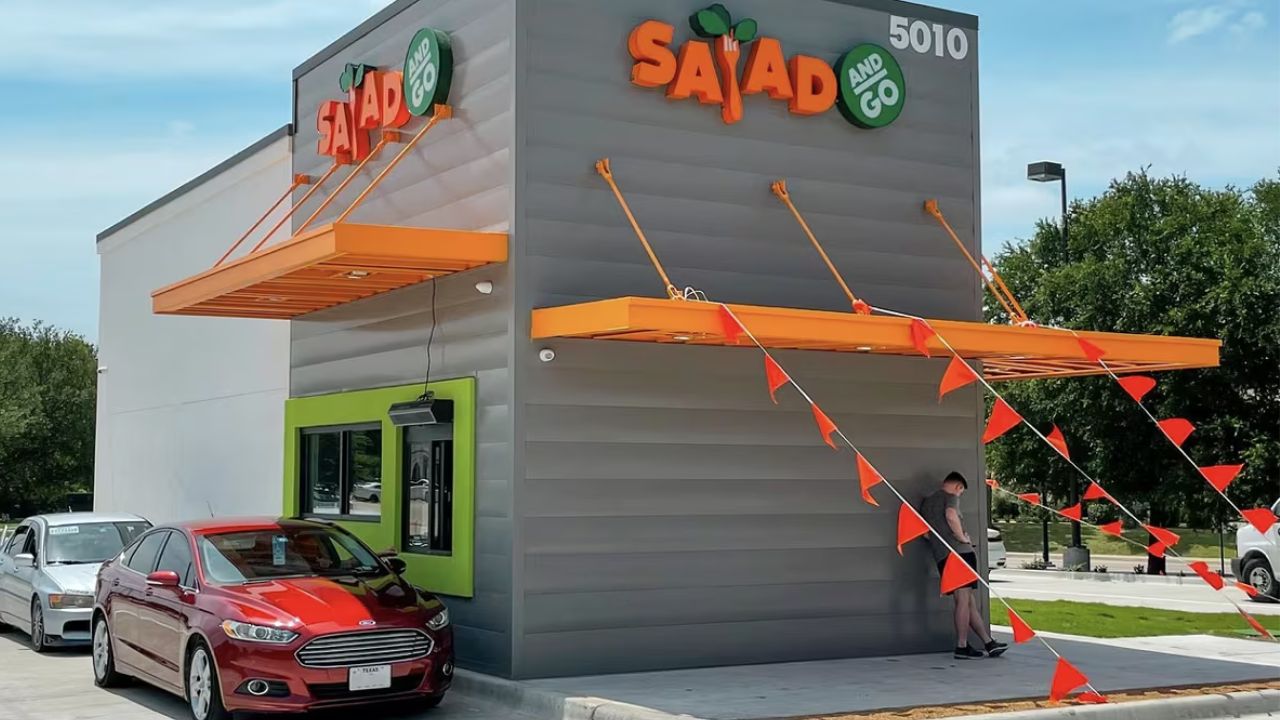
Salad and Go's August 2026 bankruptcy filing and complete closure of 70 Arizona/Nevada locations represents a critical case study for e-commerce sellers pursuing offline expansion strategies. The Arizona-based fast-casual chain, founded in 2013 and sold to growth-focused investors in 2021, collapsed after aggressive expansion (50+ locations annually) contradicted the founders' operational model. CEO Mike Tattersfield cited a July Cyclospora outbreak as a business concern, though the chain wasn't implicated—revealing how external reputation damage can devastate undiversified retail operations. Founder Tony Christofellis explicitly warned investors against rapid scaling, stating the expansion pace violated core operational fundamentals.
For cross-border sellers pursuing O2O strategies, this bankruptcy demonstrates three critical risks: First, unit economics validation is non-negotiable before scaling. Salad and Go's founders understood their model worked at specific scales and locations; aggressive expansion without maintaining operational discipline destroyed unit profitability. Sellers testing pop-up stores or showrooms in US markets (Arizona, Nevada, Texas, Oklahoma) must establish baseline metrics—foot traffic conversion rates (target: 8-15%), average transaction value, repeat customer rates—before opening 10+ locations. Second, brand vulnerability in food/beverage categories requires supply chain resilience. The Cyclospora outbreak, though unrelated to Salad and Go, triggered customer avoidance across the entire chain. Sellers in health-conscious categories (organic, fresh, wellness products) face similar reputational risks; offline presence amplifies brand exposure but also concentrates risk. Third, investor misalignment on growth strategy destroys operational value. The founders' warnings went unheeded, suggesting investors prioritized expansion metrics over sustainable unit economics—a pattern that kills both online and offline retail operations.
Actionable implications for sellers: Sellers planning O2O expansion in food, beverage, or health categories should establish unit-level profitability thresholds (minimum 25-30% gross margins, 12-18 month payback periods) before opening additional locations. Arizona and Nevada markets, now flooded with displaced Salad and Go customers and available retail space, present both opportunity (lower rent, trained labor) and risk (market saturation, brand fatigue). Pop-up formats (4-12 week trials) offer lower-risk validation compared to permanent leases. Sellers should also stress-test brand resilience—how would a negative news event (food safety, competitor scandal, supply disruption) impact offline locations? Diversified revenue streams (online + offline + wholesale) reduce vulnerability to single-channel shocks.
Rather than opening 50+ branded locations like Salad and Go, sellers can test O2O presence through lower-risk partnerships: (1) co-branded kiosks in Whole Foods, Sprouts, or natural food stores (Arizona/Nevada have 150+ locations combined), (2) wholesale distribution to regional grocery chains and convenience stores, (3) in-store sampling and brand ambassador programs at high-traffic venues, and (4) temporary shelf space in complementary retail categories (health, wellness, organic). These partnerships provide foot traffic, customer data, and brand validation without long-term lease commitments. Arizona and Nevada markets now have available retail space and motivated landlords after Salad and Go closures. Negotiate revenue-sharing agreements (15-25% margin for retail partners) rather than fixed rent to align incentives. Track conversion rates and repeat customer rates through each partnership to identify highest-ROI channels before scaling.
Salad and Go's collapse reveals three operational vulnerabilities: (1) concentrated supply chain risk—a single Cyclospora outbreak triggered customer avoidance across all 70 locations simultaneously, (2) operational complexity at scale—rapid expansion from 0 to 70+ locations strained management and quality control, and (3) lack of operational resilience—the chain had no diversified revenue streams (online, wholesale, licensing) to offset offline losses. For sellers pursuing O2O expansion, establish operational safeguards: (1) diversify revenue across online marketplaces (Amazon, Shopify), offline retail, and wholesale channels, (2) implement supply chain traceability and food safety protocols to respond quickly to contamination concerns, (3) maintain centralized quality control and training systems as you scale locations, and (4) establish contingency plans for reputation crises (negative news, supply disruptions, competitor actions). Salad and Go's founders understood these principles but were overruled by investors focused on expansion metrics. Protect operational integrity by establishing clear scaling gates and maintaining founder/operator control over growth decisions.
Salad and Go collapsed because rapid expansion (50+ locations annually after 2021 acquisition) violated the founders' core operational model, which required careful unit-level management and local market adaptation. Founder Tony Christofellis explicitly warned investors that the expansion pace contradicted fundamental business principles, but his counsel was ignored. The July 2026 Cyclospora outbreak—though unrelated to the chain—triggered customer avoidance across all 70 locations simultaneously, revealing how undiversified retail operations lack resilience. For sellers pursuing O2O strategies, this demonstrates that scaling without maintaining operational discipline destroys unit profitability and brand value. Validate unit economics (foot traffic, conversion rates, repeat customer rates) at 3-5 locations before expanding to 10+.
Salad and Go's collapse demonstrates how external reputation events (Cyclospora outbreak) can devastate concentrated offline operations. Sellers in food, beverage, or health categories should: (1) diversify revenue streams across online marketplaces (Amazon, Shopify), offline retail, and wholesale channels to reduce single-channel vulnerability, (2) establish supply chain transparency and traceability protocols to respond quickly to safety concerns, (3) maintain brand insurance and crisis communication plans, and (4) limit initial offline expansion to 3-5 locations in different geographic markets rather than clustering in one region. Arizona and Nevada markets now have available retail space and trained labor from Salad and Go closures, but also face market saturation and brand fatigue. Test brand resilience through scenario planning: how would a negative news event impact each offline location?
Sellers should establish baseline metrics before scaling: (1) foot traffic conversion rate (target 8-15% for retail), (2) average transaction value and repeat customer rate (target 20-30% repeat within 90 days), (3) gross margin per location (minimum 25-30% for sustainable operations), and (4) payback period (12-18 months for temporary formats, 24-36 months for permanent leases). Salad and Go's failure suggests investors ignored these metrics in favor of location count. Use 4-12 week pop-up trials in target markets (Arizona, Nevada, Texas) to validate unit economics before committing to permanent retail partnerships. Monitor foot traffic density by venue type (mall, street-level, food court) to identify highest-ROI locations.
Effective pop-up trials follow this structure: (1) select 2-3 high-traffic venues in target markets (Arizona, Nevada) with different demographics, (2) run 4-12 week trials with clear success metrics (foot traffic, conversion rate, repeat customer rate, gross margin %), (3) track customer data (email, repeat visits, average order value) to build predictive models, and (4) establish payback period targets (12-18 months for temporary formats). Salad and Go's failure suggests investors skipped this validation phase, opening 50+ locations annually without testing unit economics. Use pop-up trials to identify optimal location types (mall vs. street-level vs. food court), peak traffic times, and customer segments. Calculate foot traffic density by venue and time period to forecast revenue for permanent locations. Successful trials should show 8-15% conversion rates and 20-30% repeat customer rates within 90 days before expanding to permanent retail partnerships.
Salad and Go's closure of 70 locations across Arizona and Nevada (August 2026) creates both opportunities and risks: (1) available retail space at lower rents as landlords compete for tenants, (2) trained labor pool from displaced employees, (3) customer base seeking alternative health-conscious brands, and (4) reduced competition in quick-service salad/bowl categories. However, sellers should be cautious of market saturation and brand fatigue in these regions. The chain's previous closure of 32 Texas/Oklahoma locations (January 2026) suggests Arizona/Nevada were already struggling markets. Sellers should validate local demand through pop-up trials (4-8 weeks) before committing to permanent leases. Partner with local distributors and retail chains (Sprouts, Whole Foods, natural food stores) to test product-market fit before opening branded locations.
Salad and Go's 2021 acquisition by growth-focused investors triggered aggressive expansion (50+ locations annually) that contradicted founder Tony Christofellis's operational philosophy. Christofellis explicitly warned investors that rapid scaling violated core business fundamentals, but his counsel was ignored—a pattern that destroyed unit profitability and brand value. For sellers, this demonstrates the importance of maintaining operational control during growth phases. If pursuing external funding for O2O expansion, establish clear unit economics thresholds and scaling gates: (1) minimum 25-30% gross margins per location, (2) 12-18 month payback periods, (3) 8-15% foot traffic conversion rates, and (4) 20-30% repeat customer rates before opening additional locations. Avoid investor pressure to prioritize location count over unit profitability. Salad and Go's collapse suggests that rapid expansion without operational discipline destroys both online and offline retail value. Maintain founder/operator control over scaling decisions or establish clear governance frameworks with investors.
Rather than opening 50+ branded locations like Salad and Go, sellers can test O2O presence through lower-risk partnerships: (1) co-branded kiosks in Whole Foods, Sprouts, or natural food stores (Arizona/Nevada have 150+ locations combined), (2) wholesale distribution to regional grocery chains and convenience stores, (3) in-store sampling and brand ambassador programs at high-traffic venues, and (4) temporary shelf space in complementary retail categories (health, wellness, organic). These partnerships provide foot traffic, customer data, and brand validation without long-term lease commitments. Arizona and Nevada markets now have available retail space and motivated landlords after Salad and Go closures. Negotiate revenue-sharing agreements (15-25% margin for retail partners) rather than fixed rent to align incentives. Track conversion rates and repeat customer rates through each partnership to identify highest-ROI channels before scaling.
Salad and Go's collapse reveals three operational vulnerabilities: (1) concentrated supply chain risk—a single Cyclospora outbreak triggered customer avoidance across all 70 locations simultaneously, (2) operational complexity at scale—rapid expansion from 0 to 70+ locations strained management and quality control, and (3) lack of operational resilience—the chain had no diversified revenue streams (online, wholesale, licensing) to offset offline losses. For sellers pursuing O2O expansion, establish operational safeguards: (1) diversify revenue across online marketplaces (Amazon, Shopify), offline retail, and wholesale channels, (2) implement supply chain traceability and food safety protocols to respond quickly to contamination concerns, (3) maintain centralized quality control and training systems as you scale locations, and (4) establish contingency plans for reputation crises (negative news, supply disruptions, competitor actions). Salad and Go's founders understood these principles but were overruled by investors focused on expansion metrics. Protect operational integrity by establishing clear scaling gates and maintaining founder/operator control over growth decisions.
Salad and Go collapsed because rapid expansion (50+ locations annually after 2021 acquisition) violated the founders' core operational model, which required careful unit-level management and local market adaptation. Founder Tony Christofellis explicitly warned investors that the expansion pace contradicted fundamental business principles, but his counsel was ignored. The July 2026 Cyclospora outbreak—though unrelated to the chain—triggered customer avoidance across all 70 locations simultaneously, revealing how undiversified retail operations lack resilience. For sellers pursuing O2O strategies, this demonstrates that scaling without maintaining operational discipline destroys unit profitability and brand value. Validate unit economics (foot traffic, conversion rates, repeat customer rates) at 3-5 locations before expanding to 10+.
Salad and Go's collapse demonstrates how external reputation events (Cyclospora outbreak) can devastate concentrated offline operations. Sellers in food, beverage, or health categories should: (1) diversify revenue streams across online marketplaces (Amazon, Shopify), offline retail, and wholesale channels to reduce single-channel vulnerability, (2) establish supply chain transparency and traceability protocols to respond quickly to safety concerns, (3) maintain brand insurance and crisis communication plans, and (4) limit initial offline expansion to 3-5 locations in different geographic markets rather than clustering in one region. Arizona and Nevada markets now have available retail space and trained labor from Salad and Go closures, but also face market saturation and brand fatigue. Test brand resilience through scenario planning: how would a negative news event impact each offline location?
Sellers should establish baseline metrics before scaling: (1) foot traffic conversion rate (target 8-15% for retail), (2) average transaction value and repeat customer rate (target 20-30% repeat within 90 days), (3) gross margin per location (minimum 25-30% for sustainable operations), and (4) payback period (12-18 months for temporary formats, 24-36 months for permanent leases). Salad and Go's failure suggests investors ignored these metrics in favor of location count. Use 4-12 week pop-up trials in target markets (Arizona, Nevada, Texas) to validate unit economics before committing to permanent retail partnerships. Monitor foot traffic density by venue type (mall, street-level, food court) to identify highest-ROI locations.
Effective pop-up trials follow this structure: (1) select 2-3 high-traffic venues in target markets (Arizona, Nevada) with different demographics, (2) run 4-12 week trials with clear success metrics (foot traffic, conversion rate, repeat customer rate, gross margin %), (3) track customer data (email, repeat visits, average order value) to build predictive models, and (4) establish payback period targets (12-18 months for temporary formats). Salad and Go's failure suggests investors skipped this validation phase, opening 50+ locations annually without testing unit economics. Use pop-up trials to identify optimal location types (mall vs. street-level vs. food court), peak traffic times, and customer segments. Calculate foot traffic density by venue and time period to forecast revenue for permanent locations. Successful trials should show 8-15% conversion rates and 20-30% repeat customer rates within 90 days before expanding to permanent retail partnerships.
Salad and Go's closure of 70 locations across Arizona and Nevada (August 2026) creates both opportunities and risks: (1) available retail space at lower rents as landlords compete for tenants, (2) trained labor pool from displaced employees, (3) customer base seeking alternative health-conscious brands, and (4) reduced competition in quick-service salad/bowl categories. However, sellers should be cautious of market saturation and brand fatigue in these regions. The chain's previous closure of 32 Texas/Oklahoma locations (January 2026) suggests Arizona/Nevada were already struggling markets. Sellers should validate local demand through pop-up trials (4-8 weeks) before committing to permanent leases. Partner with local distributors and retail chains (Sprouts, Whole Foods, natural food stores) to test product-market fit before opening branded locations.
Salad and Go's 2021 acquisition by growth-focused investors triggered aggressive expansion (50+ locations annually) that contradicted founder Tony Christofellis's operational philosophy. Christofellis explicitly warned investors that rapid scaling violated core business fundamentals, but his counsel was ignored—a pattern that destroyed unit profitability and brand value. For sellers, this demonstrates the importance of maintaining operational control during growth phases. If pursuing external funding for O2O expansion, establish clear unit economics thresholds and scaling gates: (1) minimum 25-30% gross margins per location, (2) 12-18 month payback periods, (3) 8-15% foot traffic conversion rates, and (4) 20-30% repeat customer rates before opening additional locations. Avoid investor pressure to prioritize location count over unit profitability. Salad and Go's collapse suggests that rapid expansion without operational discipline destroys both online and offline retail value. Maintain founder/operator control over scaling decisions or establish clear governance frameworks with investors.
Rather than opening 50+ branded locations like Salad and Go, sellers can test O2O presence through lower-risk partnerships: (1) co-branded kiosks in Whole Foods, Sprouts, or natural food stores (Arizona/Nevada have 150+ locations combined), (2) wholesale distribution to regional grocery chains and convenience stores, (3) in-store sampling and brand ambassador programs at high-traffic venues, and (4) temporary shelf space in complementary retail categories (health, wellness, organic). These partnerships provide foot traffic, customer data, and brand validation without long-term lease commitments. Arizona and Nevada markets now have available retail space and motivated landlords after Salad and Go closures. Negotiate revenue-sharing agreements (15-25% margin for retail partners) rather than fixed rent to align incentives. Track conversion rates and repeat customer rates through each partnership to identify highest-ROI channels before scaling.
Salad and Go's collapse reveals three operational vulnerabilities: (1) concentrated supply chain risk—a single Cyclospora outbreak triggered customer avoidance across all 70 locations simultaneously, (2) operational complexity at scale—rapid expansion from 0 to 70+ locations strained management and quality control, and (3) lack of operational resilience—the chain had no diversified revenue streams (online, wholesale, licensing) to offset offline losses. For sellers pursuing O2O expansion, establish operational safeguards: (1) diversify revenue across online marketplaces (Amazon, Shopify), offline retail, and wholesale channels, (2) implement supply chain traceability and food safety protocols to respond quickly to contamination concerns, (3) maintain centralized quality control and training systems as you scale locations, and (4) establish contingency plans for reputation crises (negative news, supply disruptions, competitor actions). Salad and Go's founders understood these principles but were overruled by investors focused on expansion metrics. Protect operational integrity by establishing clear scaling gates and maintaining founder/operator control over growth decisions.