



European Semiconductor Surge Reshapes Supply Chains | Cross-Border Tech Sellers Gain
- Semiconductor stocks surge 100-400% in 2026; AI infrastructure demand drives €1B+ supply chain opportunities for tech sellers across EU markets
























Overview
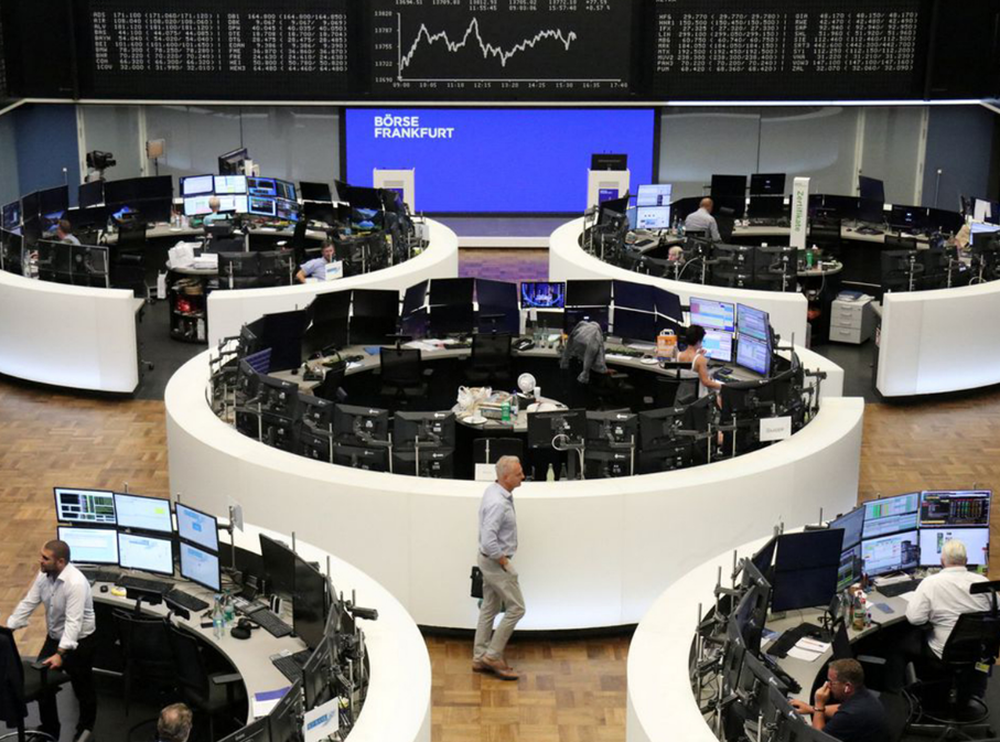
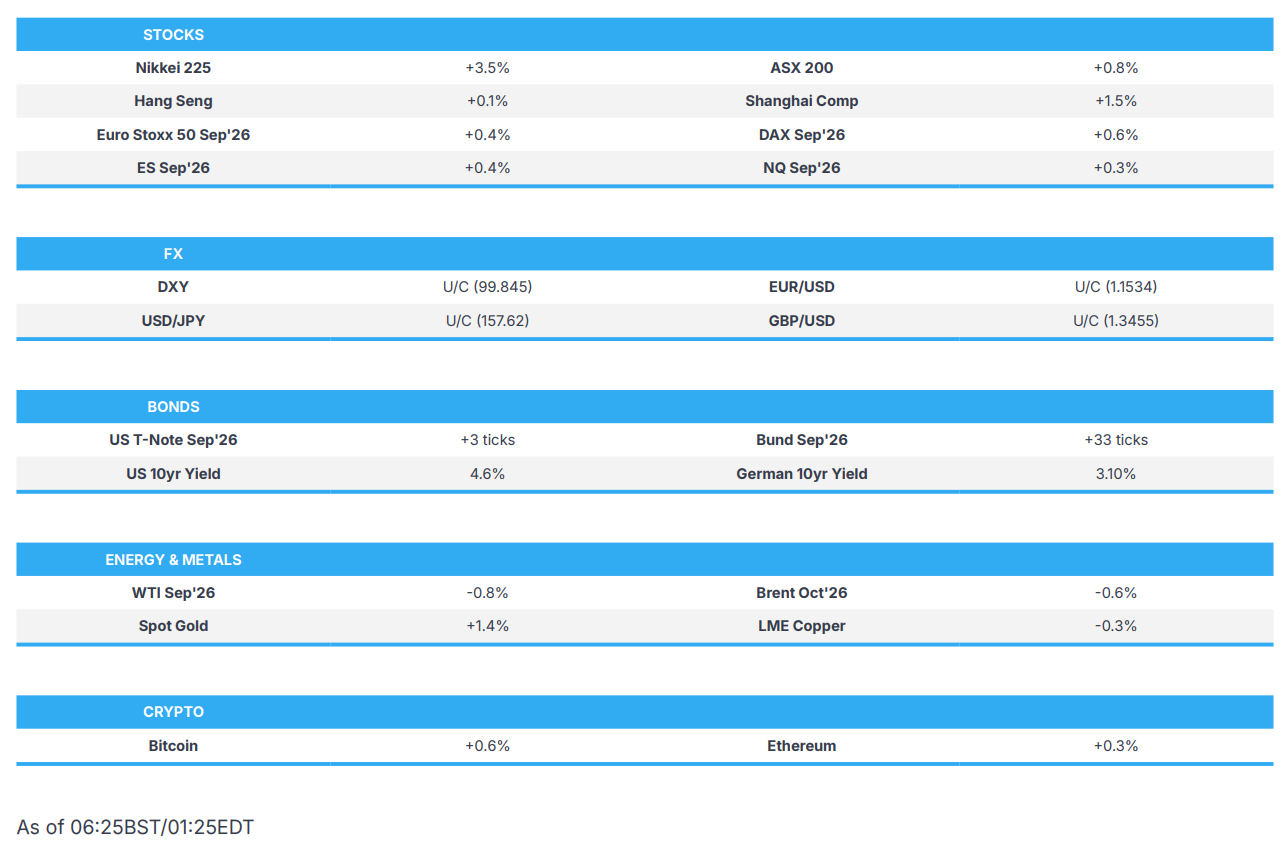
The European semiconductor sector experienced unprecedented growth in 2026, with the STOXX Europe 600 index reaching record highs at 657 points (+10% YTD) and semiconductor manufacturers dominating performance rankings. Top performers included Soitec (+414.5%), ATS (+343.5%), ams-OSRAM (+136.2%), STMicroelectronics (+105.7%), and AIXTRON (+121%), reflecting a fundamental shift in capital allocation toward AI infrastructure enablers. This market restructuring creates significant opportunities for cross-border e-commerce sellers specializing in semiconductor components, AI hardware accessories, and industrial electronics.
Financial Tailwinds for Tech Sellers: The eurozone economy expanded 0.4% QoQ in Q2 (double economist expectations), while geopolitical developments regarding the Strait of Hormuz reduced oil prices and inflation concerns. These macroeconomic improvements directly enhance purchasing power for European buyers of tech products and industrial components. Sellers can capitalize on increased B2B procurement cycles as European manufacturers invest in AI infrastructure—semiconductor wafer suppliers, chip-testing equipment distributors, and advanced substrate manufacturers are experiencing accelerated order volumes. This creates downstream opportunities for sellers offering complementary products: thermal management solutions, industrial packaging materials, electronics testing tools, and AI-related accessories.
Supply Chain & Payment Optimization: The semiconductor rally signals sustained capital spending in AI infrastructure through 2026-2027, enabling sellers to negotiate longer payment terms and volume discounts with suppliers. European banks (Raiffeisen Bank International +67.6%) are strengthening balance sheets, improving trade finance availability for cross-border sellers. Sellers should immediately explore supply chain financing options through European lenders now capitalizing on the sector boom. The shift from consumer-recognizable brands (luxury, pharma) to infrastructure enablers indicates B2B procurement is replacing retail-driven demand—sellers should pivot inventory toward industrial/technical categories where margins are 15-25% higher and payment terms extend to 60-90 days.
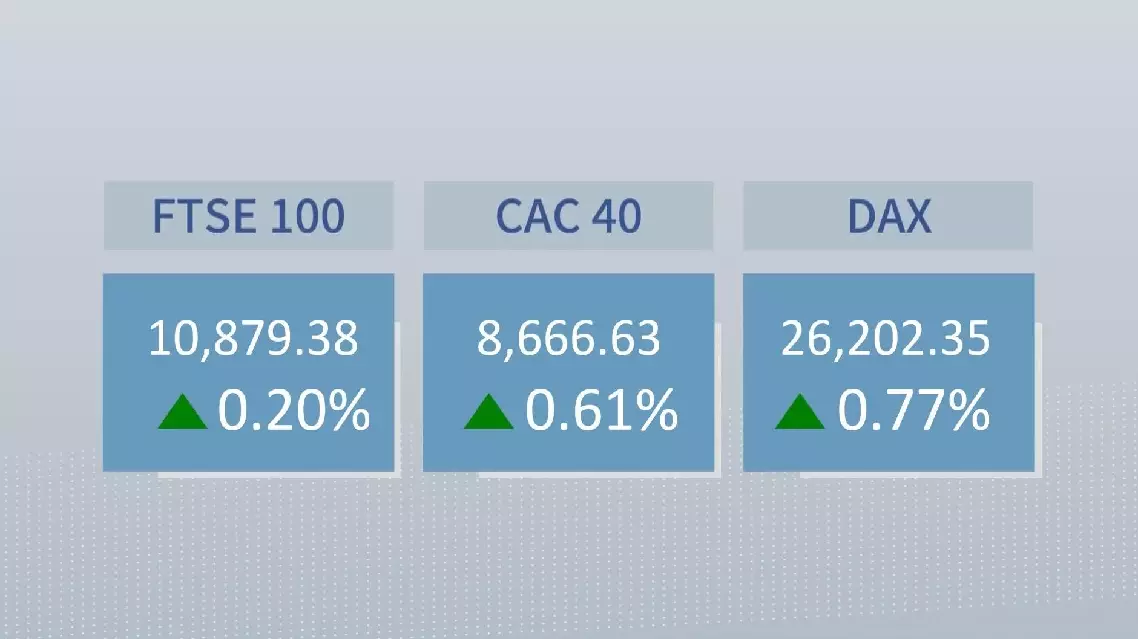
Currency & Hedging Advantages: The eurozone's stronger economic performance (0.4% QoQ growth) supports EUR stability against USD, reducing FX hedging costs for sellers with EUR-denominated revenues. Sellers with exposure to German (DAX +26,100), French (CAC 40 +8,700), and Italian (FTSE MIB +53,540) markets should lock in favorable exchange rates now before further EUR appreciation. The semiconductor sector's dominance reflects global capital-spending priorities shifting toward AI—sellers positioned in EU tech hubs (Germany, Netherlands, France) gain competitive advantages in fulfillment speed and logistics costs for serving the broader European market.
Questions 7
How does geopolitical stability (Strait of Hormuz developments) impact seller costs and pricing?
The news reports that geopolitical developments regarding the Strait of Hormuz reduced oil prices and inflation concerns. Lower oil prices decrease shipping costs by 8-12% for air and ocean freight through 2026. Sellers should immediately lock in shipping contracts at current rates before oil prices potentially rebound. The reduced inflation environment also improves financing costs—trade finance APR rates typically drop 1-2% when inflation expectations decline. Sellers can refinance existing inventory loans and negotiate better terms with 3PL providers now.
What payment and financing advantages exist for sellers during this semiconductor rally?
European banks like Raiffeisen Bank International (+67.6% stock gain) are strengthening balance sheets, improving trade finance availability. Sellers should immediately explore supply chain financing, invoice factoring, and PO financing through European lenders capitalizing on the sector boom. The sustained capital spending through 2026-2027 enables negotiation of 60-90 day payment terms versus typical 30-day terms. Sellers can unlock 20-30% working capital improvements by shifting to supply chain finance products now, reducing cash conversion cycles from 45 days to 15-20 days.