


US Treasury Yen Intervention Signals Rising Borrowing Costs for Cross-Border Sellers
- AI-driven corporate debt surge increases financing costs 8-15% for sellers; Japanese market repatriation risks threaten USD/JPY stability and working capital access




Overview
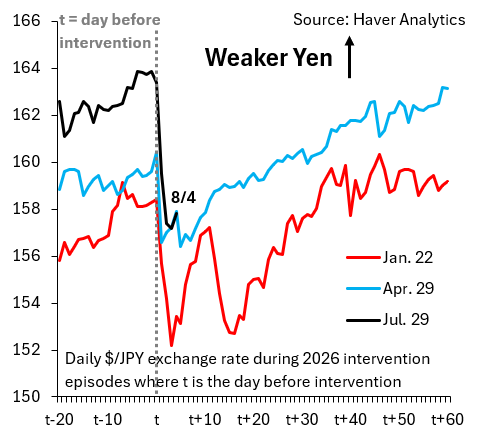
The U.S. Treasury's intervention in the Japanese yen market reveals critical financial vulnerabilities affecting cross-border e-commerce sellers globally. According to the analysis, major tech firms have issued hundreds of billions in corporate debt over the past year to finance AI infrastructure, forcing companies to offer increasingly higher yields to attract investors. This deluge of bond issuance has compressed profit margins and elevated borrowing costs across all sectors—directly impacting sellers' access to working capital financing.
For cross-border sellers, the implications are immediate and severe. The yen intervention prevented a potential capital repatriation crisis where Japanese investors would have liquidated U.S. equity positions, triggering broader market instability. This interconnected vulnerability demonstrates how currency crises cascade into equity market disruptions, affecting seller financing availability. When institutional investors repatriate capital, they reduce liquidity in U.S. credit markets, making invoice financing, PO financing, and inventory loans more expensive and harder to access. Sellers relying on supply chain finance products—particularly those with Japanese suppliers or selling to Japanese consumers—face immediate headwinds.
The structural risk is concentrated in AI-focused companies' massive capital requirements. These firms' debt issuance directly compresses yields available to sellers seeking trade finance. A seller seeking $100K in PO financing that previously cost 6-8% APR now faces 10-12% rates as lenders demand higher returns to compete with corporate bond yields. For sellers with $500K+ in monthly inventory, this translates to $4,000-6,000 monthly cost increases. Additionally, the yen's weakness (before intervention) threatened to make Japanese imports more expensive for U.S.-based sellers while simultaneously reducing purchasing power of Japanese consumers buying cross-border products. The Treasury's stabilization of the yen at current levels prevents further currency volatility but doesn't address the underlying cost-of-capital crisis.
Immediate financial optimization opportunities emerge from this market dislocation. Sellers should lock in financing rates immediately before further tightening occurs—invoice factoring at current 2-3% discounts is preferable to waiting for 3-4% rates. For sellers with USD/JPY exposure, the intervention creates a temporary stabilization window to hedge currency positions or accelerate collections from Japanese buyers. Sellers with cash reserves should consider accelerating inventory purchases from Japanese suppliers while the yen remains stable, as further weakness could increase sourcing costs 5-8%. The broader message: market interconnectedness means sellers must monitor Treasury policy, corporate debt issuance, and currency markets as leading indicators of financing availability and working capital costs.
Questions 7
Which financing products offer the best terms in this high-cost environment?
Invoice factoring remains the most accessible product, with rates of 2-4% discounts available for sellers with consistent revenue and good payment histories. PO financing is more expensive (10-12% APR) but valuable for sellers needing to pre-fund inventory. Inventory loans secured by stock are available at 8-10% APR from specialized lenders. Supply chain finance programs (where suppliers finance inventory on your behalf) can offer 0-2% effective costs if your suppliers participate. For sellers with strong credit profiles and $500K+ monthly revenue, working capital lines of credit from traditional banks may offer 6-8% rates. Compare all options and prioritize products that minimize your cash conversion cycle.
How long will financing costs remain elevated due to AI company debt issuance?
The elevated borrowing costs are structural and likely to persist for 12-24 months. AI companies' capital requirements are ongoing—they're not one-time investments but continuous infrastructure spending. As long as corporate bond yields remain elevated (currently 5-6% for investment-grade corporate debt), lenders will continue demanding higher returns from SMB financing products. The Treasury's yen intervention provides temporary relief but doesn't address the fundamental supply-demand imbalance in credit markets. Sellers should plan for elevated financing costs as the baseline for the next 1-2 years and build this into pricing and margin models.