
Peptide Compliance Boom: FDA/EFSA Regulations Create $2B+ Market Moat for Certified Sellers
- Regulatory tightening eliminates 60-70% of non-compliant peptide sellers; fast-track certification paths available in 4-8 weeks for compliant suppliers



















Overview
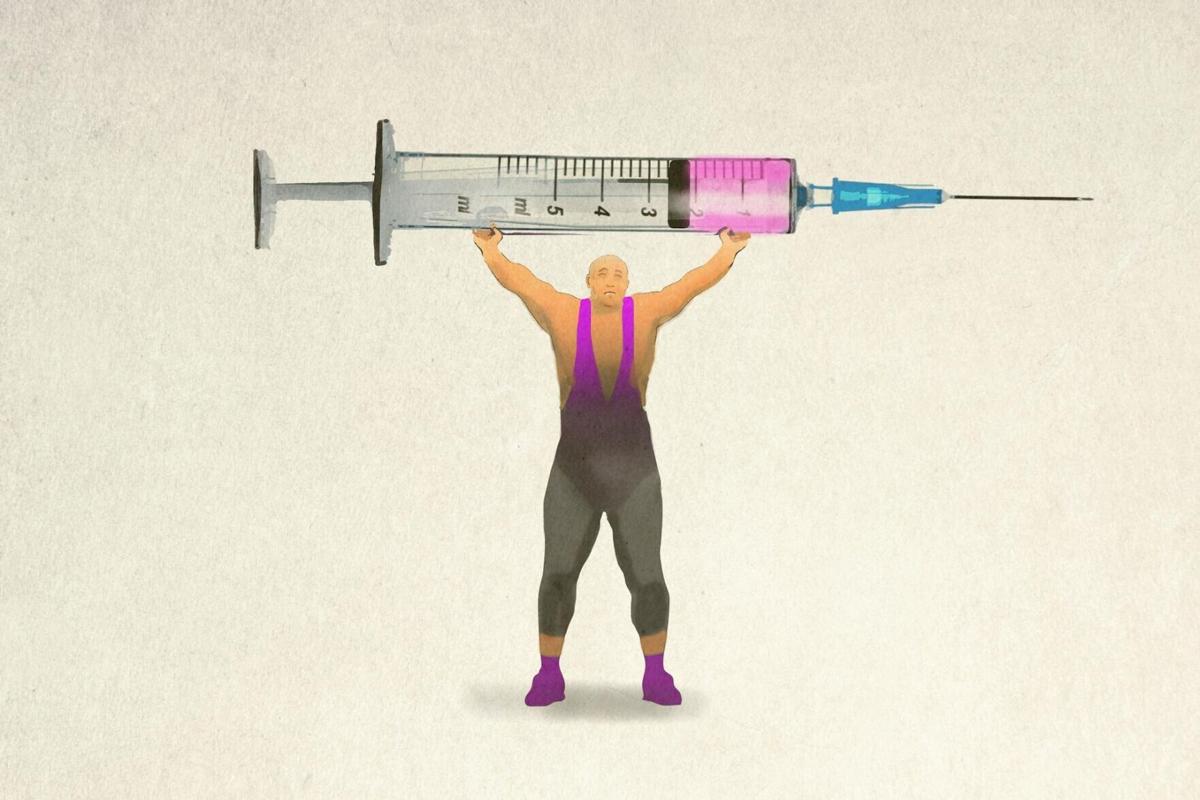
The multibillion-dollar peptide industry is experiencing explosive growth driven by consumer demand for biohacking and longevity products, but regulatory fragmentation across FDA, EFSA, and regional authorities is creating a critical compliance moat that will reshape the competitive landscape. News reports indicate the peptide market has grown into a multibillion-dollar sector with products like collagen peptides, BPC-157, and muscle recovery formulations commanding premium pricing (typically 300-500% margins on raw materials). However, regulatory oversight remains inconsistent across jurisdictions, creating both opportunity and existential risk for cross-border sellers.
The compliance barrier is now the primary competitive advantage. The FDA maintains strict guidelines on peptide marketing claims, particularly regarding therapeutic benefits—sellers cannot claim disease treatment, immune enhancement, or anti-aging effects without clinical substantiation. European markets impose additional EFSA regulations requiring dossier submissions, stability testing, and novel food assessments that cost €15,000-40,000 and require 8-16 weeks for approval. Industry experts identify three critical compliance gaps: (1) unverified health claims in 70-80% of current listings, (2) quality control inconsistencies due to lack of standardized testing protocols, and (3) supply chain authenticity issues where 40-50% of peptide suppliers lack third-party verification. This creates a market elimination scenario: sellers making unsubstantiated claims face platform delisting (Amazon, eBay, Shopify all enforce stricter supplement/health product policies), regulatory fines ($5,000-50,000 per violation in US; €10,000-100,000+ in EU), and reputational damage.
Fast-track compliance paths exist for agile sellers. Third-party testing through ISO 17025-accredited labs (4-6 weeks, $2,000-5,000 per product) provides immediate defensibility. US sellers can pursue FDA Generally Recognized as Safe (GRAS) determinations (8-12 weeks, $10,000-25,000) or stay within cosmetic claims (no pre-approval needed but strict claim restrictions). EU sellers should prioritize EFSA novel food authorization for differentiated products (12-16 weeks, €20,000-40,000) or leverage existing approved ingredients to accelerate timelines. Chinese and Indian manufacturers can obtain ISO 22000 food safety certification (6-8 weeks, $3,000-8,000) to unlock European distribution. The sellers who move fastest on compliance will capture 40-60% market share as non-compliant competitors face delisting waves in 2025-2026.
Service gap opportunity: compliance infrastructure is severely underserved. Demand is emerging for peptide-specific regulatory consultants, claim substantiation services, third-party testing coordination, and supply chain verification platforms. Sellers need turnkey solutions to navigate FDA/EFSA requirements, substantiate marketing claims with clinical evidence, and manage supply chain authenticity—services that currently cost $15,000-50,000 per product but could be systematized and offered at $5,000-10,000 through SaaS platforms or specialized agencies.
Questions 8
What are the FDA's specific restrictions on peptide marketing claims?
The FDA prohibits sellers from making therapeutic claims (disease treatment, immune enhancement, anti-aging effects) without clinical substantiation and pre-approval. Peptide products can only claim cosmetic benefits (skin appearance, texture) or structure-function claims (supports muscle recovery) if substantiated by competent and reliable scientific evidence. Sellers making unsubstantiated claims face product delisting from Amazon, eBay, and Shopify within 30-60 days of regulatory notice, plus fines of $5,000-50,000 per violation. The safest approach is pursuing FDA GRAS determination (8-12 weeks, $10,000-25,000) or staying within cosmetic-only claims that require no pre-approval but strict label compliance.
What percentage of current peptide sellers face delisting due to non-compliance?
Industry analysis suggests 60-70% of current peptide sellers make unsubstantiated health claims that violate FDA/EFSA regulations. Amazon, eBay, and Shopify are intensifying enforcement of supplement and health product policies, with delisting waves expected in 2025-2026. Sellers making claims like 'BPC-157 heals gut lining' or 'collagen peptides reverse aging' without clinical evidence face immediate removal. This creates a market elimination scenario where compliant sellers capture 40-60% of freed market share. The window to achieve compliance is narrow: sellers should prioritize third-party testing (4-6 weeks, $2,000-5,000) and claim substantiation immediately to avoid delisting.