


Trademark Enforcement Escalation | Small Business IP Risk & Compliance Opportunities for Sellers
- Buc-ee's files multiple lawsuits against small retailers over mascot similarity; reveals aggressive IP enforcement pattern affecting 2+ states (Georgia, Ohio) with $34K+ community legal defense fundraising



Overview
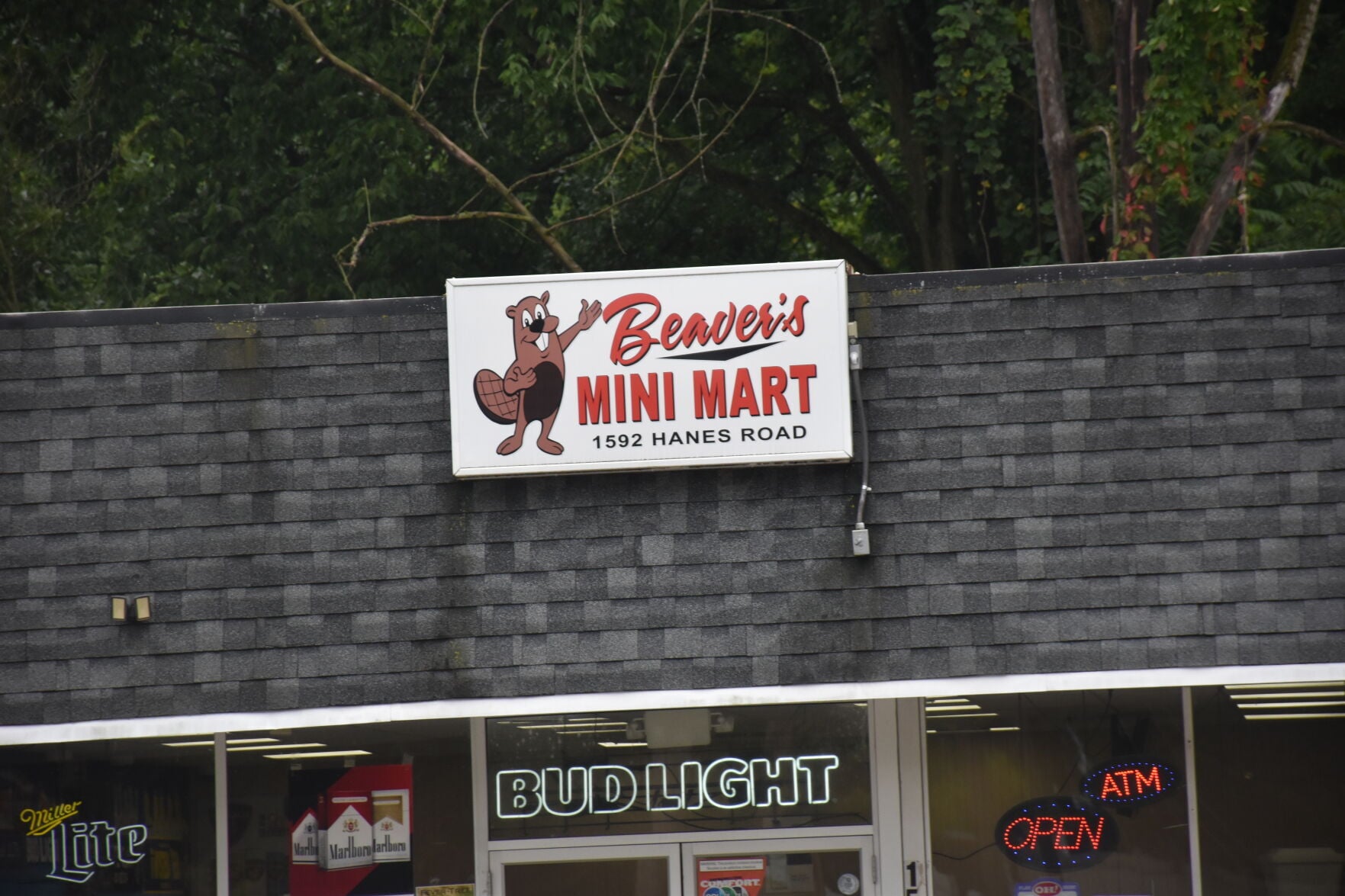
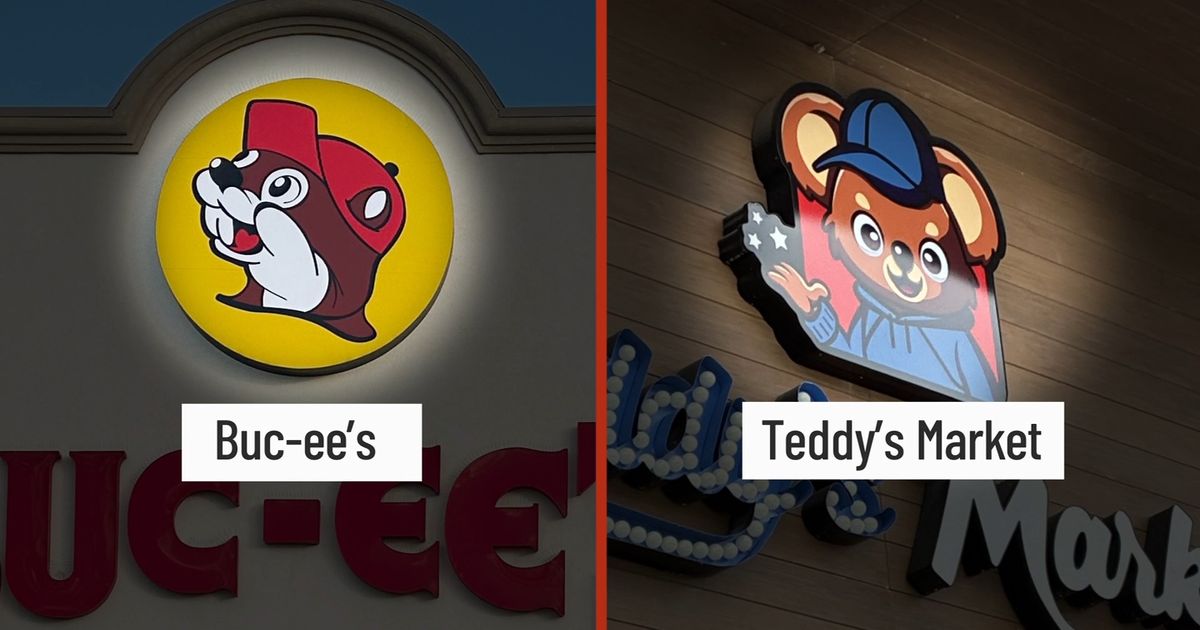
Buc-ee's aggressive trademark enforcement against small retailers reveals a critical compliance risk pattern for e-commerce sellers operating branded merchandise and mascot-based products. The Texas-based convenience chain has filed trademark infringement lawsuits against Teddy's Market (Georgia) and Beaver's Mini Mart (Ohio) over mascot similarity, claiming confusingly similar cartoonish animal characters despite geographic separation and contextual differences. This represents a broader enforcement trend: the news explicitly states "other businesses with anthropomorphic mascots have reportedly received similar legal notices from larger corporations."
For e-commerce sellers, this signals three immediate compliance vulnerabilities: First, mascot and character-based merchandise (plush toys, branded apparel, collectibles) faces heightened trademark scrutiny. Buc-ee's arguments focus on phonetic similarity ("Teddy's" vs "Buc-ee's" both ending in "eez" sounds) and visual characteristics (hats, eye highlights, tongue colors)—criteria that could apply to any animal-themed product line. Sellers offering bear, beaver, or generic animal mascot merchandise on Amazon, Shopify, or eBay must now conduct deeper trademark searches beyond exact name matches, examining phonetic and visual similarity across broader trademark classes. Second, small business defensibility is deteriorating: Beaver's Mini Mart raised $34,000 toward $45,000 legal defense costs through community crowdfunding, indicating trademark defense costs range $40-50K+ for small retailers. Most e-commerce sellers lack this community support network, making settlement more likely than litigation. Third, geographic and contextual arguments provide limited protection: Despite Beaver's Mini Mart being 20 minutes from Buc-ee's nearest location and beaver imagery being common in Beavercreek (the town's local symbol), Buc-ee's proceeded with litigation, suggesting courts may not accept geographic separation as a strong defense against trademark claims.
The compliance opportunity emerges in three areas: (1) Trademark clearance services for sellers are underserved—demand will spike as small businesses seek pre-launch IP audits to avoid costly litigation. (2) Alternative product design strategies that maintain brand identity while avoiding trademark conflicts (e.g., shifting from animal mascots to abstract symbols, geometric designs, or text-based branding) represent a growing consulting niche. (3) IP insurance and legal defense financing products targeting small e-commerce sellers could capture market share as awareness of enforcement costs spreads. The pattern also suggests that established brands with strong trademark portfolios will increasingly use litigation as a competitive moat, eliminating smaller competitors through legal pressure rather than market competition. Sellers should expect this enforcement intensity to increase as Buc-ee's expands into new markets (Ohio expansion noted in news), creating enforcement opportunities in each new geographic region.
Questions 8
What visual characteristics trigger trademark infringement for mascot-based products?
According to the Buc-ee's litigation, visual similarity includes specific design elements: cartoonish animal characteristics, hats, white highlights on eyes and noses, and colored tongues (red or pink). These details matter because trademark law protects the overall impression created by a mark, not just the animal type. For sellers offering plush toys, apparel, or collectibles with animal mascots, this means you cannot simply change the animal species and assume you're safe. A bear mascot with similar visual treatment to a beaver mascot can still infringe. Sellers should conduct visual similarity assessments by comparing their designs to existing registered trademarks in the USPTO database (free at uspto.gov). If your mascot shares 3+ visual elements with a registered mark, consult a trademark attorney before launching. This is especially critical for sellers on Amazon, where trademark complaints can result in listing suspension.
How does phonetic similarity affect trademark infringement claims for e-commerce sellers?
Phonetic similarity is a key trademark doctrine that courts use to determine likelihood of confusion, even when names aren't identical. In the Buc-ee's cases, the chain argued that 'Teddy's' and 'Buc-ee's' both use two-syllable names with hard consonant sounds ending in 'eez'—a phonetic pattern that could confuse consumers. For e-commerce sellers, this means trademark searches must go beyond exact name matching. If you're selling products under a brand name, you should conduct phonetic analysis of existing trademarks in your category. A trademark attorney can perform this analysis for $300-800, which is far cheaper than defending a lawsuit costing $40,000+. Sellers on Amazon and Shopify should document their trademark clearance process before launching branded merchandise.