



Cyclospora Outbreak Drives Local Produce Demand | Seller Sourcing Opportunity
- 226 confirmed cases in Iowa alone trigger 228% year-over-year case increase; consumer shift to local/regional produce creates sourcing and fulfillment opportunities for specialty food sellers




Overview
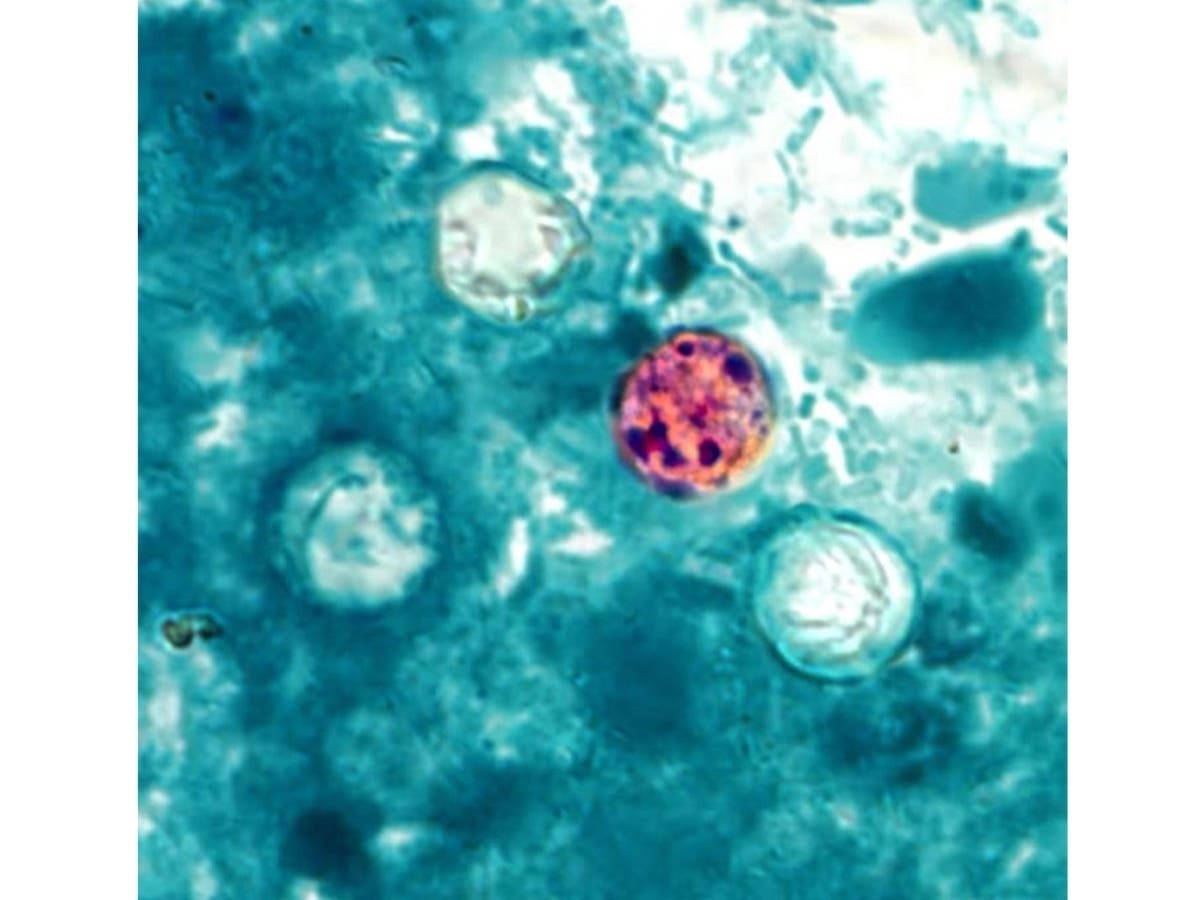
The cyclosporiasis outbreak affecting 15 U.S. states (226 confirmed cases in Iowa as of July 30, up from 69 cases in 2025) has triggered a significant consumer behavior shift toward locally-sourced and regionally-produced food products. This represents a critical supply chain and sourcing opportunity for cross-border and domestic e-commerce sellers specializing in specialty foods, organic produce, and regional agricultural products.
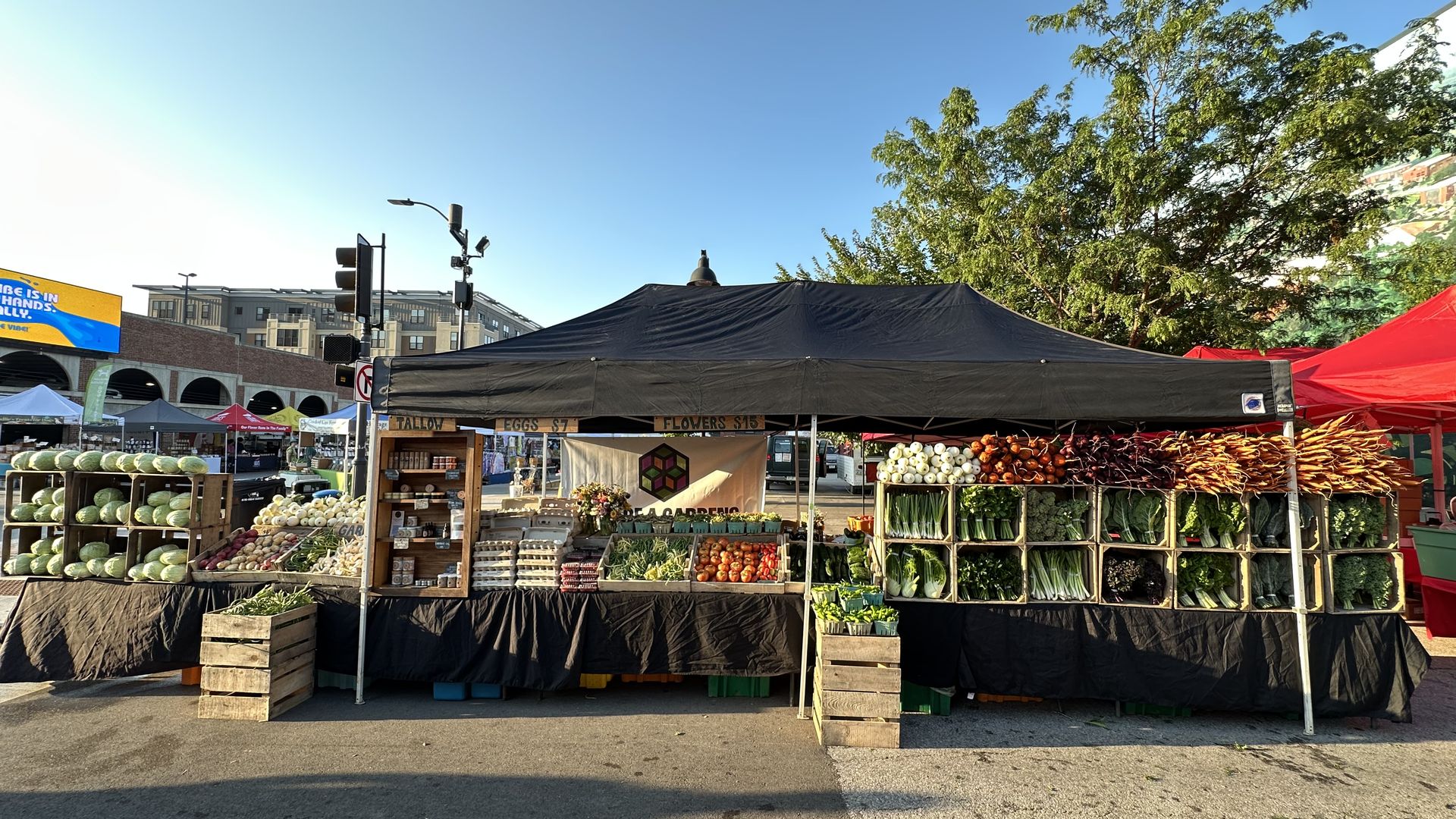
Supply Chain Disruption Creates Sourcing Advantage: Taylor Farms, the $7B+ produce company linked to the outbreak, has faced FDA scrutiny revealing only 5 of 168,000+ Mexican produce shipments underwent physical inspection in H1 2026—exposing massive gaps in international produce supply chain verification. This regulatory weakness creates immediate opportunities for sellers to source from verified, locally-certified producers. Sellers currently sourcing from large-scale Mexican operations face reputational risk; pivoting to regional U.S. producers (Iowa, Midwest) with transparent supply chains offers competitive differentiation. The outbreak demonstrates consumer willingness to pay premiums for supply chain transparency—Grade A Gardens (30-acre Iowa farm) reported record sales at farmers' markets following outbreak announcements.
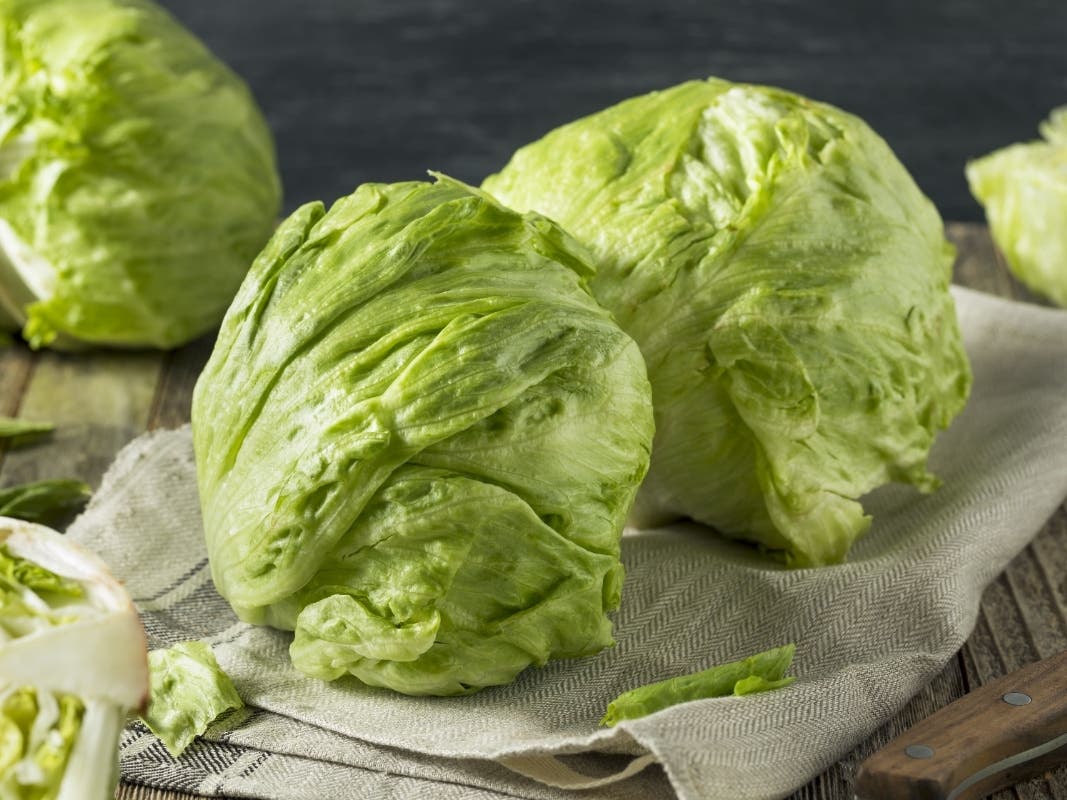
Inventory & Fulfillment Strategy: The timing challenge is critical: lettuce (primary contamination vector) is out of season in Iowa, but consumers actively seek alternative seasonal produce (corn, tomatoes, green beans, cooking greens, okra). Sellers should immediately source Q3-Q4 inventory from regional producers in high-outbreak states (Iowa, 15-state affected region) and position stock in Midwest fulfillment centers. The Leopold Center reports Iowa imports 90% of food supply—creating a 3-6 month window for sellers to establish direct relationships with local producers before seasonal demand normalizes. Establish 3PL partnerships in Des Moines, Chicago, and regional hubs to serve the "local-first" consumer segment now actively seeking alternatives to national brands.
Market Positioning: This outbreak creates a "trust premium" opportunity. Sellers can capitalize on consumer demand for supply chain transparency by emphasizing: (1) direct producer relationships, (2) third-party food safety certifications, (3) regional sourcing claims, and (4) transparent traceability documentation. Amazon Fresh, Whole Foods, and specialty food marketplaces are actively seeking verified regional suppliers to replace Taylor Farms inventory gaps. The outbreak-driven demand spike is immediate but time-limited (3-6 months); sellers must act within 30 days to secure supplier relationships and establish fulfillment infrastructure before competitors saturate the opportunity.
Questions 7
How does the Taylor Farms outbreak create sourcing opportunities for specialty food sellers?
The outbreak has exposed critical gaps in large-scale produce supply chain verification—only 5 of 168,000+ Mexican shipments underwent FDA physical inspection in H1 2026. This creates immediate demand for sellers offering verified, locally-sourced alternatives with transparent traceability. Grade A Gardens (Iowa) reported record sales following outbreak announcements, demonstrating consumers' willingness to pay premiums for supply chain transparency. Sellers should immediately establish direct relationships with regional producers in the 15 affected states and emphasize third-party food safety certifications to capture this trust-premium market segment.
Which fulfillment models work best for capitalizing on local produce demand?
Regional 3PL partnerships in Midwest hubs (Des Moines, Chicago, St. Louis) offer the fastest route to market for local produce sellers. Amazon Fresh and Whole Foods are actively seeking verified regional suppliers to replace Taylor Farms inventory gaps. Consider hybrid fulfillment: direct-to-consumer through Shopify/WooCommerce for premium positioning, plus B2B2C through Amazon Fresh and Whole Foods for volume. FBA is less suitable for perishables; instead, establish partnerships with regional cold-chain 3PLs specializing in food distribution. The outbreak-driven demand spike is immediate but time-limited (3-6 months).