

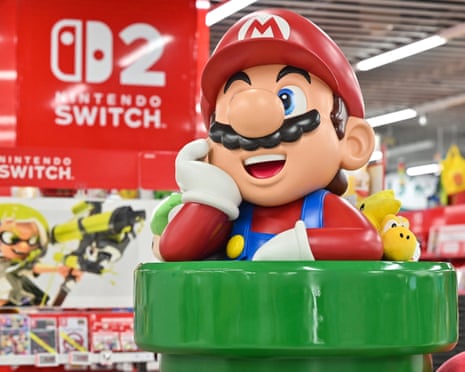


Trump Tariff Refunds Drive 53% Profit Surge | Gaming Hardware Sellers Win
- US Supreme Court ruling in February 2026 invalidates tariffs, Nintendo receives 100B yen refund; creates precedent for electronics exporters to recover 60% of levies paid


















Overview
The February 2026 US Supreme Court ruling declaring Donald Trump's tariffs illegal has triggered a major financial windfall for Japanese exporters, with Nintendo receiving approximately 100 billion yen ($694M equivalent) in refunds from the 165 billion yen in tariffs previously collected—representing 60% of total levies charged. This landmark decision creates a critical precedent for cross-border electronics sellers, particularly those exporting gaming hardware, consumer electronics, and entertainment products from Japan, Taiwan, and other tariff-affected nations to the US market.
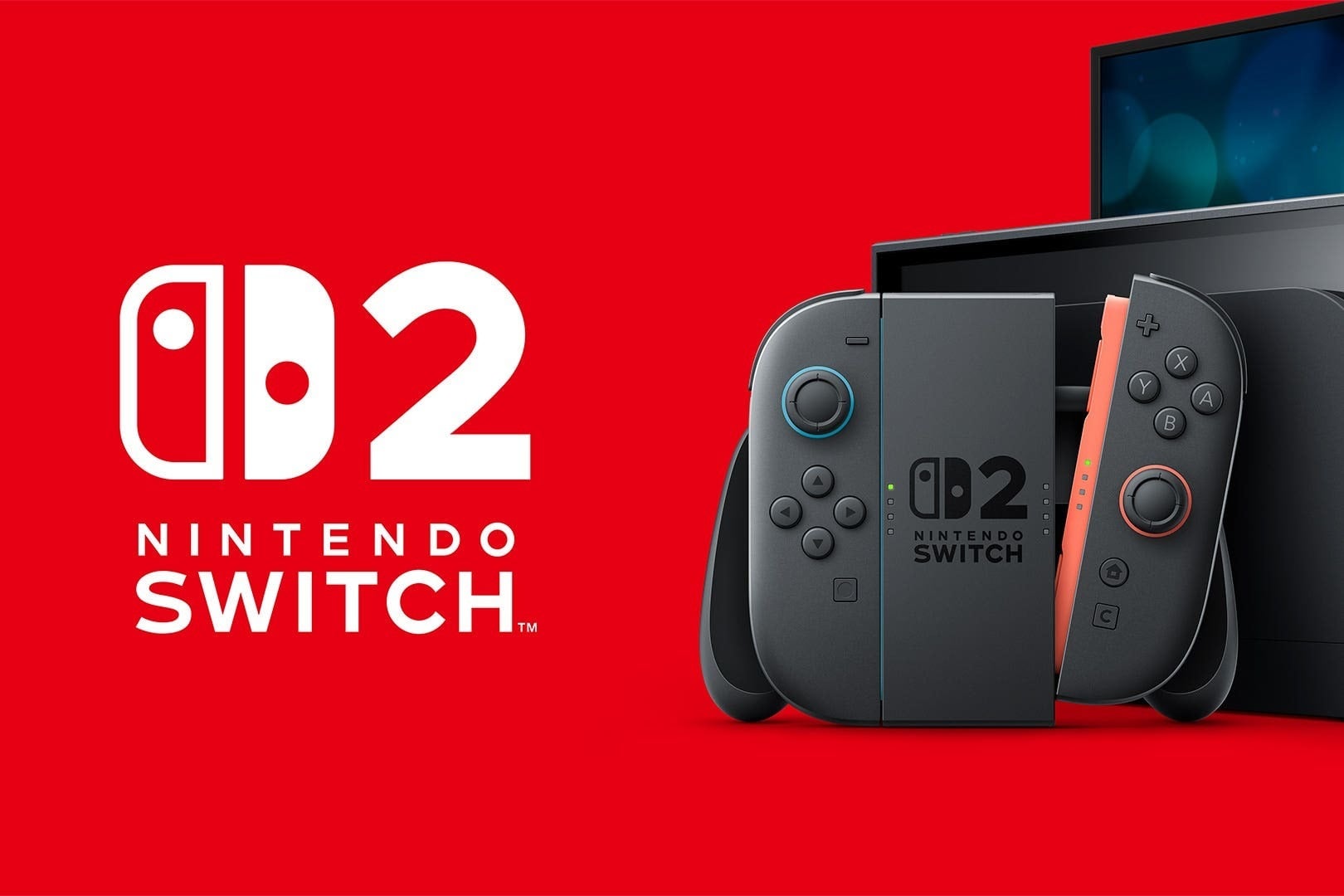
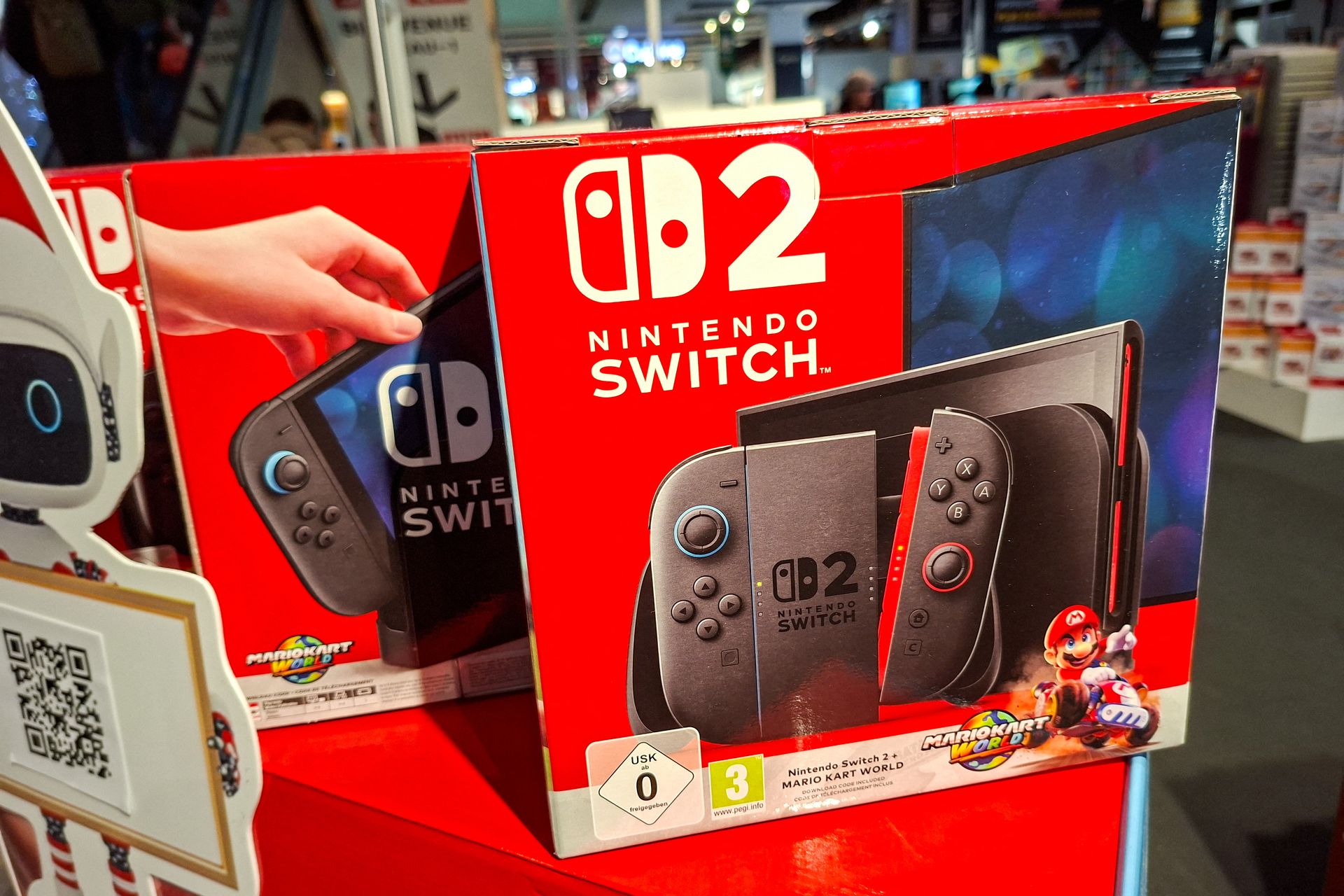
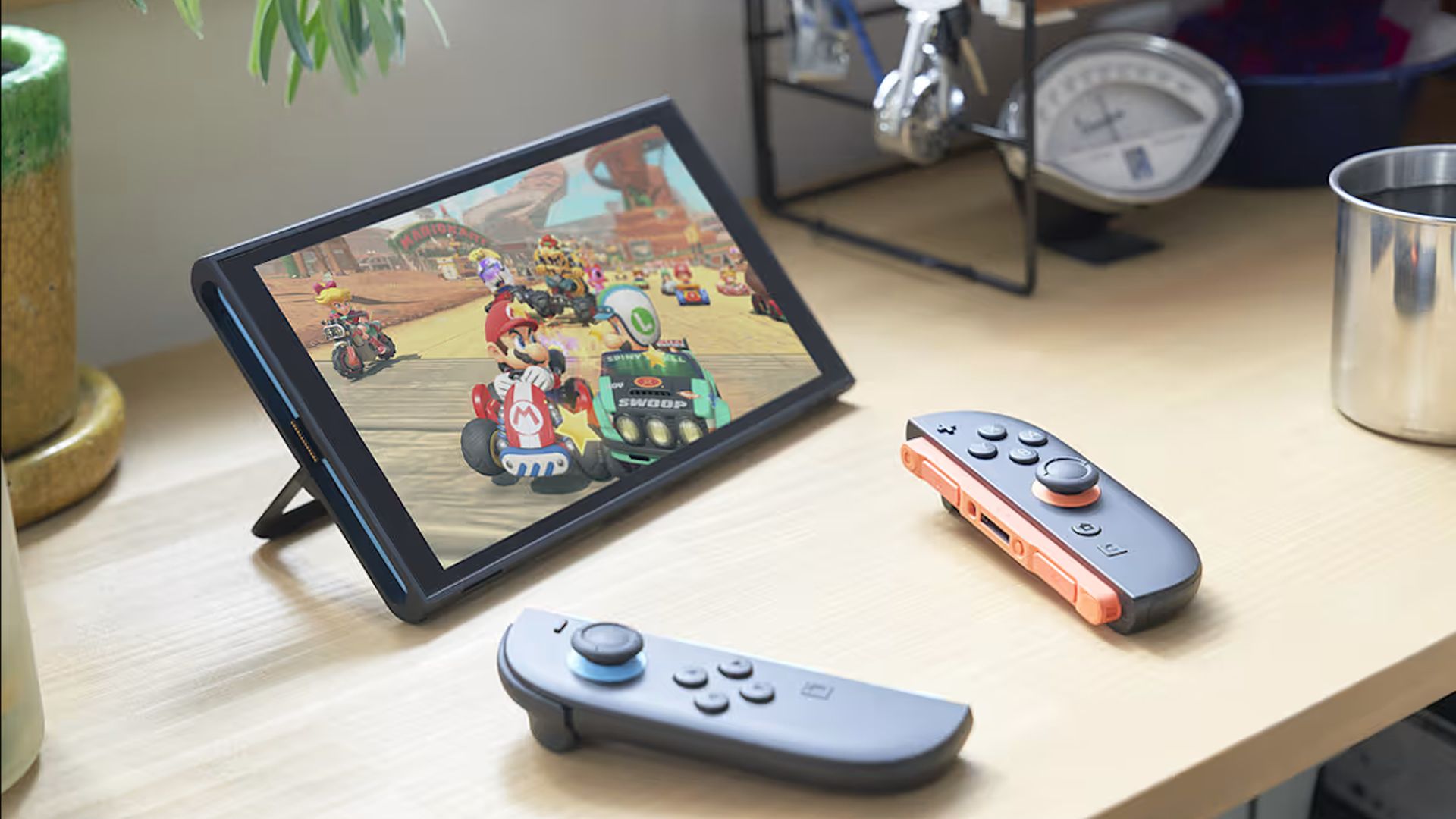
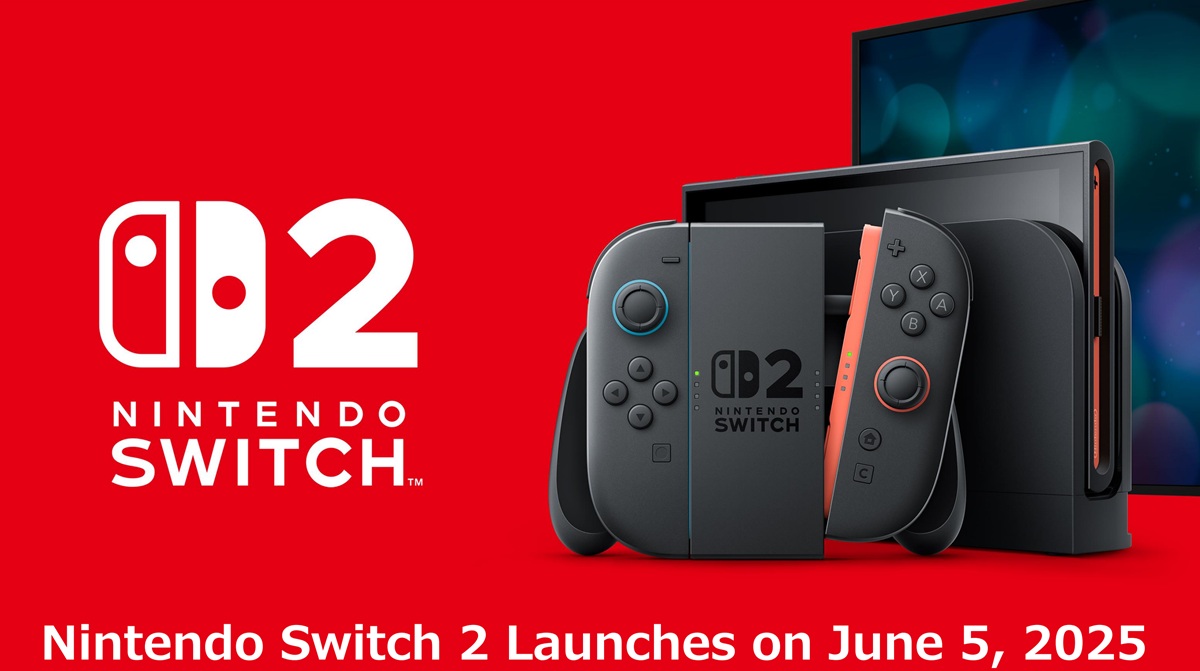
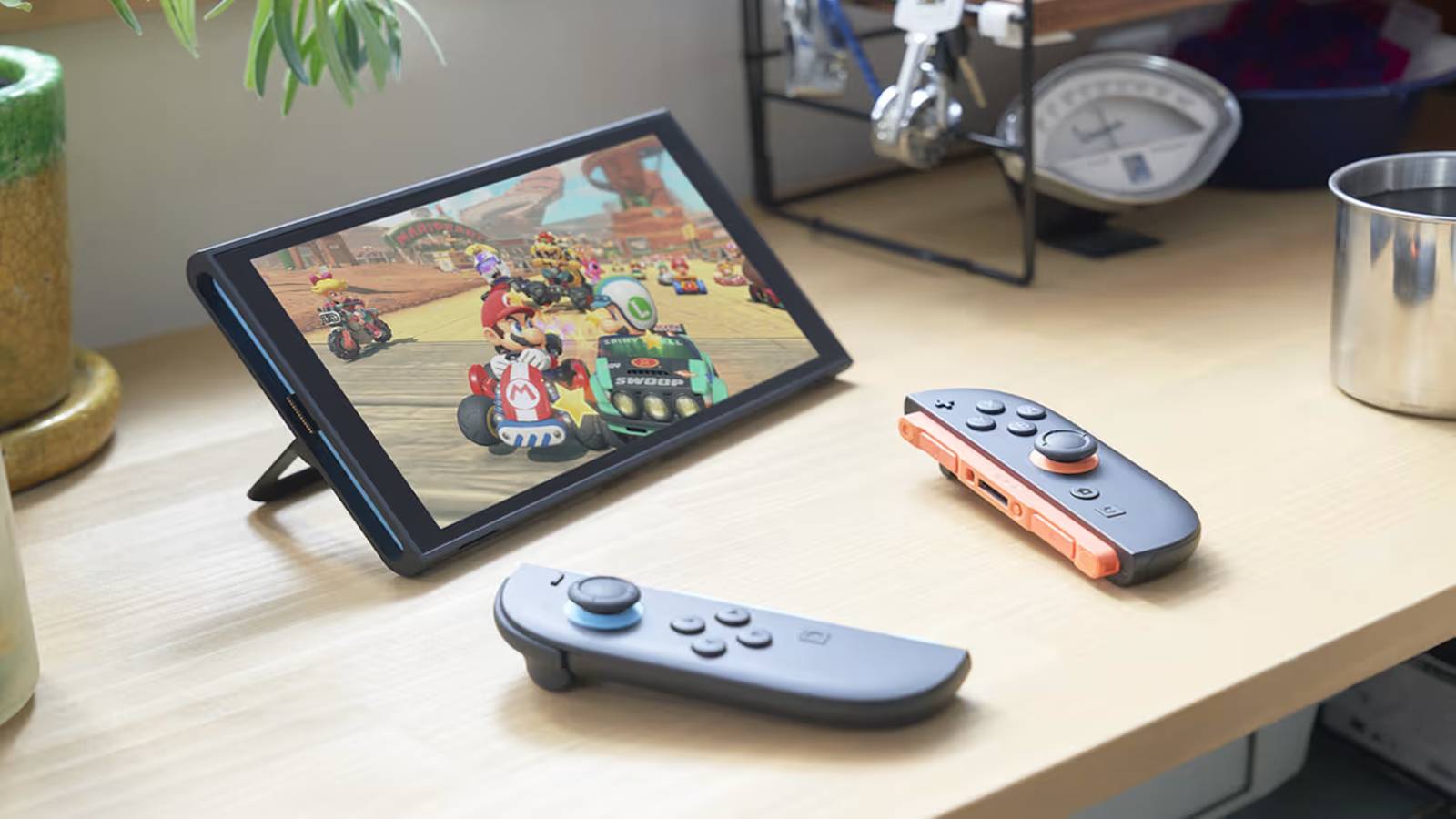
For electronics and gaming merchandise sellers, this ruling has immediate implications across multiple dimensions. Nintendo's 53.5% quarterly profit surge to 147.4 billion yen (Q3 2026) demonstrates the magnitude of tariff burden that had compressed margins for months. The company's Switch 2 console sales remained strong despite a 10% year-over-year revenue decline, indicating that tariff-inflated pricing had suppressed demand volume. Sellers exporting similar products—gaming consoles, accessories, peripherals, and related merchandise—can now pursue refund claims through the same legal framework Nintendo leveraged. The refund represents a 60% recovery rate, establishing expectations for other exporters filing claims.
The competitive dynamics shift significantly for sellers in electronics, gaming hardware, and consumer tech categories. Large manufacturers like Nintendo can absorb legal costs and pursue full refund coverage including interest (as Nintendo's lawsuit demands), while smaller sellers may lack resources for litigation. However, the coalition of 25 US states now suing the Trump administration over the levies creates a broader legal environment favoring tariff relief, potentially enabling class-action recovery mechanisms for mid-market exporters. This creates a window where sellers should document all tariff payments by HS code and country of origin to support future refund claims.
The pricing strategy implications are substantial. Nintendo faces a class-action lawsuit alleging it raised consumer prices due to tariffs but failed to pass refunds to customers—a legal risk that affects all sellers who maintained elevated pricing during the tariff period. Sellers must now decide whether to retroactively adjust pricing, offer credits, or defend pricing as reflecting actual product value. The refund window creates an opportunity to improve margins by 8-15% if sellers can reduce landed costs without triggering consumer backlash over previous pricing.
Fresh tariff rounds on 80+ countries including Japan (imposed after the February ruling) indicate ongoing policy volatility. Sellers must monitor whether these new tariffs will face similar legal challenges, creating a pattern of temporary tariff implementation followed by refunds. This uncertainty favors sellers with flexible sourcing strategies and the ability to shift production or sourcing countries quickly.
Questions 7
How should sellers time inventory purchases given tariff uncertainty?
The pattern of tariff implementation followed by legal challenges (February 2026 ruling, subsequent 80-country tariff rounds) suggests a 3-6 month cycle between tariff imposition and potential refunds. Sellers should adopt a staged inventory strategy: (1) maintain 30-45 days of safety stock to avoid stockouts during tariff periods, (2) negotiate supply contracts with tariff-adjustment clauses allowing price reductions if tariffs are invalidated, (3) monitor USTR announcements and state litigation for signals of tariff relief. Nintendo's experience shows that tariff-inflated pricing suppressed demand (10% revenue decline despite strong Switch 2 sales), so sellers should model demand elasticity assuming tariffs will eventually be refunded. Consider forward-contracting with suppliers at tariff-inclusive prices, then renegotiating downward when refunds are received.
What pricing strategy should sellers adopt after receiving tariff refunds?
Nintendo faces a class-action lawsuit alleging it raised consumer prices during the tariff period but failed to pass refunds to customers—a legal risk affecting all sellers. Sellers have three strategic options: (1) retroactively adjust pricing downward by 8-15% to reflect reduced landed costs, (2) offer customer credits or rebates to mitigate litigation risk, or (3) defend pricing as reflecting actual product value. The refund window creates a 30-90 day opportunity to improve margins while managing consumer perception. Sellers should monitor competitor pricing adjustments and consider regional pricing strategies, as US-based consumers may expect price reductions while international markets may not.