



Cultural Sensitivity Crisis in Global Marketing | Starbucks Korea Case Reshapes Brand Risk Management for Cross-Border Sellers
- Police raid triggers CEO termination and nationwide store closure; demonstrates regulatory enforcement of cultural compliance in international markets







/tpg/sources/8fc44d14-7a97-496b-9abe-4180b9bb578b.jpeg)

Overview
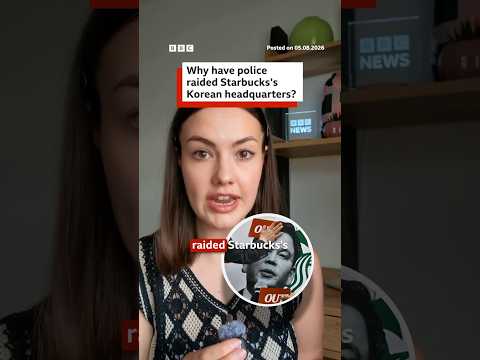
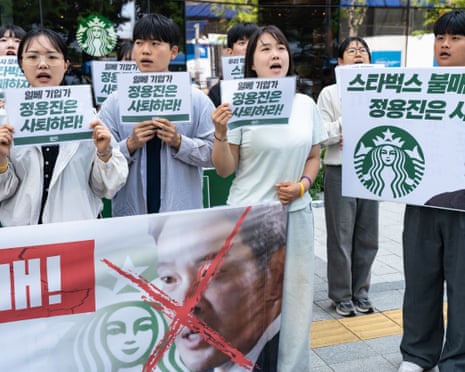
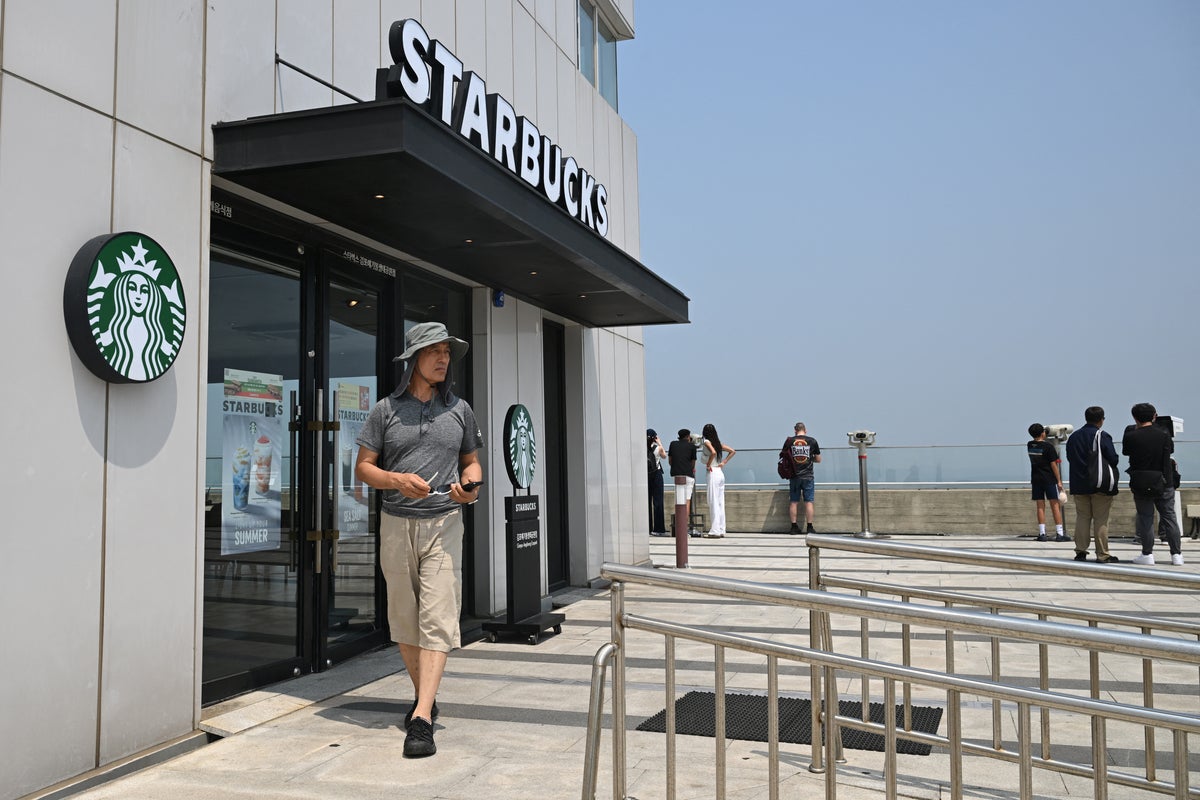
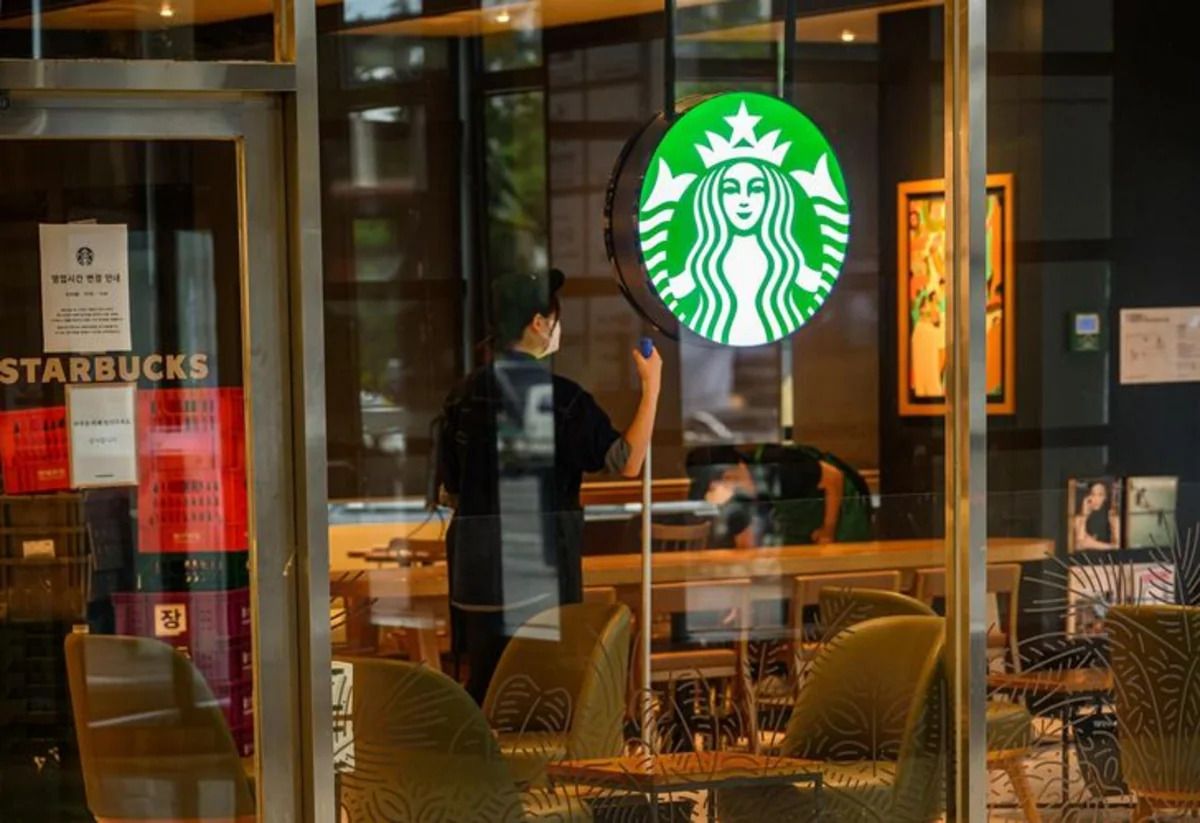
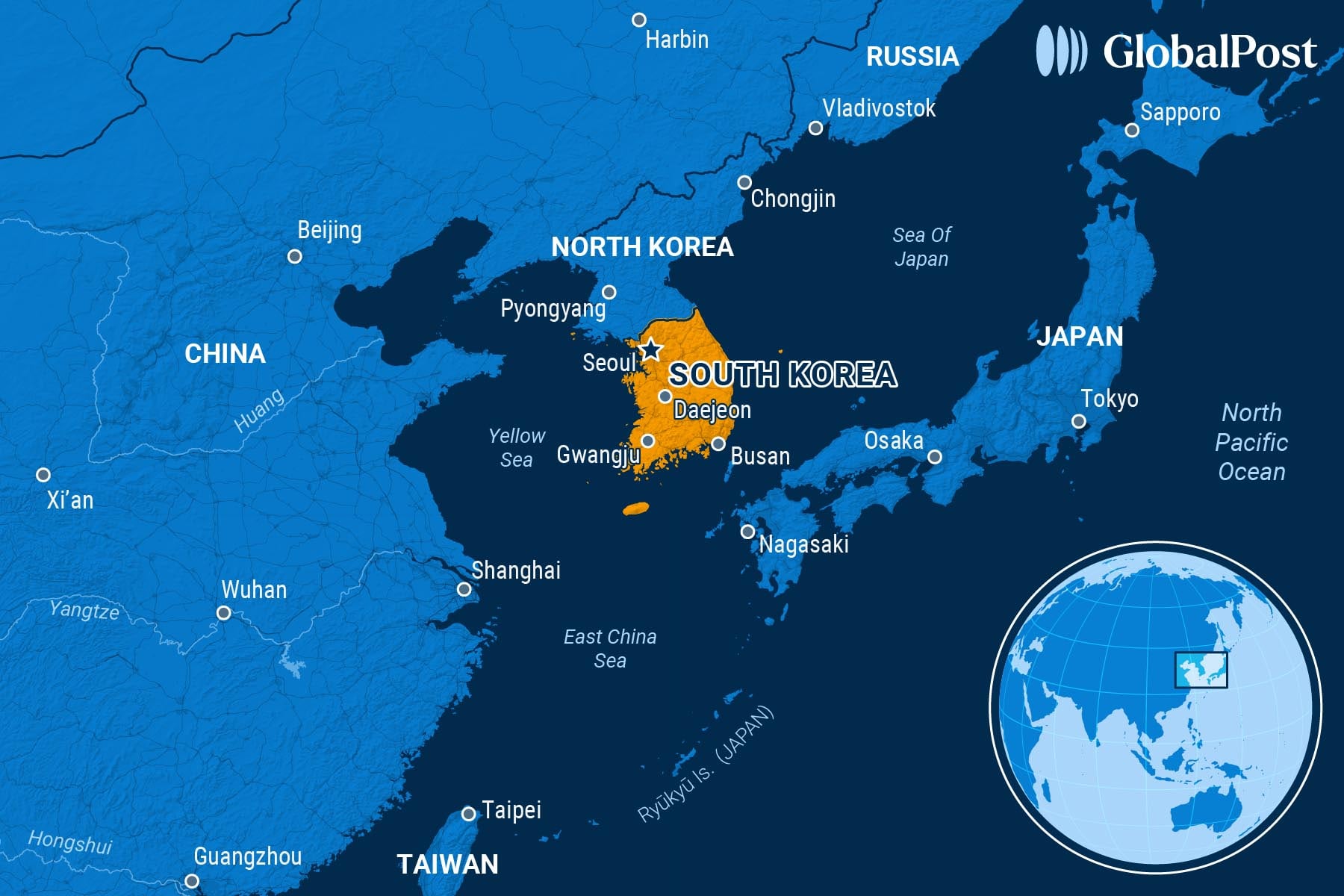
The Starbucks Korea incident represents a critical inflection point for cross-border e-commerce sellers operating in culturally sensitive markets. On August 6, 2026, South Korean police raided Starbucks Korea's headquarters following a catastrophic marketing campaign that inadvertently referenced the 1980 Gwangju pro-democracy uprising—a historical trauma that claimed approximately 200 lives. The campaign promoted stainless-steel tumblers branded as "SS Tank" with May 18 designated as "Tank Day," while the slogan "Thwack it on the table!" was widely interpreted as mocking a 1987 police torture death. Shinsegae Group, which owns 67.5% of Starbucks Korea, immediately canceled the campaign, terminated the CEO, and closed all stores nationwide on June 22 for mandatory cultural sensitivity training—demonstrating how rapidly regulatory and reputational consequences escalate.
For cross-border sellers, this incident reveals three critical operational risks: First, regulatory enforcement is accelerating—police investigations, executive termination, and mandatory operational shutdowns are now standard consequences for cultural insensitivity in major markets like South Korea. Second, brand damage compounds across platforms—negative sentiment spreads instantly across Amazon reviews, TikTok Shop, Shopify storefronts, and social commerce channels, directly impacting conversion rates and customer acquisition costs (CAC). Third, product naming and campaign timing carry hidden symbolic risks—sellers launching merchandise in international markets must conduct historical and cultural due diligence before campaign launches, particularly when product names, dates, or slogans carry unintended meanings.
The market implications are substantial. South Korea's e-commerce market generates $150B+ annually, with cultural sensitivity now functioning as a compliance requirement equivalent to VAT registration or customs documentation. Sellers targeting Korean consumers through Amazon Global, Coupang, or Shopify must now budget for cultural audits (estimated $5,000-15,000 per campaign) and implement multi-language review processes before product launches. The incident also signals that platform algorithms may increasingly penalize culturally insensitive content—TikTok Shop and Instagram Shopping may deprioritize listings with negative sentiment spikes, reducing organic visibility by 30-50% during crisis periods. For sellers in apparel, home goods, and beverage merchandise categories, this represents a shift from marketing-as-usual to compliance-first product strategy, particularly when targeting Asian markets where historical sensitivities run deep.