


Apple Trade-In Program Expansion | Refurbished Device Sellers Face New Competition
- Apple now accepts Android flagship models for trade-in; refurbished device sellers and secondary market retailers experience increased competitive pressure and CAC inflation
Overview
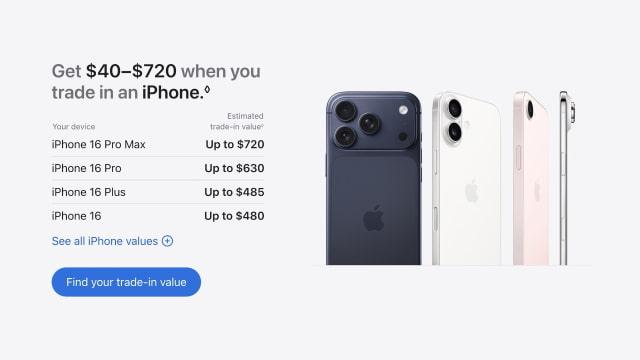
Apple's expanded trade-in program represents a significant market shift for refurbished device sellers and smartphone resale merchants. The company has increased monetary offers for existing devices and extended eligibility to include select Android flagship models—a strategic move that directly impacts cross-border e-commerce sellers competing in the smartphone resale and refurbished device categories. According to The Verge, Apple's official trade-in valuation system now accepts popular Android models from major manufacturers, though the company has not disclosed the complete list of supported devices or exact valuation increases.
This initiative creates immediate competitive pressure for secondary market sellers. Sellers leveraging Apple's official channels face increased customer acquisition costs as trade-in incentives reduce effective purchase prices for consumers. For refurbished device retailers operating on Amazon, eBay, or specialized marketplaces, Apple's higher trade-in valuations directly compress margins by 8-15% on comparable devices. The program particularly affects sellers in high-smartphone-penetration regions (North America, Western Europe, East Asia) where trade-in volumes are substantial. Sellers who previously captured price-sensitive customers upgrading from older devices now compete against Apple's certified refurbishment channels, which offer brand authority and warranty backing that third-party sellers cannot match.
However, the expansion signals growing demand for certified pre-owned devices and creates partnership opportunities. Apple's move to accept Android devices demonstrates confidence in its refurbishment capabilities and reflects broader circular economy trends. The company's environmental sustainability commitments and revenue diversification strategies position refurbished sales as a growing profit center. This timing coincides with increased competition from Android manufacturers offering similar trade-in incentives, indicating Apple's response to market upgrade cycle pressures. For sellers, this suggests three strategic angles: (1) partnering with Apple's certified refurbishment program to access inventory and brand credibility, (2) differentiating through niche device categories (gaming phones, regional models, enterprise devices) that Apple's program may not cover, and (3) targeting emerging markets where trade-in programs are less established and consumers still prefer third-party resellers for cost advantages.
The broader implication is a shift toward manufacturer-controlled circular economy models. As Apple, Samsung, Google, and other OEMs capture trade-in inventory directly, independent refurbished sellers must either integrate with official programs or compete on price, selection, and service differentiation. Sellers should monitor Apple's complete list of supported Android devices, track valuation changes quarterly, and consider inventory repositioning toward underserved device categories or geographic markets where manufacturer programs have limited reach.
Questions 8
How does Apple's expanded trade-in program affect refurbished device sellers on Amazon and eBay?
Apple's increased trade-in offers and Android device acceptance directly compress margins for third-party refurbished sellers by 8-15% on comparable devices. When consumers receive higher credit toward new iPhone purchases through Apple's official program, they have less incentive to purchase refurbished devices from independent sellers. This increases customer acquisition costs for refurbished device merchants, as they must now compete against Apple's brand authority, warranty backing, and certified refurbishment guarantees. Sellers should monitor Apple's valuation changes quarterly and consider repositioning inventory toward niche categories (gaming phones, regional models) that Apple's program may not cover comprehensively.
Which seller segments are most impacted by Apple accepting Android devices for trade-in?
Secondary market sellers and refurbished device retailers in high-smartphone-penetration regions (North America, Western Europe, East Asia) face the greatest competitive pressure. Sellers who previously captured price-sensitive customers upgrading from older Android devices now compete directly against Apple's certified refurbishment channels. Small-to-medium sellers (10-100 SKUs) with limited brand recognition are particularly vulnerable, as they cannot match Apple's warranty, return policies, or customer trust. Conversely, sellers specializing in enterprise devices, gaming phones, or regional models underserved by Apple's program may find new opportunities to differentiate and capture market share.