




$100B Tariff Refunds Create Margin Expansion Window | Cross-Border Sellers Gain Pricing Power
- Trump administration distributes $100 billion in tariff refunds with no consumer pass-through requirement; sellers can retain relief as margin improvement across furniture, footwear, and electronics categories

Overview
The Trump administration's distribution of $100 billion in tariff refunds to importers and manufacturers represents a significant but underutilized opportunity for cross-border e-commerce sellers. Unlike consumer expectations, the refund mechanism explicitly does not require companies to reduce prices retroactively or compensate end-buyers for tariff-inflated costs paid during the duty period. This policy creates a rare window where sellers can legitimately retain tariff relief as margin improvement rather than passing savings to consumers.
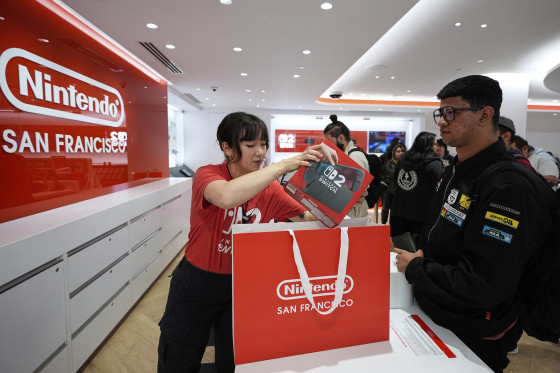
The Margin Arbitrage Opportunity: Sellers who imported goods during the tariff period and paid duties directly are eligible for refunds through government channels. The critical insight is that no legal obligation exists to reduce prices based on refunds received. Nintendo's public position exemplifies this approach—the company argues that purchase agreements established final prices at transaction time, creating a legal precedent that tariff relief flows to importers rather than consumers. For cross-border sellers on Amazon, eBay, and Shopify, this means tariff refunds can directly improve gross margins by 3-8% depending on product category and import volume. Sellers importing furniture, footwear, and electronics—the categories most impacted by Trump's tariff policies—face the strongest refund eligibility.
Competitive Dynamics and Seller Segmentation: Large retailers and manufacturers receiving refunds are already implementing margin retention strategies rather than price reductions. This creates a competitive advantage for mid-sized cross-border sellers (those importing $500K-$5M annually) who can document tariff payments and claim refunds before smaller competitors recognize the opportunity. Sellers should immediately audit import records from the tariff period (2018-2024 depending on product category) to identify eligible duties. The refund process requires detailed documentation of tariff payments, HS codes, and import dates—a compliance task that favors organized sellers with established supply chain tracking.
Strategic Pricing Implications: With consumer pressure unlikely to force price reductions, sellers can maintain elevated price points while improving profitability. This is particularly valuable in competitive categories where price wars typically compress margins. Sellers should document all tariff refund claims through U.S. Customs and Border Protection (CBP) channels and maintain records for 3-5 years. The policy effectively creates a "tariff relief tax" on consumers who paid higher prices during the duty period, with benefits flowing entirely to importers and sellers. This precedent may influence future trade policy negotiations and consumer expectations around tariff transparency.
Questions 7
What is the competitive advantage for sellers who claim tariff refunds early?
Early refund claims create a 3-6 month window before competitors recognize the opportunity and file their own claims. Sellers who document tariff payments and submit refund claims immediately can improve margins by 3-8% depending on product category and import volume, while maintaining current price points. This margin improvement is particularly valuable in competitive categories like electronics and footwear where price wars typically compress profitability. Large retailers are already implementing margin retention strategies, so mid-sized cross-border sellers should prioritize refund claims to capture the advantage before market saturation. The policy precedent established by Nintendo and other major retailers suggests no regulatory pressure will force price reductions, making this a legitimate margin expansion opportunity.
How does tariff refund eligibility differ between Amazon FBA and Shopify sellers?
Tariff refund eligibility is based on who paid the duties at import, not the sales platform used. Sellers who imported goods directly and paid tariffs are eligible regardless of whether they sell through Amazon FBA, Shopify, eBay, or their own website. However, Amazon FBA sellers should track which inventory was imported during the tariff period and match it to customs records. Shopify sellers typically have more direct control over import documentation since they manage their own supply chains. Both platform types should audit import records and file refund claims through CBP independently. The refund process is separate from platform operations and does not affect seller accounts or pricing policies on either platform.