

Polysilicon Tariffs Hit Solar & Semiconductor Sellers | 15% Import Tax + Price Floors Dec 4
- Raises product costs 15-40% for sellers sourcing solar equipment and semiconductor components from Asia; December 4 implementation creates urgent inventory restructuring window















Overview
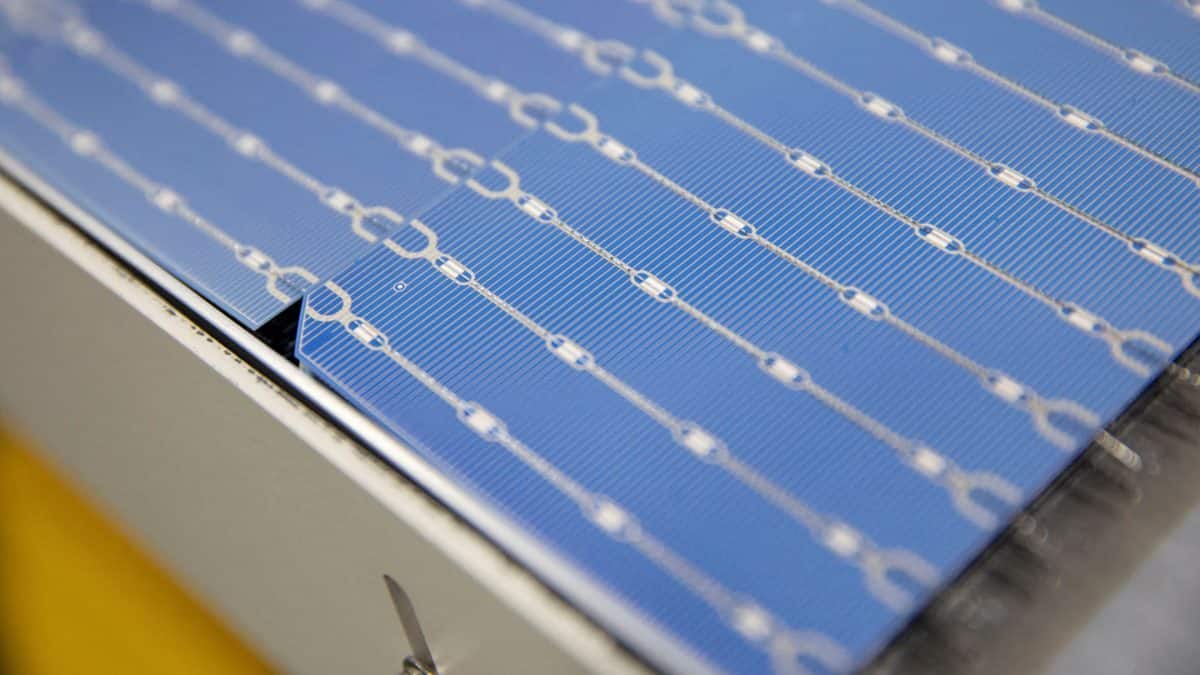
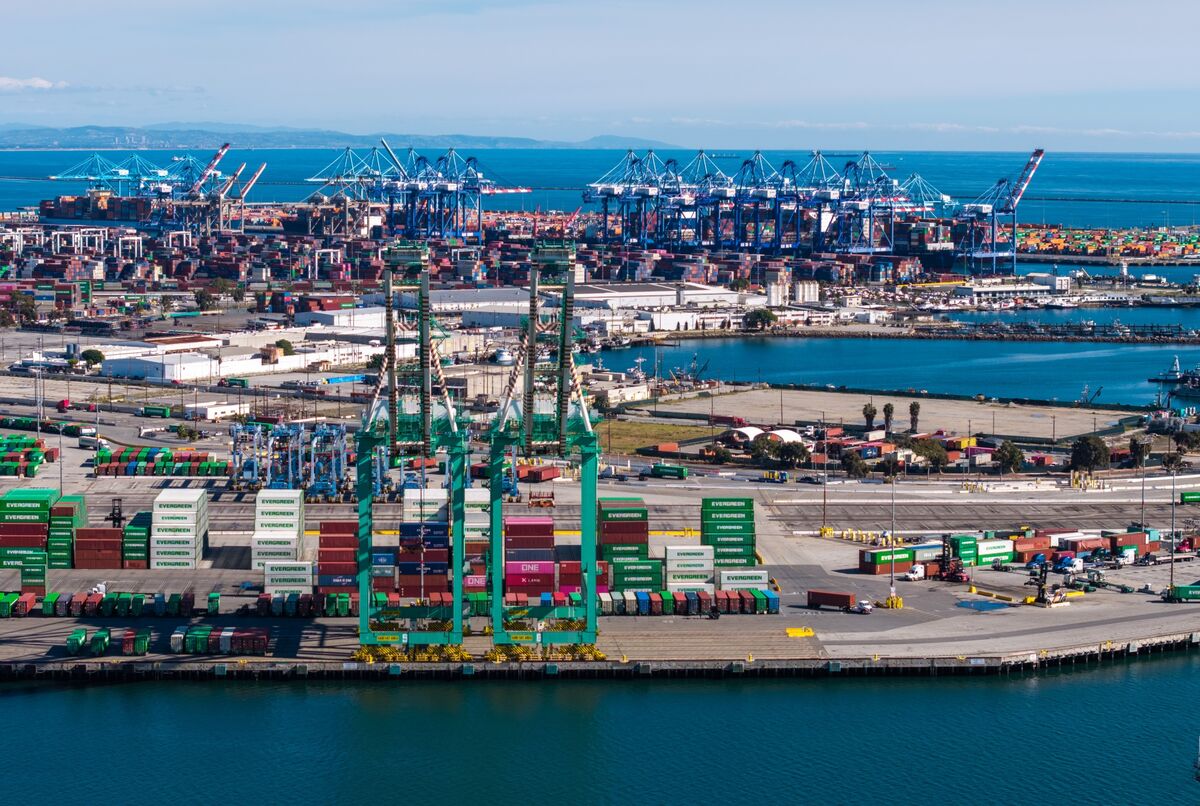
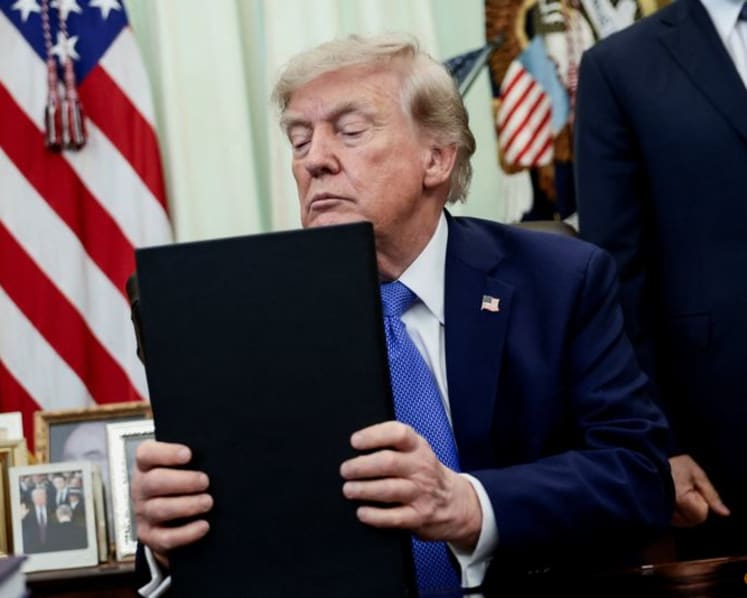
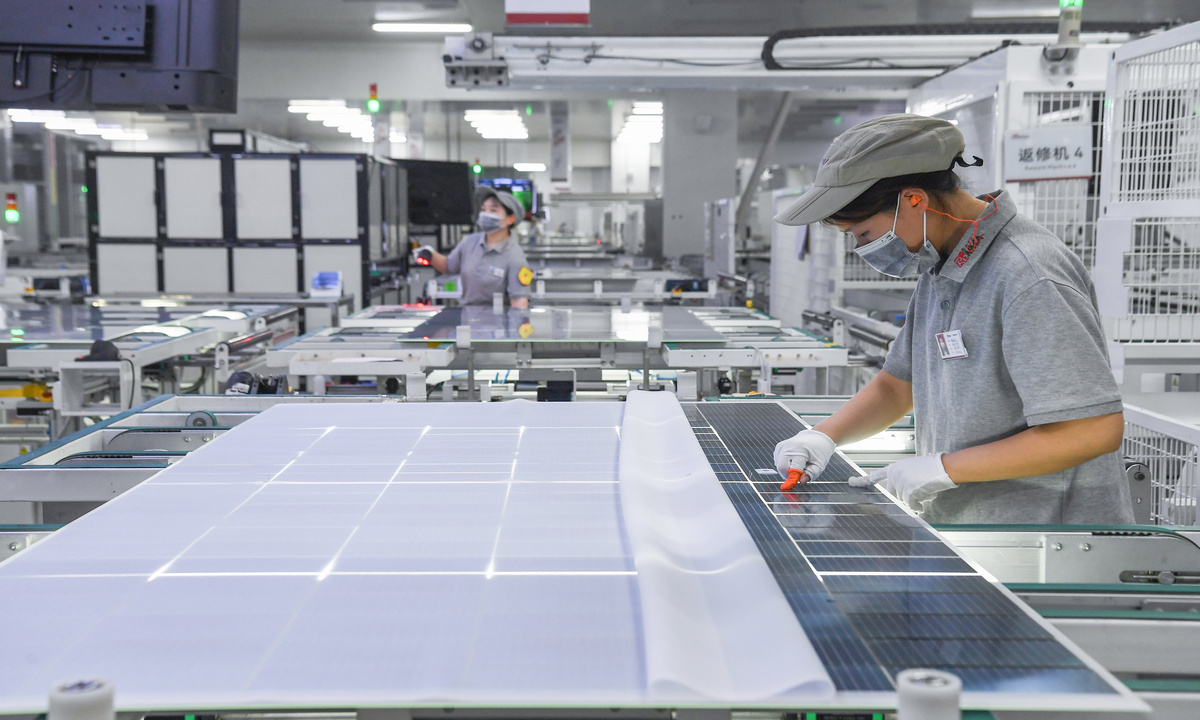
The Trump administration's August 6, 2026 executive order imposing 15% tariffs on polysilicon and establishing minimum import price floors represents the most comprehensive trade protection action for the U.S. solar and semiconductor supply chains in modern history. Under Section 232 national security authority, the policy establishes price controls: $21/kg for polysilicon, $100/kg for ingots/wafers, $0.22/watt for solar cells, and $0.38/watt for solar modules, effective December 4, 2026. This directly impacts cross-border e-commerce sellers importing solar equipment, semiconductor components, and related products from Asia, where China controls near-monopoly polysilicon production according to SP Global data.
For e-commerce sellers, the cost implications are severe and immediate. Sellers relying on Chinese polysilicon suppliers face import price increases of 15-40% depending on supply chain positioning, with product costs rising substantially across renewable energy, electronics, and technology categories. The hybrid tariff-plus-price-floor approach prevents Chinese market dumping while protecting domestic manufacturers, but compresses margins for sellers who cannot absorb increased material costs. Small to medium-sized sellers importing finished solar panels, solar inverters, semiconductor testing equipment, and related components will experience the most acute margin compression, as they lack negotiating power with suppliers and cannot easily pass costs to price-sensitive consumers on Amazon, eBay, and Shopify.
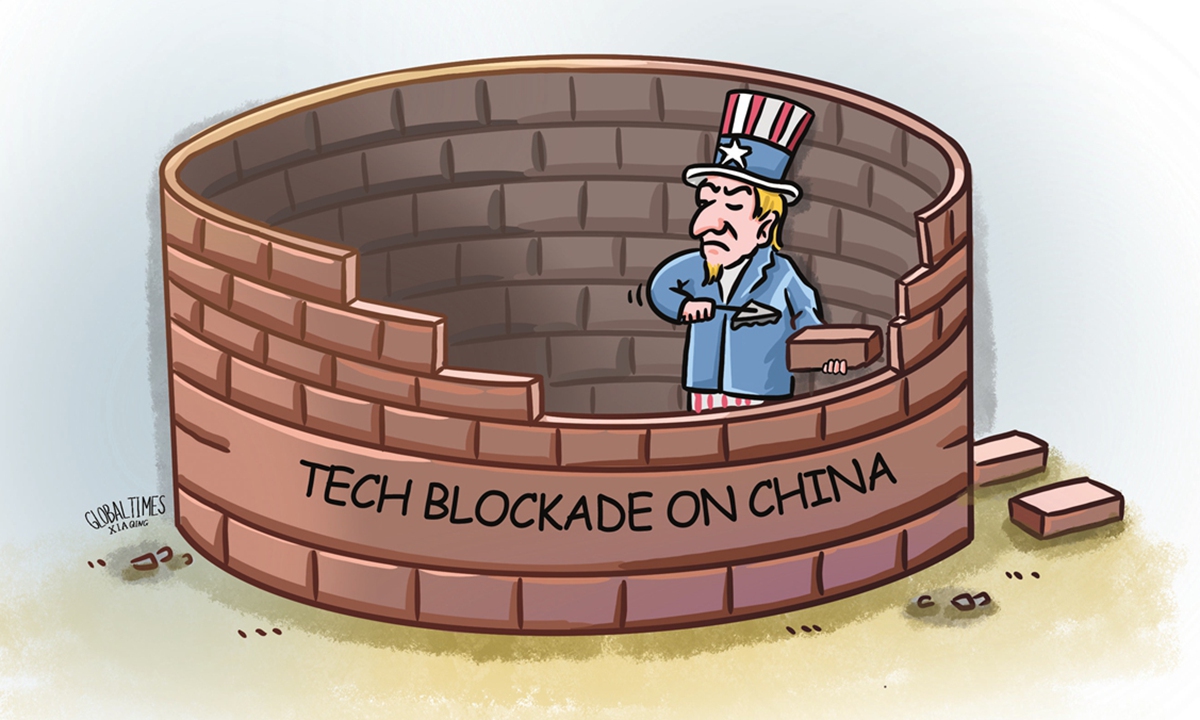
The December 4 implementation date creates a critical 4-month action window for supply chain restructuring. Sellers must immediately audit inventory sourcing, calculate tariff exposure by product SKU, and execute three strategic responses: (1) accelerate imports of affected products before December 4 to lock in current pricing; (2) diversify sourcing to non-Chinese suppliers in Vietnam, India, or Taiwan where polysilicon costs may be lower despite tariffs; (3) monitor Commerce Department guidance on the authorized incentive program for domestic polysilicon production, which may create opportunities for sellers to source from emerging U.S. manufacturers at competitive rates. The Commerce Department's authorization to develop domestic investment incentives signals potential future supply chain opportunities, but sellers cannot rely on domestic sourcing immediately. Escalating U.S.-China trade tensions, evidenced by Chinese export controls announced this week and the September 24 Xi Jinping meeting, suggest tariff rates could increase further, making pre-December 4 inventory acceleration a risk mitigation priority.
Questions 8
When does the polysilicon tariff take effect and what should sellers do before December 4, 2026?
The tariffs and price floors take effect December 4, 2026, providing a 4-month transition window from the August 6 announcement. Sellers should immediately execute three actions: (1) accelerate imports of affected products before December 4 to lock in current pricing and avoid tariff exposure; (2) audit inventory sourcing by SKU to calculate tariff liability and identify high-exposure products; (3) begin sourcing diversification to non-Chinese suppliers in Vietnam, India, or Taiwan where polysilicon costs may be lower despite tariffs. The limited transition time makes strategic inventory planning essential, as sellers cannot rely on domestic U.S. polysilicon production to replace imports immediately.
Which product categories and seller segments are most affected by the polysilicon tariffs?
The tariffs directly impact sellers in renewable energy, electronics, and technology sectors importing solar equipment, semiconductor components, and related products from Asia. Specific affected categories include solar panels, solar inverters, solar charge controllers, semiconductor testing equipment, and integrated circuits containing polysilicon. Small to medium-sized sellers (importing 100-1,000 units monthly) face the most acute margin compression, as they lack negotiating power with suppliers and cannot easily pass costs to price-sensitive consumers on Amazon, eBay, and Shopify. Large sellers with established domestic sourcing or manufacturing operations face lower exposure. Sellers on Amazon FBA importing solar products will see increased fulfillment costs due to higher product acquisition costs.