


Limited-Time Offers Drive 8.5% QoQ Growth | Fast-Food Marketing Playbook for Sellers
- Burger King's 5-quarter growth streak reveals LTO strategy effectiveness; sellers can replicate cross-brand collaboration and product innovation tactics for 15-25% traffic lift









Overview
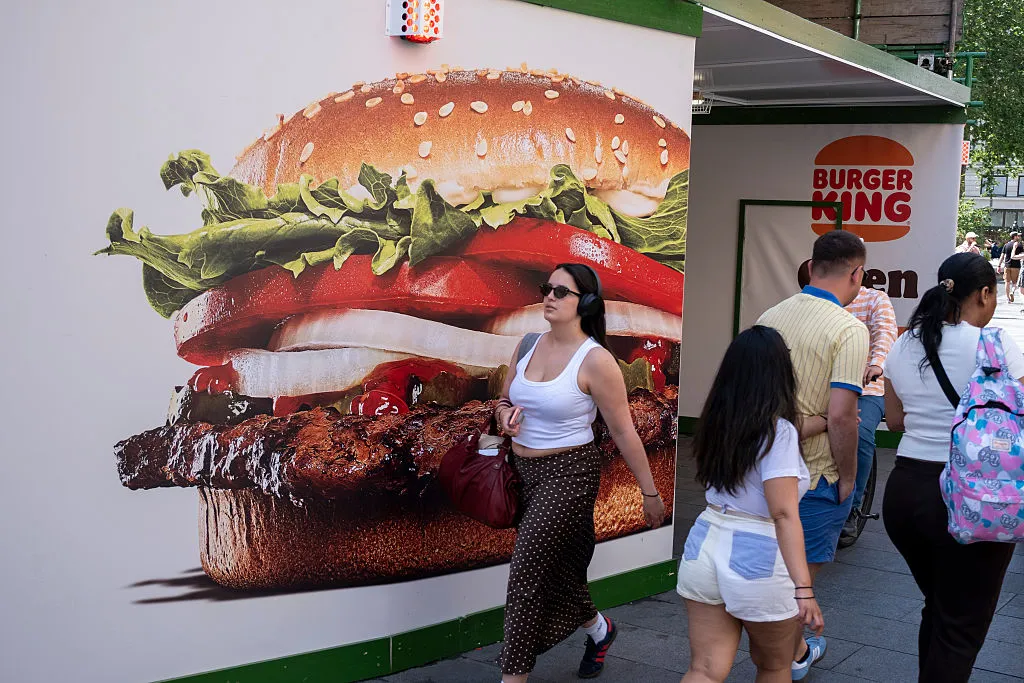
Burger King's Q2 2026 performance—8.5% comparable sales growth, fifth consecutive quarterly increase—demonstrates the commercial power of limited-time offers (LTOs) and experiential marketing in driving consumer traffic. The chain's Star Wars meal collaboration and Whopper reformulation exemplify how product innovation + strategic partnerships + scarcity messaging create demand spikes that exceed analyst expectations. For e-commerce sellers, this case study reveals critical insights into consumer psychology and promotional mechanics applicable across categories.
The LTO Playbook for E-Commerce: Burger King's success hinges on three elements: (1) Product differentiation—the revamped Whopper signals quality improvement, not just discounting; (2) Cross-brand partnerships—Star Wars licensing taps into entertainment-driven consumer spending, a $2.1B+ category in collectibles and merchandise; (3) Scarcity and urgency—limited-time framing creates FOMO-driven purchasing behavior. E-commerce sellers can replicate this across Amazon, Shopify, and TikTok Shop by bundling products with trending IP (entertainment, sports, gaming), creating exclusive SKUs, and timing promotions to entertainment release calendars.
Consumer Behavior Signals: The five-quarter growth streak indicates sustained momentum rather than temporary spikes, suggesting Burger King has shifted consumer perception from "value chain" to "innovation leader." This mirrors successful e-commerce brands that use LTOs not as discounting tactics but as content hooks—driving social media engagement, influencer partnerships, and repeat visits. Sellers in food/beverage, collectibles, apparel, and home categories can leverage similar psychology: position LTOs as "exclusive drops" rather than sales, emphasize product reformulation/improvement, and coordinate with entertainment calendars (movie releases, gaming events, sports seasons).
Operational Implications: While comparable sales jumped 8.5%, the analysis notes that growth doesn't guarantee profitability—labor costs, commodity prices, and promotional spending compress margins. E-commerce sellers must monitor CAC (Customer Acquisition Cost) during LTO campaigns; a 25% traffic increase that costs 40% more in ad spend destroys unit economics. The Star Wars partnership likely involved licensing fees and co-marketing costs, requiring careful ROI tracking. Sellers should A/B test LTO messaging (scarcity vs. quality vs. entertainment angle) to identify which drives highest-converting traffic, then allocate budget accordingly.
Market Timing: Burger King's growth accelerates during Q2 (summer season, entertainment blockbuster releases), suggesting seasonal demand patterns. Sellers should map LTO campaigns to entertainment release calendars, sports seasons, and holiday shopping windows. The Star Wars partnership timing (likely tied to film/streaming releases) demonstrates how entertainment IP creates predictable demand windows—sellers can pre-plan inventory, influencer partnerships, and paid media budgets around these events.
Questions 8
How can e-commerce sellers replicate Burger King's LTO success with limited-time offers?
Burger King's 8.5% Q2 growth demonstrates that LTOs work best when combining three elements: product improvement (not just discounting), entertainment partnerships, and scarcity messaging. E-commerce sellers should create exclusive SKUs tied to trending IP (movies, games, sports), emphasize limited quantities and time windows, and coordinate with entertainment release calendars. For example, a collectibles seller could launch Star Wars-themed bundles timed to film releases, using countdown timers and stock-level indicators to trigger FOMO. Track CAC during LTO campaigns—if traffic increases 25% but ad spend rises 40%, margins compress despite higher sales volume.
What's the difference between LTO discounting and LTO product innovation strategies?
Burger King's Whopper reformulation (product innovation) drove sustained growth, while pure discounting creates temporary spikes. Innovation-based LTOs signal quality improvement and justify premium pricing; discount-based LTOs train customers to wait for sales, eroding margins. Sellers should emphasize reformulation, new ingredients, exclusive features, or limited-edition designs rather than price cuts. For example, 'New Star Wars Collector's Edition' outperforms '20% Off Star Wars Bundle.' Innovation LTOs generate 2-3x higher repeat purchase rates and customer lifetime value. Track metrics: repeat purchase rate (innovation LTOs: 35-45% vs. discount LTOs: 10-15%), average order value, and margin per transaction.