

FCC Robot Vacuum Ban Reshapes US Smart Home Market | Seller Sourcing & Compliance Guide
- Effective December 2025 ban on foreign-made robot vacuums, drones, power inverters creates $2B+ market disruption; US-based sellers gain competitive advantage while importers face inventory liquidation and sourcing pivots








%20China-Free%20Robot.jpg)
Overview
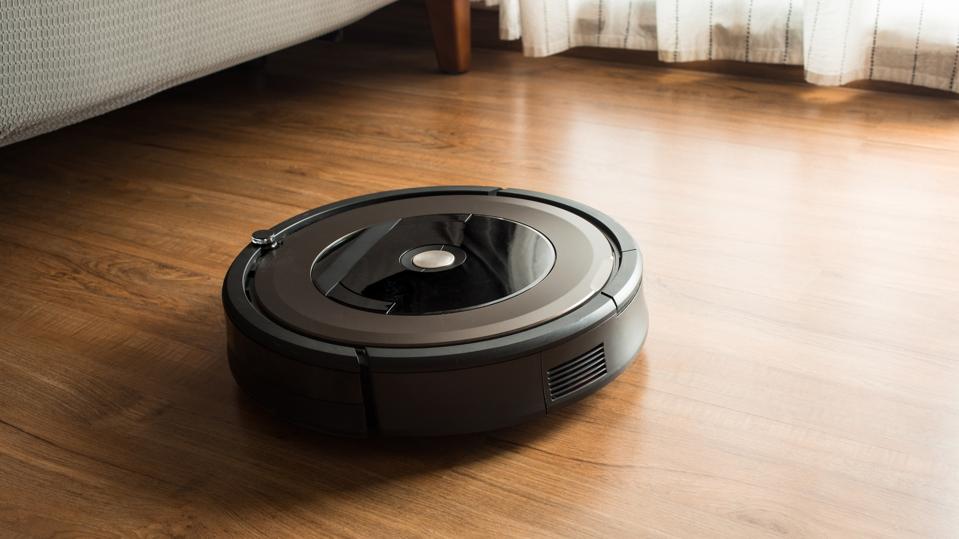
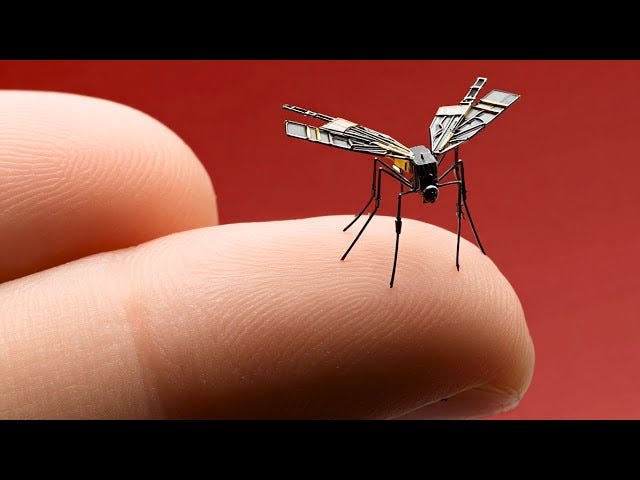
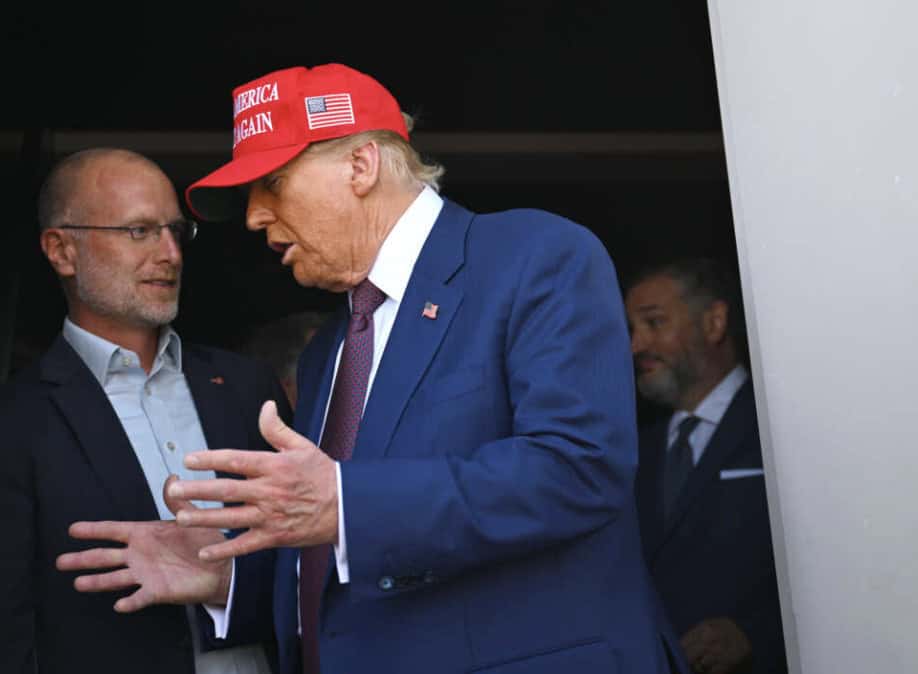
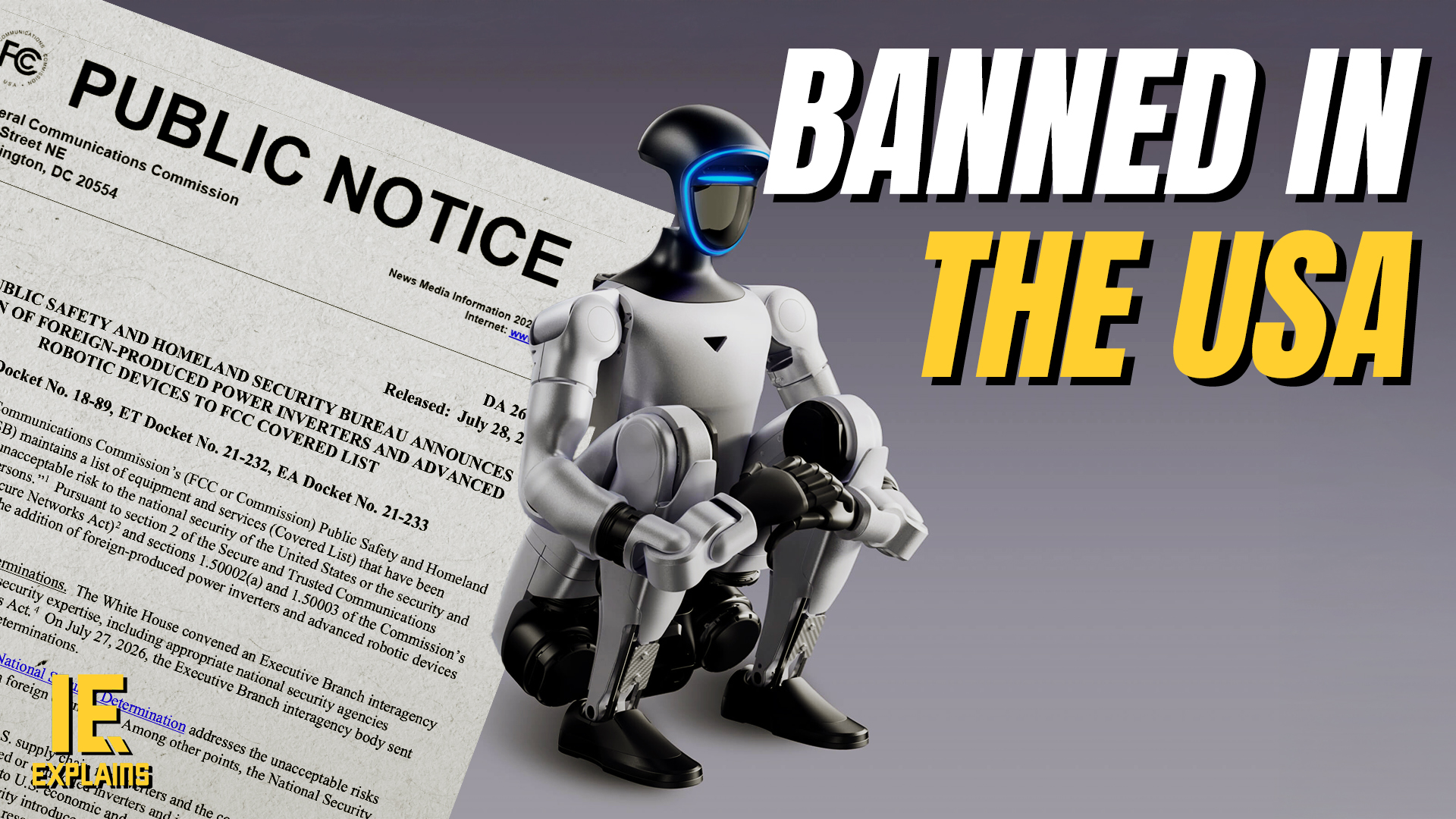
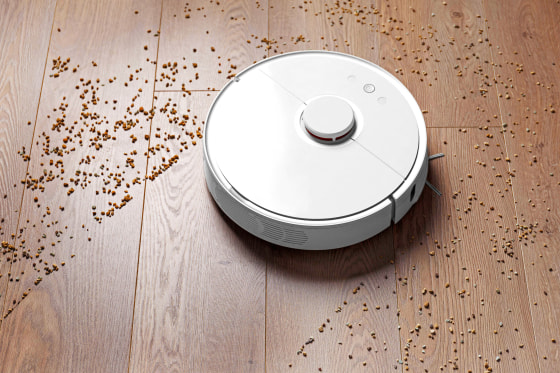
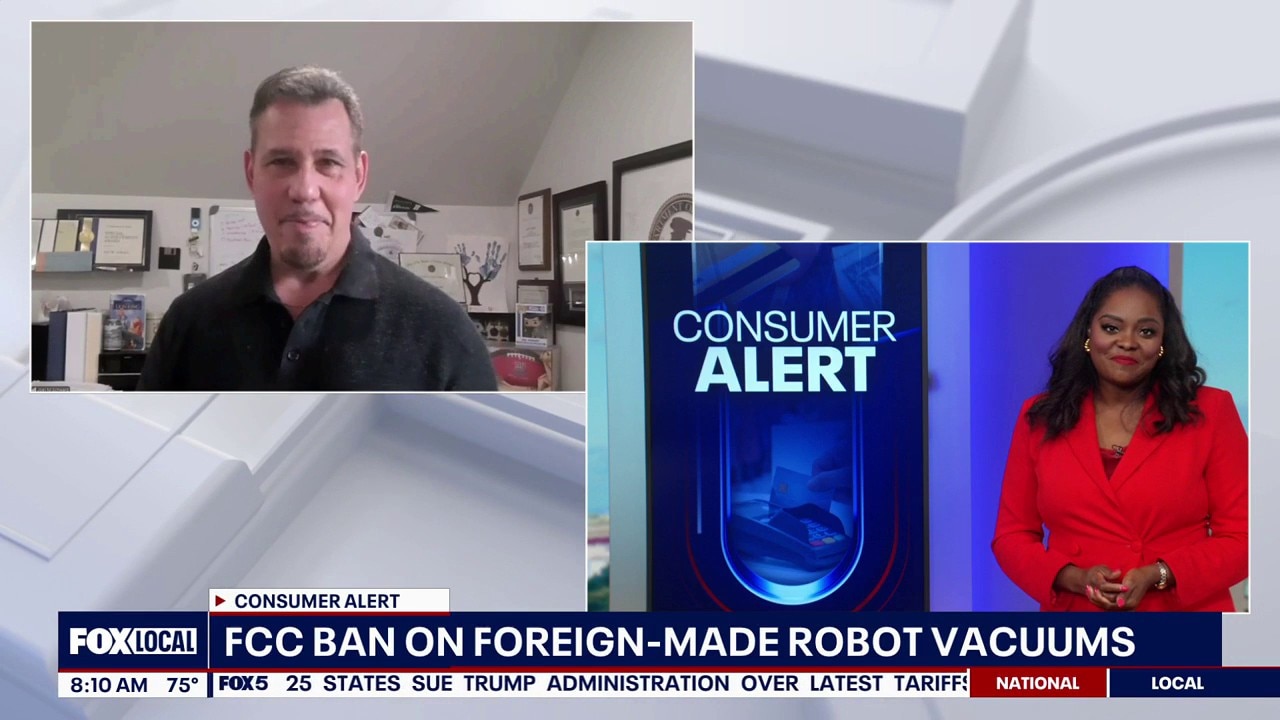
The FCC's July 28, 2026 announcement of a comprehensive ban on foreign-made mobile robots, including robot vacuums, drones, power inverters, and routers, represents a fundamental restructuring of the US smart home appliance market worth an estimated $2B+ annually. The ban, which became effective in December 2025 and was reinforced by FCC Chair Brendan Carr's August 6, 2026 statement, classifies advanced robotic devices manufactured outside the US as posing an "unacceptable risk" to national security due to integrated sensors, autonomous capabilities, and data collection features. This policy directly impacts cross-border e-commerce sellers across Amazon, eBay, Shopify, and Walmart Marketplace, where robot vacuums represent one of the fastest-growing smart home categories.
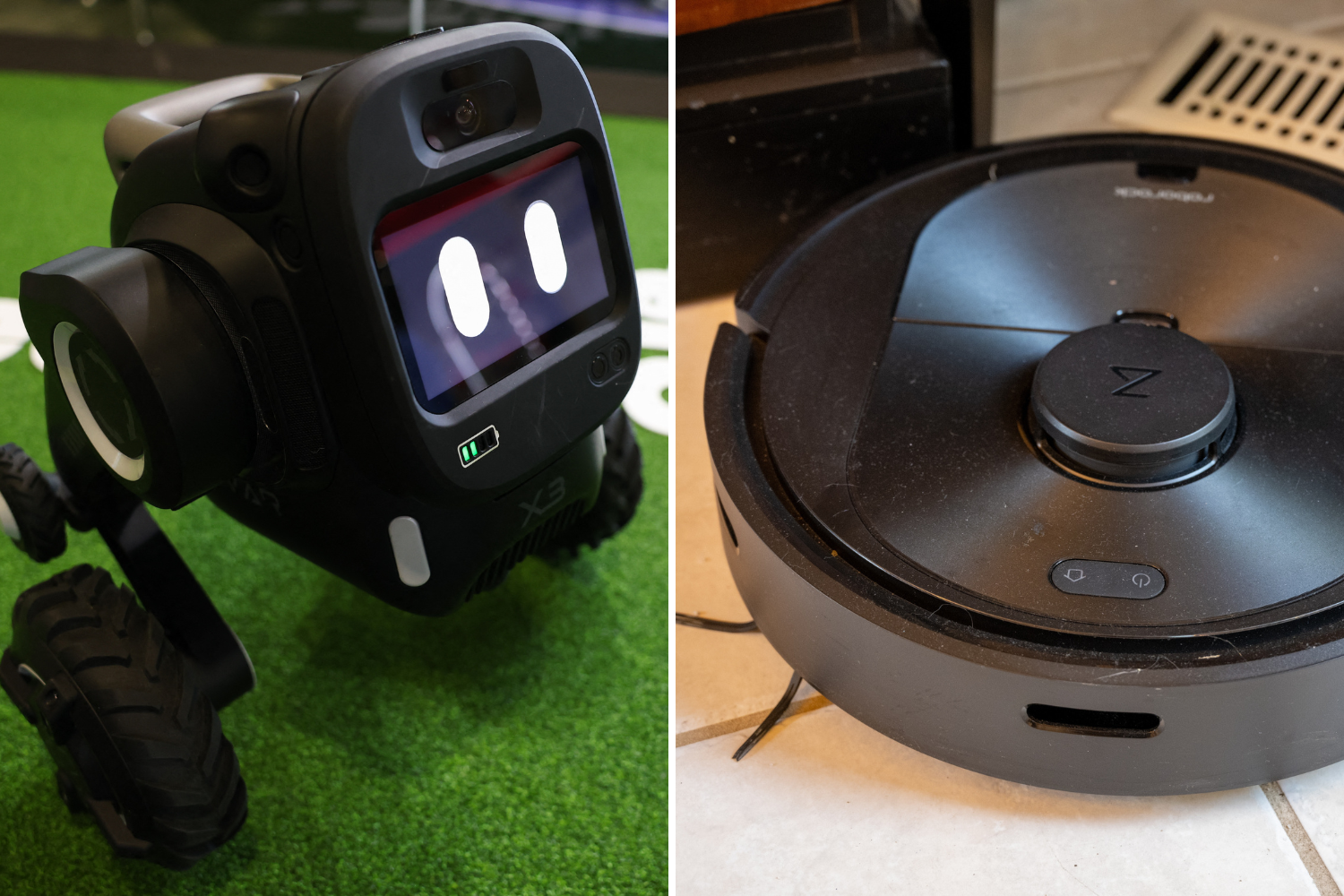
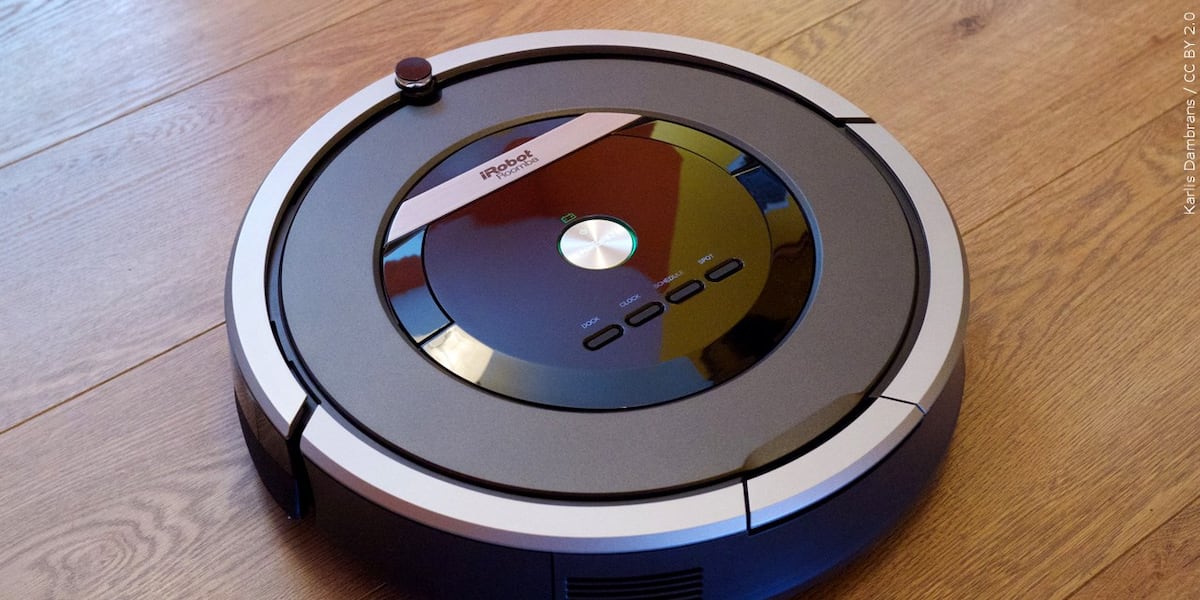
Critical market impact: The ban affects major brands including Roborock, Dreame, Shark, iRobot (Roomba), Eufy, and Narwal. Existing inventory already in circulation remains legal to sell, creating a 6-12 month liquidation window for sellers holding foreign-manufactured stock. However, new model launches are prohibited unless manufacturers secure government exemptions or relocate manufacturing to the US. This creates a two-tier competitive advantage: US-based manufacturers like Shark (which stated it is "well positioned to navigate the process") gain market share, while importers of Chinese brands (Roborock, Dreame) face sourcing disruption. The FCC is also drafting restrictions on Chinese optical transceivers used in data center components, signaling broader restrictions on connected IoT devices beyond consumer robotics.
Seller segmentation and tariff implications: For importers currently holding inventory of foreign-made robot vacuums, the immediate opportunity is inventory liquidation at premium prices during the 6-12 month transition period before consumer awareness fully impacts demand. Sellers can legally sell existing stock through August 2026-2027 without FCC approval. However, new sourcing strategies must pivot: sellers can pursue government exemptions (requiring FCC waiver applications with 60-90 day processing), relocate manufacturing partnerships to Vietnam, India, or Mexico (reducing tariff exposure under USMCA), or transition to US-manufactured alternatives. The tariff arbitrage opportunity is significant—Vietnamese-manufactured robot vacuums face 2.5% tariff vs. Chinese equivalents at 25% under current Section 301 tariffs, making Vietnam sourcing a 22.5% cost advantage if exemptions are granted.
Compliance and operational urgency: Sellers must immediately audit inventory by product origin (manufacturing location, not brand headquarters) and categorize as "pre-ban" (legal to sell) or "post-ban" (requires exemption). Amazon Seller Central and eBay will likely implement automated compliance checks by Q4 2026, flagging listings for foreign-made robots manufactured after December 2025. Sellers should document purchase dates and manufacturing dates for all inventory to prove pre-ban status. The "haphazard" rollout criticized by FCC Commissioner Anna Gomez creates compliance uncertainty—sellers should monitor FCC.gov for exemption application procedures and deadlines, expected by September 2026. Non-compliance risks include listing suspension, account deactivation, and potential customs seizure of inventory in transit.
Questions 8
How do I apply for an FCC exemption to import foreign-made robot vacuums?
The FCC has not yet published formal exemption application procedures, but Chair Carr indicated exemptions are available through 'special government approval processes.' Sellers should monitor FCC.gov and the Federal Register for exemption guidelines, expected by September 2026. Applications will likely require security certifications proving the device poses no national security risk, documentation of manufacturing standards, and potentially a commitment to US distribution or support. Processing times are estimated at 60-90 days. Sellers should prepare documentation now, including product specifications, sensor capabilities, data handling practices, and manufacturing facility details.
Which robot vacuum brands are most affected by the FCC ban?
Chinese brands Roborock and Dreame face the most severe restrictions, as they manufacture exclusively in China and have no US manufacturing capacity. Shark (US-based) and iRobot/Roomba (US-headquartered, though some manufacturing in Asia) are better positioned to navigate exemptions or relocate production. Eufy and Narwal have confirmed current products remain available but face uncertainty for future models. Sellers importing Roborock and Dreame should prioritize inventory liquidation within 6-12 months. Sellers representing Shark and iRobot should monitor their exemption applications, as these brands are likely to receive priority for government approval due to US employment and manufacturing investments.