



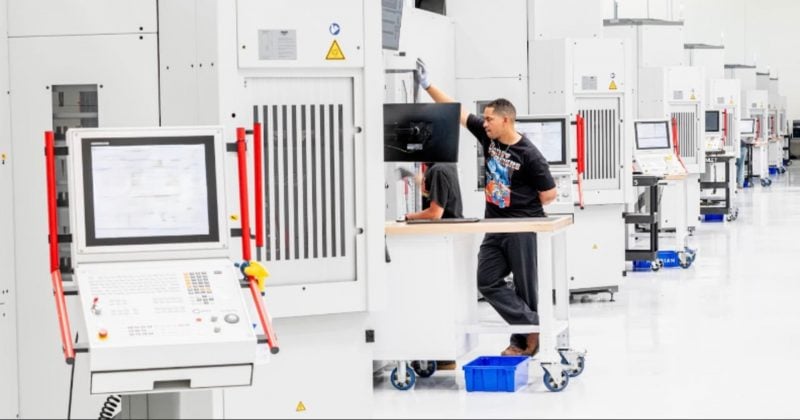

Hadrian's $1.37B Automation Investment | Reshaping US Manufacturing for E-Commerce Sellers
- Domestic factory automation accelerates reshoring, reducing lead times 20-40% and production costs 15-25% for US-sourced products by 2025-2026









Overview
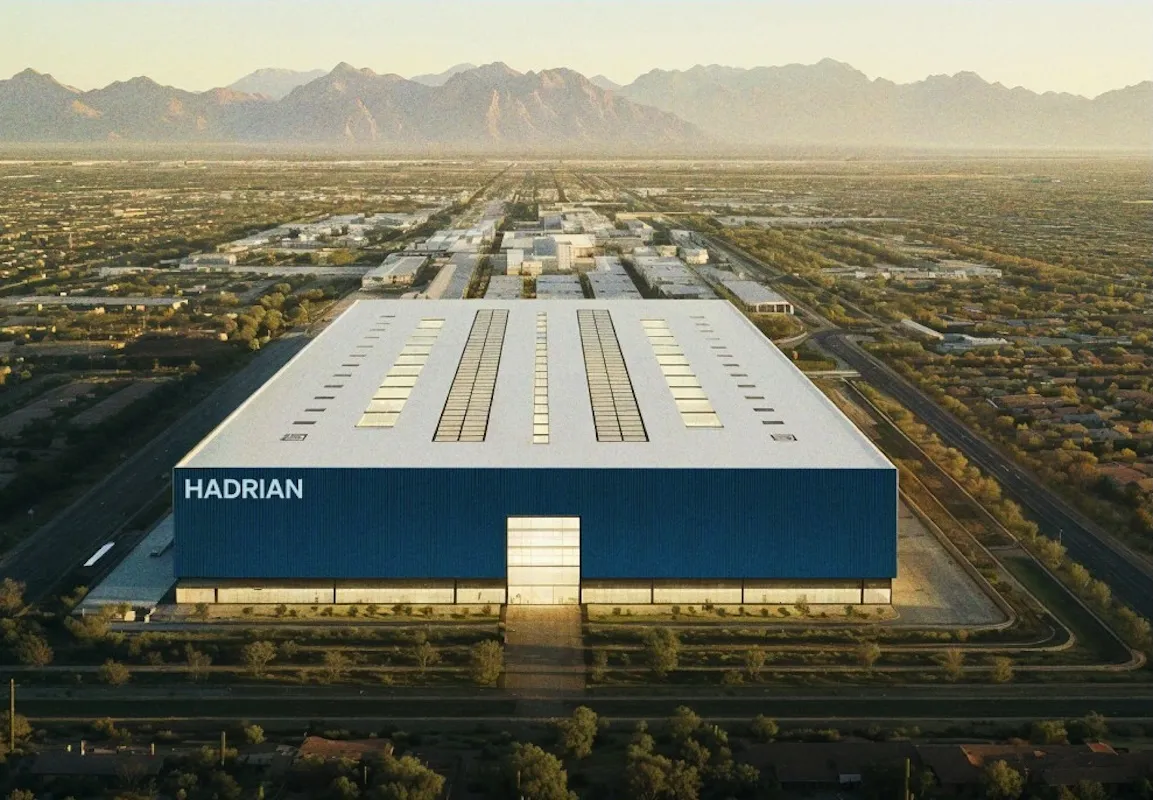
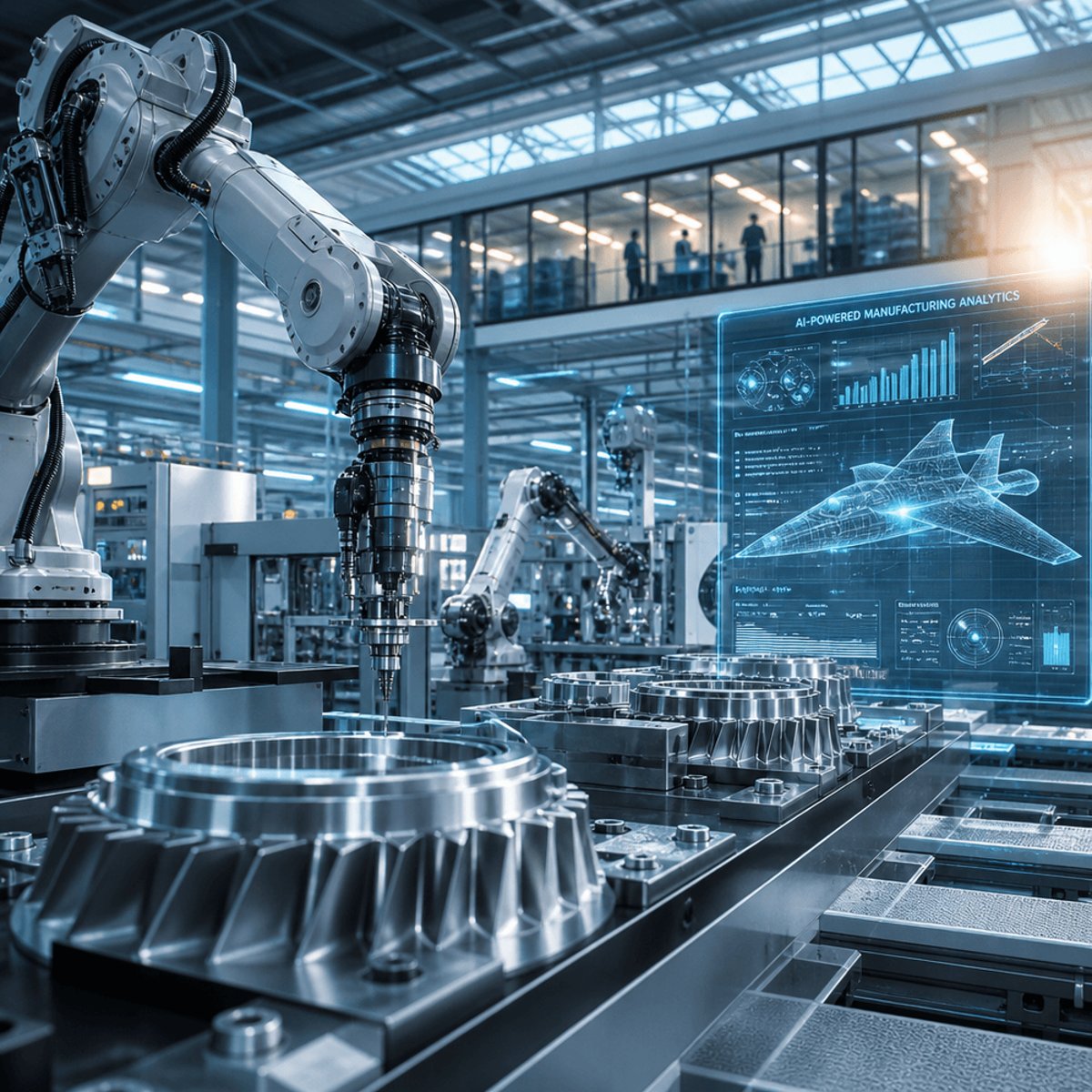
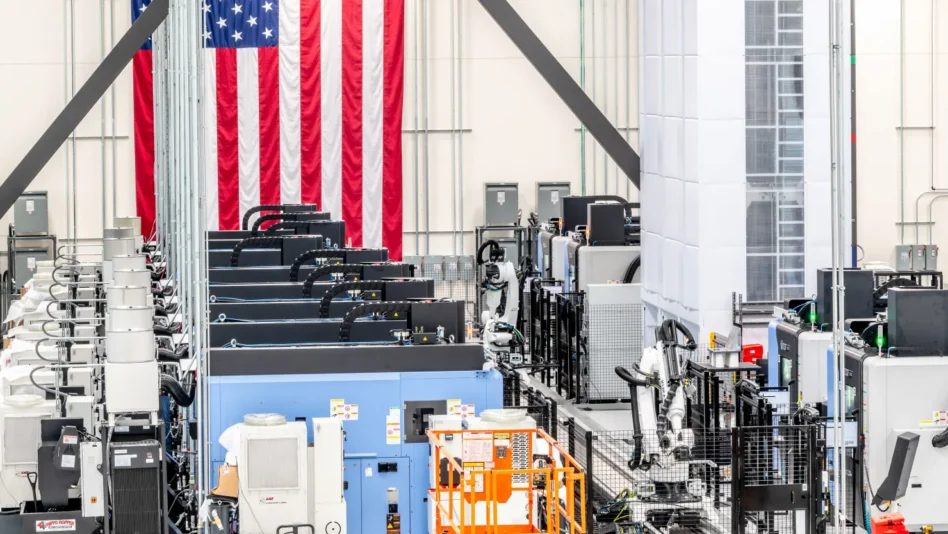
Hadrian's $1.37 billion Series D funding marks a pivotal shift in American manufacturing infrastructure, positioning automated domestic factories as a competitive alternative to overseas sourcing. The advanced manufacturing company's focus on robotics, AI-powered precision systems, and labor-cost reduction directly addresses supply chain vulnerabilities that have plagued e-commerce sellers since 2020-2022 disruptions. This capital injection signals investor confidence in reshoring trends, driven by government incentives (CHIPS Act, IRA), tariff pressures, and consumer demand for American-made products—creating immediate sourcing opportunities for cross-border sellers.
For e-commerce sellers, the automation wave enables three critical competitive advantages: First, reduced lead times on domestically manufactured goods (estimated 20-40% faster than traditional overseas sourcing) allow sellers to respond faster to trending categories—critical for Amazon FBA inventory management and seasonal demand spikes. Second, production cost reductions of 15-25% through automation create margin expansion opportunities, particularly in price-sensitive categories like electronics, home goods, and apparel where manufacturing represents 40-60% of COGS. Third, improved inventory velocity through faster fulfillment cycles reduces storage fees and IPI score risks on Amazon FBA, where excess inventory costs $0.87/unit/month (standard tier).
The competitive intelligence angle is equally significant: Sellers who establish relationships with Hadrian-powered factories or similar automated manufacturers gain first-mover advantage in "Made in USA" positioning—a category growing 12-18% annually on Amazon, Walmart, and Shopify. AI-driven production scheduling at these facilities enables custom batch manufacturing at lower minimums (potentially 500-1,000 units vs. 5,000+ from traditional overseas suppliers), allowing sellers to test new SKUs with reduced capital risk. However, increased domestic manufacturing capacity will intensify competition in categories like small appliances, power tools, and consumer electronics, compressing margins for sellers who don't differentiate on speed, quality, or brand positioning.
The automation infrastructure also creates data opportunities: Sellers can leverage predictive analytics to forecast production timelines, optimize inventory allocation across Amazon FBA warehouses, and implement dynamic pricing strategies based on real-time supply availability. AI-powered demand forecasting tools (like Keepa, Helium 10, or Jungle Scout) become more valuable when paired with faster domestic sourcing, enabling sellers to reduce safety stock by 20-30% while maintaining service levels. The reshoring trend also signals potential tariff reductions on imported components, creating a 6-12 month window for sellers to lock in favorable pricing before tariff structures stabilize.
Questions 8
How can sellers use AI to optimize inventory with faster domestic sourcing?
Faster lead times from domestic automated factories enable sellers to implement AI-powered demand forecasting with greater accuracy and lower safety stock requirements. Tools like Helium 10, Jungle Scout, or Keepa can analyze historical sales velocity and seasonal trends to predict optimal inventory levels—reducing excess stock by 20-30% while maintaining service levels. With 2-4 week lead times instead of 6-10 weeks, sellers can implement 'just-in-time' inventory strategies, ordering smaller batches more frequently to match actual demand patterns. This reduces Amazon FBA storage fees by $0.26-0.52 per unit monthly (comparing 30-day to 60-day holding periods). Integrate demand forecasting tools with supplier management systems to automate reorder triggers, ensuring inventory never falls below safety stock thresholds. Use AI-powered pricing optimization tools to adjust prices based on real-time inventory levels, maximizing revenue during high-demand periods while clearing excess stock during slow periods.
What tariff and trade policy implications should sellers monitor?
Hadrian's funding reflects broader government support for domestic manufacturing through the CHIPS Act and Inflation Reduction Act, signaling potential tariff reductions on imported components and finished goods over the next 12-24 months. Sellers should monitor trade policy announcements closely, as tariff changes directly impact import costs for overseas-sourced products. The news indicates reshoring is driven by 'government incentives supporting domestic production,' suggesting tariff structures may shift to favor domestic manufacturing. Sellers have a 6-12 month window to lock in favorable pricing on imported goods before tariff policies stabilize. Consider negotiating long-term supply contracts with overseas manufacturers now, before potential tariff increases. Simultaneously, establish relationships with domestic automated manufacturers to position for potential tariff advantages. Use AI-powered tariff tracking tools to monitor HS code changes and duty rate updates, ensuring compliance and identifying cost optimization opportunities.