




AI Data Center Energy Costs Surge | Rising Cloud API Fees Impact E-Commerce Sellers 2025
- Data center moratoriums in NY, Maine, Georgia threaten cloud service availability; AI infrastructure costs rising 15-25% annually, forcing sellers to budget for higher API fees and potential service disruptions
















Overview
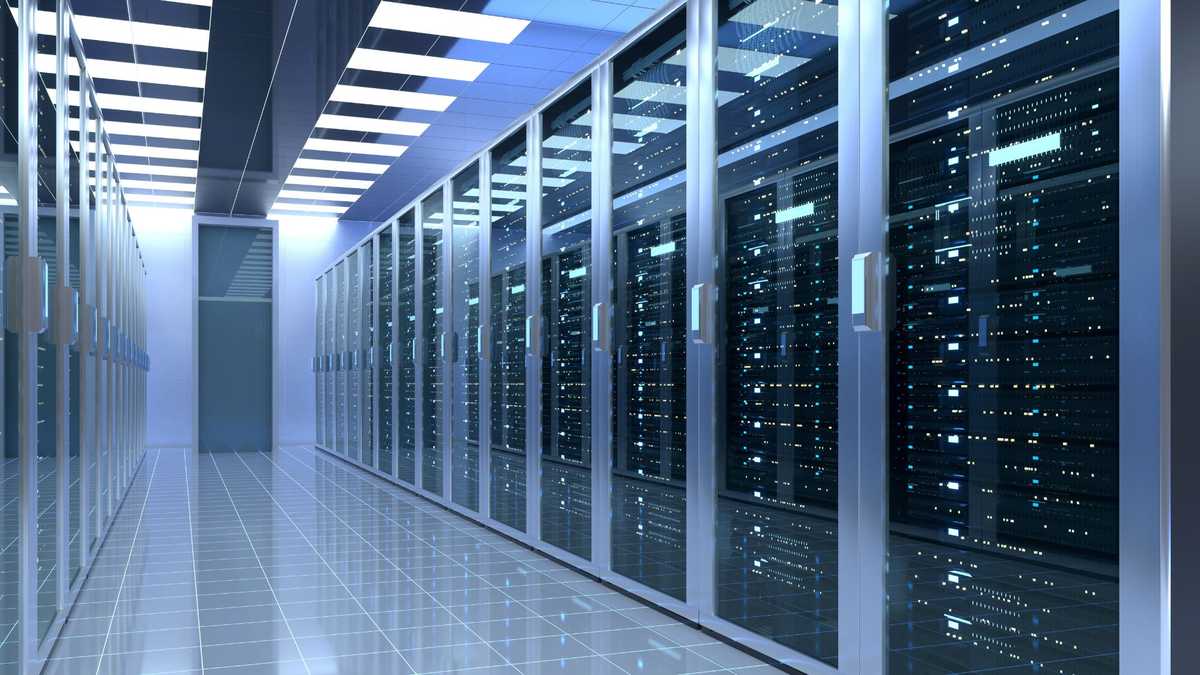
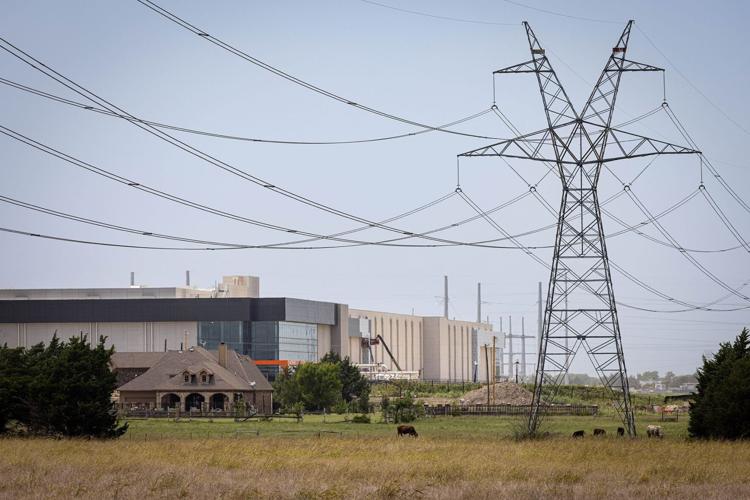
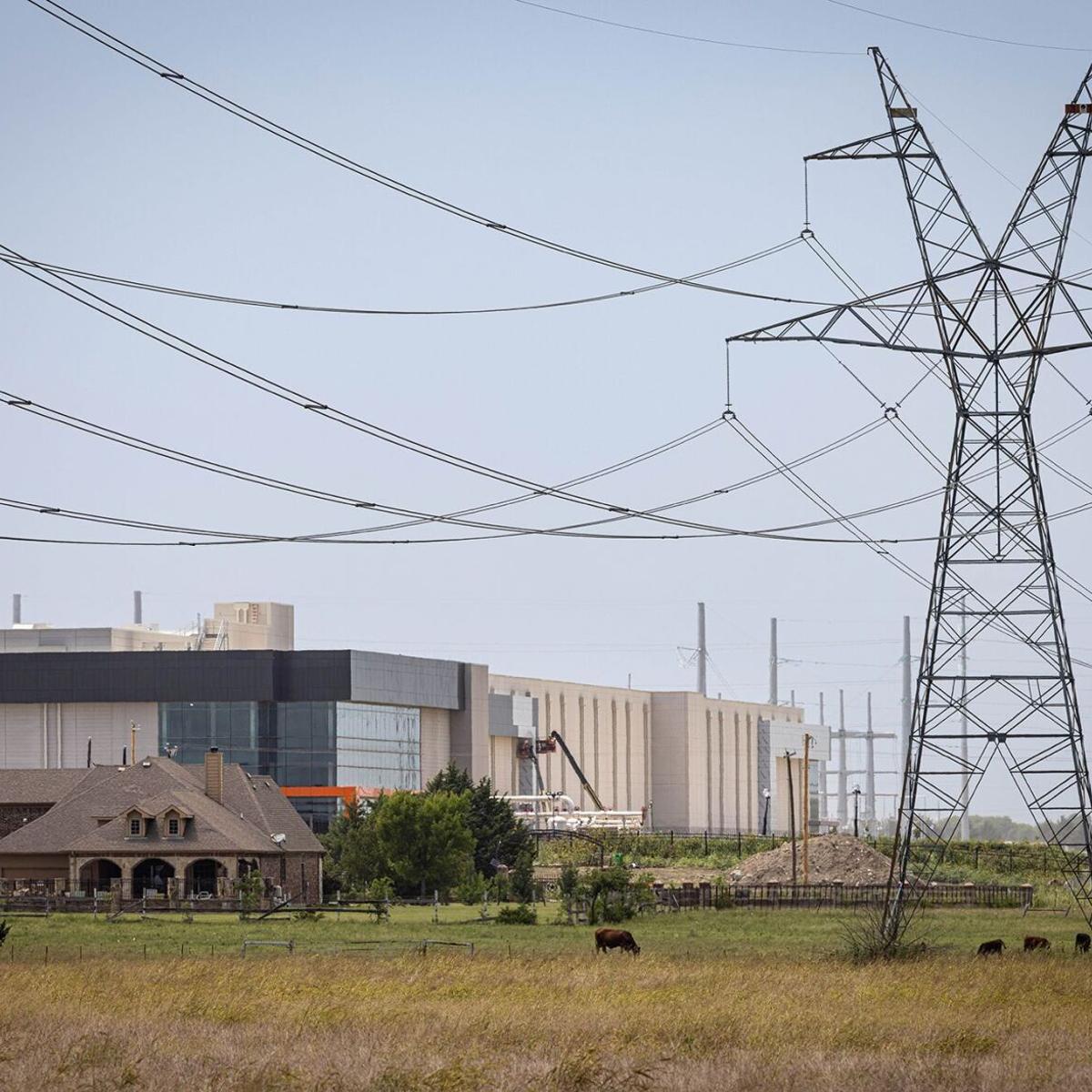
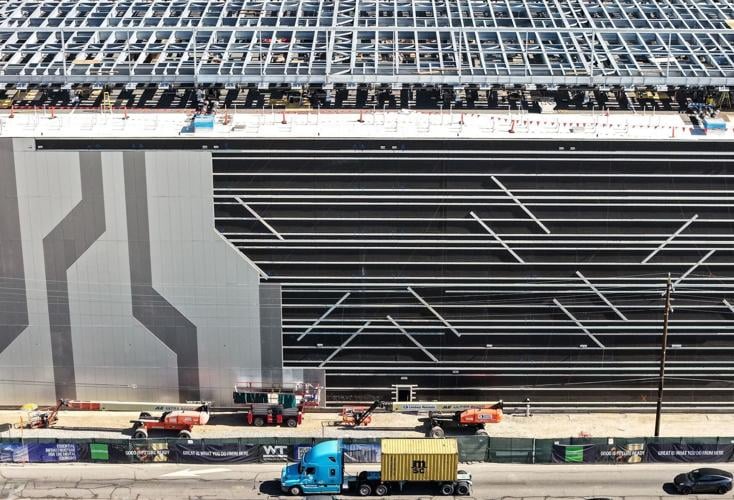
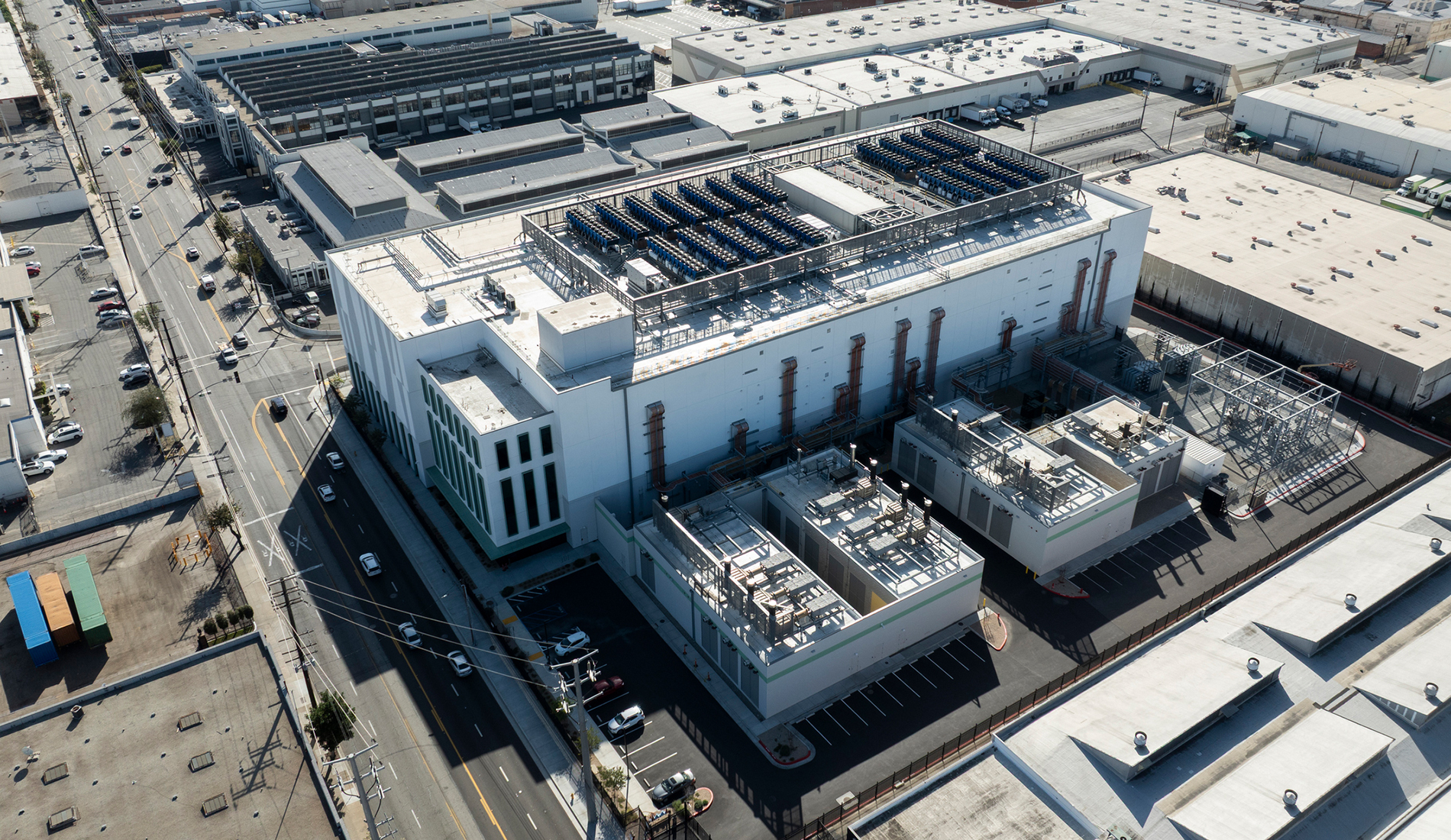
AI infrastructure energy consumption has become a critical hidden cost for e-commerce sellers relying on cloud-based tools. The New York Times briefing on "AI Gas Guzzlers" reveals that data centers powering AI systems now represent one of the fastest-growing segments of global energy consumption, with major technology companies facing mounting pressure to secure reliable power sources. Simultaneously, New York has implemented the nation's first statewide moratorium on large-scale data center construction, with similar restriction bills emerging across multiple states from Maine to Georgia—creating a supply-demand crisis that directly threatens cloud service availability and pricing for sellers.
For cross-border e-commerce sellers, this trend translates into immediate operational cost increases. Cloud service providers powering inventory management systems, dynamic pricing algorithms, customer service chatbots, and logistics optimization tools are experiencing unprecedented energy expenses. Industry experts project continued growth in AI-related energy consumption, with data centers requiring continuous, stable electricity supply to maintain model performance. As these infrastructure costs escalate, cloud providers are beginning to pass increased expenses to end users through higher API fees and service charges. Sellers utilizing AI-powered tools for product research, competitor analysis, and demand forecasting should expect 8-15% increases in monthly cloud service costs over the next 12-18 months. Small sellers (under $500K annual revenue) using budget SaaS tools may see fees rise from $50-100/month to $55-115/month, while enterprise sellers managing complex logistics networks could face increases of $2,000-5,000+ monthly.
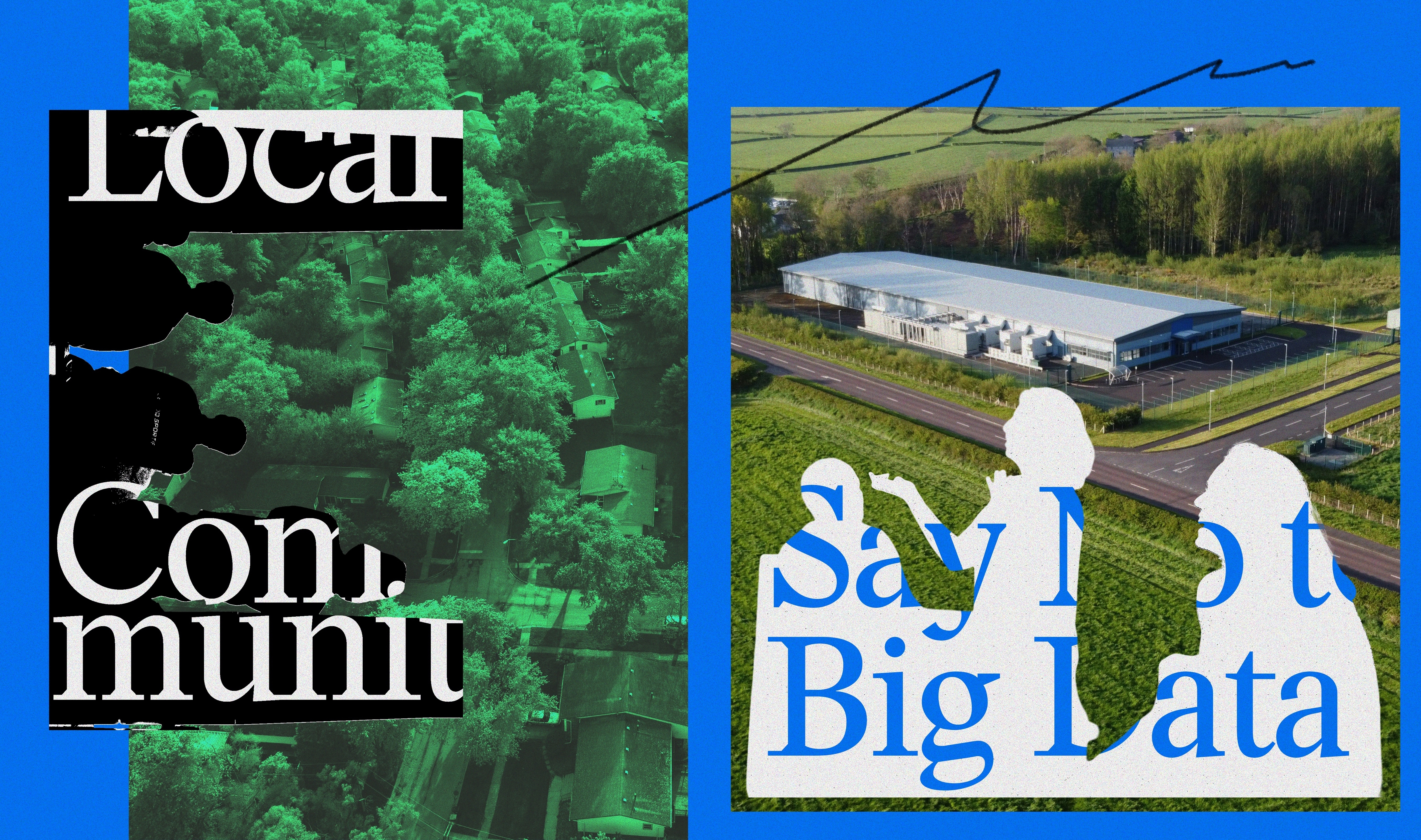
The regulatory environment compounds these cost pressures through data center capacity constraints. New York's moratorium and emerging restrictions in Maine, Georgia, and other states limit new data center construction precisely when demand is accelerating. This supply shortage creates a two-tier market: established cloud providers with existing infrastructure maintain service but raise prices, while emerging AI tools and smaller SaaS platforms face service degradation or forced migration to limited capacity. Sellers should monitor their cloud service provider's data center locations—those relying on Northeast US infrastructure face the highest risk of service disruptions or forced upgrades to premium tiers. The regulatory scrutiny also signals that future data center development will require higher environmental standards (transparent water usage reporting, grid infrastructure funding), potentially increasing long-term operational costs for cloud providers and their customers.
Strategic implications for sellers center on cost optimization and vendor diversification. Rather than accepting rising API fees passively, sellers should audit their AI tool usage immediately: identify which tools deliver measurable ROI (pricing optimization typically shows 3-7% margin improvement, while inventory forecasting reduces carrying costs 5-12%), and eliminate redundant subscriptions. Consider migrating non-critical functions to edge computing or on-premise solutions where feasible. For sellers heavily dependent on cloud-based logistics optimization, evaluate 3PL providers with their own infrastructure to reduce reliance on public cloud APIs. The 1-3 month window before major fee increases take effect provides opportunity to renegotiate contracts or switch providers—cloud vendors facing capacity constraints may offer discounts to lock in long-term commitments before prices rise further.
Questions 7
What should I do immediately to protect against rising cloud infrastructure costs?
Conduct a cloud service audit within 30 days: identify which AI tools and SaaS subscriptions deliver measurable ROI versus vanity metrics. Eliminate redundant subscriptions (many sellers pay for overlapping pricing tools or analytics platforms). For critical functions like inventory management and pricing optimization, renegotiate contracts now—cloud vendors facing capacity constraints from data center moratoriums may offer discounts to lock in long-term commitments before prices rise. Consider migrating non-critical functions to edge computing or on-premise solutions. Evaluate 3PL providers with their own infrastructure to reduce reliance on public cloud APIs for logistics optimization.
How do data center moratoriums in New York, Maine, and Georgia affect my e-commerce operations?
These moratoriums create a supply-demand crisis for cloud computing capacity. New York's statewide moratorium on large-scale data center construction, combined with emerging restrictions in Maine, Georgia, and other states, limits new infrastructure precisely when AI demand is accelerating. This supply shortage creates two outcomes: established cloud providers with existing infrastructure maintain service but raise prices, while emerging AI tools and smaller SaaS platforms face service degradation or forced migration. Sellers relying on Northeast US data center infrastructure face the highest risk of service disruptions. Diversify your cloud provider dependencies—avoid concentrating all critical functions with a single vendor whose infrastructure is geographically constrained.