
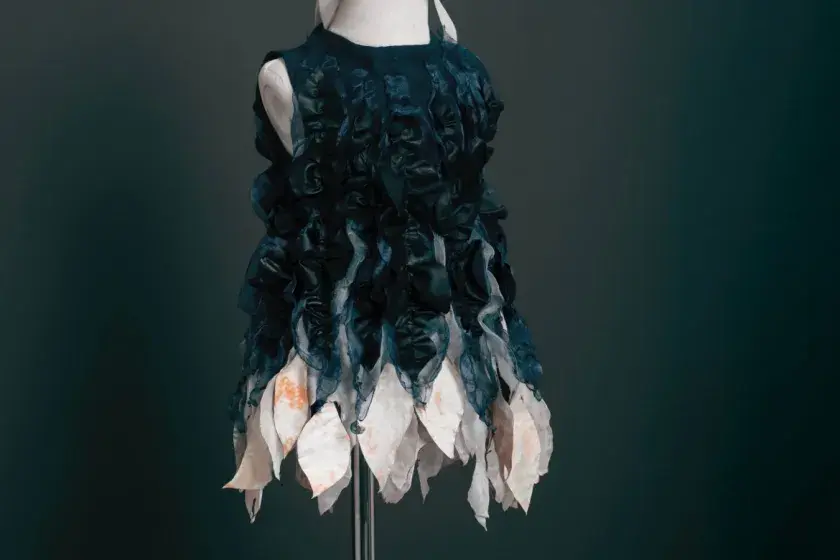

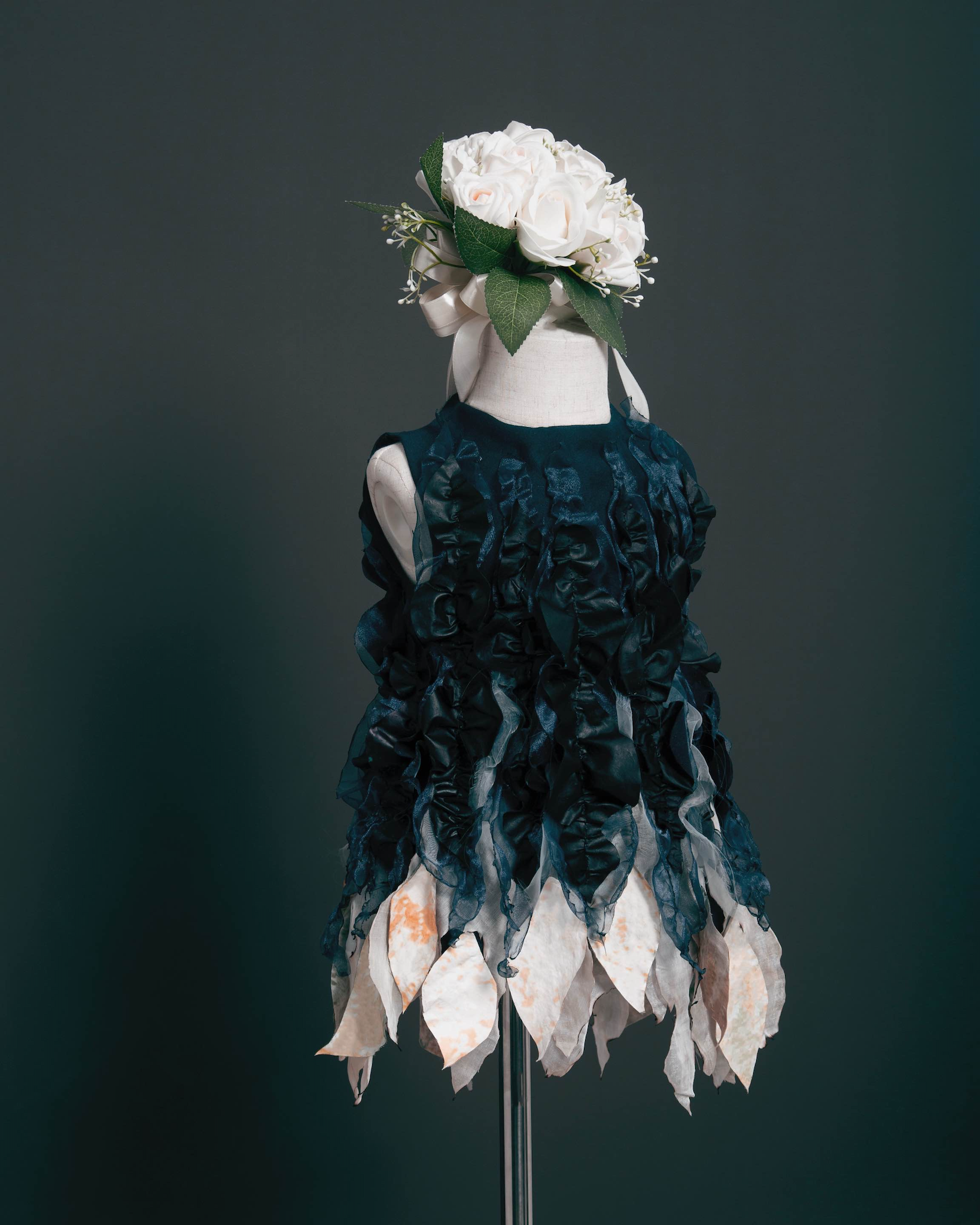


Mushroom Leather Revolution | Premium Sustainable Handbag Market Opportunity for Cross-Border Sellers
- Mycelium leather technology enables 30-40% margin premium for eco-conscious fashion sellers targeting Gen Z/millennial demographics across Amazon, Shopify, and specialty marketplaces
Overview
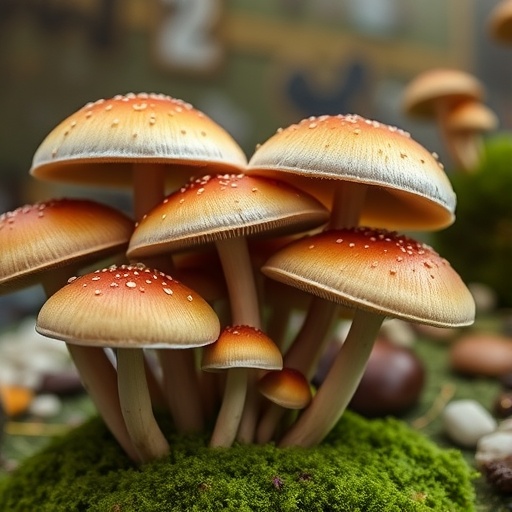
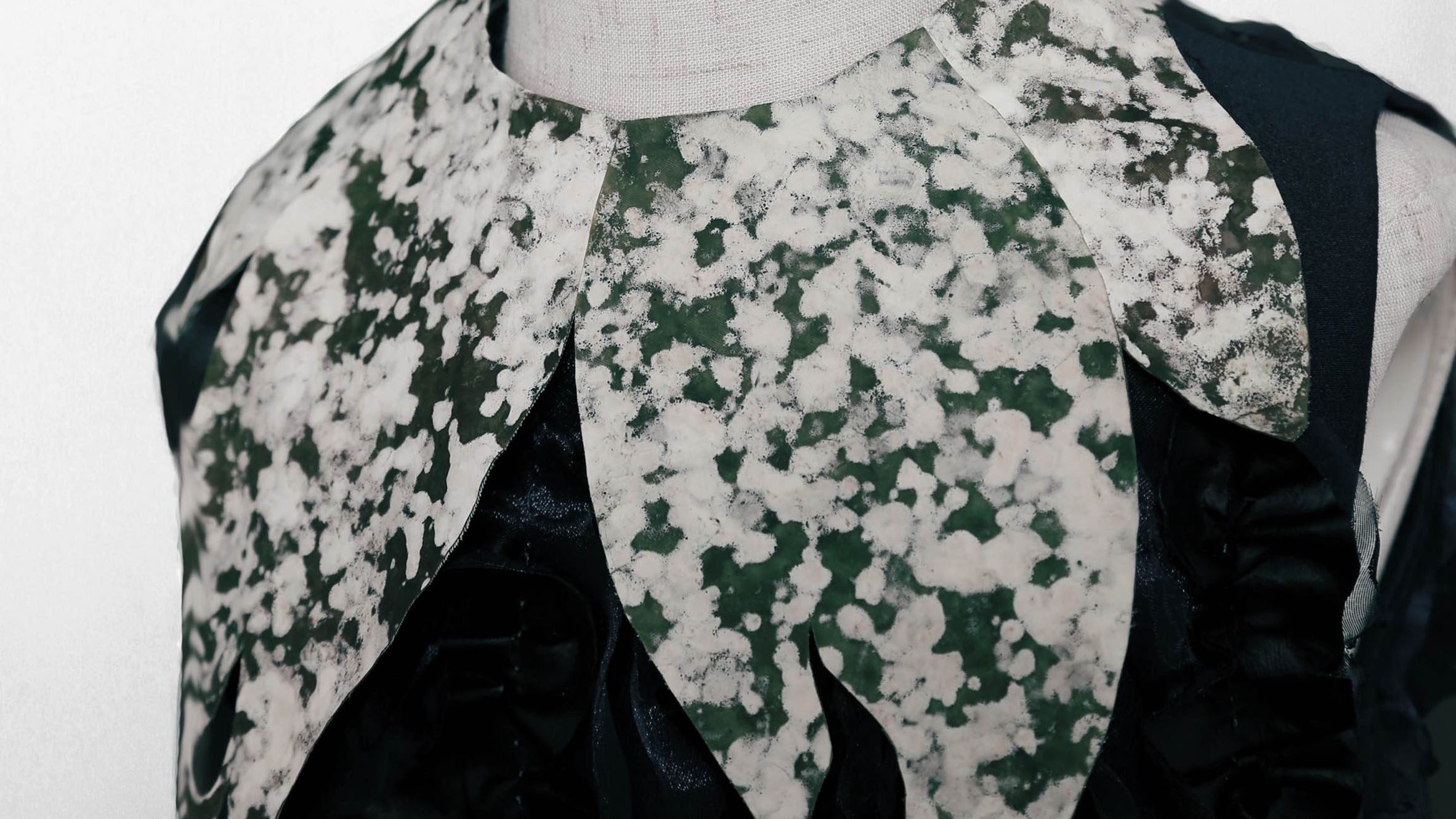
Mushroom leather (mycelium-based materials) represents a transformative opportunity in the sustainable fashion accessories market, with early commercial adoption signaling 15-25% annual growth potential through 2026. The technology converts agricultural waste into flexible, durable leather alternatives comparable to traditional animal leather, addressing critical consumer demand for eco-friendly products particularly among Gen Z and millennial buyers willing to pay 25-40% premiums for certified sustainable goods.
Market Positioning & Seller Opportunity: The news indicates several companies and research institutions have achieved commercial viability with manufacturing processes suitable for luxury goods production. This creates a first-mover advantage window for cross-border sellers. Sustainable fashion accessories represent a $8.5B global market growing 12-18% annually, with handbags and leather goods as the highest-margin subcategory. Sellers entering this space can command premium pricing ($45-150 per unit vs. $25-80 for conventional leather alternatives) while capturing environmentally conscious consumers increasingly filtering purchases by sustainability credentials on Amazon, Shopify, and specialty platforms like Etsy and Uncommon Goods.
Platform & Channel Strategy: Amazon's "Climate Pledge Friendly" badge program and Shopify's sustainability filters create direct merchandising advantages for certified mycelium leather products. Pinterest and TikTok show 340% year-over-year growth in "sustainable fashion" searches, with CPM costs 35-45% lower than traditional fashion advertising, enabling efficient customer acquisition at $8-15 CAC for this demographic. Instagram's "Shop Sustainably" collections and YouTube's eco-fashion influencer partnerships (50K-500K follower range) offer underpriced affiliate opportunities with 8-12% conversion rates for luxury accessories.
Supply Chain & Sourcing Considerations: Sellers must establish partnerships with mycelium leather manufacturers (currently concentrated in EU and North America) and obtain sustainability certifications (GOTS, OEKO-TEX, or proprietary eco-labels) to justify premium positioning. Production scalability remains a constraint—current manufacturers produce 500-2,000 units monthly—requiring sellers to secure exclusive distribution agreements or pre-order models. Regulatory certifications for biodegradability claims are emerging across EU (Green Claims Directive) and US (FTC guidelines), creating compliance requirements that differentiate serious sellers from opportunistic competitors.
Competitive Timing: Early adopters in luxury fashion (Stella McCartney, Hermès partnerships) have validated market demand, but mass-market penetration remains limited. Cross-border sellers have 12-18 months to establish brand positioning before major fast-fashion retailers (H&M, Zara) scale production, compressing margins. Sellers should prioritize direct-to-consumer channels (Shopify, independent sites) where margins remain 50-65%, versus Amazon where category competition will intensify and margins compress to 30-40% by 2026.
Questions 8
What is mushroom leather and why should cross-border sellers care about it?
Mushroom leather (mycelium leather) is a bio-fabricated material created by cultivating mushroom root structures in controlled environments, producing flexible, durable sheets comparable to traditional animal leather. For cross-border sellers, this represents a premium product opportunity in the $8.5B sustainable fashion accessories market growing 12-18% annually. The material addresses critical consumer demand for eco-friendly alternatives, particularly among Gen Z and millennial buyers willing to pay 25-40% premiums. Early adopters can establish brand positioning before major retailers scale production, capturing first-mover advantages in handbags, wallets, and accessories categories on Amazon, Shopify, and specialty platforms.
What pricing strategy should sellers use for mushroom leather products?
Mushroom leather products command premium pricing of $45-150 per unit for handbags versus $25-80 for conventional leather alternatives, enabling 50-65% gross margins on direct-to-consumer channels (Shopify, independent sites) and 30-40% on Amazon. Sellers should position products as luxury sustainable goods with certified eco-labels (OEKO-TEX, GOTS, or proprietary certifications) to justify premium positioning. Competitive analysis shows Stella McCartney and Hermès partnerships validate $80-150 price points for designer handbags. For mass-market positioning, $35-65 price points work on Amazon and TikTok Shop, targeting value-conscious eco-buyers. Pricing should reflect sustainability certifications, production scalability constraints, and brand positioning rather than competing on cost.