



OpenAI's $300-400 AI Smart Speaker Creates Premium Hardware Opportunity for Sellers | 2027 Launch Signals Ecosystem Shift
- OpenAI's luxury smart speaker priced 5-10x higher than Amazon Echo creates new premium accessory and integration opportunities for sellers; 2027 launch timeline enables competitive product development and ecosystem positioning








)












































Overview
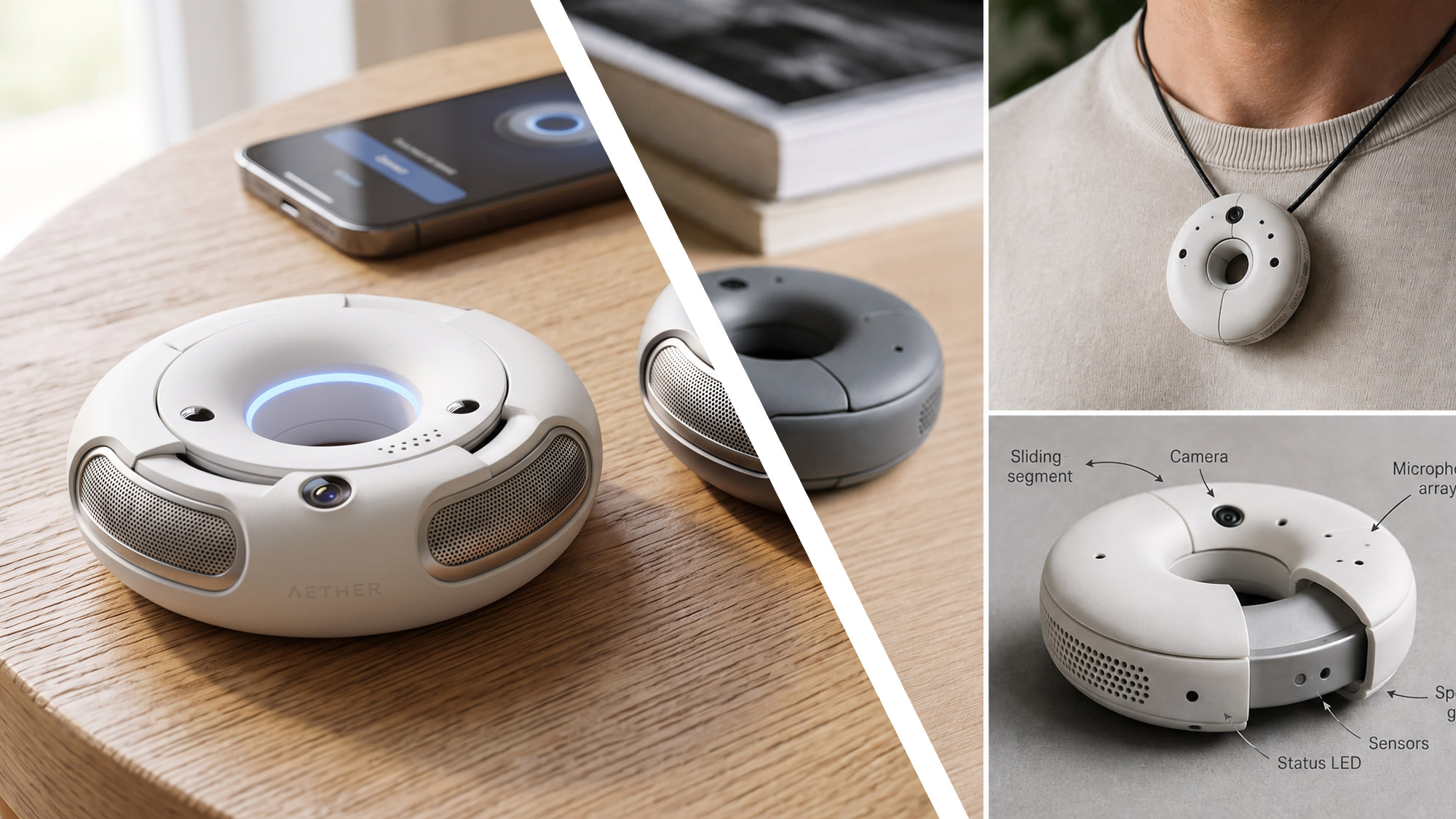
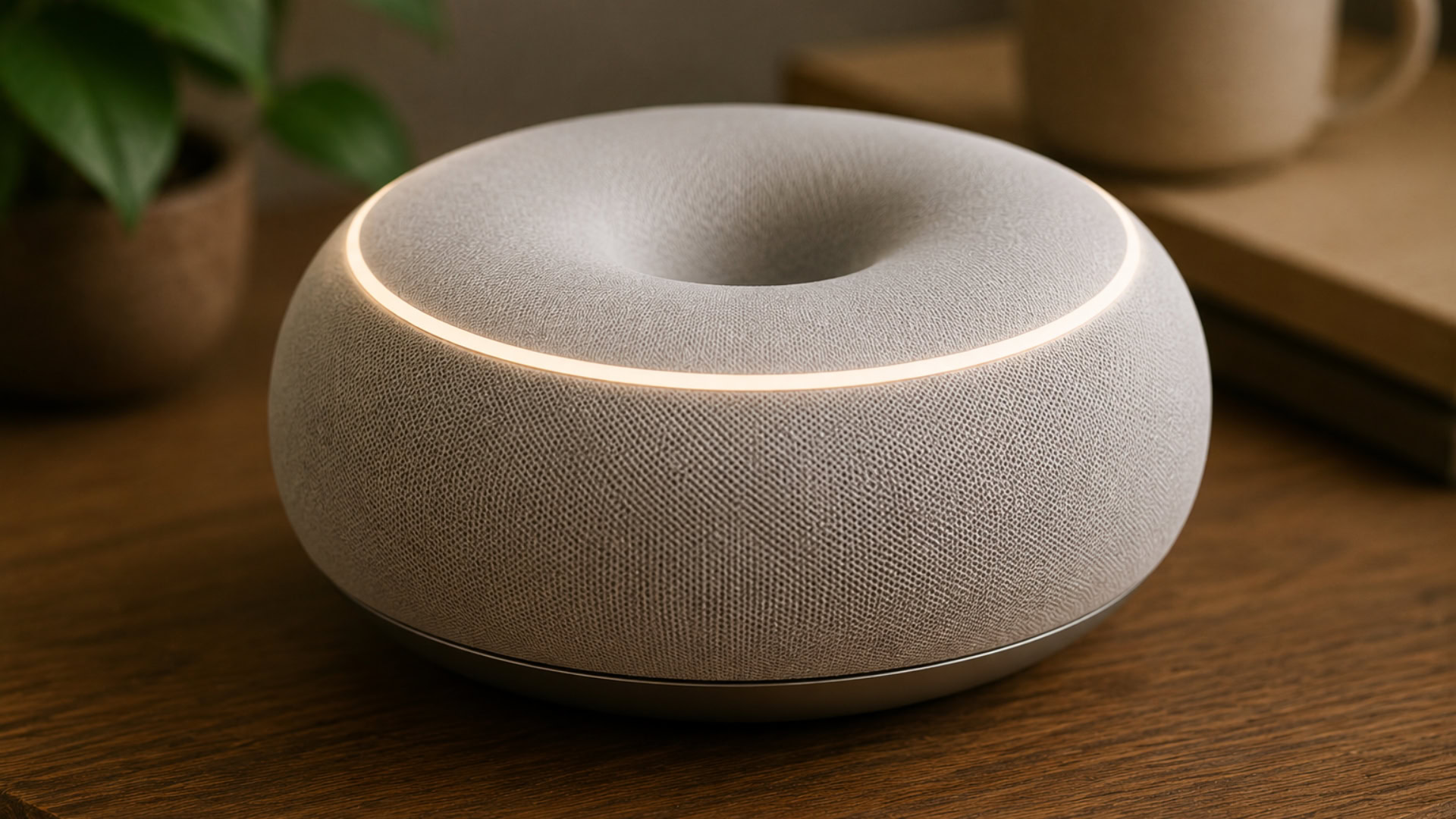
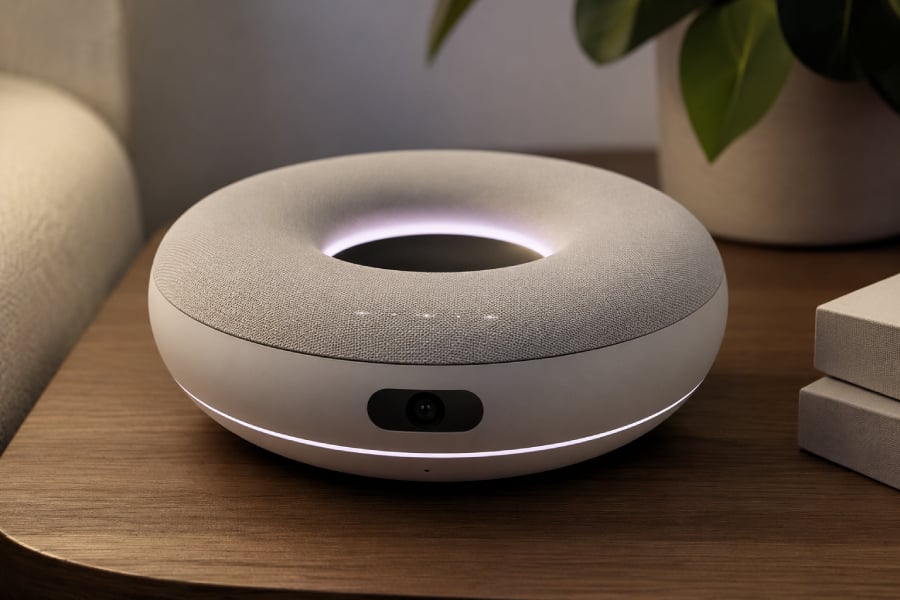
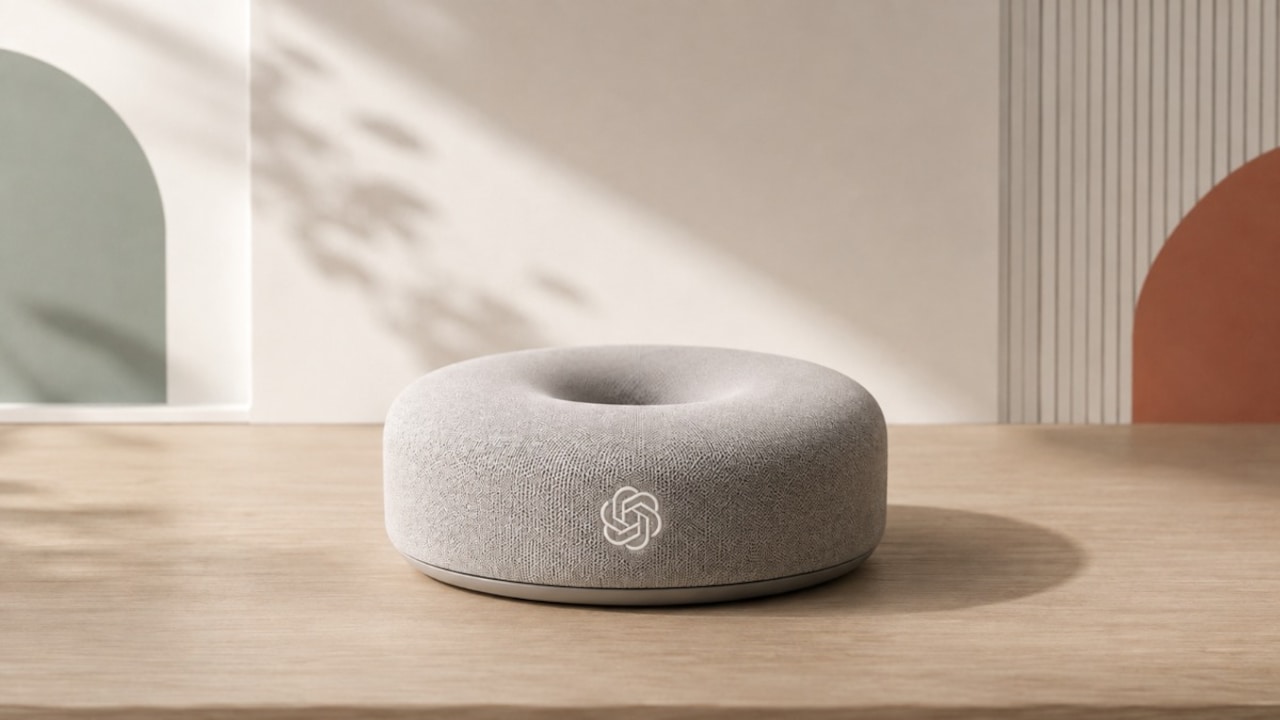
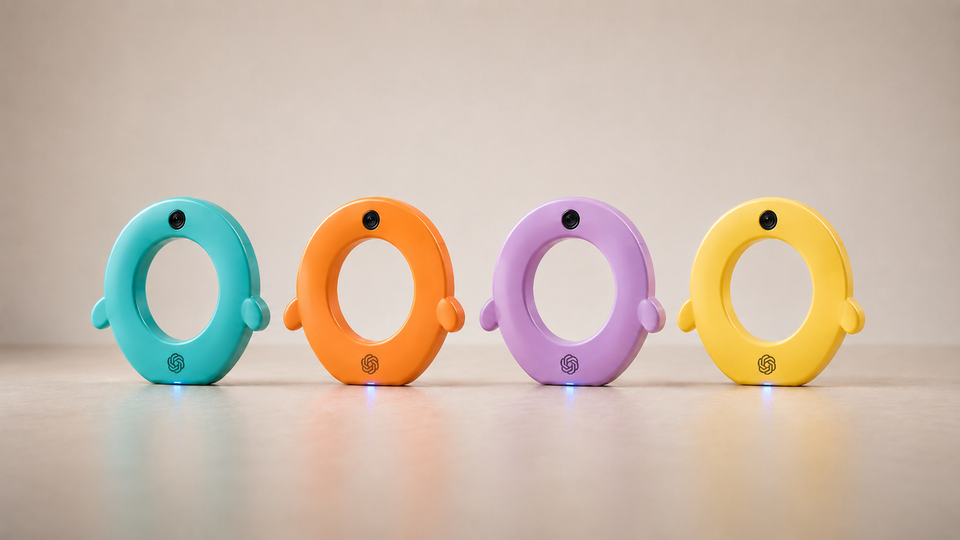
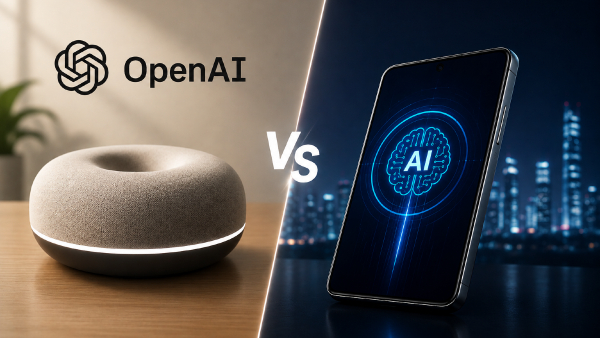
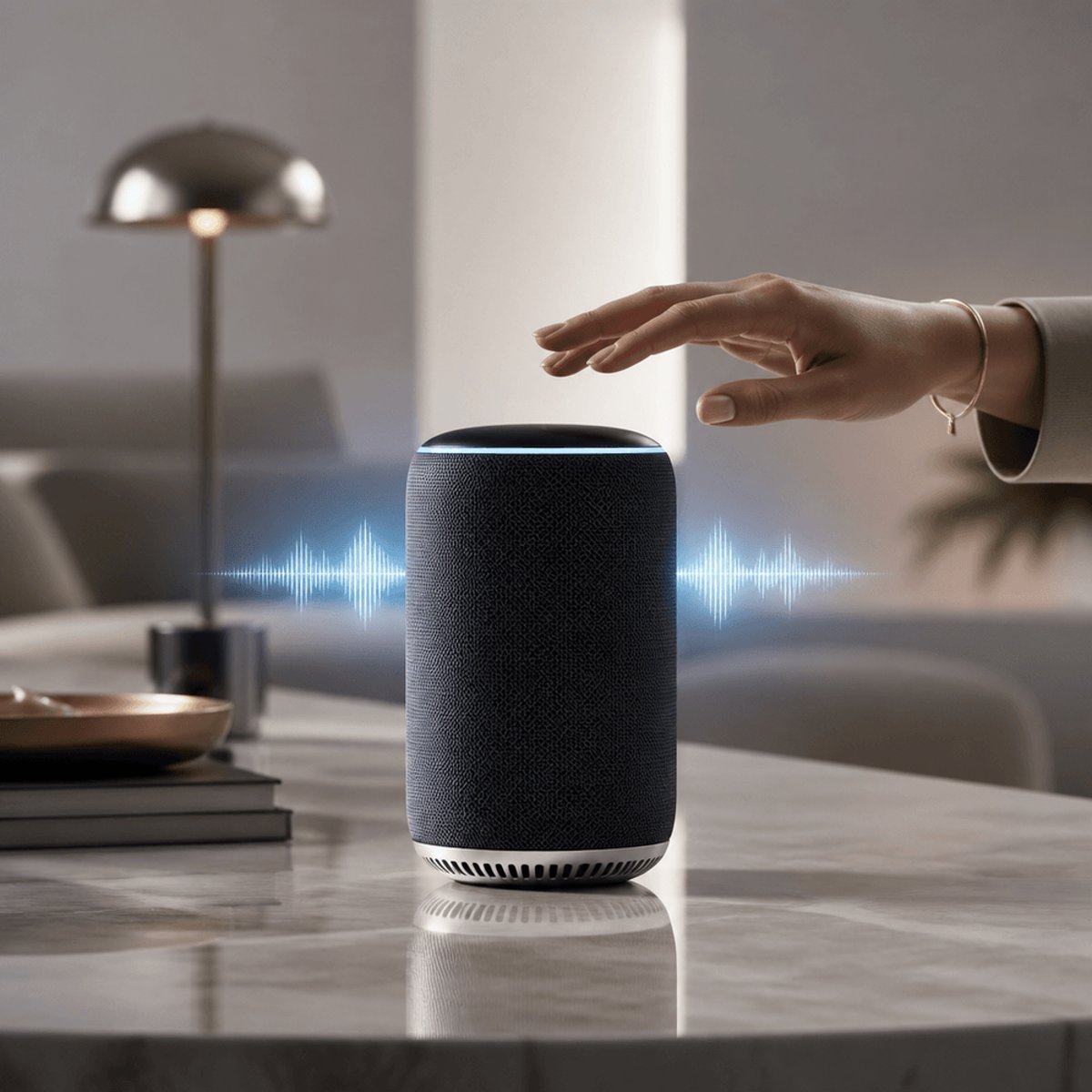
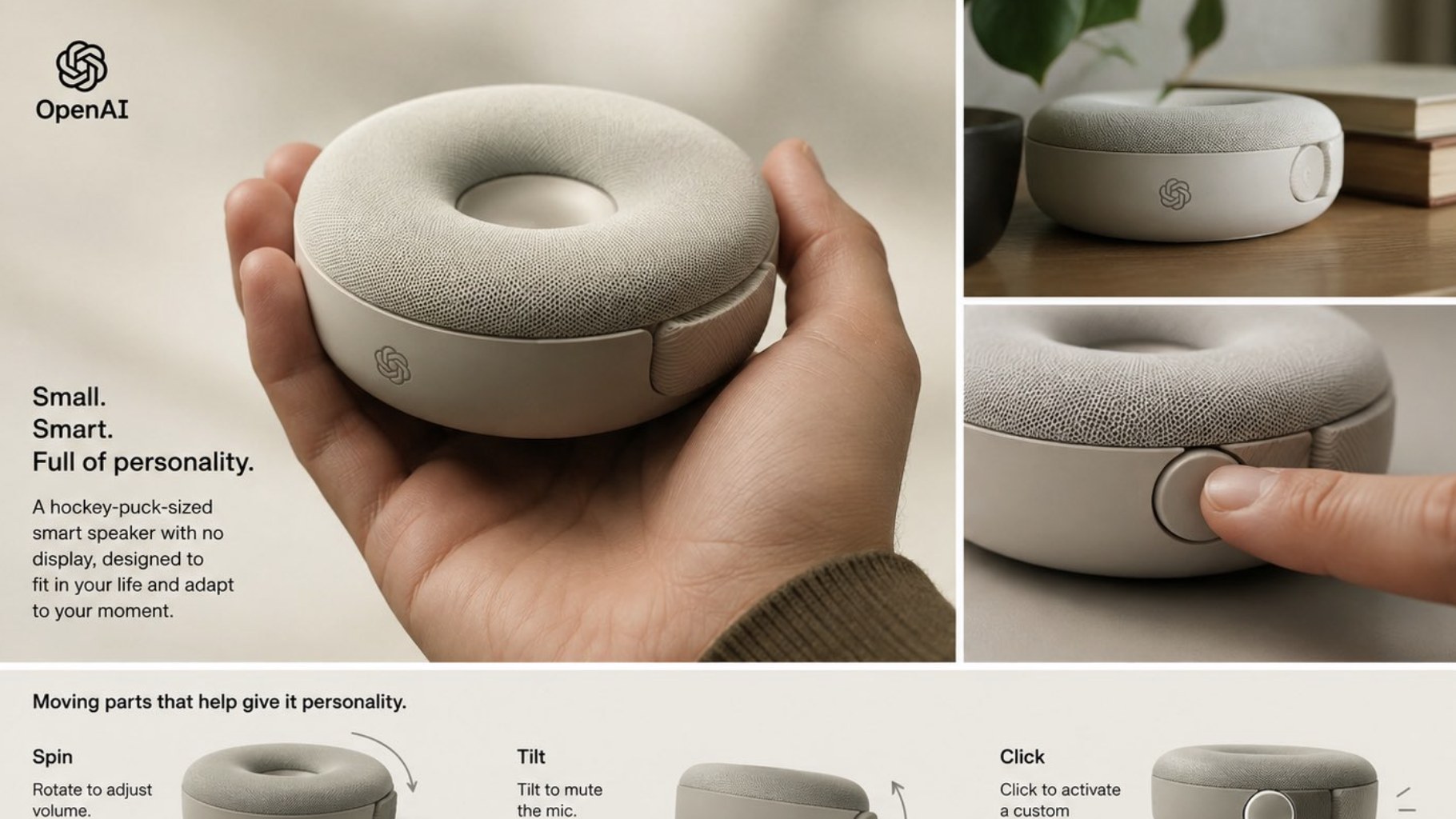
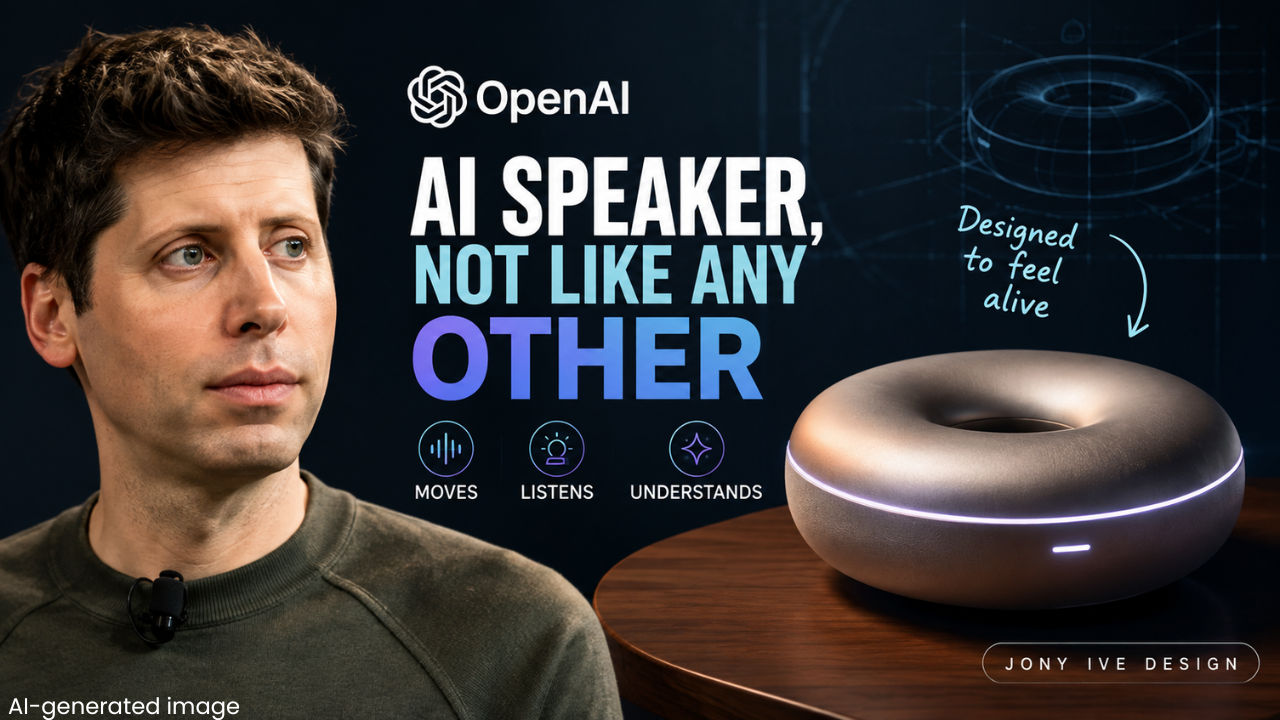
OpenAI's premium AI smart speaker announcement represents a critical market segmentation opportunity for e-commerce sellers. The $300-400 price point—significantly exceeding Amazon's $40-240 smart speaker range—signals a fundamental shift toward luxury AI hardware targeting affluent consumers willing to pay for design quality and advanced conversational capabilities. Designed by Jony Ive's LoveFrom studio with distinctive donut-shaped form factor and moving parts, the device represents ChatGPT's physical manifestation, expected to launch in 2027. This creates immediate opportunities for sellers across multiple categories: premium smart home accessories, AI-compatible home automation products, high-end audio equipment, and ChatGPT-integrated lifestyle products.
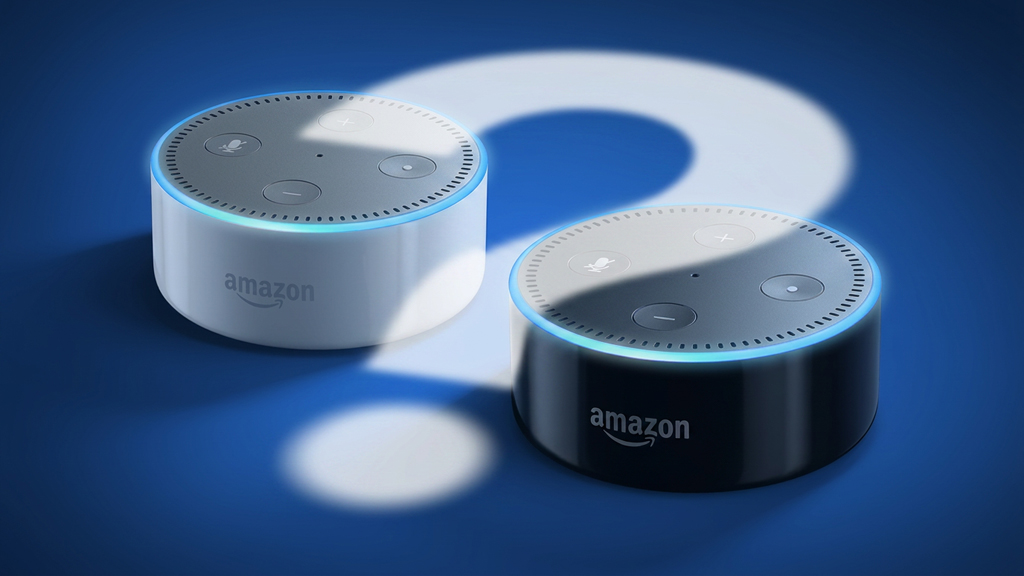
For e-commerce sellers, this announcement reveals three critical AI-powered opportunities: First, predictive product positioning—sellers can use AI analysis of OpenAI's design philosophy and premium positioning to identify underserved luxury smart home categories on Amazon, Shopify, and specialty platforms. The 2027 timeline allows 18+ months for sellers to develop complementary products (premium stands, acoustic enclosures, integration hubs) using AI-driven demand forecasting. Second, competitive intelligence automation—sellers should deploy AI tools to monitor Apple's smart home strategy (given the ongoing trade secret lawsuit), Amazon's Echo ecosystem evolution, and Google Home's premium tier positioning to identify market gaps. Third, dynamic pricing optimization—the $300-400 price point establishes a new premium tier; sellers can use AI pricing algorithms to position complementary products at optimal price points relative to OpenAI's anchor price, capturing margin expansion in the luxury segment.
The market profitability challenge presents a data-driven opportunity. Industry data shows smart speakers historically struggle with profitability despite high adoption rates. However, OpenAI's premium positioning differs fundamentally from Amazon's volume-based model. Sellers can leverage AI sentiment analysis on social media and review platforms to identify specific pain points with existing smart speakers—design limitations, integration gaps, audio quality concerns—then develop targeted solutions. The Apple lawsuit against OpenAI adds competitive uncertainty, but also signals intensifying hardware competition; sellers should use AI to track litigation outcomes and competitive responses, adjusting product roadmaps accordingly. The 2027 launch window provides 18 months for sellers to establish market position before OpenAI's entry, making immediate action on product research and positioning critical for capturing early adopter demand.
Questions 7
What data-driven insights can sellers extract from OpenAI's premium positioning strategy?
OpenAI's $300-400 price point and design-focused approach reveal critical market insights: (1) **Premium segment profitability**—while smart speakers historically struggle with profitability, OpenAI's strategy suggests luxury positioning offers better margins; sellers should analyze whether 40-50% gross margins are achievable in premium tiers vs. 20-30% in commodity segments; (2) **Design as differentiator**—Jony Ive partnership signals design quality commands price premiums; sellers should invest in product aesthetics and packaging for luxury positioning; (3) **Ecosystem integration value**—OpenAI emphasizes ChatGPT integration; sellers should develop products that deepen AI assistant integration rather than competing on commodity features. Use AI sentiment analysis on social media to identify which design elements and features drive premium consumer interest, informing product development priorities.
How should sellers prepare for potential Apple-OpenAI litigation outcomes affecting smart speaker market?
The Apple lawsuit alleging trade secret theft creates market uncertainty but also opportunity. Sellers should use AI to monitor litigation progress and competitive responses: (1) **Track Apple's smart home strategy**—if Apple wins, OpenAI may face product delays or design restrictions, creating window for competitors; (2) **Monitor Amazon's Echo evolution**—Amazon may accelerate premium tier development to compete with OpenAI; (3) **Analyze Google Home positioning**—Google may emphasize AI integration advantages. Sellers should develop flexible product roadmaps with AI scenario planning, preparing 2-3 product variations that work with different smart speaker ecosystems. The 18-month timeline before 2027 launch allows sellers to hedge bets across multiple platforms, reducing litigation risk exposure.