



Section 232 Polysilicon Tariffs & Price Floors | Critical Supply Chain Shift for Electronics & Solar E-Commerce Sellers
- 15% tariff + minimum price floors effective December 4, 2025; 4-month import surge window creates urgent sourcing decisions for electronics, solar, and semiconductor component sellers











Overview
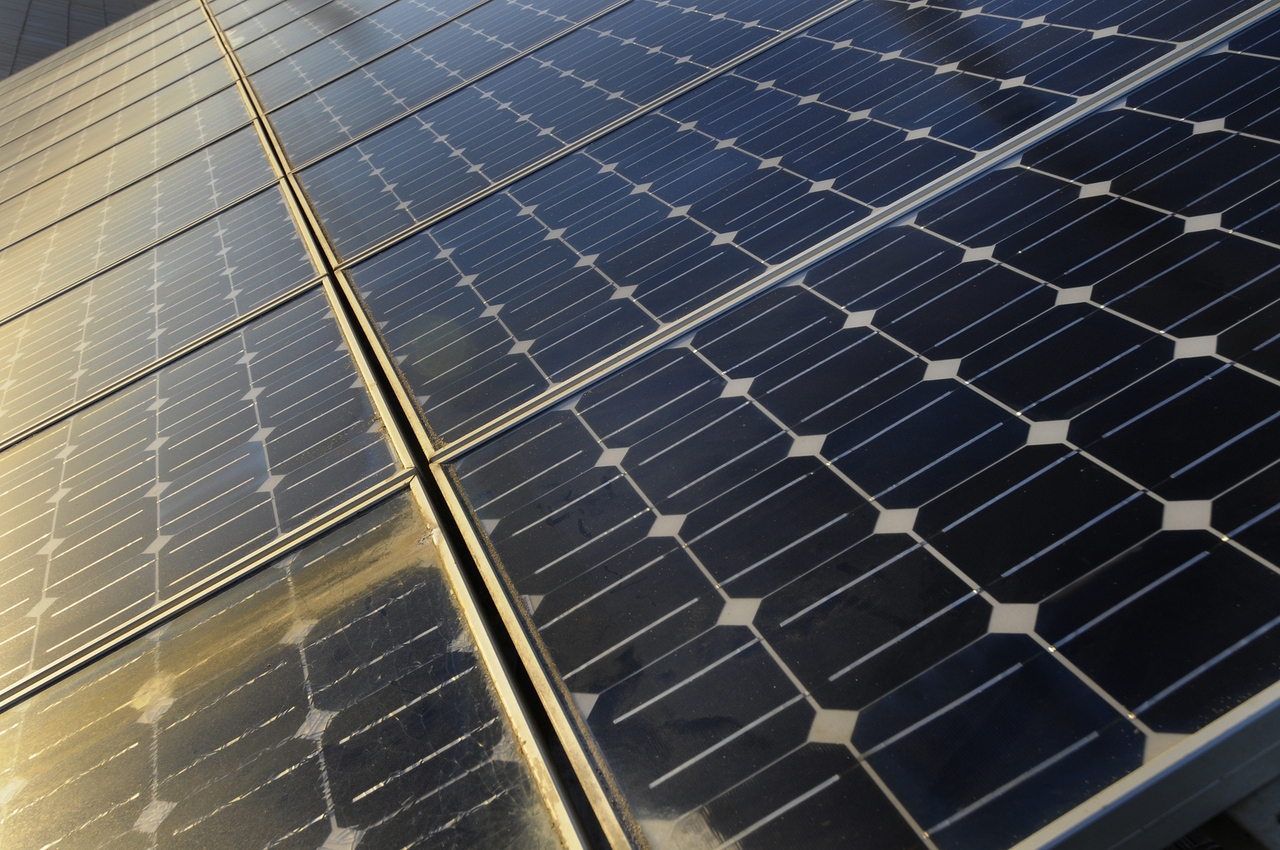
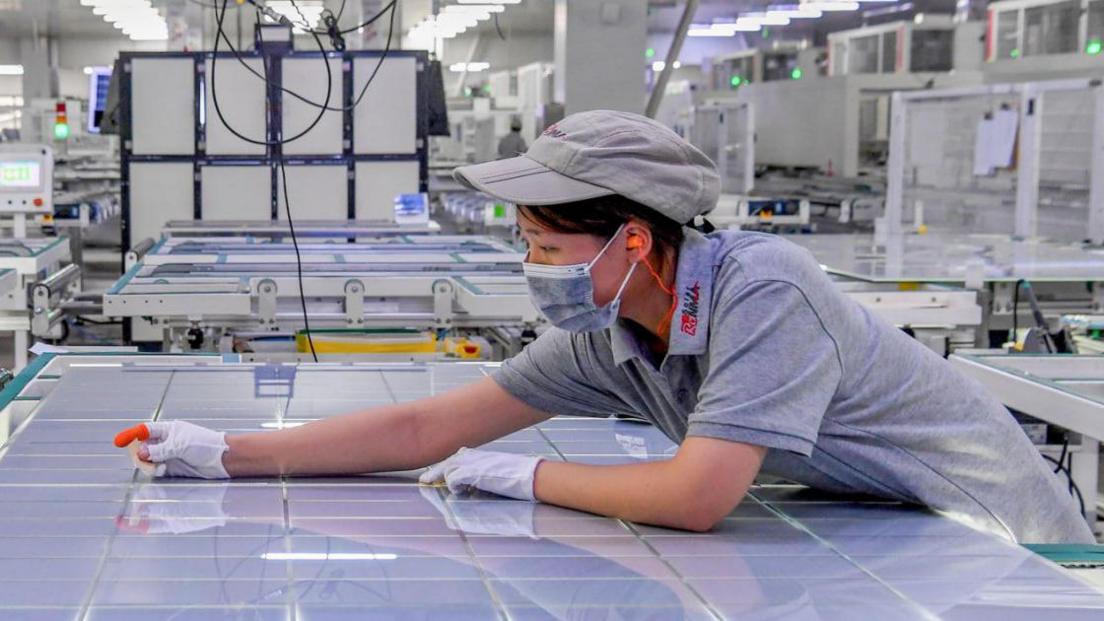
The Trump administration's August 6, 2025 proclamation under Section 232 of the Trade Expansion Act imposes a 15% tariff on polysilicon and establishes binding minimum import prices for solar products, directly reshaping supply chains for cross-border e-commerce sellers. The policy establishes price floors of $21/kg for polysilicon, $100/kg for ingots/wafers, $0.22/watt for solar cells, and $0.38/watt for solar modules, effective December 4, 2025. This creates a critical 4-month window (August-December 2025) where sellers can import at current prices before tariffs activate—a timing advantage that trade attorney Tim Brightbill warns will trigger import surges as competitors rush to stock inventory.
For e-commerce sellers, the tariff structure creates three distinct competitive tiers. Large sellers with established supply chains outside China (Vietnam, India, Southeast Asia) face 5-8% cost increases on finished electronics and solar equipment, while China-dependent importers face 15%+ landed cost increases. Sellers offering domestically-manufactured alternatives (US-made solar panels, semiconductors from Hemlock Semiconductor or Wacker Chemie) gain immediate competitive advantage as Chinese imports become price-uncompetitive. The policy directly impacts Amazon, eBay, and Shopify sellers in electronics (HS codes 8471-8544), solar equipment (HS 8501-8537), and semiconductor components, with margin compression of 5-15% across these categories unless pricing is adjusted immediately.
The strategic opportunity window is immediate and time-bound. Sellers should execute bulk imports before December 4, 2025 to avoid tariff costs, but must balance inventory carrying costs against the 4-month window. The Commerce Department's authorization for incentive programs targeting polysilicon production investment signals long-term domestic sourcing opportunities—companies like T1 Energy ($510M Texas facility investment), First Solar, and Qcells are positioning for government support. For cross-border sellers, this creates a bifurcated market: Chinese-sourced products face structural cost disadvantages post-December 4, while domestic and allied-nation sourcing becomes strategically valuable. The policy explicitly targets reducing dependence on Chinese supply chains critical to semiconductor and AI infrastructure, making this a structural shift rather than temporary tariff—sellers must plan for permanent cost structure changes, not temporary price spikes.
Retaliatory tariff risk compounds the complexity. Industry analysts expect affected nations (particularly China) to impose counter-tariffs on US agricultural and consumer goods, potentially raising costs for sellers importing complementary products. Sellers should monitor tariff classification changes as customs processes new polysilicon and solar product categories—delays in customs clearance could extend lead times by 2-3 weeks during the December surge period.
Questions 8
What is the critical timeline for sellers to take action before the December 4, 2025 tariff implementation?
Sellers have a 4-month window from August 6 to December 4, 2025 to import polysilicon and solar products at current prices before tariffs activate. This creates an urgent sourcing decision: bulk importing before December 4 avoids tariff costs but requires managing inventory carrying costs. However, sellers must balance this against potential customs delays during the import surge period—delays could extend lead times by 2-3 weeks as customs processes new tariff classifications. Sellers should execute import orders by late October 2025 to ensure delivery before December 4, accounting for typical 4-6 week ocean freight times from Asia.
How will the polysilicon tariffs affect e-commerce sellers importing electronics and solar equipment?
E-commerce sellers face 5-15% cost increases on landed goods depending on supply chain positioning. Sellers importing finished electronics, solar panels, or devices containing polysilicon will experience higher landed costs, with potential price increases of 5-15% across product categories. Sellers specializing in solar equipment, semiconductors, or electronics components face the most direct impact. However, sellers offering domestically-manufactured alternatives or those with established supply chains outside China (Vietnam, India, Southeast Asia) gain competitive advantage as Chinese imports become price-uncompetitive. Amazon, eBay, and Shopify sellers in electronics and solar categories must adjust pricing strategies or relocate production to maintain margins.