


Fresh Produce Import Crisis | Salmonella Outbreak Reshapes Food Supply Chain for Cross-Border Sellers
- 345 confirmed cases across 27 US states; 36 hospitalizations; Coast Citrus Distributors recall triggers FDA enforcement and stricter Mexican agricultural import protocols affecting all fresh produce sellers









Overview
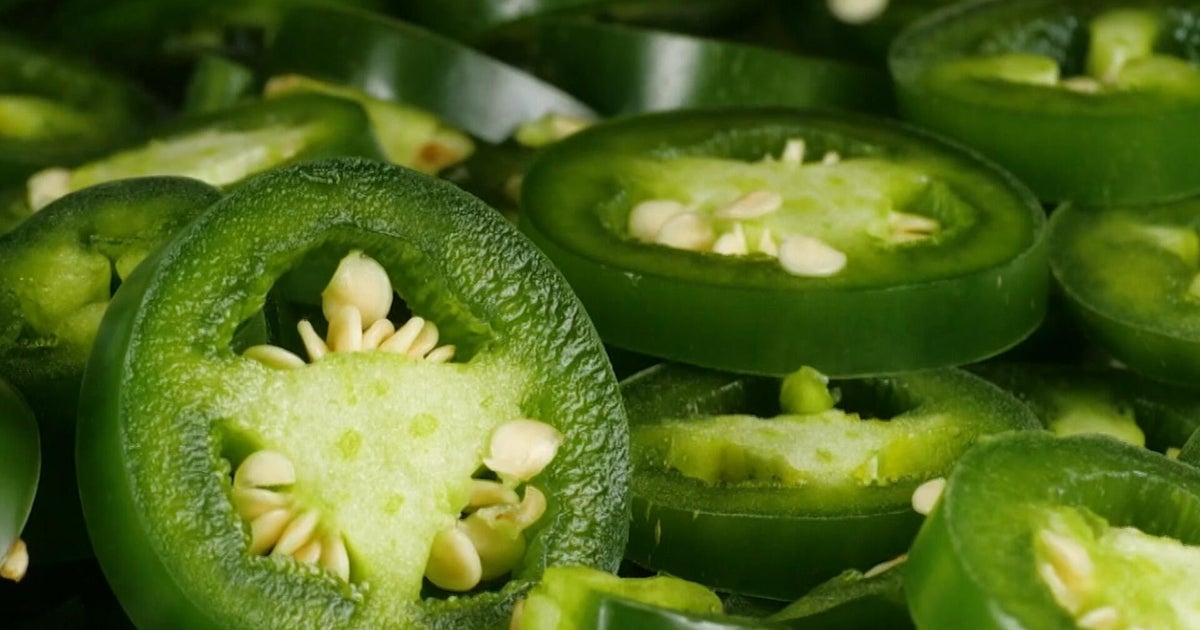
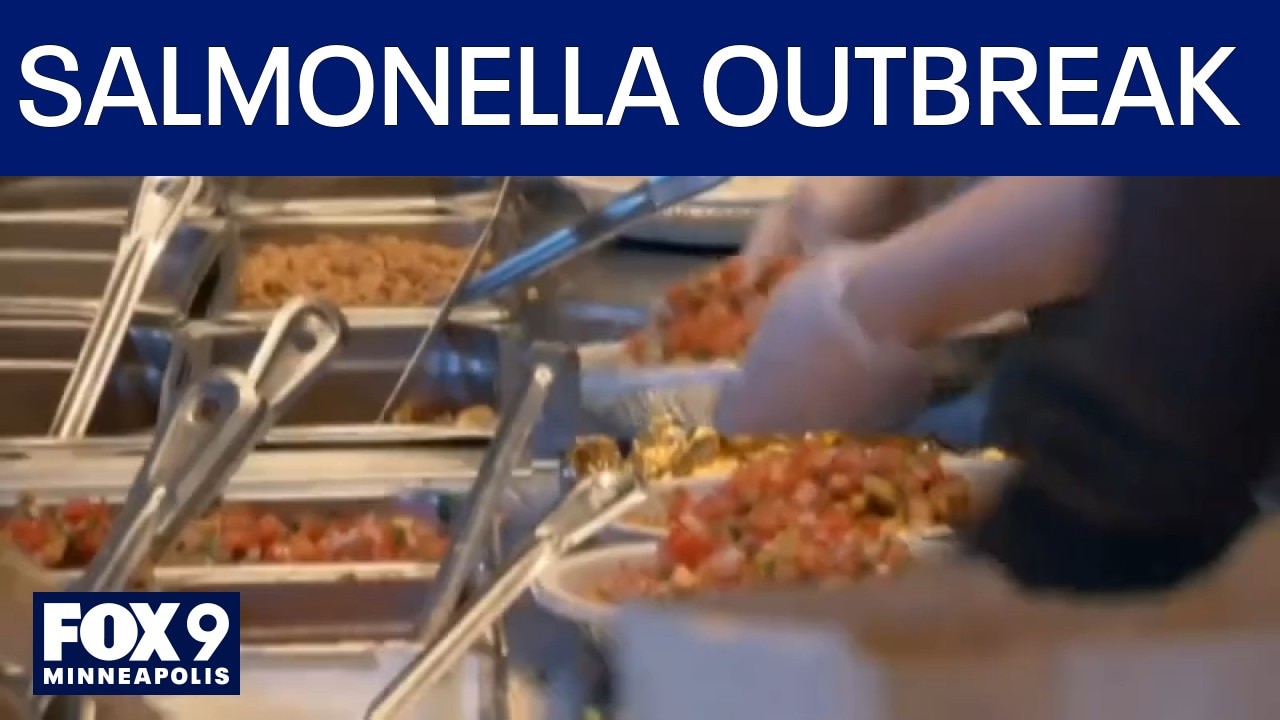
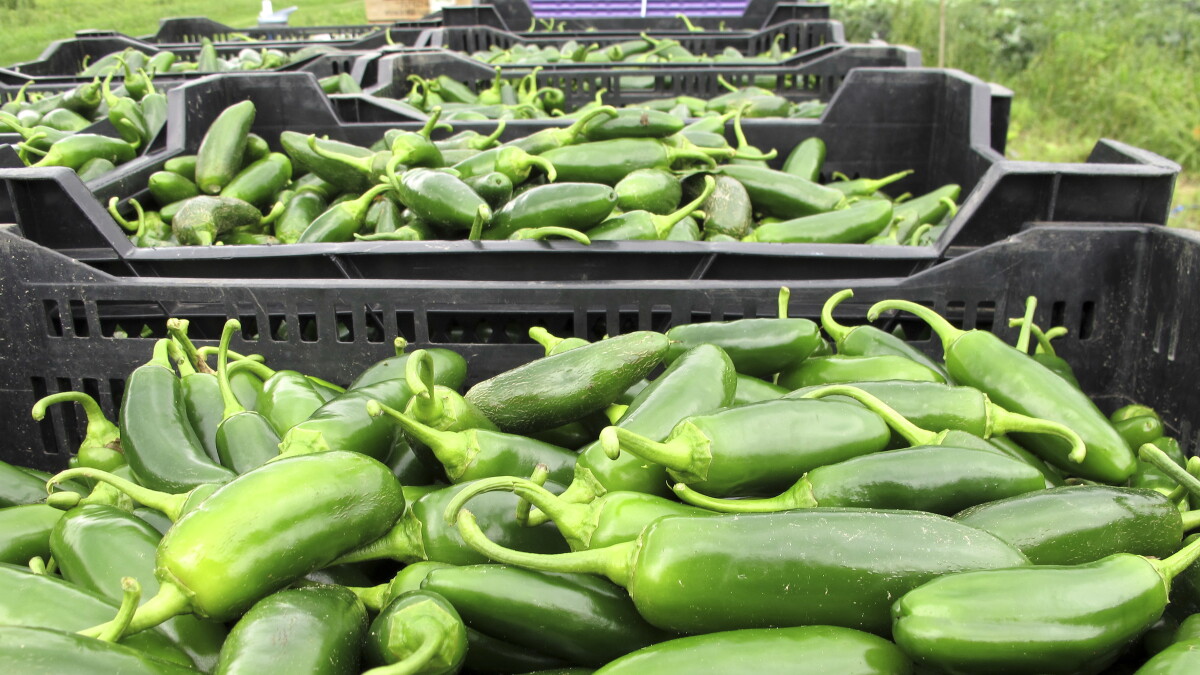
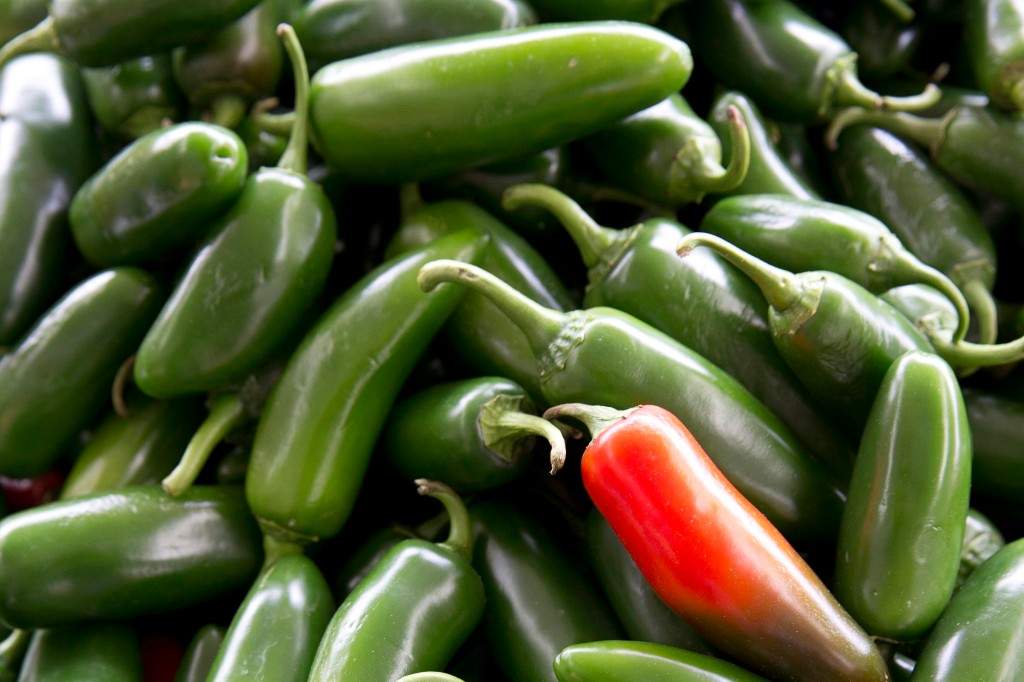
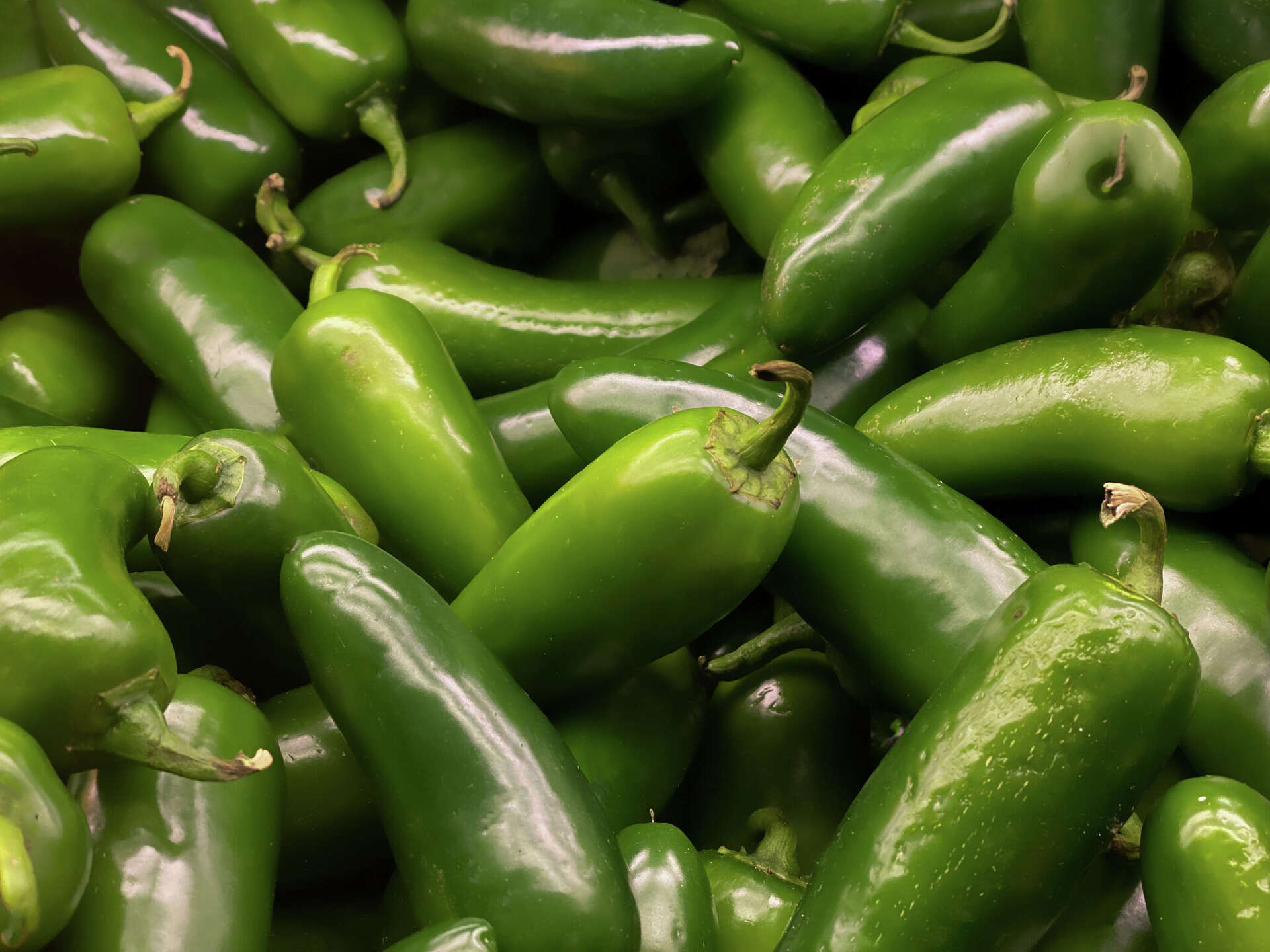
The Salmonella Javiana outbreak linked to jalapeños from Sinaloa, Mexico has created an immediate supply chain crisis affecting 345 people across 27 US states with 36 hospitalizations. Coast Citrus Distributors' recall of contaminated jalapeños distributed nationwide has triggered heightened FDA scrutiny of Mexican agricultural imports, with Minnesota and Colorado reporting the highest case counts (110 each). This outbreak represents the second major US foodborne illness incident since July 2024, following a cyclospora outbreak affecting 1,000+ people linked to lettuce. For cross-border e-commerce sellers, this event signals a critical inflection point in fresh produce logistics and compliance requirements.
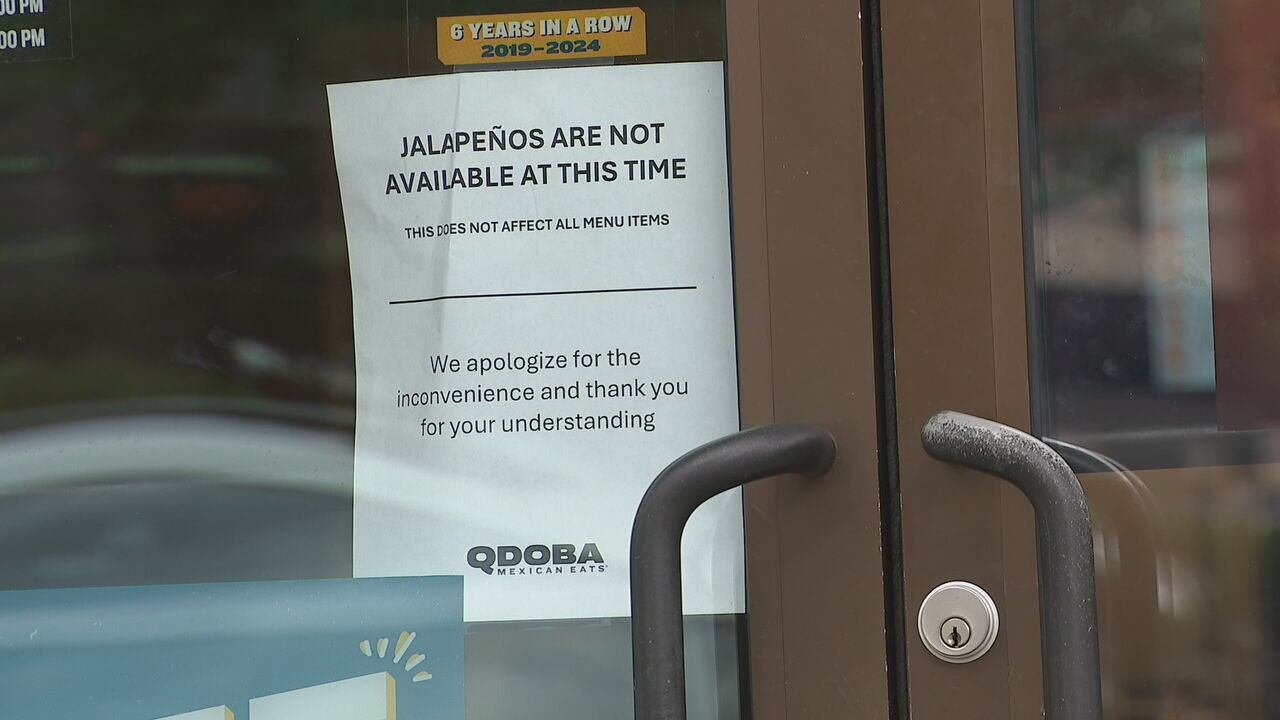
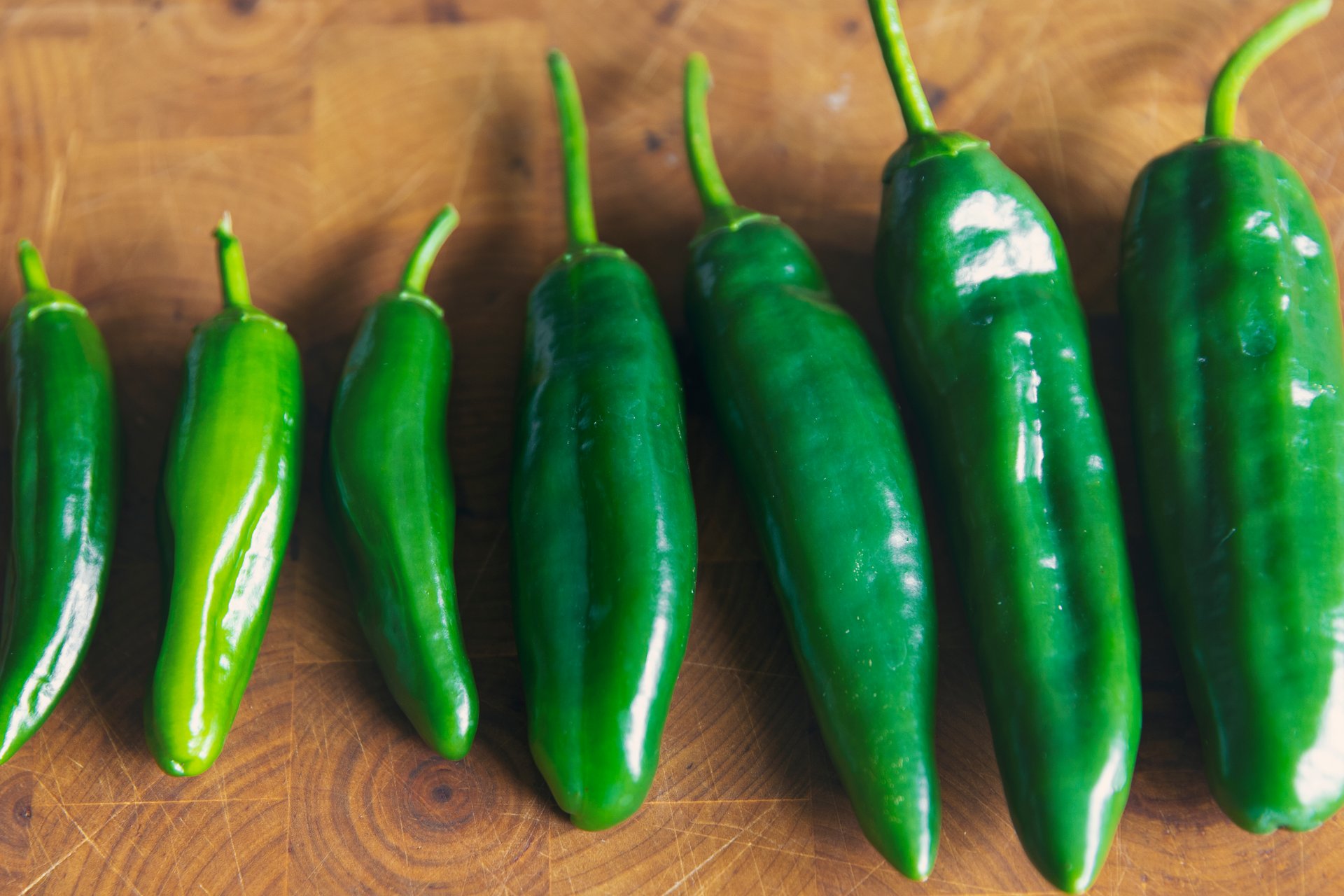
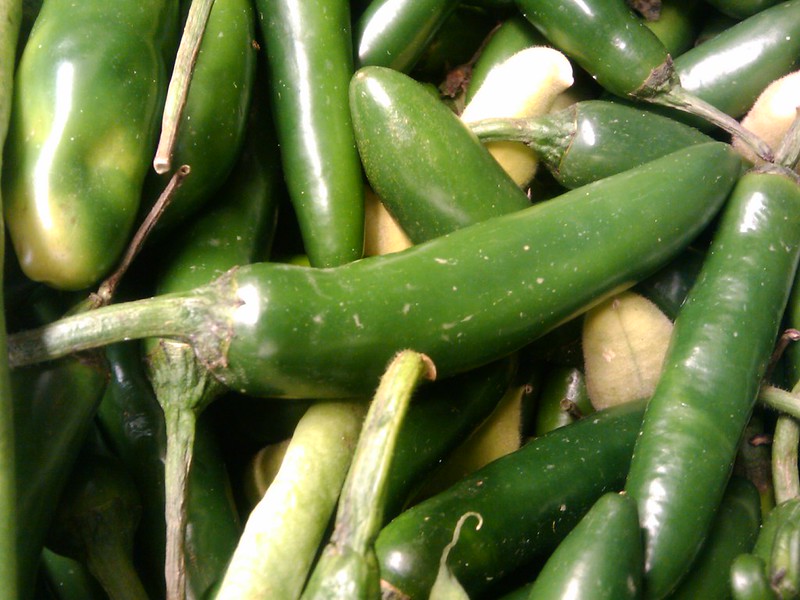
The immediate operational impact centers on supply chain verification and inventory management. Sellers importing fresh produce from Mexico—particularly jalapeños, serrano peppers, and related categories—face potential FDA import alerts, mandatory testing protocols, and extended customs clearance times (currently 5-7 days, potentially extending to 14-21 days during outbreak investigations). The outbreak demonstrates that traceability failures create catastrophic liability: Chipotle and Qdoba removed affected products within days of identification, but loose-sold jalapeños without packaging labels complicate consumer identification and seller accountability. For sellers using Mexican suppliers, the cost of compliance has increased substantially: third-party food safety certifications (FSMA compliance, HACCP documentation) now cost $3,000-8,000 per supplier audit, and mandatory chain-of-custody documentation adds 2-3 weeks to import timelines. Sellers must immediately verify supplier credentials and farm origins—Coast Citrus Distributors' failure to maintain adequate traceability systems resulted in nationwide distribution of contaminated products, exposing all downstream sellers to product liability claims.
Strategic sourcing shifts are already underway in the fresh produce category. The outbreak creates a 60-90 day window where Mexican jalapeño supplies face heightened scrutiny, creating opportunities for sellers to source from alternative regions: California-grown jalapeños (higher cost, +15-20% premium but FDA-compliant), domestic greenhouse producers, or diversified pepper sourcing from Florida and Texas. Sellers currently holding Mexican jalapeño inventory face liquidation pressure—wholesale prices for affected batches have dropped 30-40% as restaurants and retailers de-risk. For sellers with FBA inventory of fresh produce, Amazon's strict food safety policies mean any product linked to FDA alerts faces immediate removal and potential account suspension. The logistics implication is significant: fresh produce typically requires expedited shipping (air freight $8-12/kg vs ocean freight $2-3/kg), and outbreak-related delays mean sellers must either absorb extended lead times or shift to premium fulfillment models. Warehouse positioning matters critically—sellers should prioritize US-based 3PL facilities with FDA-registered cold storage rather than relying on Mexican cross-dock operations, adding $0.50-1.50/unit to fulfillment costs but reducing contamination risk and customs delays.
Questions 8
How should sellers update supplier verification and compliance documentation to meet new FDA standards?
The outbreak has elevated FDA expectations for fresh produce importers. Sellers must now maintain: (1) FSMA Part 117 (Foreign Supplier Verification Program) documentation for all Mexican suppliers, including farm-level audits and water/soil testing results, (2) chain-of-custody records from farm to warehouse to customer (required by FDA for outbreak investigations), (3) third-party food safety certifications (SQF, HACCP, or equivalent) costing $3,000-8,000 per supplier, (4) real-time traceability systems that can identify contaminated batches within 24 hours. Sellers should implement these by January 2025 to avoid import delays. Non-compliance risks include FDA import alerts (blocking all shipments), product seizures at ports, and account suspension on Amazon FBA. The 2008 jalapeño/serrano outbreak provides precedent: FDA maintained enhanced scrutiny for 18+ months, suggesting this outbreak will impact sourcing decisions through Q2 2025.
What are the total landed cost implications for sellers sourcing fresh produce from different regions?
Mexican jalapeños (pre-outbreak baseline): $0.40/unit FOB + $0.15/kg air freight ($2.50-3.00/unit) + $0.30 customs/tariffs + $0.50 US 3PL = $3.70-4.20/unit landed cost. Post-outbreak with FDA delays: add 7-14 days lead time (requiring 20-30% safety stock buffer = +$0.40-0.60/unit holding cost). California-grown jalapeños: $0.60/unit FOB + $0.08/kg ground freight ($0.80-1.00/unit) + minimal customs + $0.50 US 3PL = $2.00-2.30/unit landed cost. The outbreak creates a 60-90 day window where California sourcing is cost-competitive despite 15-20% higher FOB prices, due to eliminated customs delays and reduced safety stock requirements. Sellers should model 3-month sourcing scenarios: Mexican suppliers face 40-50% cost inflation due to testing/delays, while domestic alternatives become economically viable.