


China Export Surge 23.9% YoY | Tariff Arbitrage & Sourcing Opportunities for Cross-Border Sellers
- US tariffs rise to 12.5% (from 10%) in July 2026; AI/semiconductor exports jump 117%; sellers face margin compression but gain pre-tariff sourcing windows














Overview
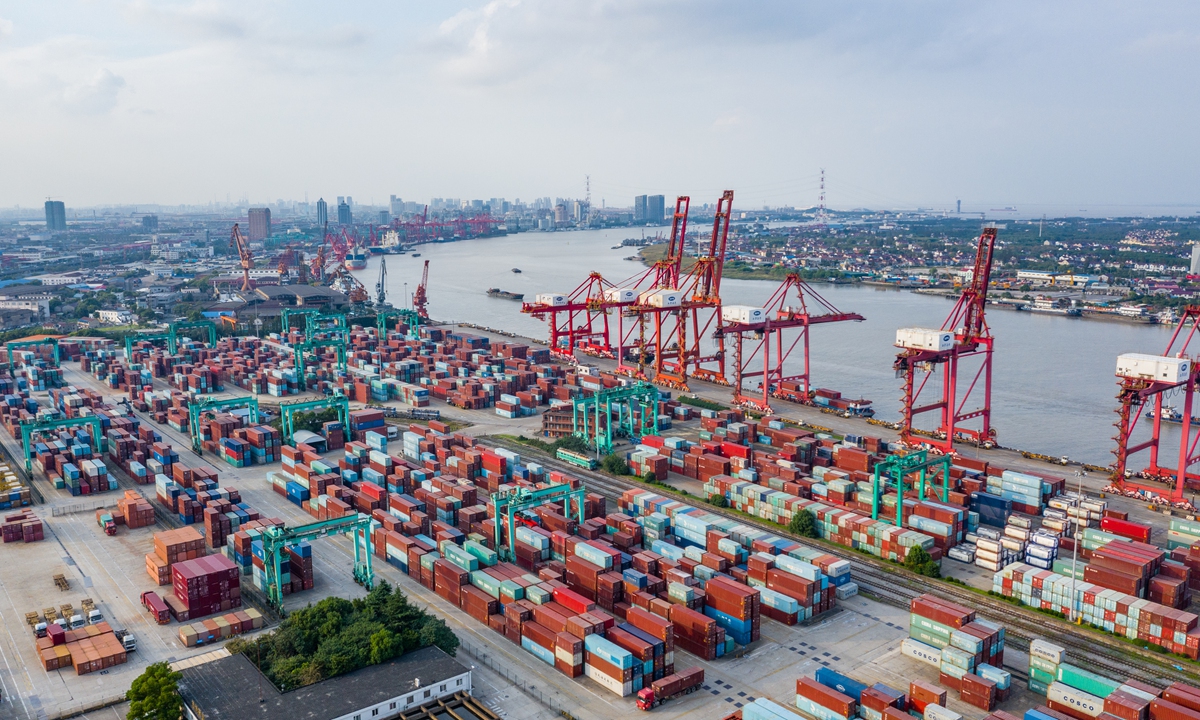
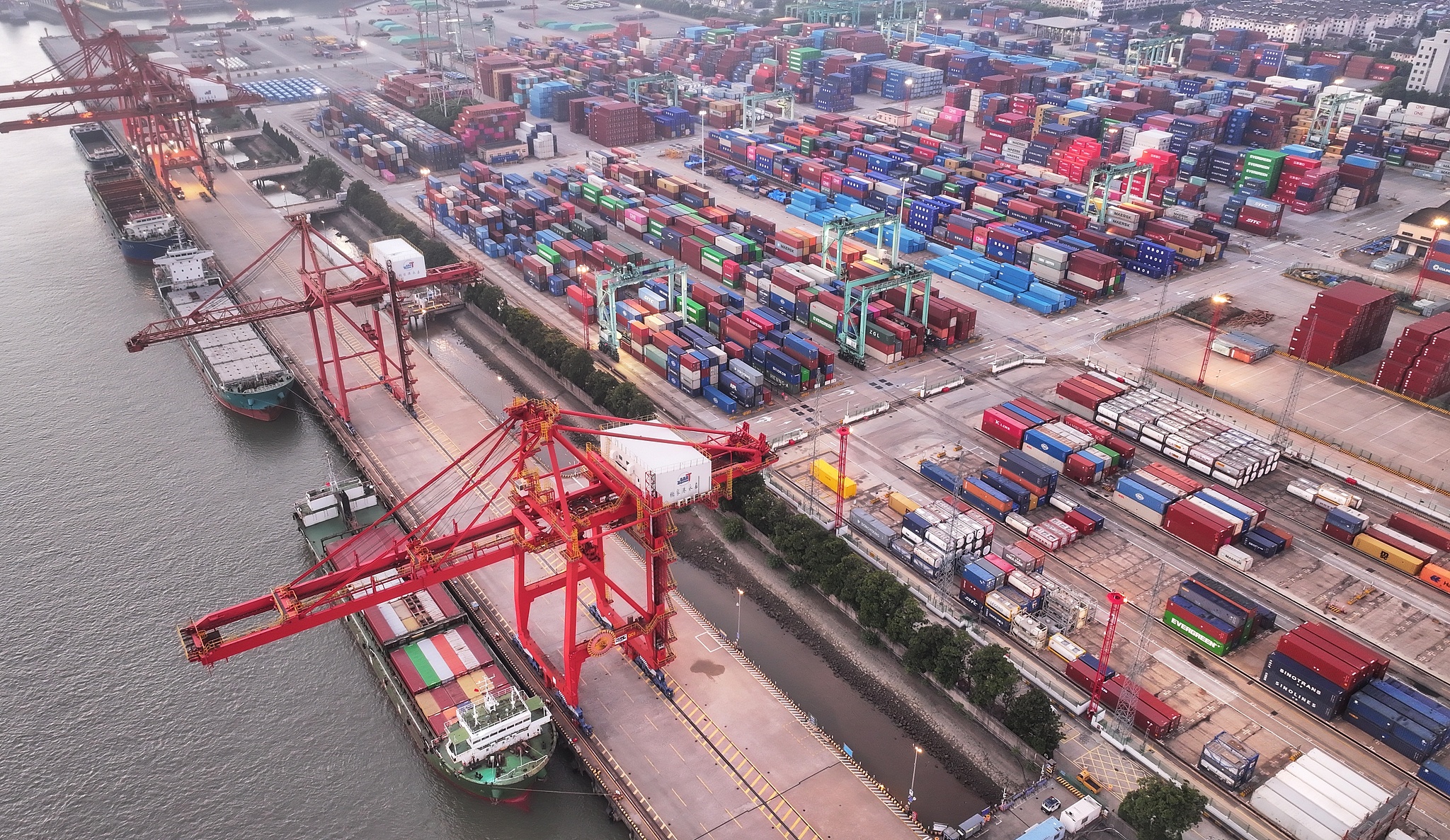
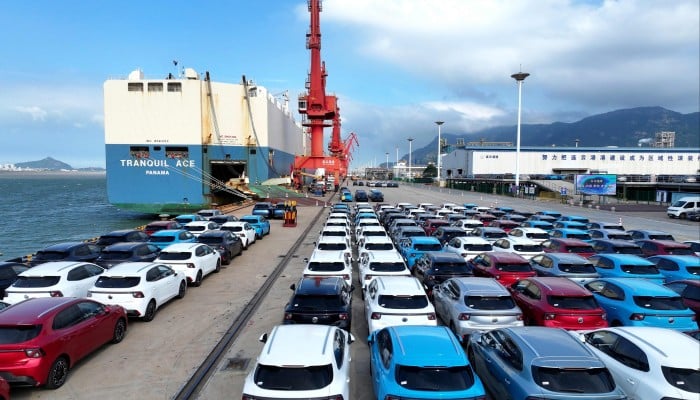
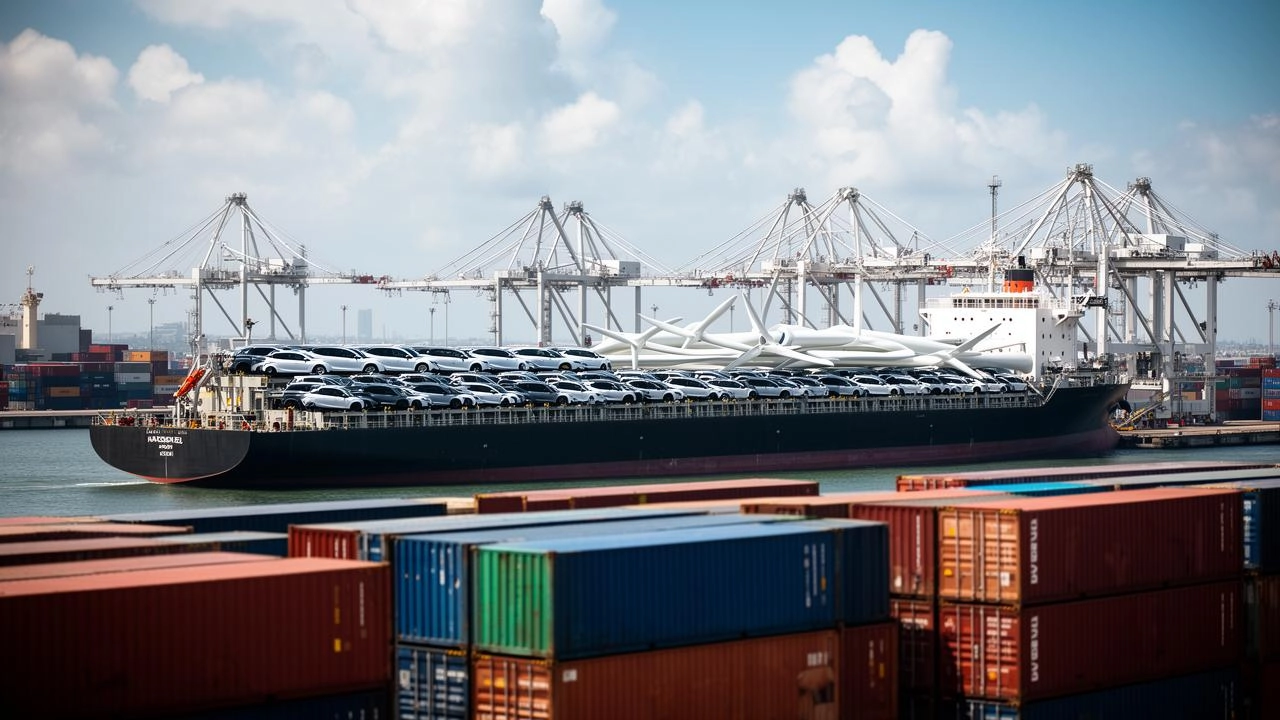
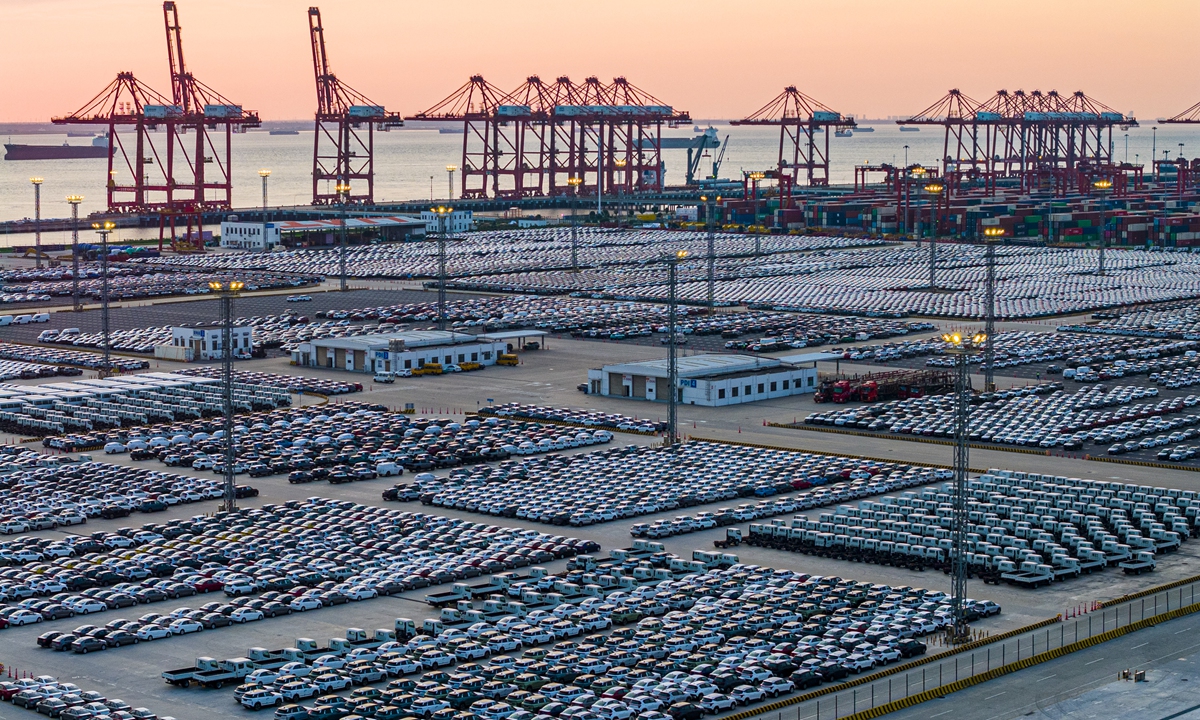
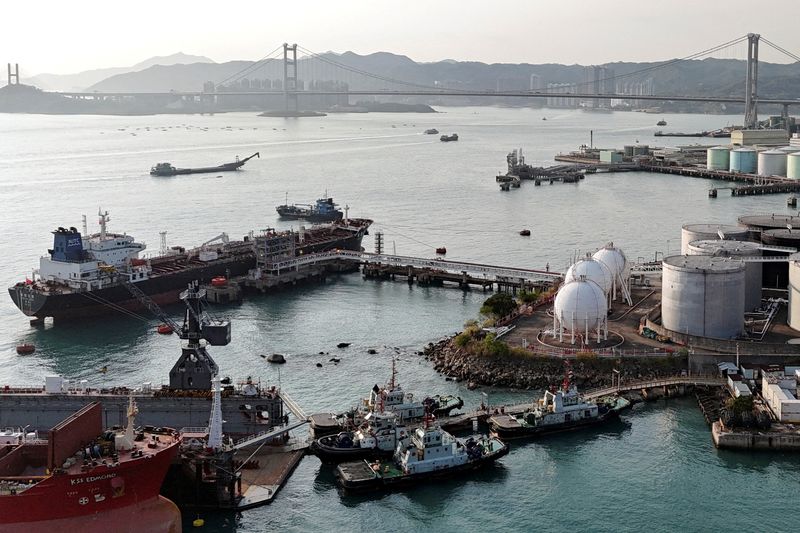
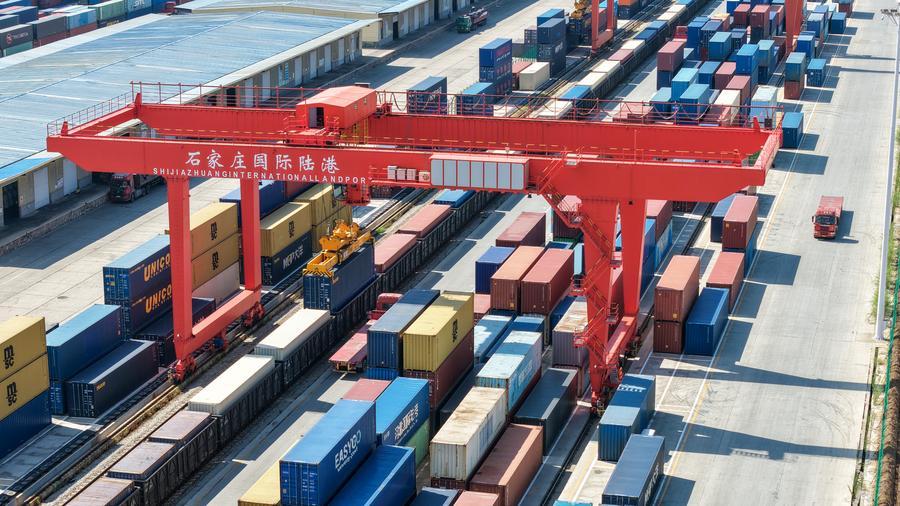
China's export sector surged 23.9% year-over-year in July 2026, significantly outpacing analyst forecasts of 22.2% growth, driven by explosive demand for AI-related high-tech components and semiconductors where integrated circuit exports nearly doubled and chip shipments alone jumped 117%. This export boom creates a critical tariff arbitrage window for cross-border e-commerce sellers: the US applied a 12.5% tariff on Chinese products in late July 2026 (replacing a temporary 10% rate), while EU exports expanded 16% year-over-year despite EU imports contracting 1%, signaling divergent market dynamics. Chinese exporters accelerated shipments to the US ahead of tariff implementations, with US-bound shipments growing 17% year-over-year in July (up from 14% in June), indicating sellers had a narrow pre-tariff window to frontload inventory.
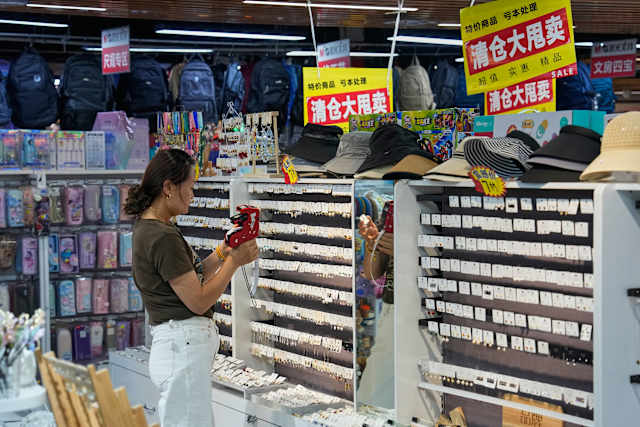
For cross-border sellers, this creates three distinct competitive scenarios: (1) Sourcing arbitrage players benefit from continued manufacturing capacity and competitive pricing—sellers who locked in pre-tariff orders in June-July 2026 can now sell at higher margins through Q3 2026 before tariff costs compress profitability; (2) Direct Chinese exporters entering Amazon, eBay, and Shopify face margin pressure from the 12.5% US tariff but maintain cost advantages over Western retailers, particularly in electronics, textiles, and consumer goods where China dominates; (3) Western retailers face intensified competition from Chinese suppliers while absorbing tariff costs, creating 8-15% margin compression in price-sensitive categories like consumer electronics and home goods. Mechanical and electrical products (electric vehicles, lithium batteries, wind power equipment) accounted for over 60% of China's total shipments in the first seven months of 2026, representing the highest-margin sourcing categories for sellers.
The timing window is critical: Major trade negotiations between China and the US are scheduled for September 2026, with EU negotiations in October 2026, suggesting tariff rates could shift again within 60-90 days. Sellers must decide immediately whether to: (a) frontload inventory before potential tariff increases, (b) shift sourcing to Southeast Asian alternatives (Vietnam, India, Thailand) where labor costs are rising but tariff exposure is lower, or (c) focus on high-margin categories (AI components, semiconductors, renewable energy equipment) where tariff impact is absorbed more easily. China's Q2 GDP growth decelerated to 4.3% (weakest since Q4 2022) with retail sales showing only 1% growth in June, indicating domestic demand weakness that will sustain export-focused manufacturing capacity and competitive supplier pricing through Q4 2026. The $112.5 billion trade surplus (exceeding $1 trillion annually) continues generating friction with trading partners, making further tariff escalation likely—sellers should treat the current 12.5% rate as a floor, not a ceiling.
Questions 8
Should I shift sourcing from China to Vietnam or India to avoid tariffs?
Southeast Asian alternatives (Vietnam, India, Thailand) offer tariff advantages but face rising labor costs and longer lead times. Vietnam and India currently have lower tariff exposure but lack China's integrated supply chain infrastructure, meaning 20-30% longer production timelines and 5-10% higher unit costs for complex products like electronics and mechanical equipment. For high-volume, price-sensitive categories (textiles, basic consumer goods), Southeast Asian sourcing becomes viable if you can absorb 3-4 week longer lead times. However, for AI components, semiconductors, and advanced manufacturing (which jumped 117% in July 2026), China remains the only viable source due to specialized manufacturing capabilities. Recommendation: Maintain 70% China sourcing for high-tech categories, test 30% Vietnam/India sourcing for commodity items, and reassess after September 2026 trade negotiations.
How does the 12.5% US tariff on Chinese products affect my sourcing costs and margins?
The US tariff increase from 10% to 12.5% in late July 2026 directly increases your landed cost by 2.5 percentage points on all Chinese-sourced products. For a $100 product with 40% gross margin, this adds $2.50 to your cost base, compressing margin to approximately 37.5% before accounting for other cost increases. Sellers who frontloaded inventory before the tariff increase (June-July 2026) can maintain higher margins through Q3 2026, but new orders placed after late July face immediate cost pressure. Electronics, textiles, and consumer goods categories—which represent 60%+ of China's exports—face the highest tariff exposure. Monitor upcoming China-US trade negotiations in September 2026, as tariff rates could increase further, potentially reaching 15-20% by Q4 2026.