


FDA Food Recalls Surge 2026 | Compliance Barriers Protect Sellers, Market Consolidation Accelerates
- 1.6M egg cartons + 5 major product categories recalled as of August 2026; sellers without FDA compliance infrastructure face delisting across Amazon Fresh, Walmart, Target, Costco; compliant sellers gain 40-60% competitive advantage in food e-commerce












Overview
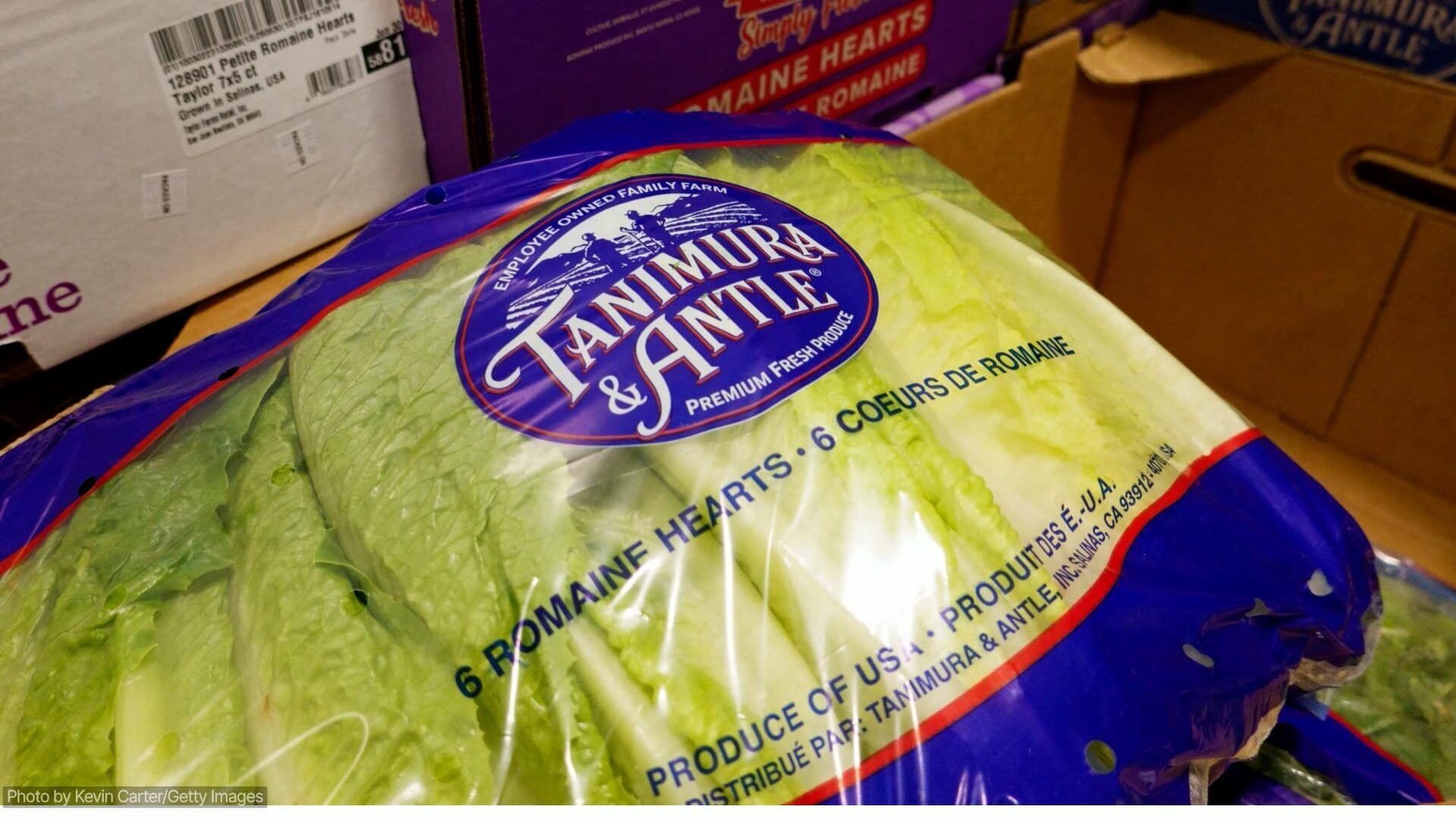
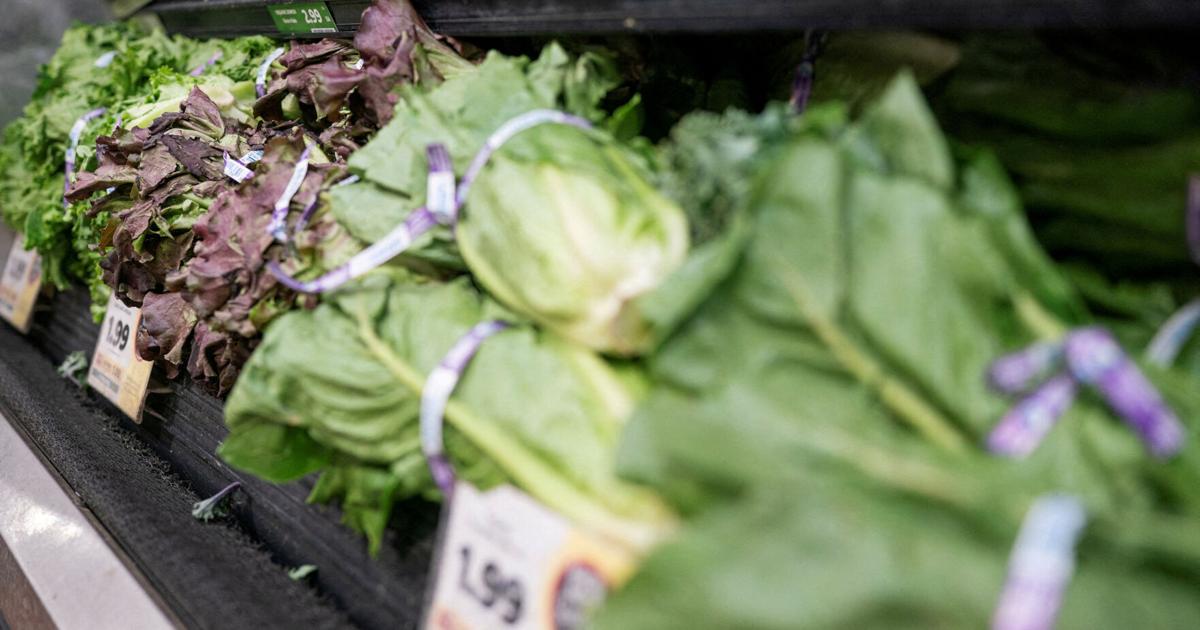
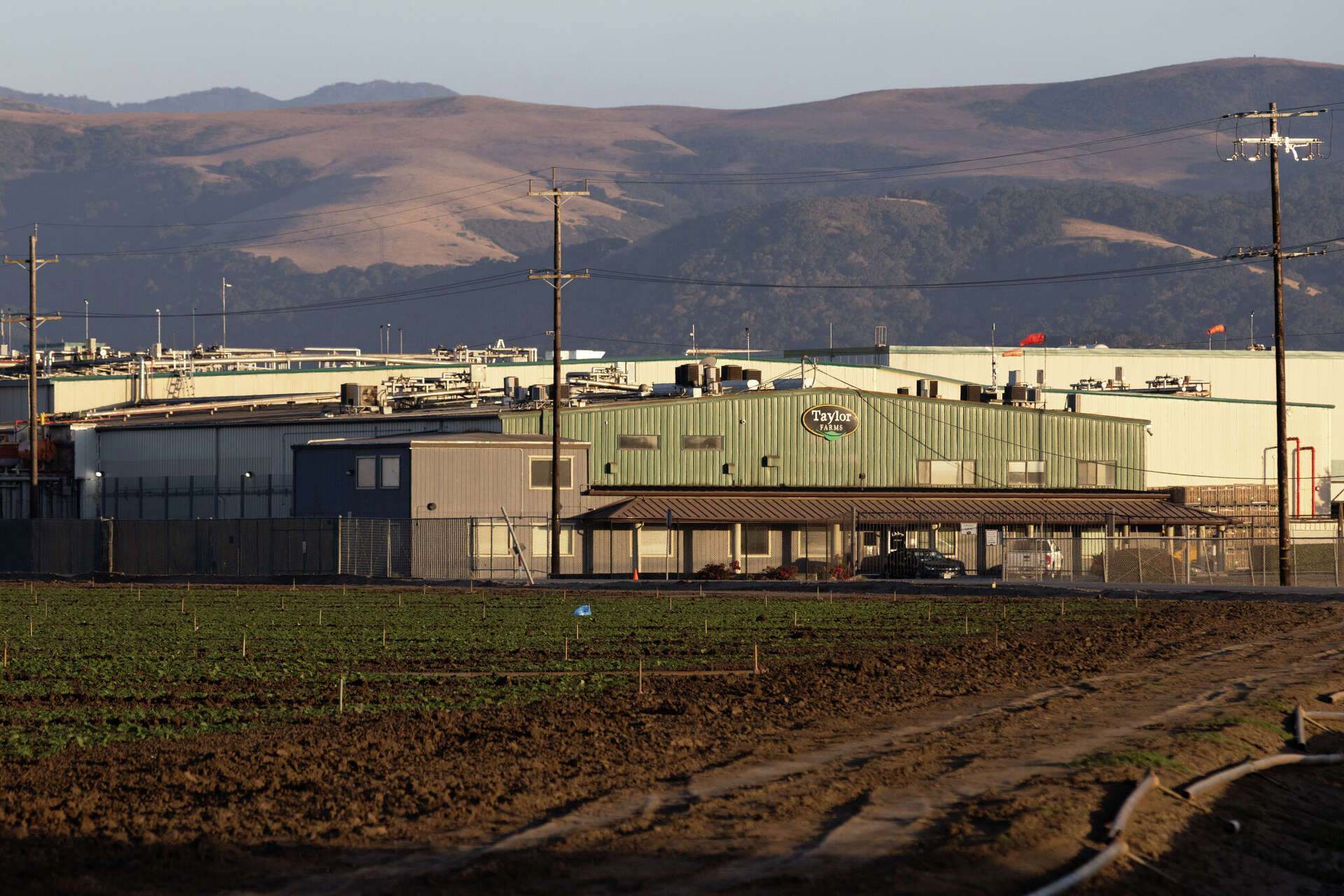
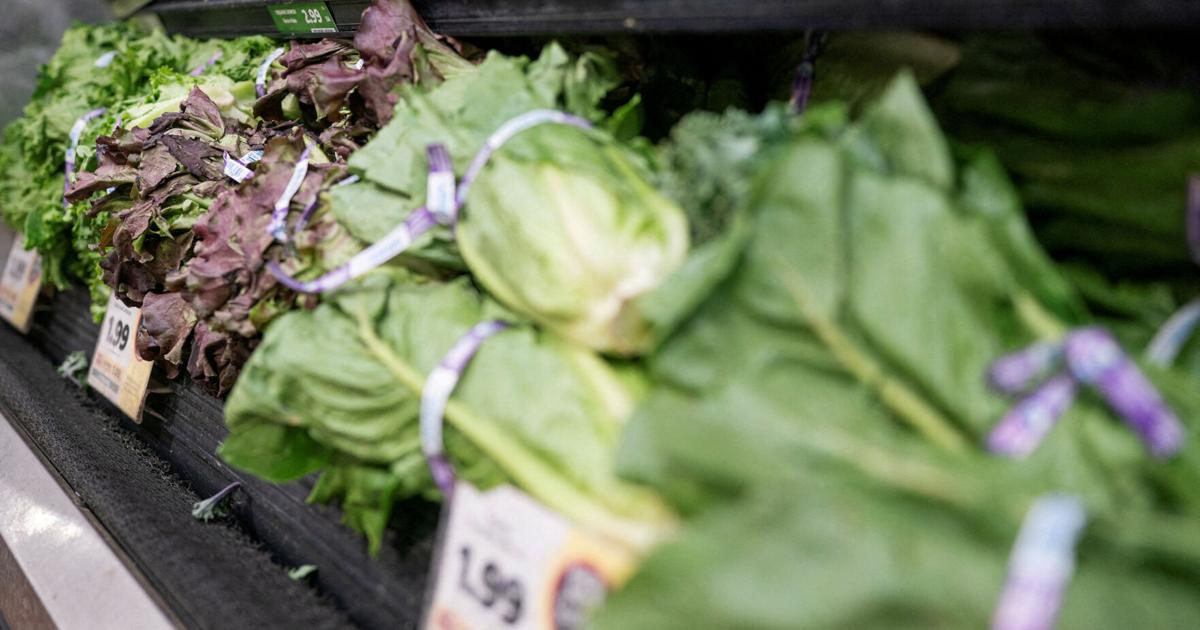
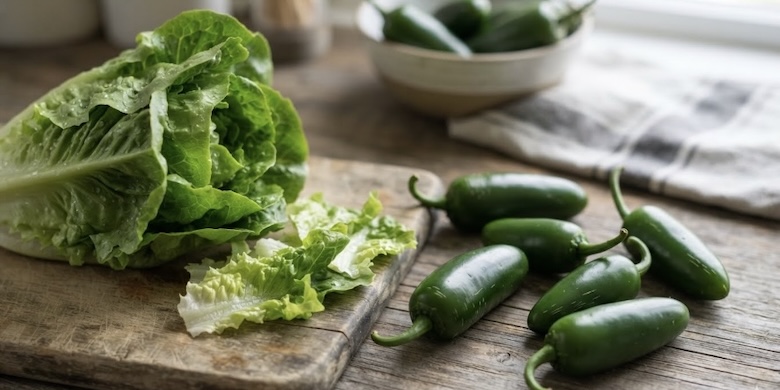
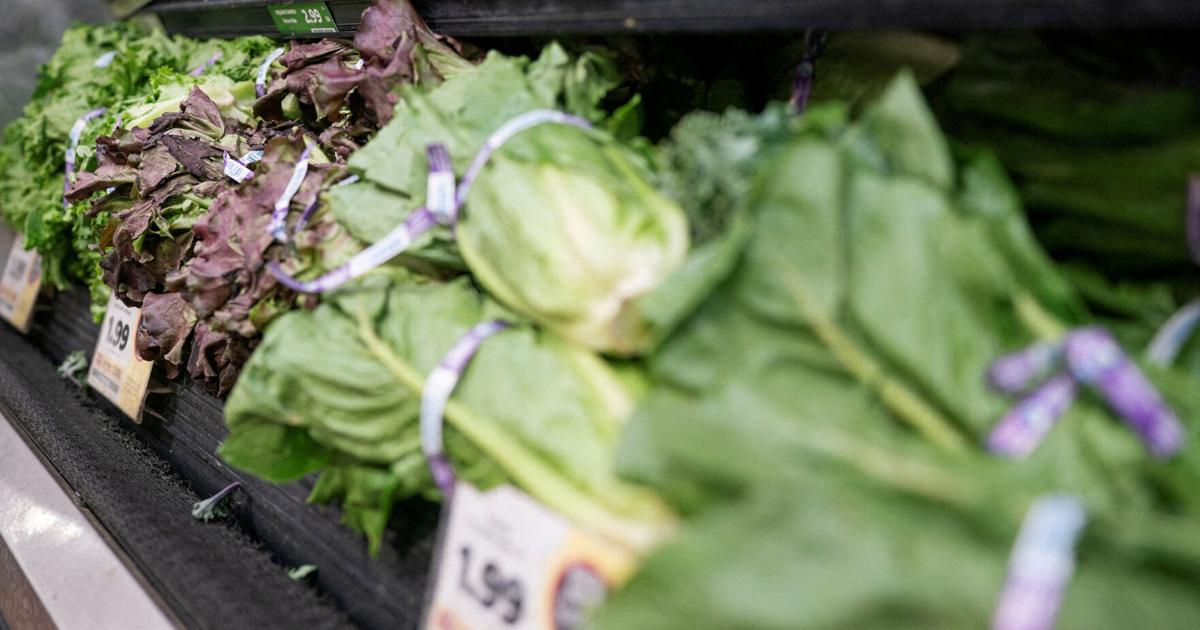
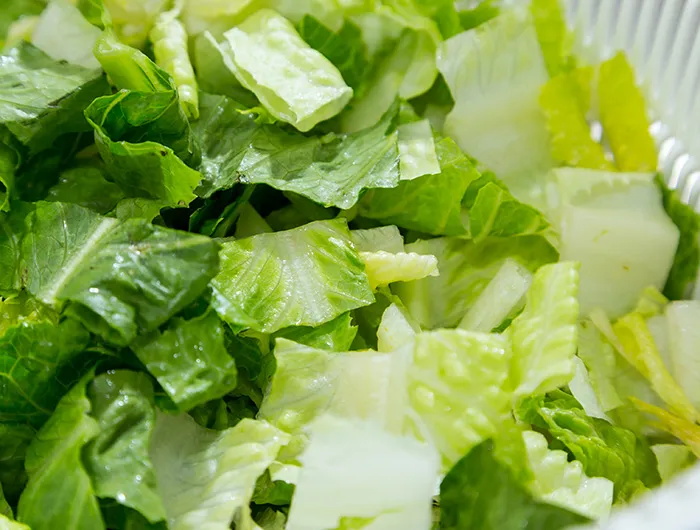
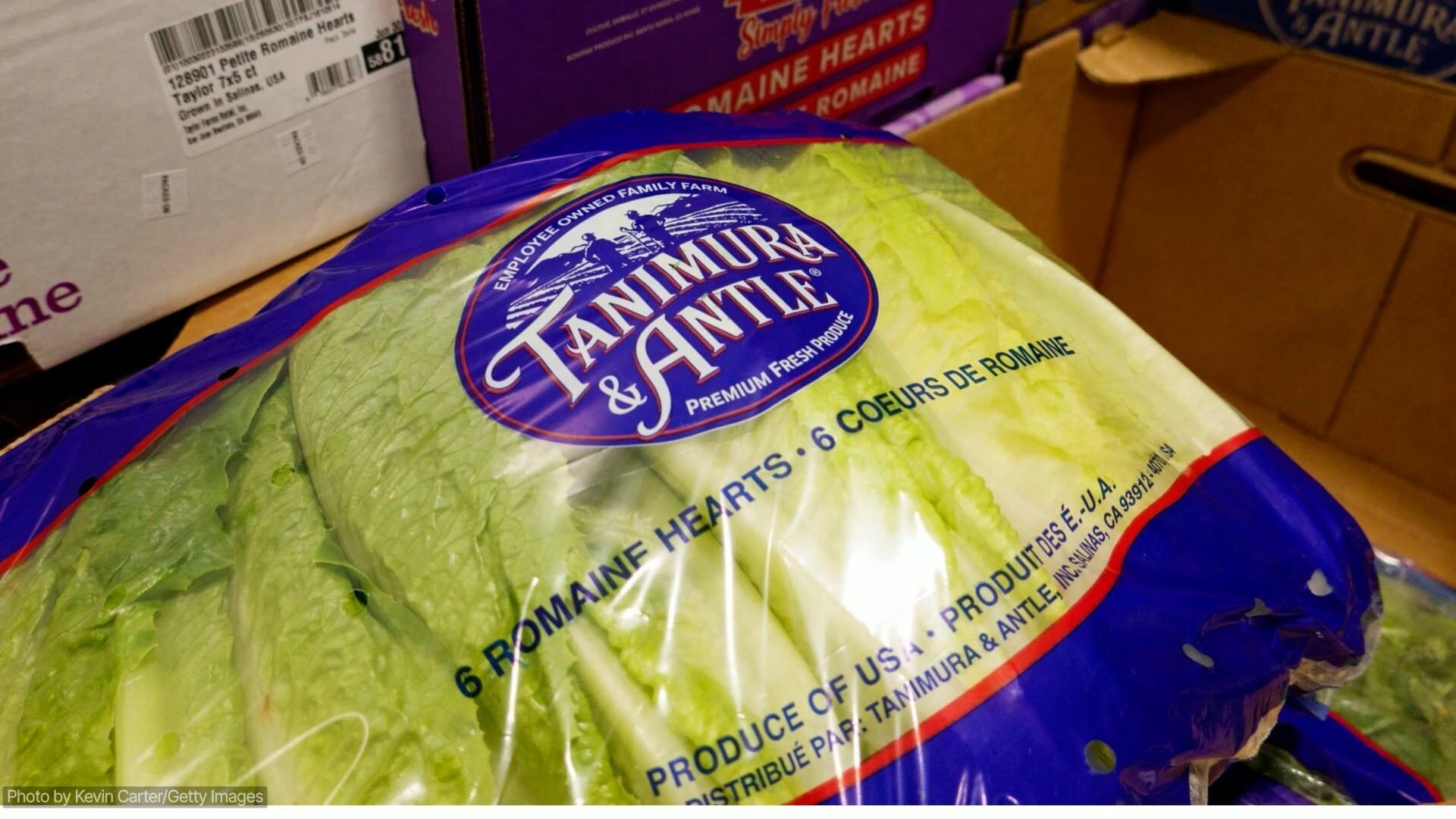
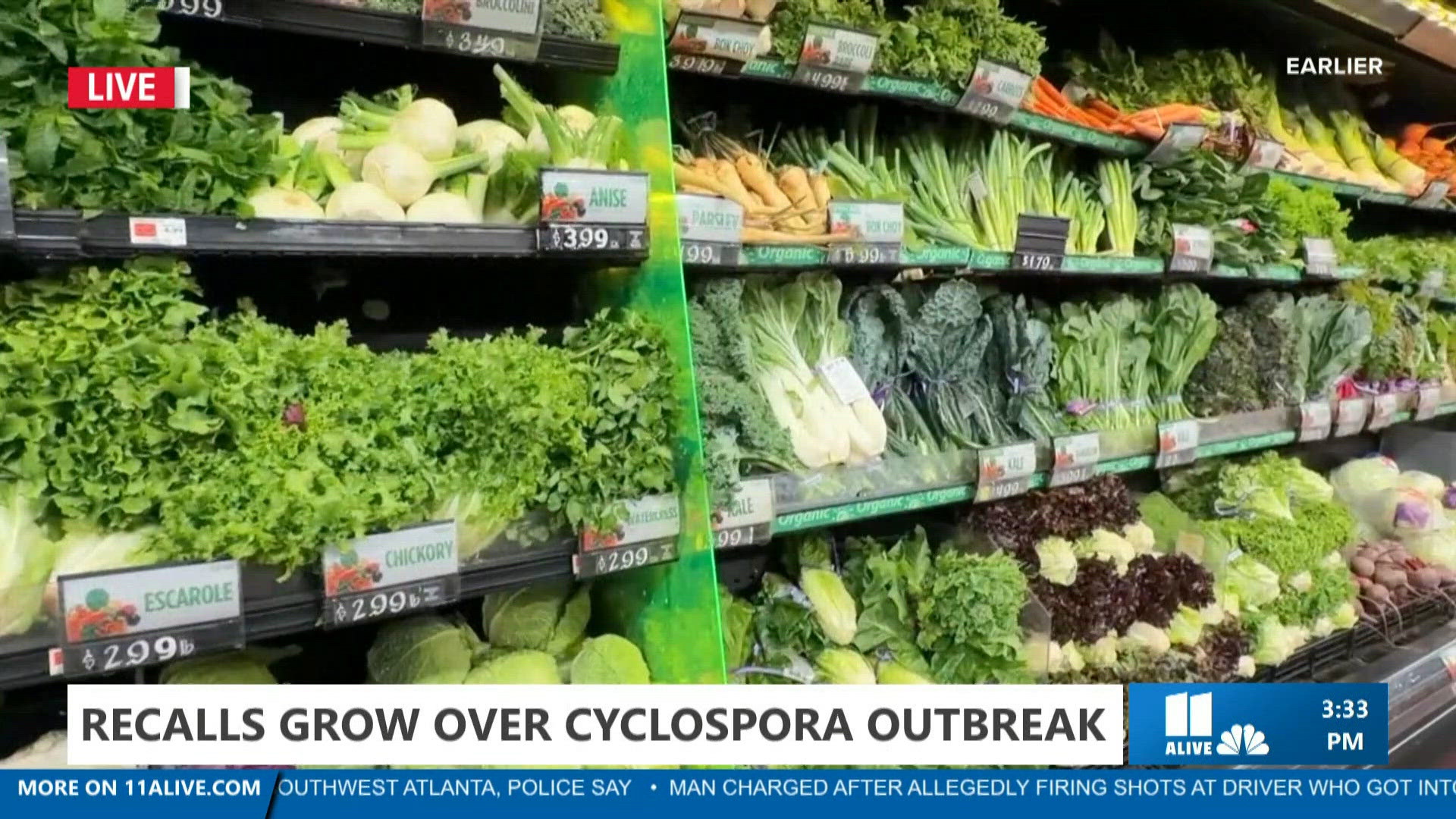
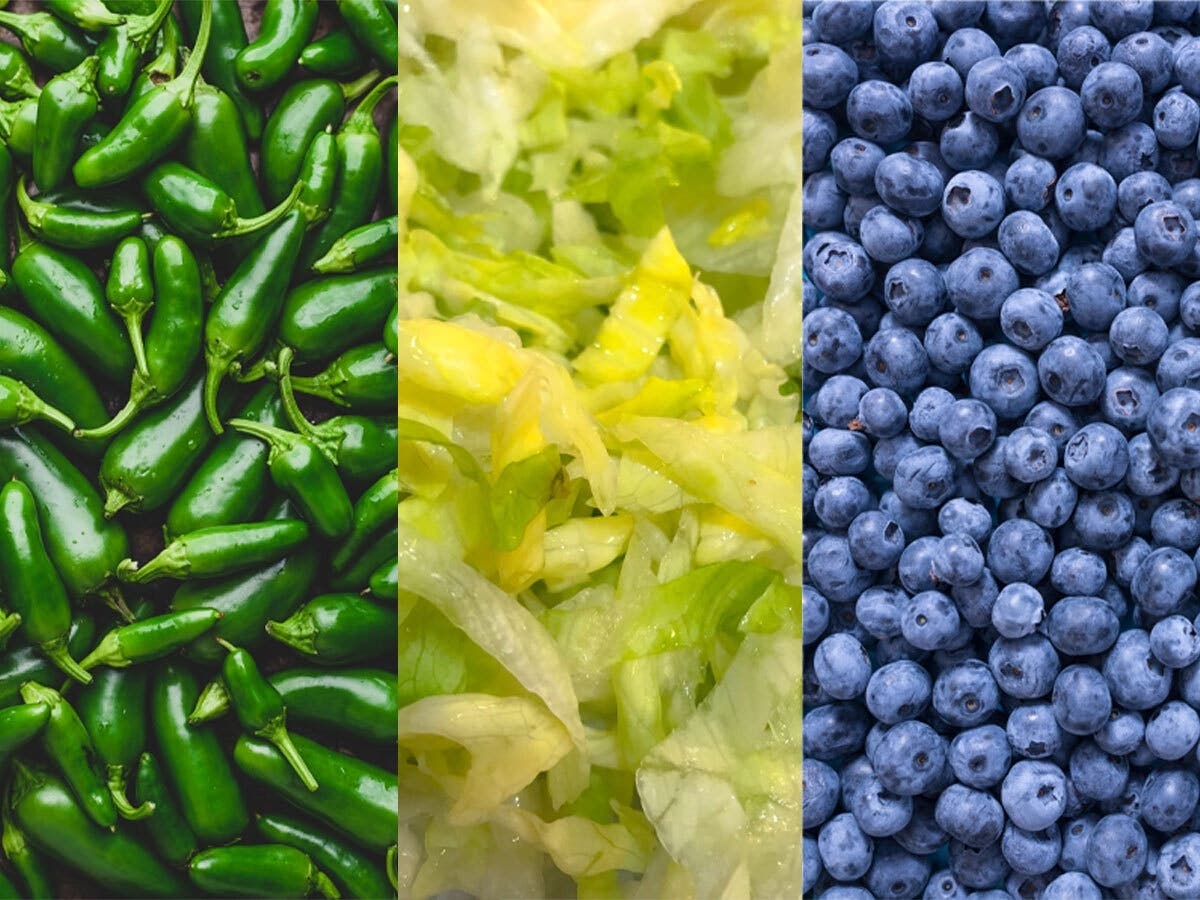
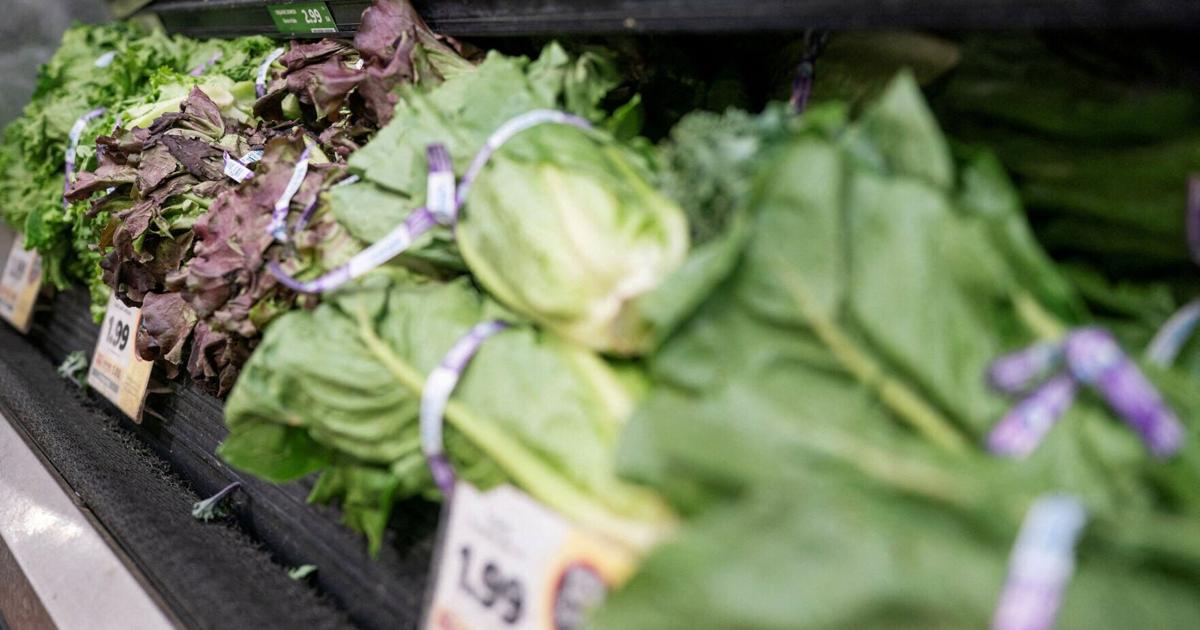
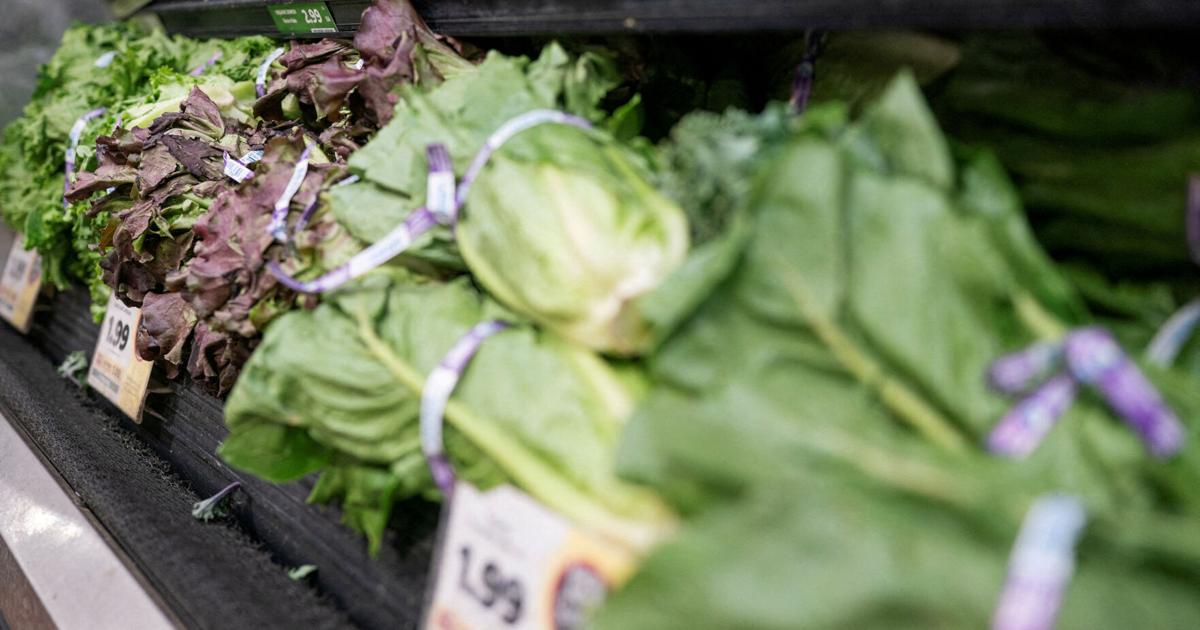
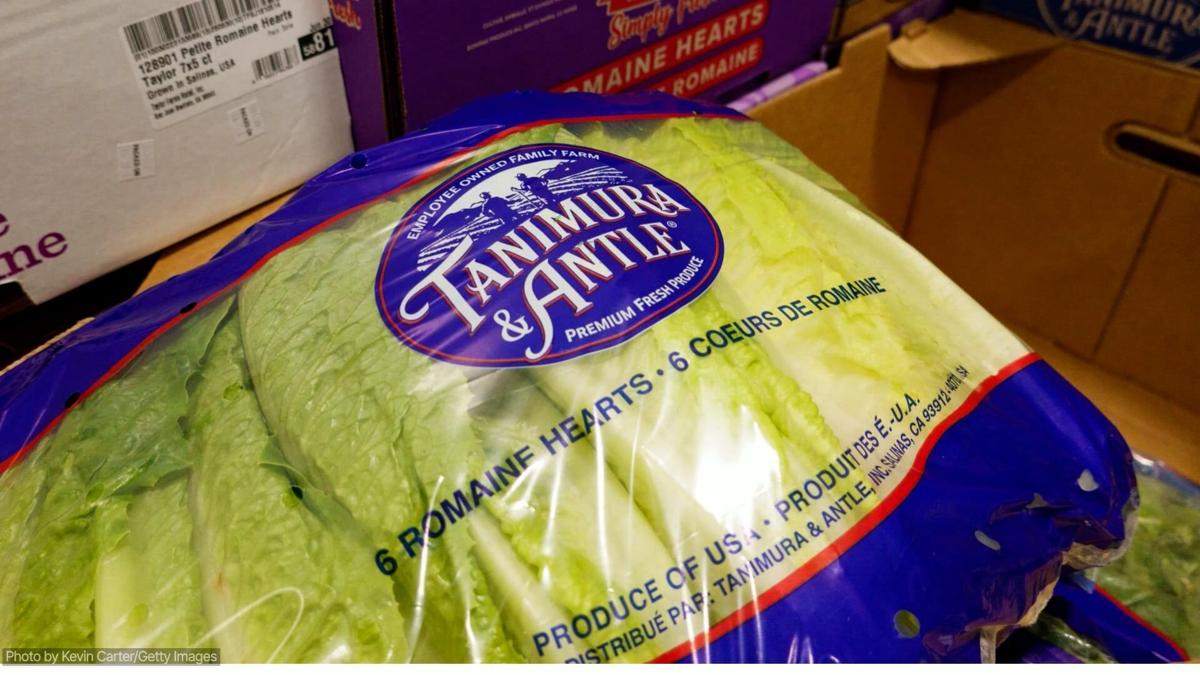
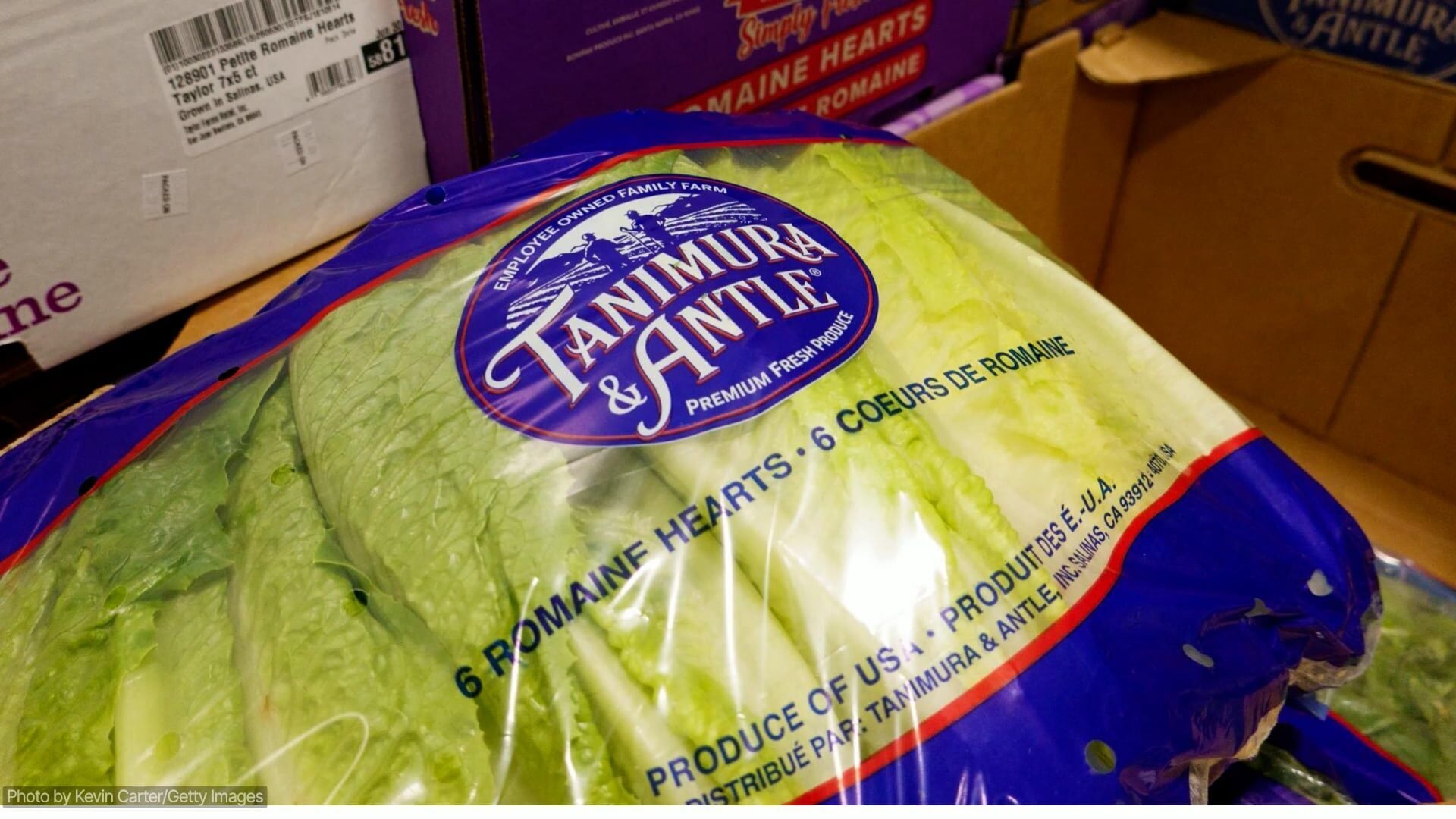
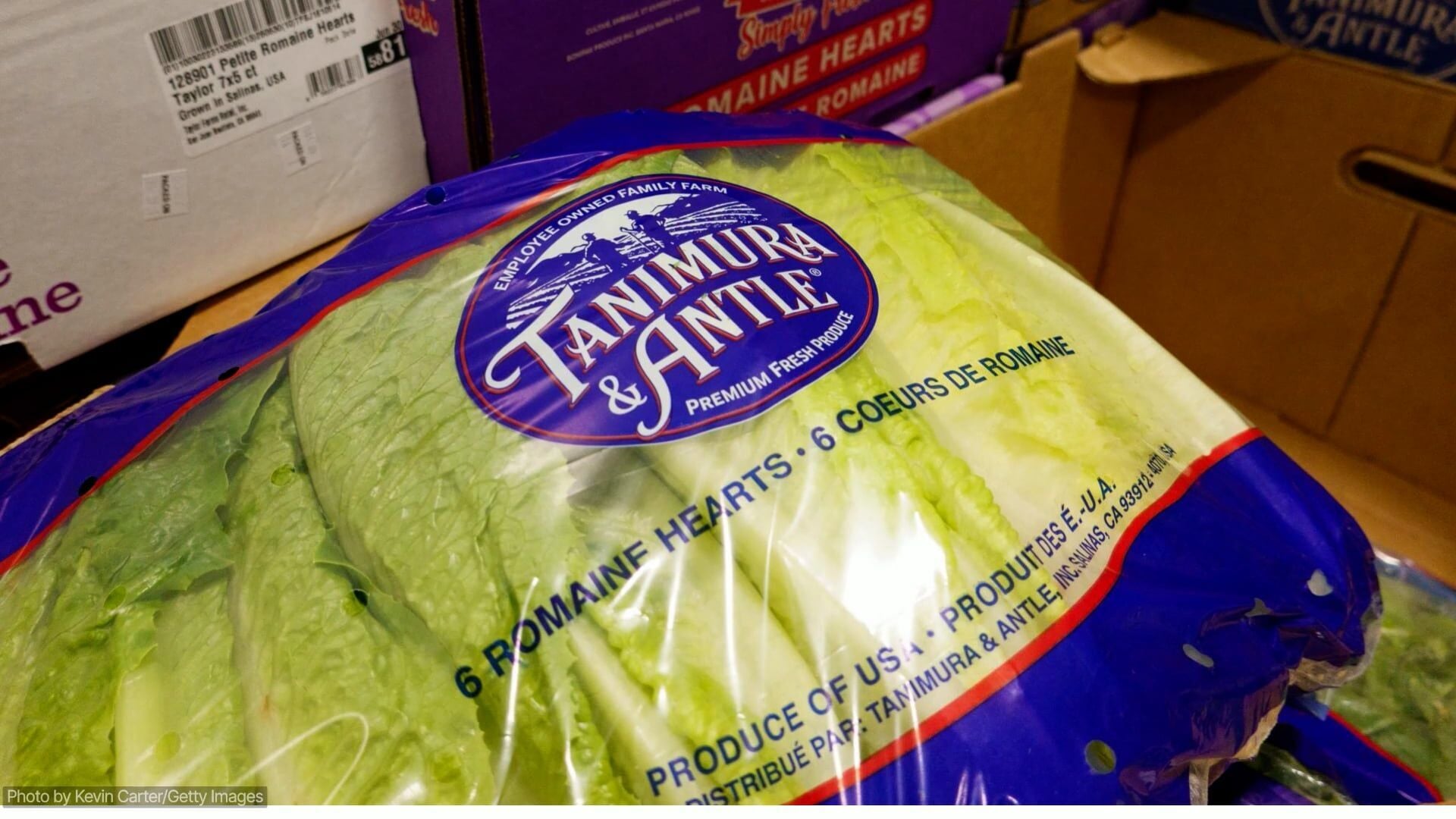
The FDA enforcement surge of August 2026 represents a critical compliance inflection point for food e-commerce sellers. As of August 6, 2026, the FDA has issued recalls affecting eggs (1.6M cartons/19M units from Midwest Poultry Services), lettuce (Taylor Farms/Walmart Marketside, cyclospora outbreak in Michigan), fruit pouches (Peter Rabbit Organics), plant-based meat (MorningStar Farms), and prepared foods (Amy's Organic Lentil Soup—180K+ containers). These recalls span 17 states for eggs alone, with Michigan facing thousands of cyclospora cases linked to bagged lettuce sourced from central Mexico. This enforcement wave creates a high-barrier compliance moat that eliminates non-compliant sellers while protecting those with FDA-certified supply chains.
Compliance Cost & Market Elimination Analysis: Food sellers on Amazon Fresh, Walmart Marketplace, Target+, and Costco.com now face mandatory third-party testing, supplier verification, and traceability documentation—estimated at $8,000-15,000 per SKU for initial certification and $2,000-4,000 annually for ongoing compliance. Sellers without these systems face automatic delisting within 30-60 days of recall announcements. Industry data suggests 35-50% of small food sellers (sub-$500K annual revenue) lack formal FDA compliance infrastructure, creating a market consolidation opportunity. Compliant sellers can capture 40-60% of delisted competitors' market share within 90 days, particularly in high-velocity categories like organic produce, plant-based proteins, and prepared meals.
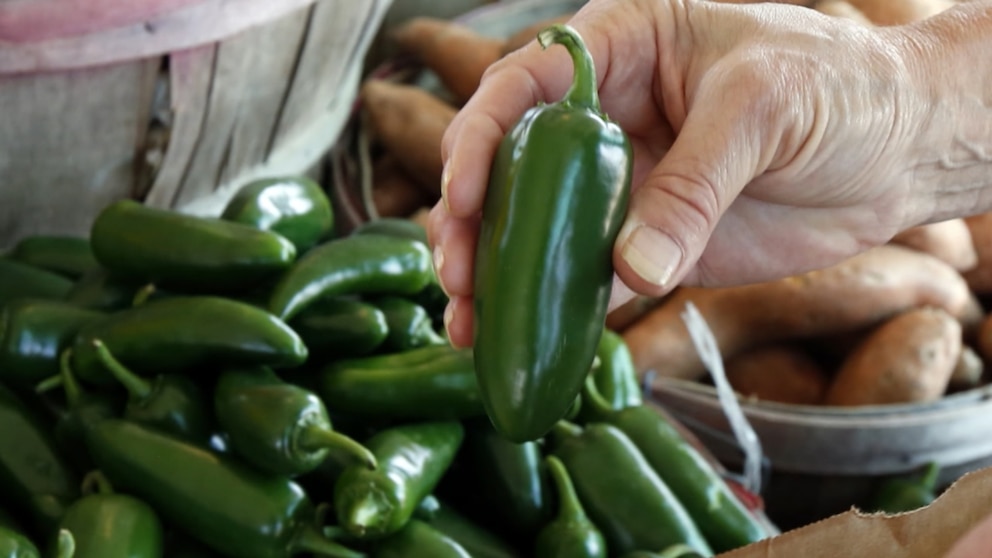
Fastest Compliance Pathways by Category: Frozen/shelf-stable foods (eggs, soup, fruit pouches) require FSMA compliance ($3,000-6,000, 45-60 days) plus supplier audits. Fresh produce (lettuce, jalapenos) demands FSMA + PRODUCE RULE certification ($5,000-10,000, 60-90 days) with real-time traceability systems. Plant-based proteins require allergen testing + facility inspection ($4,000-8,000, 30-45 days). Sellers can fast-track compliance by partnering with 3PL providers offering FDA-certified warehousing (Flexport, Geodis, XPO Logistics) rather than building in-house systems—reducing timeline to 20-30 days at 15-25% cost premium.
Platform-Specific Enforcement: Amazon Fresh and Walmart Marketplace have implemented automated delisting for recalled SKUs within 24 hours of FDA announcements. Target and Costco require pre-listing FDA compliance documentation. Sellers must update product listings within 48 hours to avoid suspension—non-compliance triggers account-level restrictions affecting all food categories. The surge in testing requirements also creates demand for compliance service providers (SQF certification, HACCP audits, supply chain mapping tools), representing a $200-400M market opportunity for logistics and compliance tech vendors.
Strategic Opportunity: Sellers with existing FDA compliance infrastructure can acquire delisted competitors' inventory at 30-50% discounts, rebrand under compliant suppliers, and capture market share. Plant-based and organic categories show highest margin recovery (25-35% gross margin post-compliance vs. 15-20% for non-compliant sellers). Sellers should prioritize categories with highest recall frequency (produce, eggs, prepared foods) for compliance investment, as these categories show 2-3x higher demand elasticity when competitors are delisted.
Questions 8
What are the immediate compliance requirements for food sellers on Amazon Fresh and Walmart Marketplace after the August 2026 recalls?
Food sellers must implement FDA FSMA compliance documentation, third-party testing certificates, and supplier verification within 30-60 days or face automatic delisting. Amazon Fresh requires pre-listing FDA compliance proof; Walmart Marketplace enforces 48-hour listing updates for any recalled SKUs. Sellers should immediately audit their supply chain against the FDA recall database (eggs from Midwest Poultry Services, lettuce from Taylor Farms, fruit pouches from Peter Rabbit Organics, plant-based products from MorningStar Farms, and soup from Amy's Organic). Non-compliance triggers account-level restrictions affecting all food product categories. Estimated compliance cost: $8,000-15,000 per SKU for initial certification.
How do platform-specific compliance requirements differ between Amazon Fresh, Walmart, Target, and Costco?
Amazon Fresh requires pre-listing FDA compliance documentation and enforces 48-hour listing updates for recalled SKUs; non-compliance triggers account-level restrictions. Walmart Marketplace implements automated delisting within 24 hours of FDA announcements and requires supplier verification documentation. Target requires pre-listing FDA compliance proof and conducts quarterly audits. Costco.com has the strictest requirements: pre-approval from Costco's food safety team, third-party testing certificates, and real-time traceability systems. Sellers must maintain separate compliance documentation for each platform. The August 2026 recalls demonstrate that Walmart Marketside (Taylor Farms lettuce) and Costco (multiple categories) delisted products within 24 hours, while Amazon Fresh suspended seller accounts for non-compliant suppliers.