




US Fossil Fuel Pivot Reshapes Energy Supply Chain | Seller Opportunities in Industrial & Equipment Categories
- $17B energy infrastructure reallocation drives demand for LNG equipment, industrial components, and logistics solutions across Gulf Coast and California regions through 2030

Overview
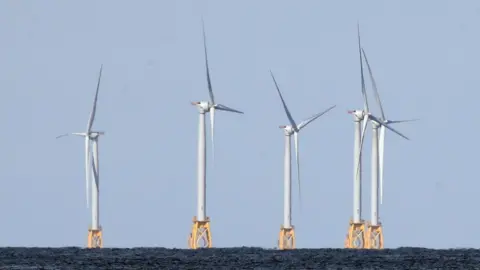
The US Department of Interior's $1.2 billion agreement with RWE to halt offshore wind projects represents a fundamental policy shift toward fossil fuel infrastructure expansion, creating significant supply chain and product category opportunities for cross-border sellers. This decision, combined with similar $129 billion Duke Energy and TotalEnergies agreements, signals a $17 billion reallocation of energy sector investment from renewables to LNG export terminals and conventional energy infrastructure over the next six years. For e-commerce sellers, this policy pivot creates three distinct opportunity vectors: (1) Industrial Equipment & Components: LNG terminal construction and operation require specialized equipment, piping systems, valves, instrumentation, and safety components—categories where international suppliers can compete on cost and technical specifications. (2) Logistics & Supply Chain Services: The shift concentrates investment in Louisiana and Gulf of Mexico regions, creating demand for specialized shipping containers, industrial packaging, and logistics solutions for heavy equipment transport. (3) Energy Sector Merchandise & Accessories: Increased fossil fuel infrastructure development drives demand for branded workwear, safety equipment, industrial tools, and specialized apparel in the energy sector—categories with 15-25% annual growth during infrastructure buildout phases.
Market Access Implications: The policy explicitly rejects renewable energy subsidies in favor of "common sense" fossil fuel projects, indicating regulatory barriers to wind-related products will persist while conventional energy equipment faces accelerated permitting. This creates a 3-6 month window for sellers to establish supply relationships with LNG terminal contractors and energy infrastructure firms before major procurement cycles begin. Sellers sourcing from Asia (Vietnam, India, Taiwan) can leverage cost advantages in industrial components and equipment—categories where tariff rates remain favorable compared to Chinese manufacturing. The Louisiana and Texas focus areas represent concentrated demand centers where logistics costs to serve energy contractors are lower than national averages.
Competitive Dynamics: Large industrial suppliers and established energy sector distributors will dominate major equipment contracts, but mid-market sellers can capture opportunities in: (1) specialized components and replacement parts (valves, fittings, instrumentation), (2) safety and compliance equipment (PPE, monitoring systems), and (3) logistics solutions for equipment transport. Small sellers should focus on niche categories like industrial fasteners, specialized tools, and safety accessories where Amazon Business and specialized B2B platforms (Alibaba, Global Sources) provide direct access to energy contractors. The 6-year investment timeline creates sustained demand rather than a temporary spike, making this a strategic category shift rather than a seasonal opportunity.
Regulatory & Compliance Context: Unlike renewable energy projects facing permitting delays, fossil fuel infrastructure benefits from streamlined regulatory approval under the current administration. This reduces project timeline uncertainty and increases procurement predictability—a key advantage for sellers planning inventory and supply chain investments. However, sellers should monitor potential future policy reversals and diversify sourcing to avoid over-concentration in fossil fuel-dependent categories.
Questions 7
How does this policy affect tariff rates and sourcing strategy for industrial equipment?
Industrial components and equipment typically face 2-8% tariff rates under HS codes 7307-7326 (pipes, fittings, valves), making Asian sourcing from Vietnam, India, and Taiwan cost-competitive against domestic suppliers. The policy's emphasis on 'common sense' fossil fuel projects suggests streamlined permitting and reduced regulatory uncertainty, which increases procurement predictability. Sellers should source from established industrial suppliers in Asia and establish direct relationships with energy contractors through B2B platforms to capture margin opportunities before large distributors dominate the market.
What is the geographic focus for sellers targeting this opportunity?
Louisiana and Texas represent the primary demand centers, with RWE investing $900 million in Louisiana LNG terminals and TotalEnergies focusing on Gulf of Mexico and Texas infrastructure. Sellers should prioritize logistics solutions and supplier relationships serving these regions, where energy contractors concentrate procurement. The concentrated geographic focus reduces logistics costs compared to national distribution and creates opportunities for regional 3PL partnerships to serve energy sector clients efficiently.