

Clean-Label Cereal Mandate | Sellers Face Reformulation Compliance & Packaging Overhaul
- WK Kellogg Co. accelerates artificial color removal to end-2026; signals industry-wide compliance pressure affecting food suppliers, resellers, and Amazon/Walmart grocery categories









Overview
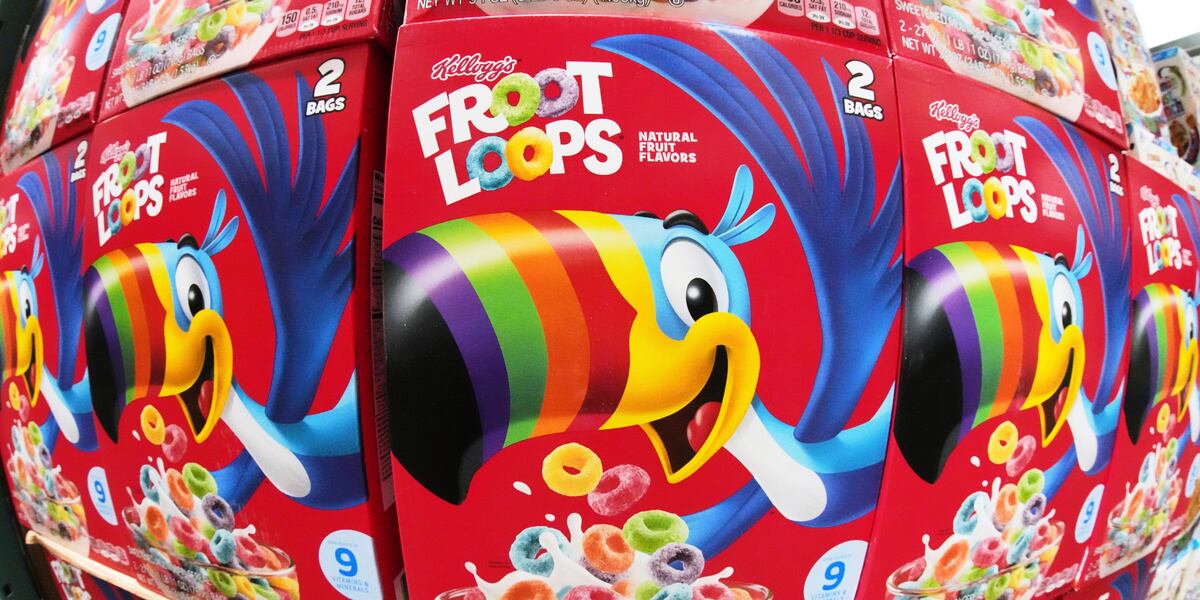
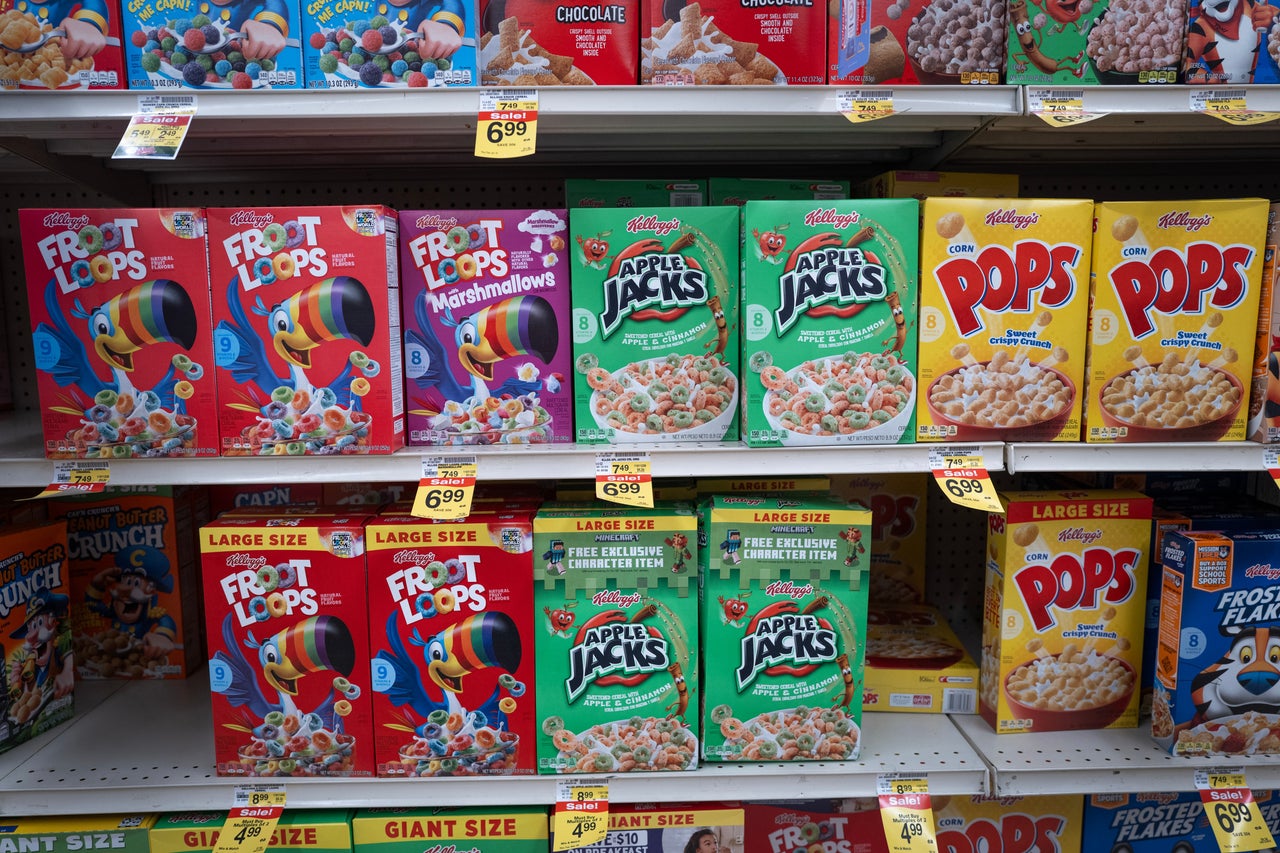
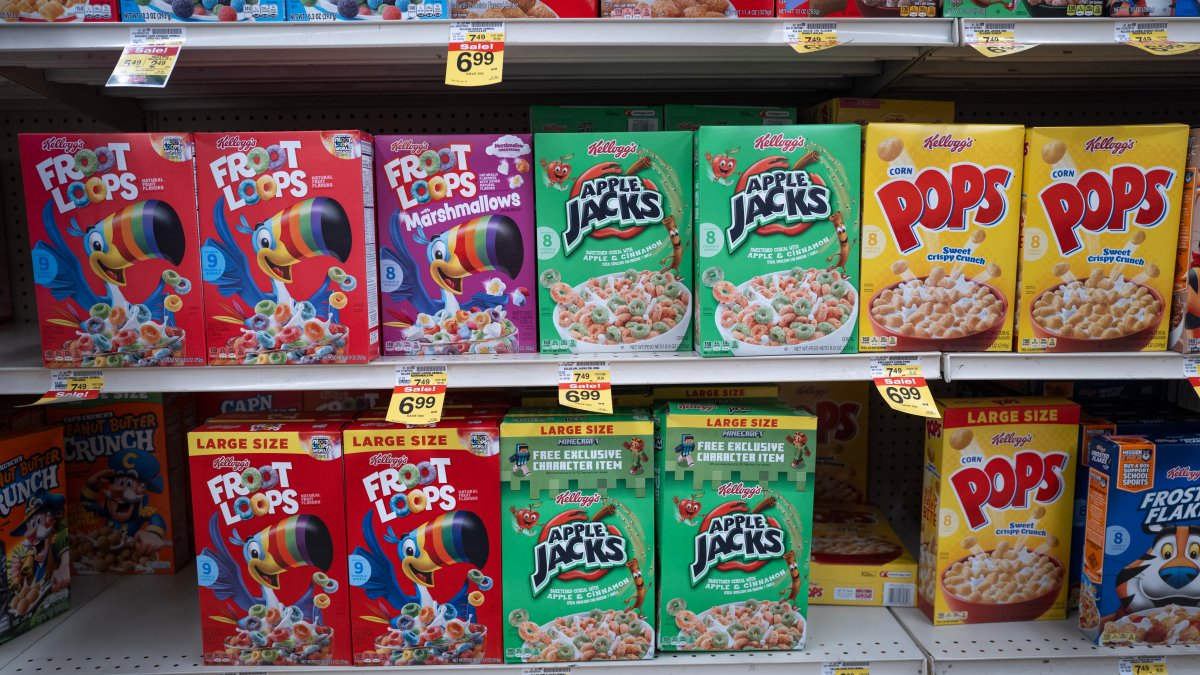
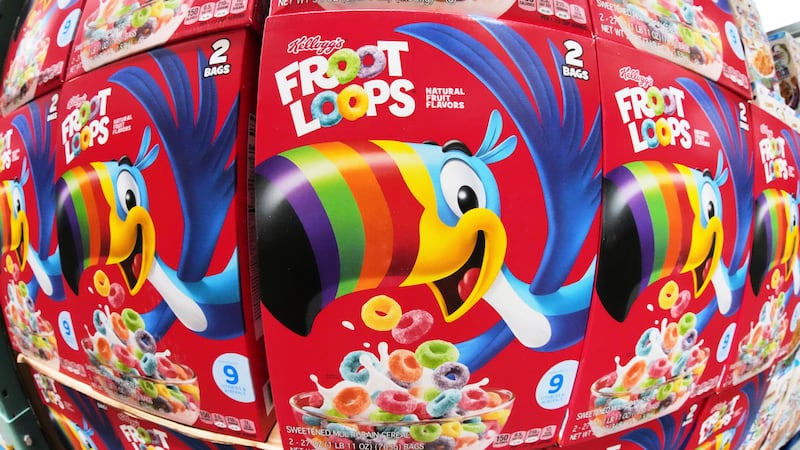
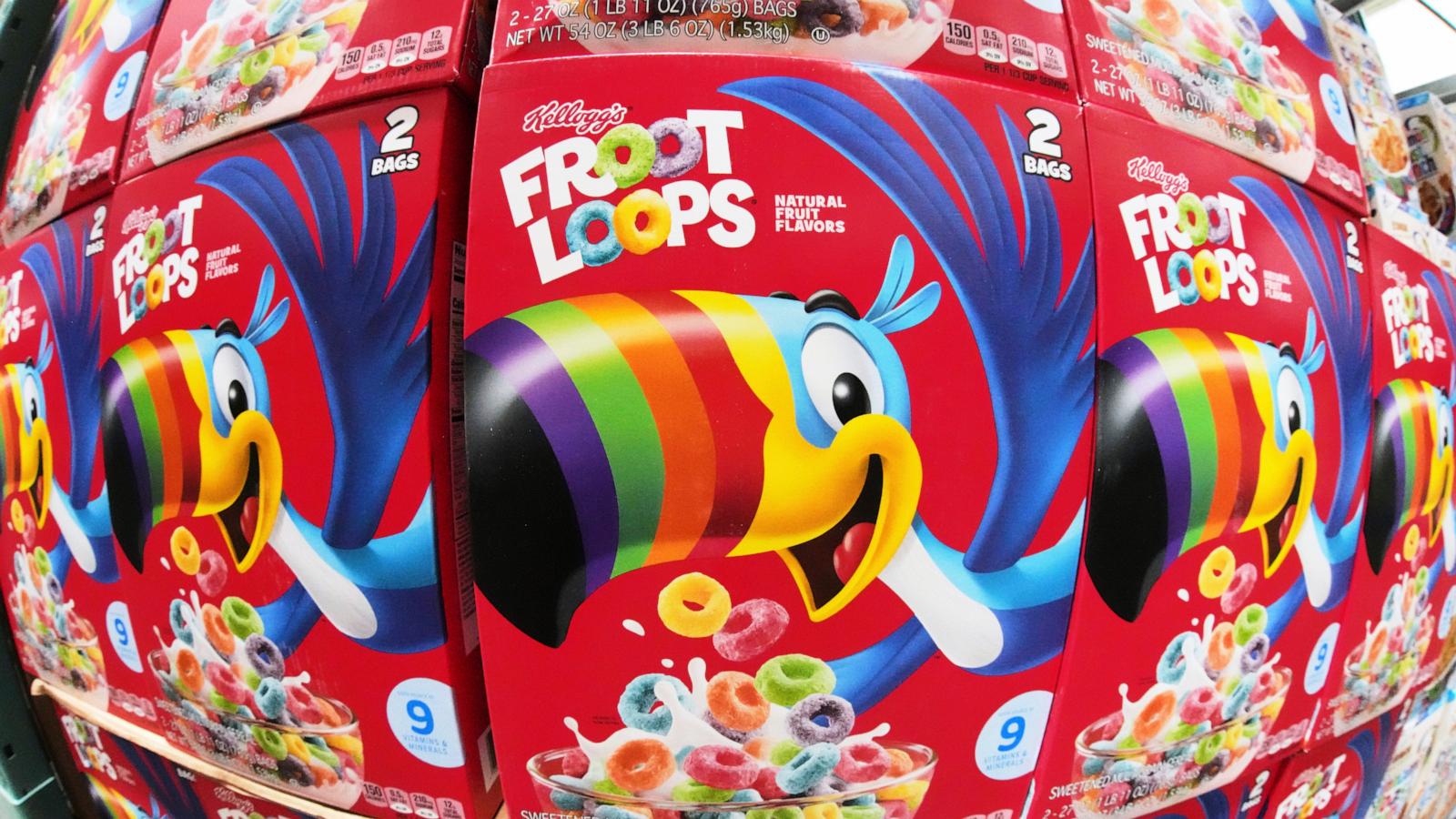
WK Kellogg Co.'s August 2026 announcement to eliminate artificial colors from all cereal products by year-end represents a critical compliance inflection point for food e-commerce sellers. The company accelerated its original timeline by one year, replacing synthetic dyes with natural colorants from fruit/vegetable juices and plant-based sources across iconic brands (Froot Loops, Apple Jacks). This shift signals that artificial color removal is transitioning from optional differentiation to competitive necessity—a regulatory-driven market winnowing event that creates both compliance barriers and category opportunities.
For cross-border food sellers on Amazon, Walmart, and specialty grocery platforms, this development triggers immediate compliance requirements. Kellogg's already discontinued launching new artificial-dye products since January 2026 and reformulated school-served products, establishing a de facto industry standard. Sellers sourcing or reselling cereal products must verify reformulation status before Q4 2026 to avoid inventory obsolescence. The company's extensive consumer testing (maintaining taste/visual appeal across red, orange, yellow, green, purple, blue variants) demonstrates that natural alternatives are technically viable but require R&D investment—creating a 6-12 month compliance window for smaller manufacturers and private-label sellers. Packaging updates alone typically cost $50K-200K per SKU for label redesign, printing, and regulatory documentation (ingredient statement changes, allergen declarations).
This trend reflects broader clean-label market consolidation where major manufacturers (Kraft Heinz, PepsiCo) are setting de facto standards that smaller competitors must follow. The acceleration demonstrates increasing regulatory pressure—likely driven by state-level restrictions (California's Proposition 65, potential FDA guidance on synthetic dyes) or retailer mandates (Whole Foods, Target clean-label initiatives). Sellers face three strategic paths: (1) reformulate existing products to comply (6-12 months, $100K-500K investment), (2) source compliant alternatives from reformulated suppliers (immediate, 15-25% cost premium), or (3) pivot to niche categories (organic cereals, allergen-free variants) where clean-label positioning commands 30-40% margin premiums. Non-compliant inventory will face delisting risk on major platforms by Q1 2027 as retailers align with Kellogg's timeline.
Compliance service demand will spike for natural colorant sourcing, regulatory documentation, and packaging redesign. Sellers should immediately audit ingredient sourcing, verify supplier reformulation timelines, and budget for packaging updates. The 4-month window (August-December 2026) creates urgency for inventory planning and supply chain adjustments.
Questions 8
What are the compliance costs for sellers reformulating cereal products?
Reformulation costs break down as: natural colorant sourcing ($20K-50K per ingredient), product development/testing ($40K-150K), packaging redesign and printing ($50K-200K per SKU), and regulatory documentation ($10K-30K). Total investment per product line: $120K-430K. Alternatively, sellers can source pre-reformulated products from compliant suppliers at a 15-25% cost premium. For Amazon FBA sellers, packaging changes also trigger new ASIN creation and listing optimization costs ($5K-15K per product).
How long does it take to reformulate cereal products to remove artificial colors?
Reformulation typically requires 6-12 months for product development, consumer testing, and regulatory documentation. Kellogg's accelerated its timeline by one year (completing by end-2026), indicating the company had already begun reformulation work. For smaller manufacturers and private-label sellers, the process involves: (1) identifying natural colorant alternatives (2-3 months), (2) stability/shelf-life testing (3-4 months), (3) regulatory filing and label updates (1-2 months). The total cost ranges from $100K-500K per product line, making this a significant barrier for small sellers.