





Latin America's Conservative Wave Reshapes Regional Power Dynamics
- Emerging Right-Wing Realignment Signals Profound Geopolitical and Economic Transformation for Cross-Border Strategies








Overview
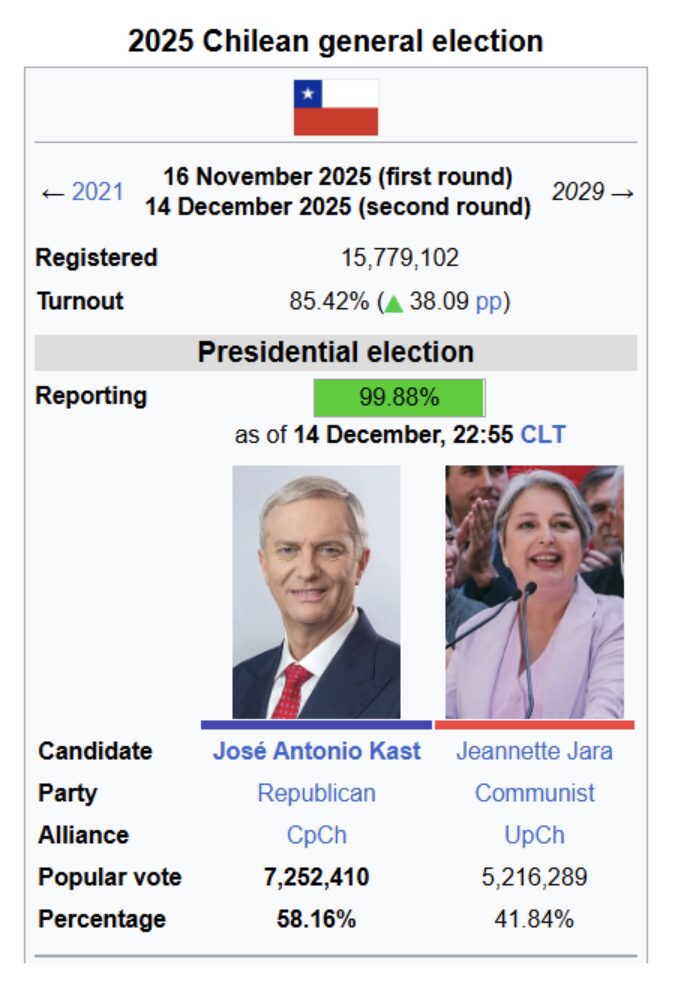
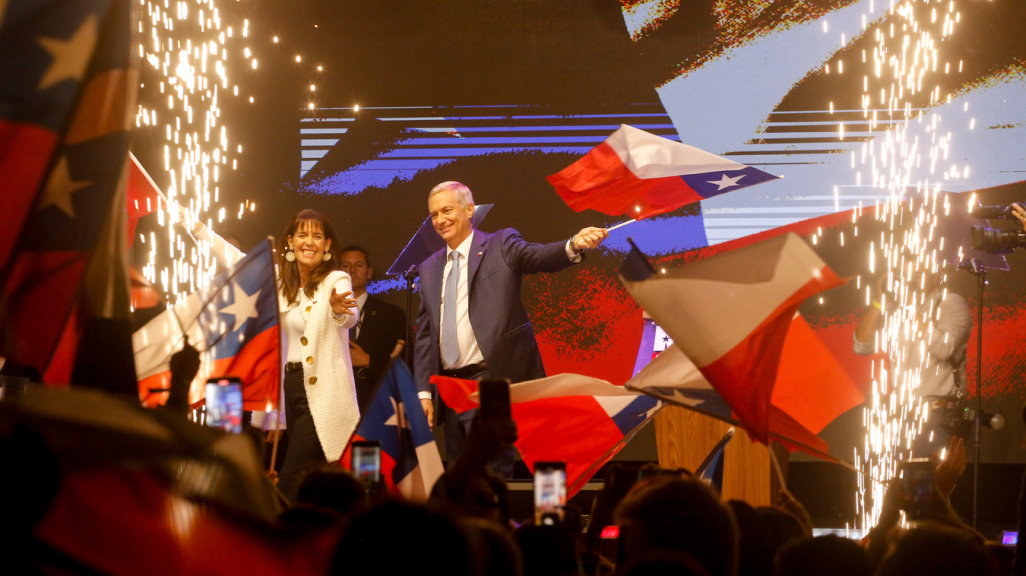
Chile's recent conservative electoral landslide represents more than a localized political shift—it signals a profound geopolitical recalibration across Latin America with far-reaching implications for international trade and strategic positioning. The victory of José Antonio Kast epitomizes a broader continental trend where right-wing candidates are systematically dismantling the region's previous left-wing political infrastructure.
The conservative surge is fundamentally driven by voter frustration with existing governance models, particularly around issues of crime, economic stagnation, and unfulfilled progressive promises. In Chile, this manifested through Kast's campaign successfully tapping into public sentiment about rising organized crime and disappointment with current President Gabriel Boric's administration. This pattern extends beyond Chile, with similar conservative electoral victories emerging in Argentina, Ecuador, Bolivia, and Honduras—suggesting a synchronized regional transformation.
For cross-border businesses and strategic planners, this political realignment presents both significant opportunities and complex challenges. The emerging conservative landscape likely portends more business-friendly regulatory environments, potentially reducing trade barriers and creating more predictable investment frameworks. Countries previously characterized by volatile left-wing policies may now offer more stable, market-oriented approaches that could attract international investment.
Geopolitically, this conservative wave also suggests a potential re-alignment of regional relationships. The election's framing as potentially beneficial to former U.S. President Donald Trump's strategic interests indicates a potential restoration of more traditional diplomatic and economic partnerships. This could mean reduced ideological friction and more pragmatic, transaction-oriented international engagement.
Critically, businesses must recognize this is not merely a political shift, but a structural economic recalibration. The conservative momentum reflects deeper societal demands for effective governance, economic stability, and security. Cross-border entrepreneurs and multinational corporations should view this as a signal to reassess market entry strategies, regulatory compliance approaches, and long-term regional investment models.
The implications extend far beyond electoral mathematics—this represents a fundamental reset of Latin America's political-economic operating system, with profound consequences for global trade dynamics and regional strategic positioning.
Questions 3
How might this political transformation impact international investment?
The emerging conservative landscape signals increased investment stability and reduced ideological volatility. Investors can expect more pragmatic, transaction-oriented governance models that prioritize economic growth over rigid ideological positions, making Latin American markets potentially more attractive for international capital.
What does the conservative wave mean for cross-border business strategies in Latin America?
The conservative shift suggests more business-friendly regulatory environments, potentially reducing trade barriers and creating more predictable investment frameworks. Companies should anticipate more market-oriented policies, lower bureaucratic friction, and potentially more straightforward market entry protocols in countries like Chile, Argentina, and Bolivia.