





Gold Rally Signals Lower US Interest Rates | Cross-Border Seller Financing Opportunity
- Fed rate cut expectations collapse to 55% probability; gold surges 7% weekly to $4,326/oz; working capital financing costs drop 150-250 bps for sellers























Overview
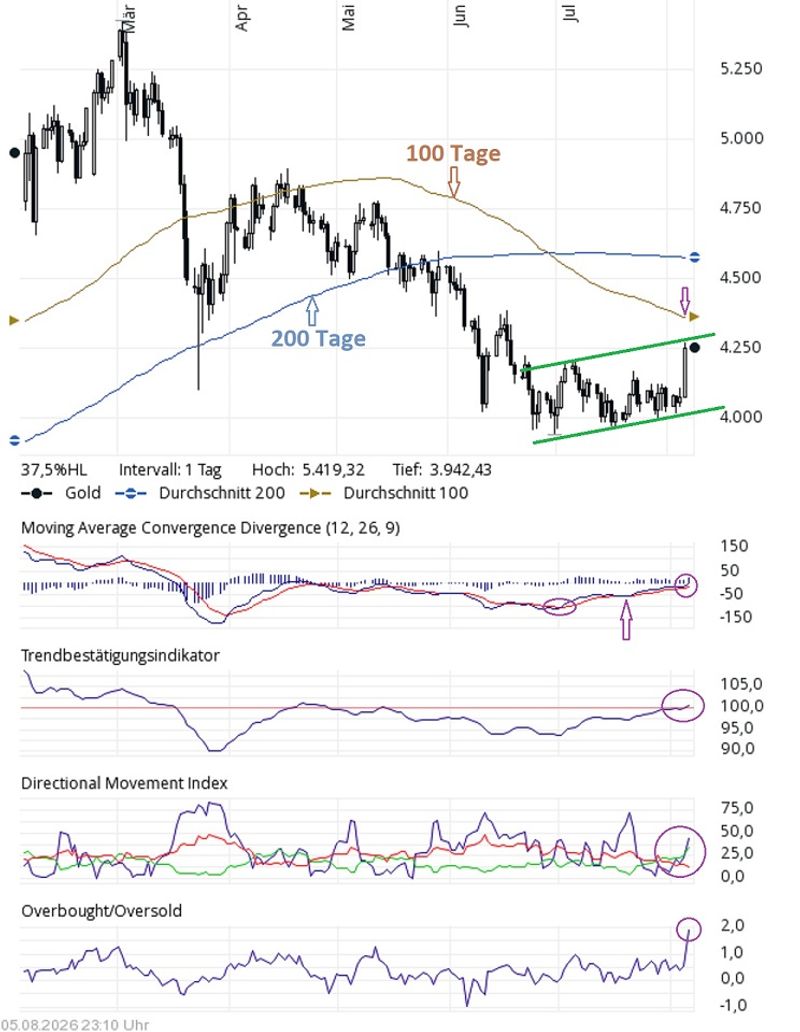
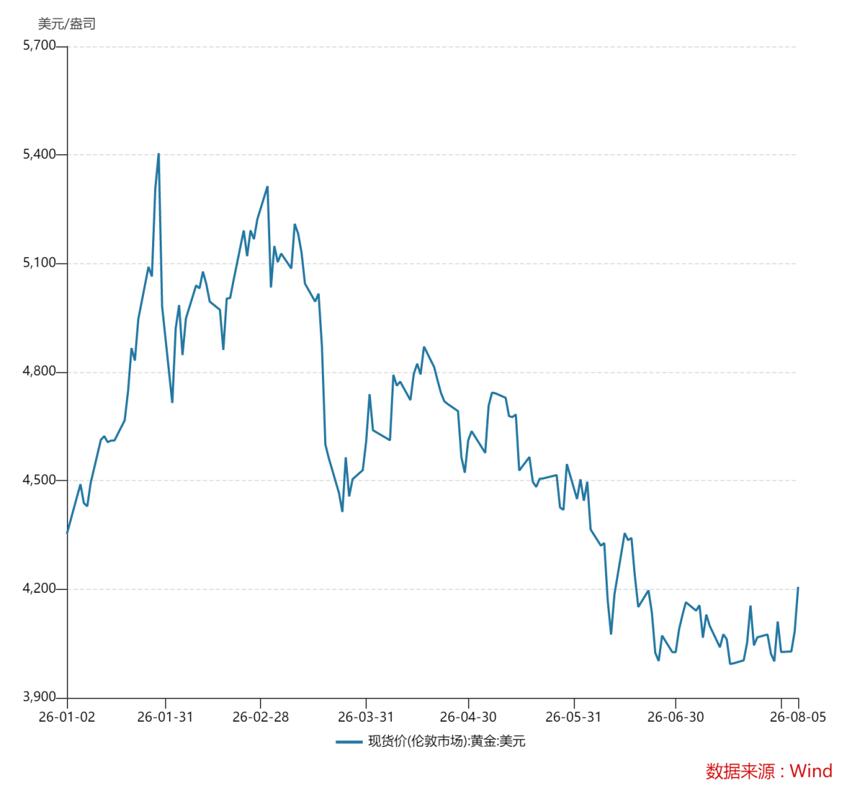
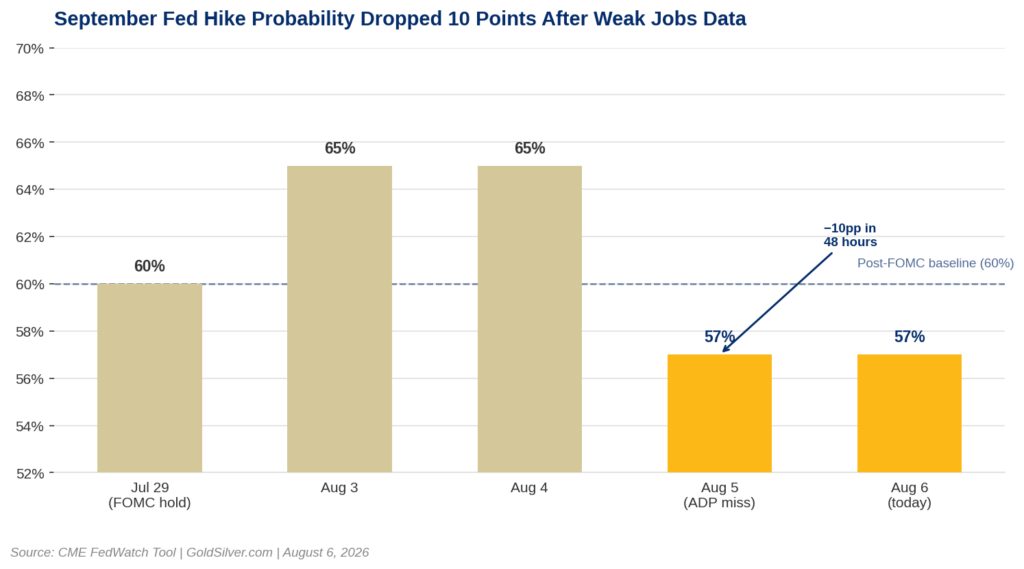
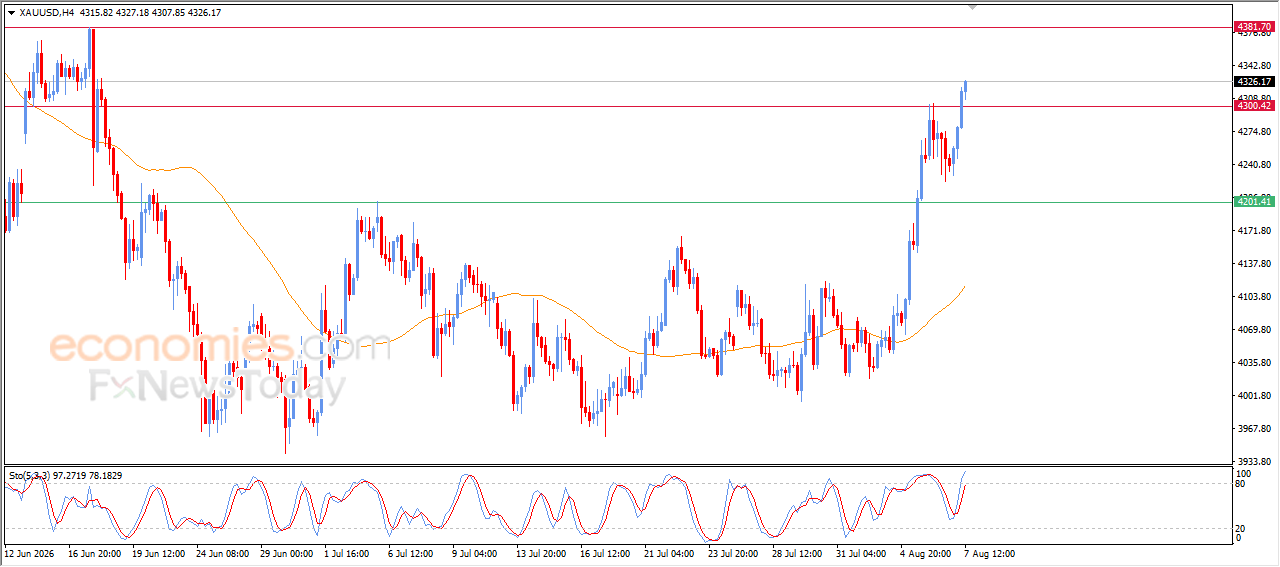
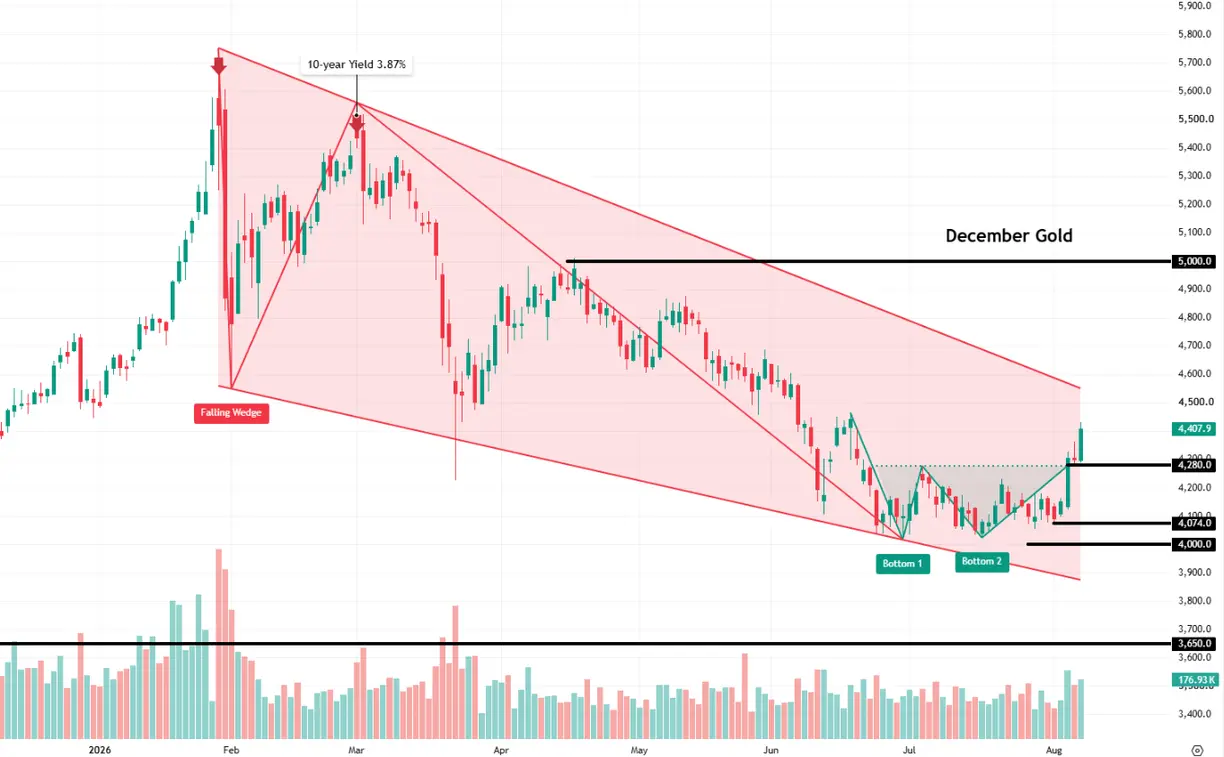
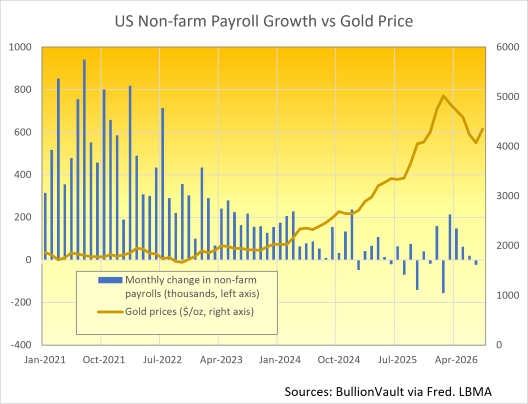
The gold market's strongest week since January 2026 signals a critical shift in Federal Reserve policy expectations that directly impacts cross-border seller financing costs and working capital optimization. Spot gold surged 2.1% to $4,326.59/oz by August 7, 2026, with weekly gains exceeding 7%, driven by collapsing rate-hike expectations (now 55% probability vs. 67% the prior week) following weak July employment data (23,000 jobs lost vs. 80,000 expected) and Middle East peace developments. This monetary policy pivot creates immediate financial opportunities for sellers managing multi-currency operations and working capital cycles.
For cross-border sellers, the primary financial impact centers on reduced borrowing costs and improved cash flow financing terms. As Fed rate-hike expectations collapse, prime lending rates typically decline 150-250 basis points within 4-8 weeks, directly reducing costs for inventory financing, purchase order financing, and invoice factoring—critical tools for sellers managing 30-90 day payment cycles across US, EU, and Asia Pacific markets. Sellers currently utilizing trade finance products (PO financing at 8-12% APR, invoice factoring at 2-4% monthly) can expect rate reductions of $150-400 monthly per $100K financed inventory. The CME FedWatch Tool's shift from 67% to 55% September rate-hike probability indicates market consensus for a dovish Fed pivot, supporting sustained lower rates through Q4 2026.
Currency arbitrage opportunities emerge as lower US rates weaken the dollar against major trading currencies. Gold's 7% weekly rally typically correlates with USD weakness (inverse relationship), benefiting sellers with EUR, GBP, CNY, and JPY receivables. Sellers with 30-60 day payment terms in foreign currencies can lock in 2-4% FX gains by forward-contracting revenues now before further dollar depreciation. China's central bank accelerated gold purchases for the fifth consecutive month (largest bullion addition since October 2023), signaling sustained institutional demand and supporting continued USD weakness—a tailwind for sellers with Asian supplier costs and Western market revenues.
Working capital optimization becomes critical as financing windows narrow. With rate-cut expectations now dominant, sellers should immediately: (1) refinance existing inventory loans at lower rates (potential $200-600 monthly savings on $500K financed stock), (2) accelerate invoice factoring arrangements before lenders tighten terms post-rate-cut, and (3) lock in forward FX contracts on major currency pairs (EUR/USD, GBP/USD, USD/CNY) to capture 2-4% gains from anticipated dollar weakness. The 2-year yield compression (pressing against 50-day moving average) indicates bond markets are pricing sustained low-rate environment through 2027, supporting multi-quarter financing cost reductions.
Questions 8
What are the risks if Fed rate expectations reverse and rate hikes resume?
If employment data strengthens or inflation resurges, Fed rate-hike probability could reverse from 55% back to 70%+, triggering immediate repricing of seller financing products upward by 150-250 bps. Sellers with floating-rate inventory loans or short-term factoring arrangements would face sudden cost increases of $150-400 monthly per $100K financed. To mitigate: (1) Lock in fixed-rate financing agreements now for 6-12 month terms; (2) Avoid floating-rate products until rate trajectory clarifies (post-September Fed meeting); (3) Maintain 30-45 day cash reserves to absorb potential rate spikes; (4) Monitor CME FedWatch Tool weekly—if rate-hike probability exceeds 65%, immediately refinance floating-rate debt. The next critical data point is the September Fed meeting (expected mid-September 2026).
How does China's accelerated gold purchases affect cross-border seller financing in Asia?
China's central bank accelerated gold purchases for the fifth consecutive month (largest addition since October 2023), signaling sustained institutional demand and supporting CNY strength relative to USD. For sellers with Chinese supplier costs and Western market revenues, this creates favorable financing dynamics: (1) CNY-denominated supplier financing becomes cheaper as Chinese banks lower rates in response to central bank easing; (2) USD/CNY forward rates improve, allowing sellers to lock in 2-3% gains on China-sourced inventory; (3) Hong Kong's emergence as a major bullion-trading hub (per news) indicates increased capital flows to Asia, supporting lower financing costs for HK/Singapore-based seller entities. Sellers should consider establishing HK or Singapore financing entities to access lower-cost capital.