





Oil Price Collapse & Weaker USD Create FX Arbitrage Window for Cross-Border Sellers | Immediate Shipping Cost Relief
- Brent crude down $20/barrel from July peak; softer USD enables 3-8% payment savings for Asia-US sellers; central bank rate cuts signal 2-3 month financing window













-1786027965007.png)

















Overview
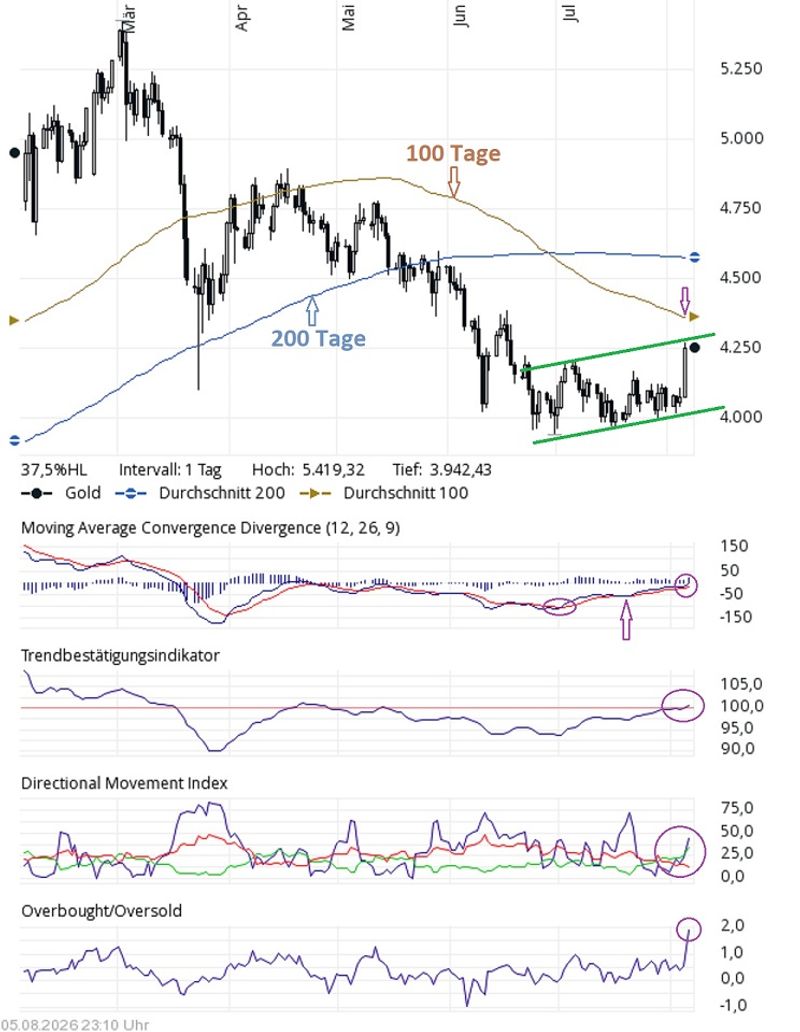
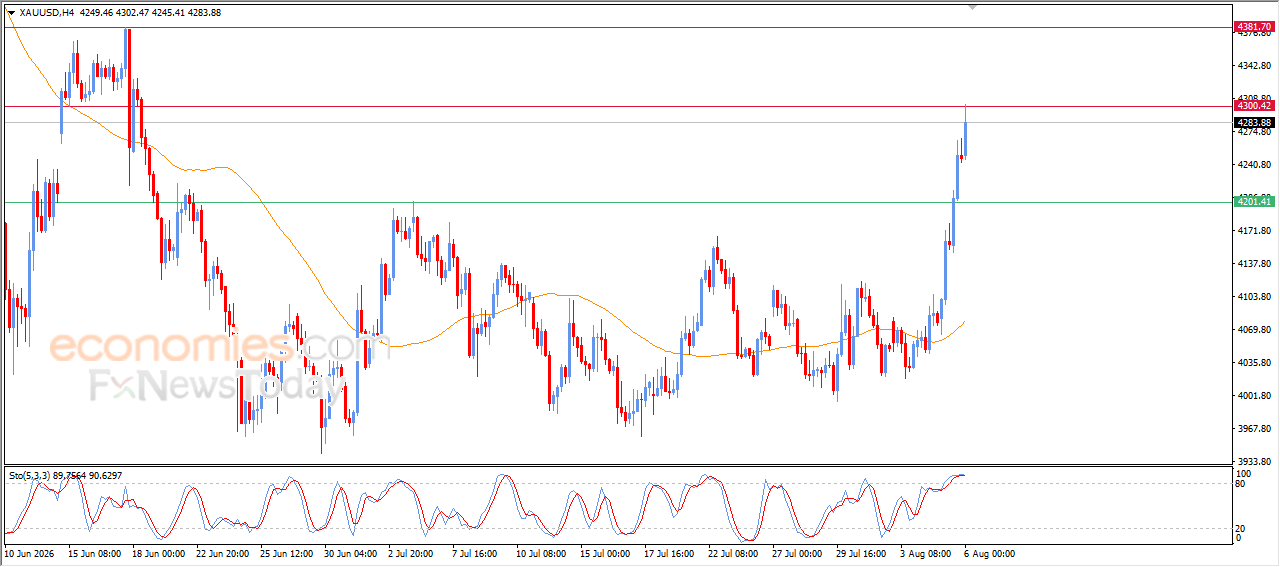
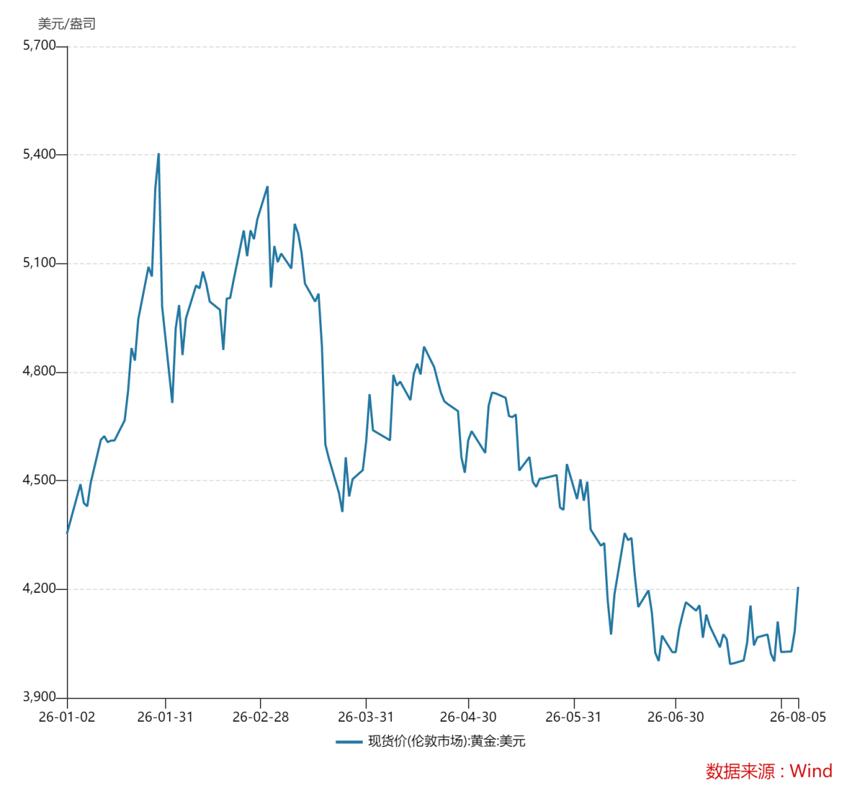
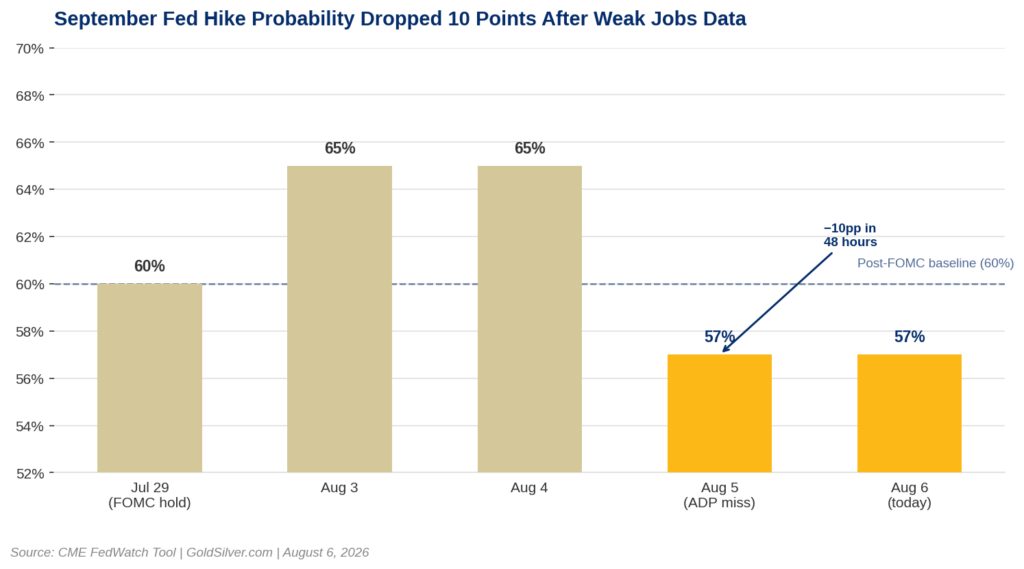
Falling oil prices and a weakening U.S. dollar present immediate financial optimization opportunities for cross-border e-commerce sellers. Brent crude has declined approximately $20 per barrel from its July 2026 peak above $100, with the U.S. Energy Information Administration forecasting further pressure to $65/barrel by 2027 as the Strait of Hormuz reopens and global oil oversupply emerges. Simultaneously, the softer USD—driven by reduced Federal Reserve rate hike expectations following weak ADP payroll data and slowing job openings—creates a favorable window for sellers operating across multiple currency zones.
For cross-border sellers, this dual dynamic unlocks three immediate financial advantages: First, shipping cost relief: Lower oil prices directly reduce fuel surcharges on international logistics. Sellers shipping from Asia to North America can expect 3-8% reductions in DHL, FedEx, and UPS rates within 4-6 weeks as fuel hedges roll off. This translates to $150-400 monthly savings for mid-sized sellers (1,000-5,000 monthly units). Second, FX arbitrage opportunity: The weaker USD makes U.S. dollar revenues worth 2-4% more when converted to EUR, GBP, or CNY. Sellers with Asia-based suppliers and US-based sales can lock in favorable rates now before potential stabilization. Third, financing access expansion: Central banks' aggressive gold purchases (289 metric tons in Q2 2026) and reduced rate hike probability signal lower borrowing costs ahead. Trade finance providers and invoice factoring platforms are already pricing in 50-100 basis point reductions for Q3 2026 facilities.
Specific seller actions by segment: Small sellers (under $50K monthly revenue) should immediately review DHL/FedEx contracts for fuel surcharge renegotiation—most carriers allow quarterly adjustments. Mid-market sellers ($50K-500K) should consider locking in 90-day forward FX contracts at current USD weakness levels, particularly for EUR and GBP pairs. Large sellers ($500K+) should evaluate trade finance refinancing: invoice factoring rates typically drop 1-2% when central bank rate cut expectations increase, unlocking 2-4% working capital improvements. Sellers with inventory in high-cost regions (Southeast Asia, India) should accelerate shipments to US warehouses within the next 30 days to capture fuel cost savings before rates stabilize. Monitor the Strait of Hormuz reopening timeline—full normalization could add 15-20% to oil supplies by Q4 2026, extending the cost relief window.
Questions 8
Which seller segments benefit most from this oil price and currency environment?
Mid-market sellers ($50K-500K monthly revenue) with Asia-based suppliers and US/EU sales benefit most. They capture 3-8% shipping savings ($150-400/month), 2-4% FX gains ($1,000-4,000/month), and 1-2% financing cost reductions ($500-2,000/month)—totaling $1,650-6,400 monthly working capital improvement. Small sellers (under $50K) should focus on shipping renegotiation and FX contracts. Large sellers ($500K+) should prioritize trade finance refinancing and forward contracting at scale. The news indicates this window remains open for 2-3 months before oil stabilizes and rate cut expectations fully price in. Sellers in electronics, apparel, and home goods—high-volume, low-margin categories—see the greatest percentage impact.
How do falling oil prices and rate cut expectations improve financing access for sellers?
Lower oil prices ease inflation fears, encouraging central bank rate cuts that reduce borrowing costs across trade finance products. Invoice factoring rates typically drop 1-2% when rate cut expectations increase, translating to 2-4% working capital improvements. A seller with $200K monthly revenue using invoice factoring at 2.5% monthly rates ($5,000 cost) could save $1,000-2,000 monthly if rates decline to 1.5%. The news reports weaker-than-expected US payroll data and slowing job openings have reduced aggressive Fed rate hike probability. Contact your trade finance provider (Stripe Capital, Fundbox, Clearco) immediately to lock in pre-cut rates, as pricing typically increases once rate cuts are officially announced.