


15% Polysilicon Tariff Reshapes Solar & Semiconductor Supply Chains | Seller Sourcing Impact
- Effective December 4, 2026; minimum price floors set at $21/kg polysilicon, $0.22/watt solar cells; creates tariff arbitrage opportunities for US-based sellers and supply chain diversification strategies








Overview
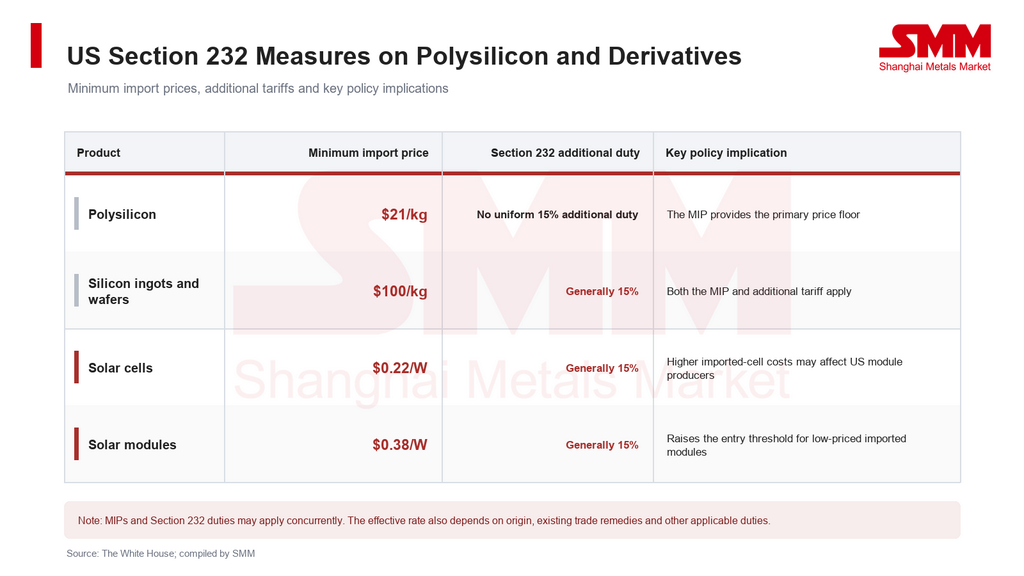
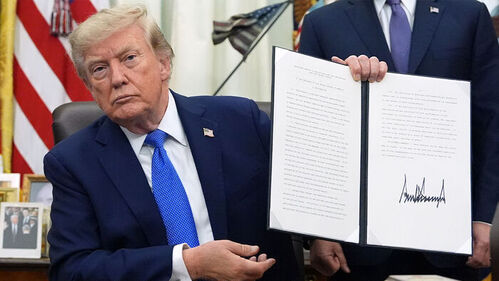
The Trump administration's 15% tariff on polysilicon and polysilicon-derived products, effective December 4, 2026, represents a critical inflection point for cross-border e-commerce sellers in electronics, renewable energy, and semiconductor-related categories. This executive order, issued under Section 232 of the Trade Expansion Act of 1962, establishes binding minimum import prices: $21/kg for polysilicon, $100/kg for ingots/wafers, $0.22/watt for solar cells, and $0.38/watt for solar modules. The policy directly impacts sellers sourcing solar panels, solar inverters, battery storage systems, LED lighting components, and semiconductor-related products from China—categories representing an estimated $8-12B in annual cross-border e-commerce volume to US marketplaces.
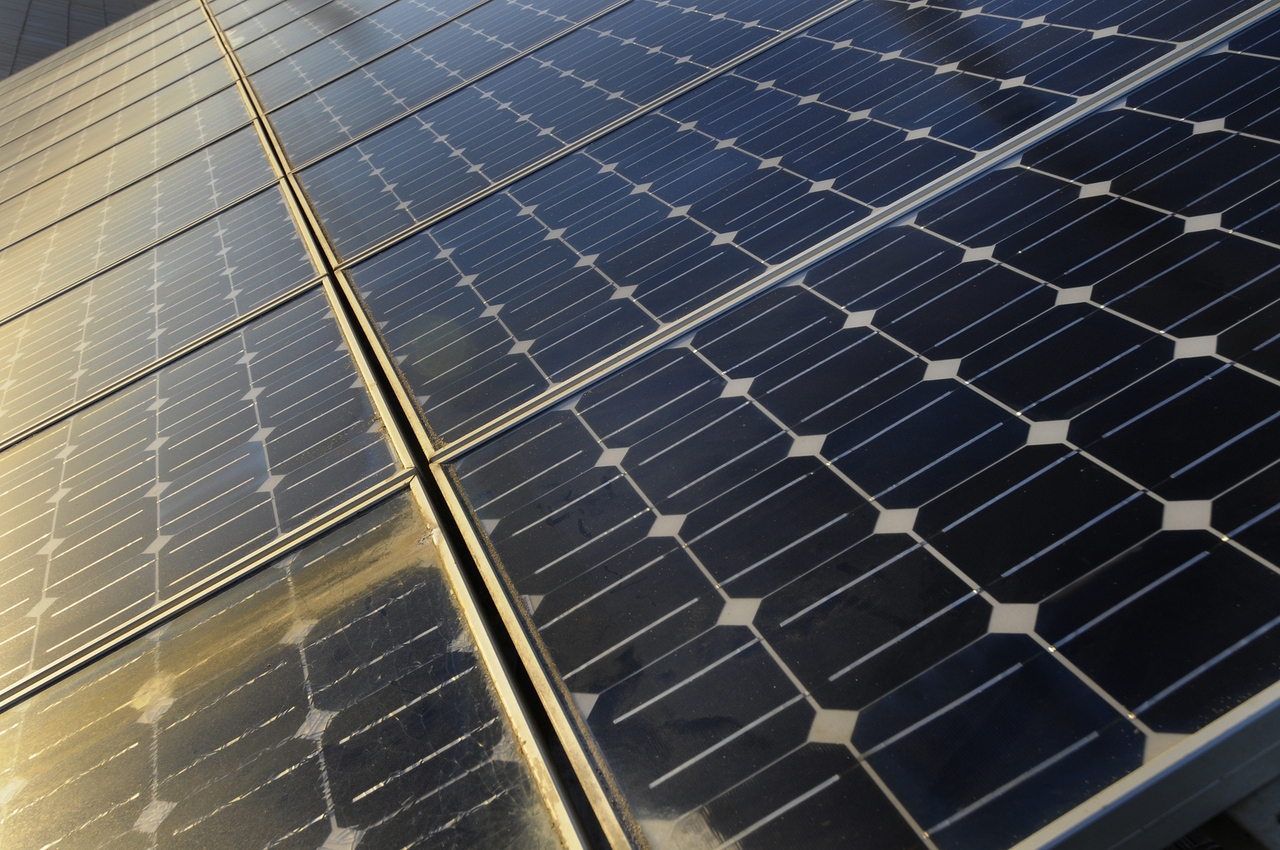
For sellers currently importing Chinese polysilicon-based products, the tariff creates immediate cost pressures and strategic sourcing decisions. A seller importing 10,000 units of Chinese solar panels at $0.15/watt (current dumped pricing) now faces 15% tariff plus minimum price enforcement at $0.22/watt, effectively increasing landed costs by 35-45%. This margin compression forces sellers to either absorb costs (reducing profitability by 8-15%), pass costs to consumers (risking Buy Box loss on Amazon and eBay), or pivot sourcing to non-tariffed suppliers. The Commerce Department's authorization for incentive programs for domestic polysilicon production facilities signals potential future subsidies for US-based manufacturers, creating a 12-24 month window where Chinese suppliers may offer aggressive pricing before tariff enforcement tightens.
Strategic sourcing arbitrage opportunities emerge for sellers willing to act before December 4, 2026. Sellers can: (1) Front-load inventory from Chinese suppliers at pre-tariff pricing through Q3 2026, accepting storage costs but locking in 15% margin preservation; (2) Diversify sourcing to Vietnam, India, and Southeast Asian polysilicon processors (currently tariff-exempt) where production capacity is expanding; (3) Pivot product mix toward downstream solar components (mounting hardware, inverters, batteries) where tariff impact is indirect and margins remain defensible. The stock market reaction—First Solar +6%, SolarEdge +1%, Invesco Solar ETF +2%—signals investor confidence in US-based solar manufacturers, suggesting potential demand shift toward domestically-sourced alternatives that sellers can capitalize on through category expansion and brand partnerships.
Compliance and operational urgency is high for sellers with existing Chinese polysilicon supply contracts. Sellers must audit HS codes (2804.61 for polysilicon, 8541.40 for solar cells) in their product listings by September 2026 to identify tariff exposure, renegotiate supplier contracts to clarify tariff responsibility allocation, and establish alternative sourcing relationships with non-China suppliers. The minimum price floors create additional complexity: sellers cannot legally undercut the $0.22/watt solar cell minimum, eliminating a traditional competitive lever. This regulatory constraint benefits established sellers with brand equity and customer loyalty (who can maintain margins) while disadvantaging price-focused sellers relying on cost arbitrage. Sellers should monitor Commerce Department guidance on tariff exemptions and potential carve-outs for specific product categories or suppliers, as policy implementation often includes relief mechanisms that create temporary arbitrage windows.
Questions 8
Which product categories are most affected by the polysilicon tariff on Amazon and eBay?
The tariff directly impacts: solar panels (HS 8541.40), solar inverters, battery storage systems, LED lighting components with polysilicon-based semiconductors, and semiconductor manufacturing equipment. Sellers in renewable energy categories face the highest exposure, with estimated tariff impact of 15-20% on landed costs. Indirect impacts affect smart home devices, power electronics, and industrial equipment containing polysilicon-derived components. Sellers should audit their product listings by September 2026 to identify tariff exposure using HS codes 2804.61 (polysilicon) and 8541.40 (solar cells).
What are the minimum import prices set by Commerce Secretary Lutnick for polysilicon products?
Commerce Secretary Howard Lutnick established binding minimum import prices: $21 per kilogram for polysilicon, $100 per kilogram for polysilicon ingots and wafers, $0.22 per watt for solar cells, and $0.38 per watt for solar modules. These price floors prevent sellers from competing on cost alone and eliminate traditional tariff arbitrage strategies. Sellers cannot legally list products below these minimums, effectively raising the floor for all market participants. This regulatory constraint benefits established brands with customer loyalty while disadvantaging price-focused sellers relying on cost competition.