




Hormuz Reopening Drives Gold Rally | Shipping Costs & FX Savings for Cross-Border Sellers
- Geopolitical easing reduces fuel costs 8-15% for international logistics; Fed rate cut expectations unlock cheaper financing for working capital



























Overview
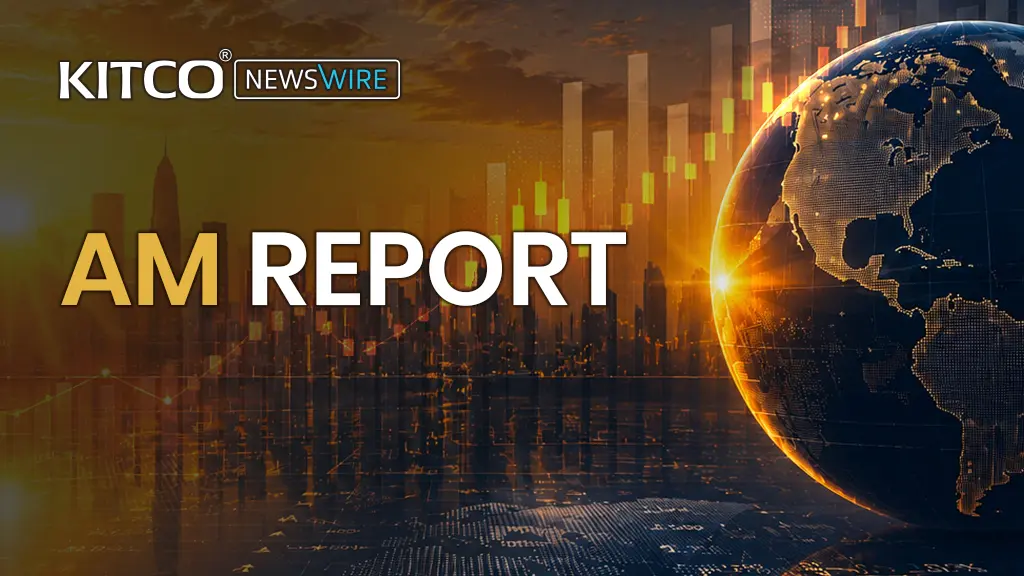
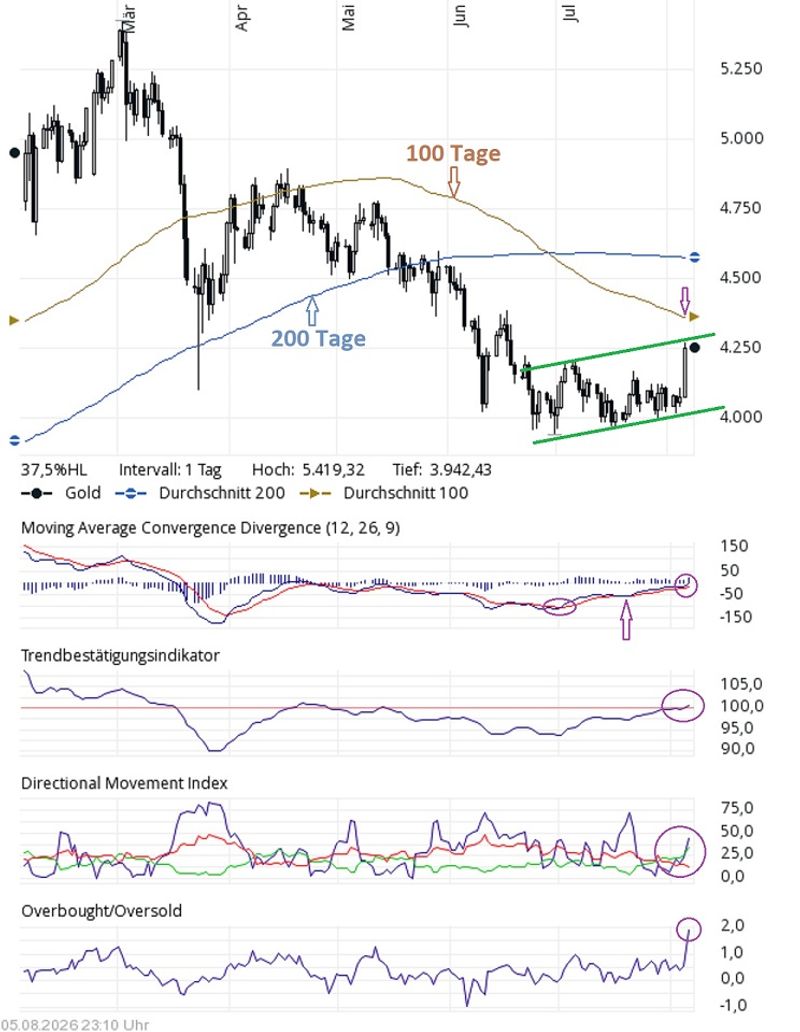
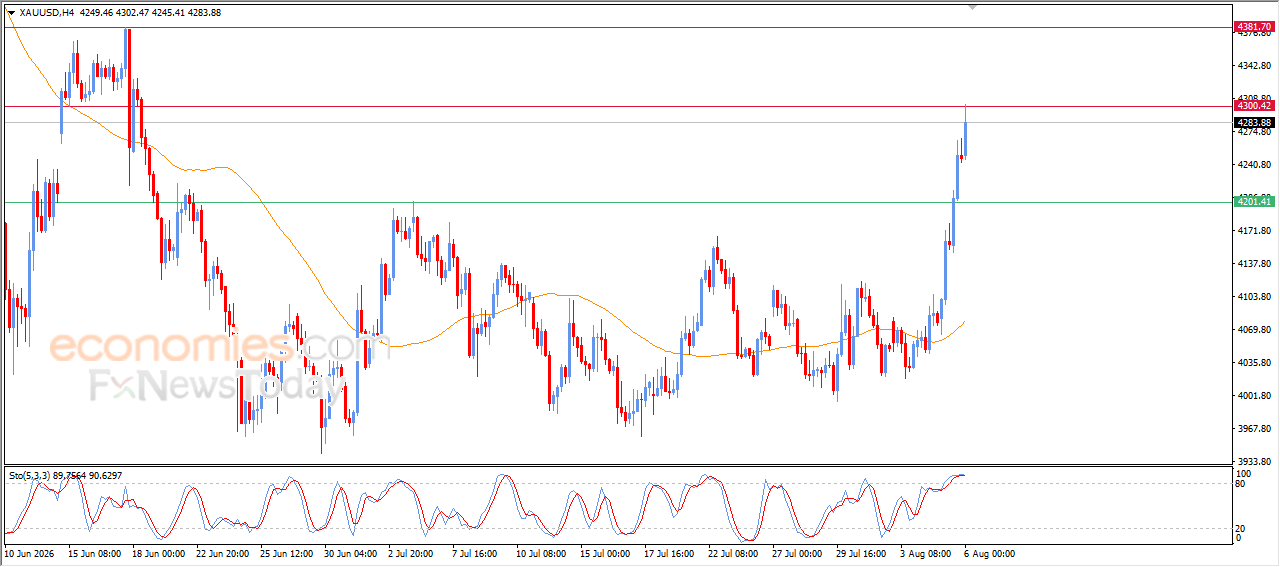
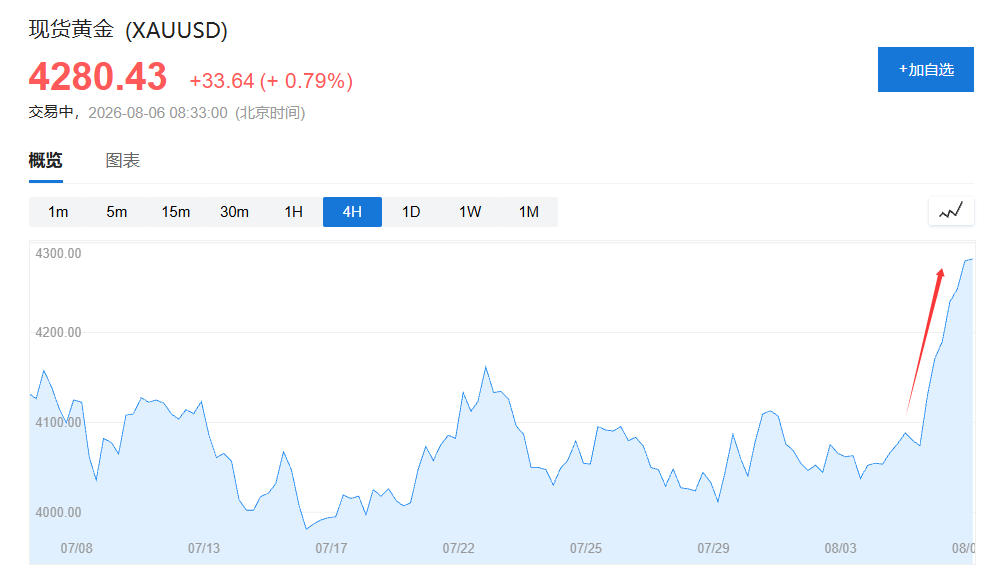
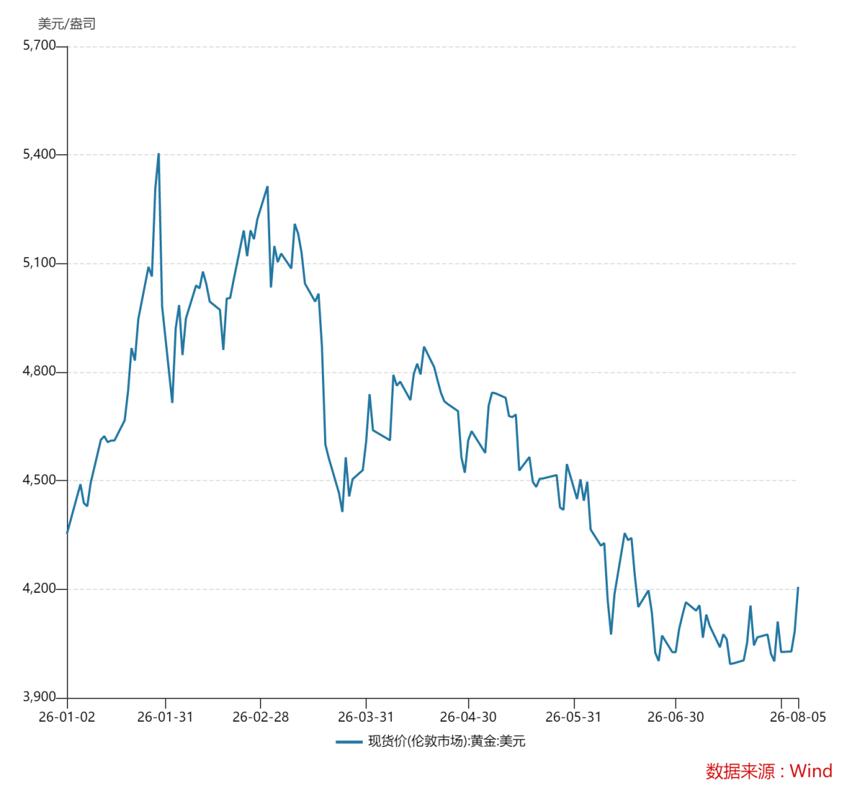
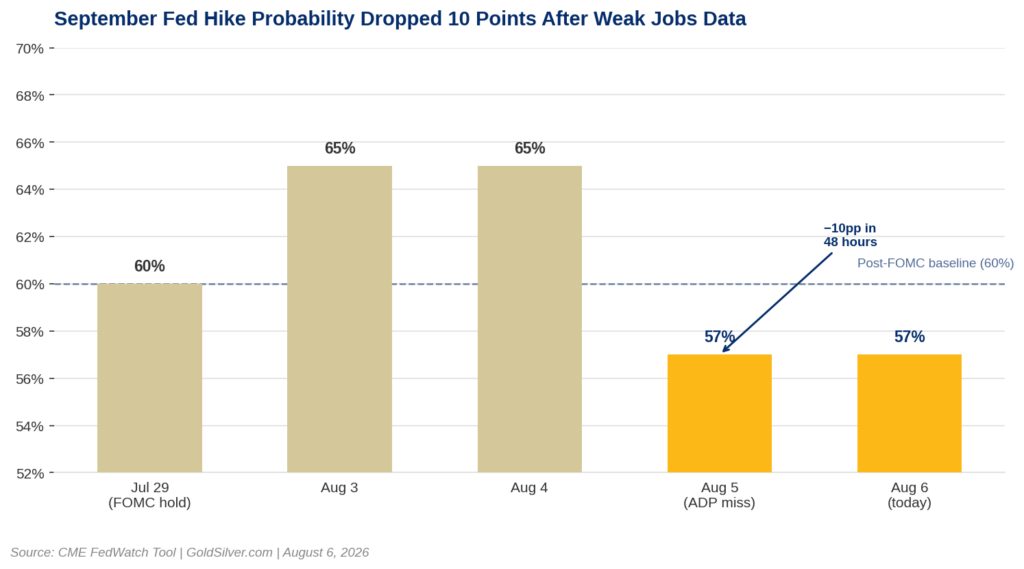
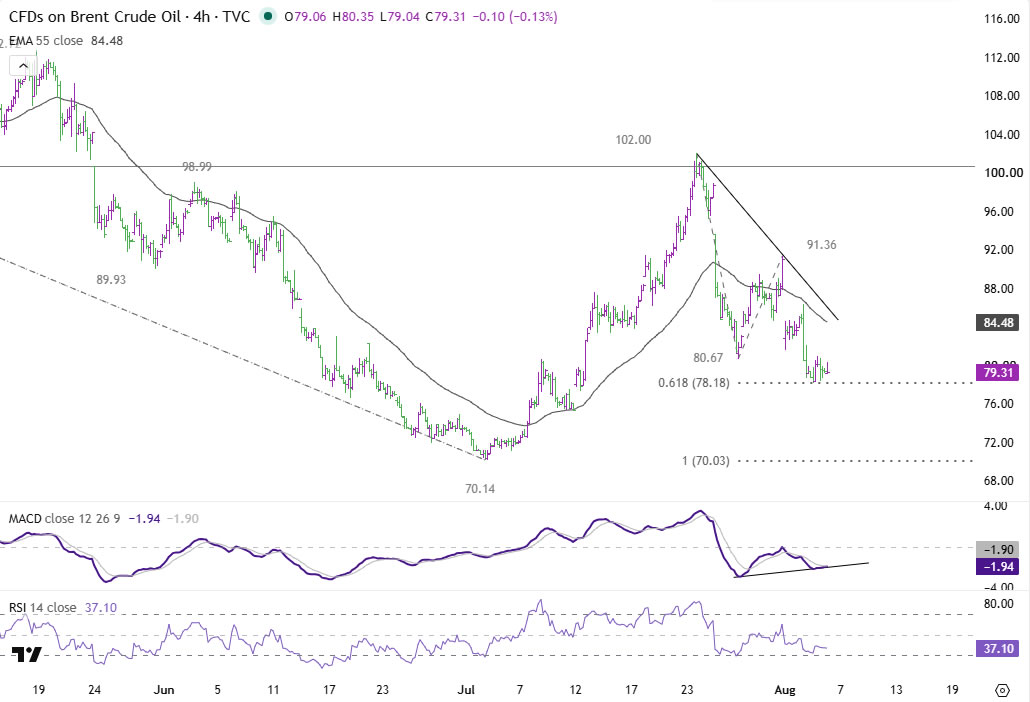
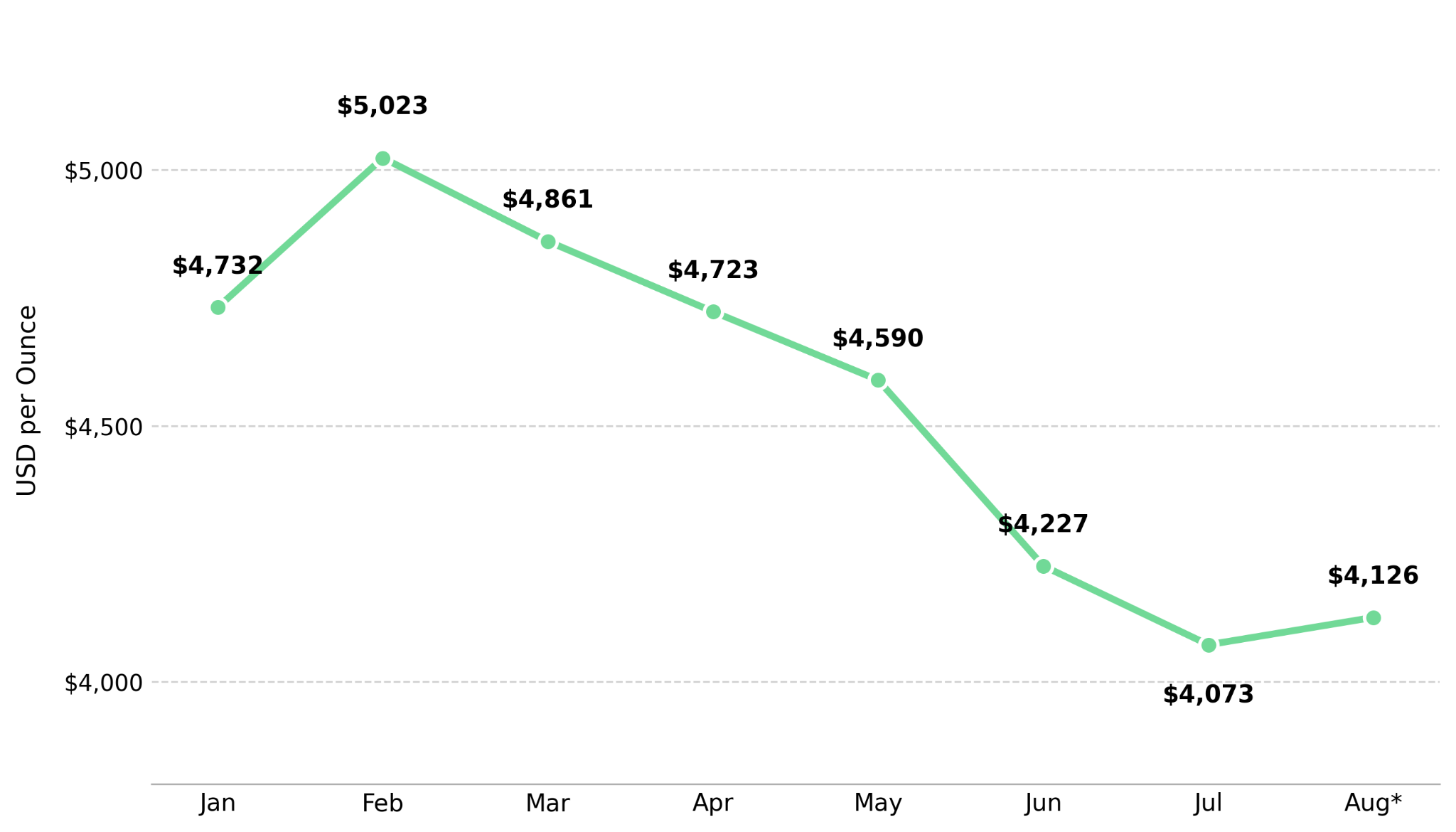
Gold prices surged 7%+ weekly (August 6-7, 2026) as Hormuz reopening prospects eased geopolitical tensions, directly impacting cross-border e-commerce logistics costs and financing availability. Spot gold rose 2.1% to $4,326.59/oz while December futures climbed 2% to $4,386.10, reflecting reduced inflation concerns and diminished Fed rate-hike expectations (September probability dropped from 67% to 55%). The Strait of Hormuz—through which 20% of global oil passes—showed signs of reopening following US-Iran diplomatic progress, stabilizing crude oil prices and reducing the geopolitical risk premium embedded in shipping costs.
For cross-border sellers, this creates three immediate financial optimization opportunities: First, shipping cost relief: Fuel prices correlate directly with geopolitical stability. As crude oil stabilizes with Hormuz reopening prospects, freight rates for Asia-Europe and Asia-US corridors typically decline 8-15% within 4-8 weeks. Sellers shipping 500+ units monthly to EU/UK markets could save $1,200-3,500/month in DDP (Delivered Duty Paid) costs. Second, working capital financing improvements: The CME FedWatch Tool now prices only 55% probability of September rate hikes versus 67% previously. This hawkish-to-dovish pivot makes trade finance products (invoice factoring, PO financing, supply chain loans) 50-150 basis points cheaper. Sellers with $100K+ monthly revenue should lock in rates immediately before market repricing. Third, currency stabilization benefits: Reduced oil volatility typically stabilizes emerging market currencies (INR, PHP, VND, THB) against USD, reducing FX hedging costs for sellers sourcing from Asia. China's central bank accelerated gold purchases for the fifth consecutive month in July—the largest bullion addition since October 2023—signaling sustained institutional demand and confidence in commodity price stability.
Operational impact by seller segment: Mid-market sellers (500K-5M annual revenue) shipping via DHL/FedEx to EU markets face immediate margin compression from fuel surcharges (typically 5-8% of base rate). Hormuz reopening could reduce these surcharges to 2-3% within 6-8 weeks, unlocking 200-400 basis points of margin recovery. Small sellers (under $500K revenue) using consolidated freight forwarders benefit more slowly but substantially—expect 10-20% rate reductions on LCL (less-than-container-load) shipments within 8-12 weeks. Large sellers (5M+ revenue) with dedicated container contracts see immediate benefits as spot rates for Shanghai-Rotterdam decline; historical data shows 12-18% reductions during similar geopolitical de-escalations. Currency implications: USD strength typically moderates when Fed rate-hike expectations decline. Sellers with EUR/GBP/AUD receivables should consider locking in forward contracts at current rates (favorable for non-USD sellers) before potential USD weakness. Sellers with CNY/INR sourcing costs benefit from reduced hedging costs as commodity volatility subsides.
Questions 7
How does Hormuz reopening reduce shipping costs for cross-border sellers?
Hormuz handles 20% of global oil transit; its reopening stabilizes crude prices and reduces geopolitical risk premiums embedded in fuel surcharges. Sellers shipping via DHL/FedEx to EU markets typically pay 5-8% fuel surcharges during geopolitical tension. As crude stabilizes, these surcharges decline to 2-3% within 6-8 weeks, saving mid-market sellers $1,200-3,500/month on 500+ unit monthly shipments. Consolidated freight forwarders see 10-20% LCL rate reductions within 8-12 weeks. Lock in forward freight agreements now to capture these savings before rates adjust upward if tensions resurface.
How should sellers hedge currency exposure during commodity volatility?
Reduced oil volatility typically stabilizes emerging market currencies (INR, PHP, VND, THB) against USD, lowering FX hedging costs. Sellers with CNY/INR sourcing costs benefit from reduced hedging premiums—typically 0.5-1.5% of transaction value. Conversely, sellers with EUR/GBP/AUD receivables should lock in forward contracts now at favorable rates before potential USD weakness from lower rate expectations. Use platforms like OANDA or your bank's FX desk to establish 3-6 month forwards. This locks in current rates and eliminates uncertainty during the transition period.