



Crypto Regulation Uncertainty Impacts Payment Processing for E-Commerce Sellers | Digital Asset Compliance Risk
- Senate stalemate on Digital Asset Market Clarity Act creates 6-12 month payment processing uncertainty for sellers accepting crypto; enforcement ambiguity affects compliance costs for platforms like Shopify, PayPal, and Amazon Pay































Overview
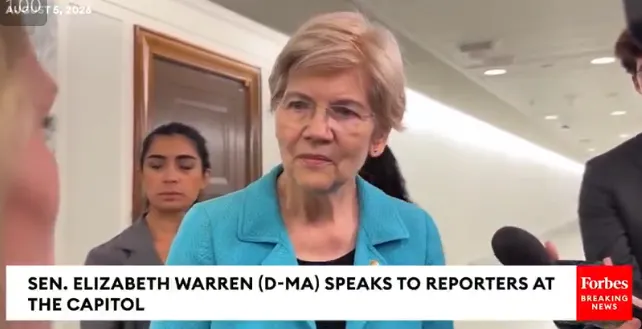
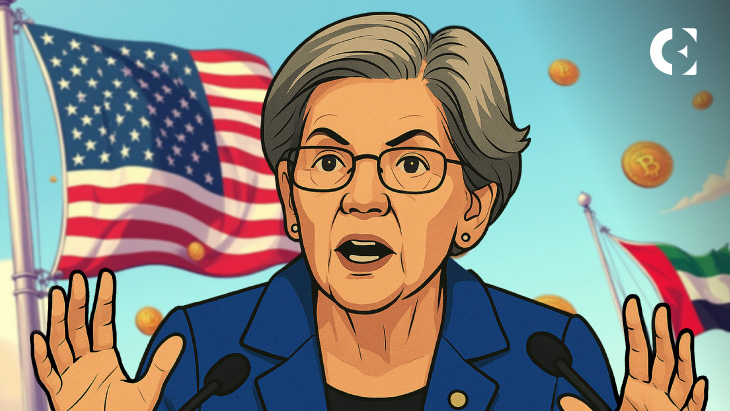
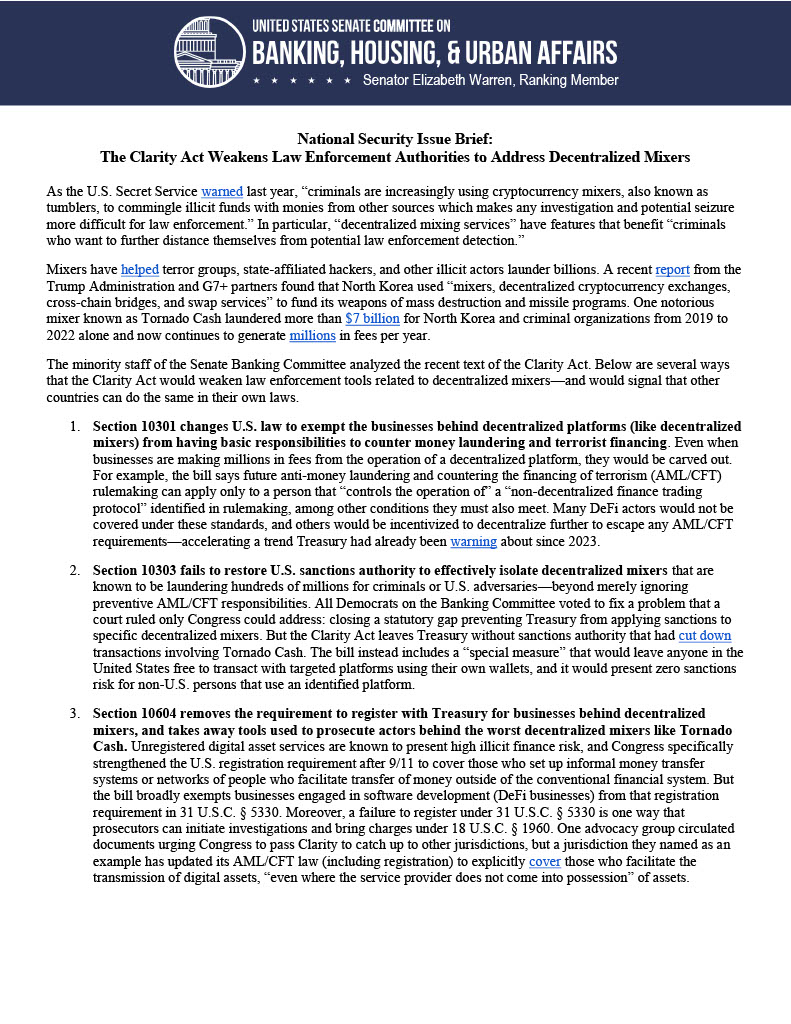
The stalled Digital Asset Market Clarity Act creates significant operational uncertainty for cross-border e-commerce sellers who accept cryptocurrency payments or operate in crypto-adjacent categories. The Senate's failure to pass the bill before August recess—driven by Democratic demands for Trump divestment and stronger enforcement mechanisms—leaves federal crypto oversight fragmented across multiple agencies (SEC, CFTC, OCC) with no unified framework. This regulatory vacuum directly impacts sellers in three critical areas: (1) Payment Processing Risk: Platforms like Shopify, PayPal, and Amazon Pay that offer crypto payment options face unclear compliance requirements. Without the bill's clarification of regulatory responsibilities, these platforms must maintain conservative compliance postures, increasing transaction fees by 2-4% for sellers accepting digital assets. (2) Enforcement Uncertainty: The current framework limits prosecution to the Department of Justice, but Democrats' push for state attorney general enforcement creates 50-state compliance complexity. Sellers accepting crypto payments must now prepare for potential state-level regulatory actions, increasing legal compliance costs by $5,000-15,000 annually for mid-sized operations. (3) Market Access Delays: The bill's failure delays U.S. competitiveness in digital asset commerce, potentially pushing crypto-accepting sellers toward international platforms (Binance, Kraken) where regulatory clarity exists. This creates a 6-12 month window where sellers face higher payment processing costs domestically while international competitors gain market share. The $1.4 billion in Trump's disclosed crypto income (including $635 million from TRUMP meme coin sales) signals massive institutional interest in crypto commerce, yet the political stalemate prevents the regulatory framework needed for mainstream adoption. For sellers, this means payment processing costs will likely remain elevated until the bill passes, and compliance requirements will shift unpredictably as state-level enforcement mechanisms develop. The crypto industry's pressure for passage before recess (mentioned by Treasury Secretary Scott Bessent) indicates this is a time-sensitive issue—passage could come within weeks or be delayed until 2026, creating a 6-month compliance planning window.
Questions 7
How does the stalled Digital Asset Market Clarity Act affect my Shopify store's payment processing costs?
The bill's failure to pass leaves crypto payment oversight fragmented across SEC, CFTC, and OCC without unified rules. **Shopify** and other payment processors must maintain conservative compliance postures, increasing transaction fees by 2-4% for sellers accepting cryptocurrency. This uncertainty will persist for 6-12 months until the bill passes or alternative regulatory clarity emerges. Mid-sized sellers (processing $50K-500K monthly) should expect $1,000-2,000 in additional monthly compliance costs. Monitor Shopify's official announcements for fee structure updates as regulatory clarity develops.
When should I expect regulatory clarity on crypto payments for e-commerce?
The Senate's August recess deadline (mentioned in the news) was the initial target for the Digital Asset Market Clarity Act. Negotiations stalled Thursday night without resolution, indicating the bill faces 6-12 month delays. Crypto industry pressure (Treasury Secretary Scott Bessent's involvement) suggests passage could accelerate if political obstacles resolve. Timeline scenarios: (1) **Optimistic** (3 months): Bill passes before year-end 2026 with compromise language; (2) **Base case** (6-9 months): Bill stalls through 2026, passes in early 2027; (3) **Pessimistic** (12+ months): Political gridlock extends into 2027. Plan compliance costs assuming 6-month uncertainty, with upside if the bill passes sooner.