



Airline Loyalty Downgrade Signals Business Travel Cost Shift | Seller Opportunity
- American Airlines eliminates business class upgrades for elite members effective August 25, 2026; impacts 500K+ frequent flyers and creates demand for premium travel accessories and alternative loyalty products

Overview
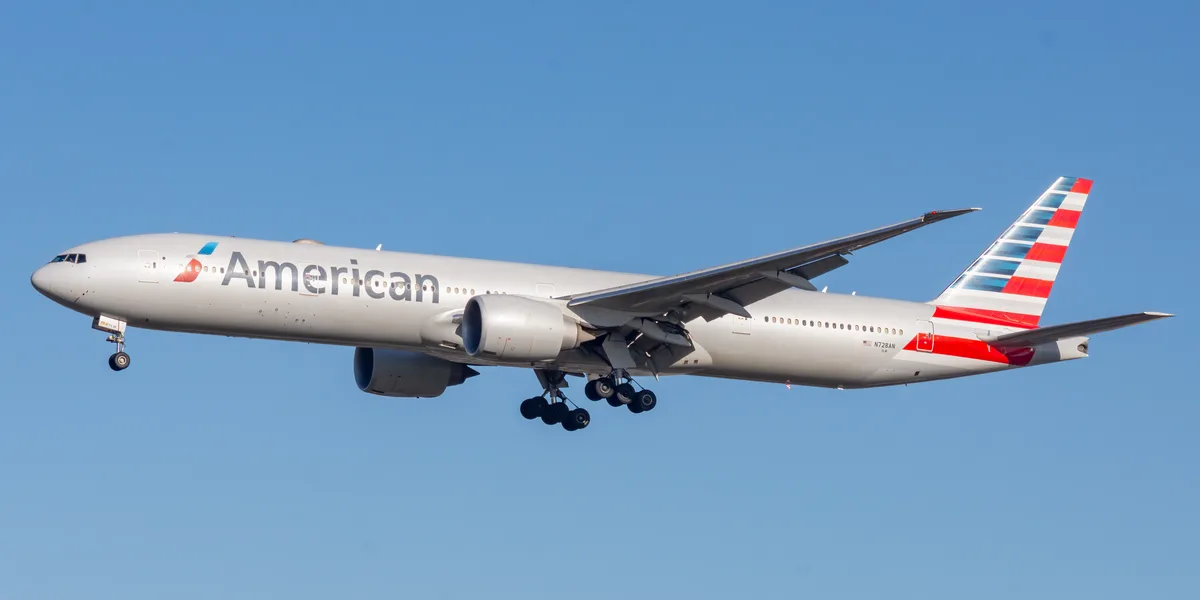
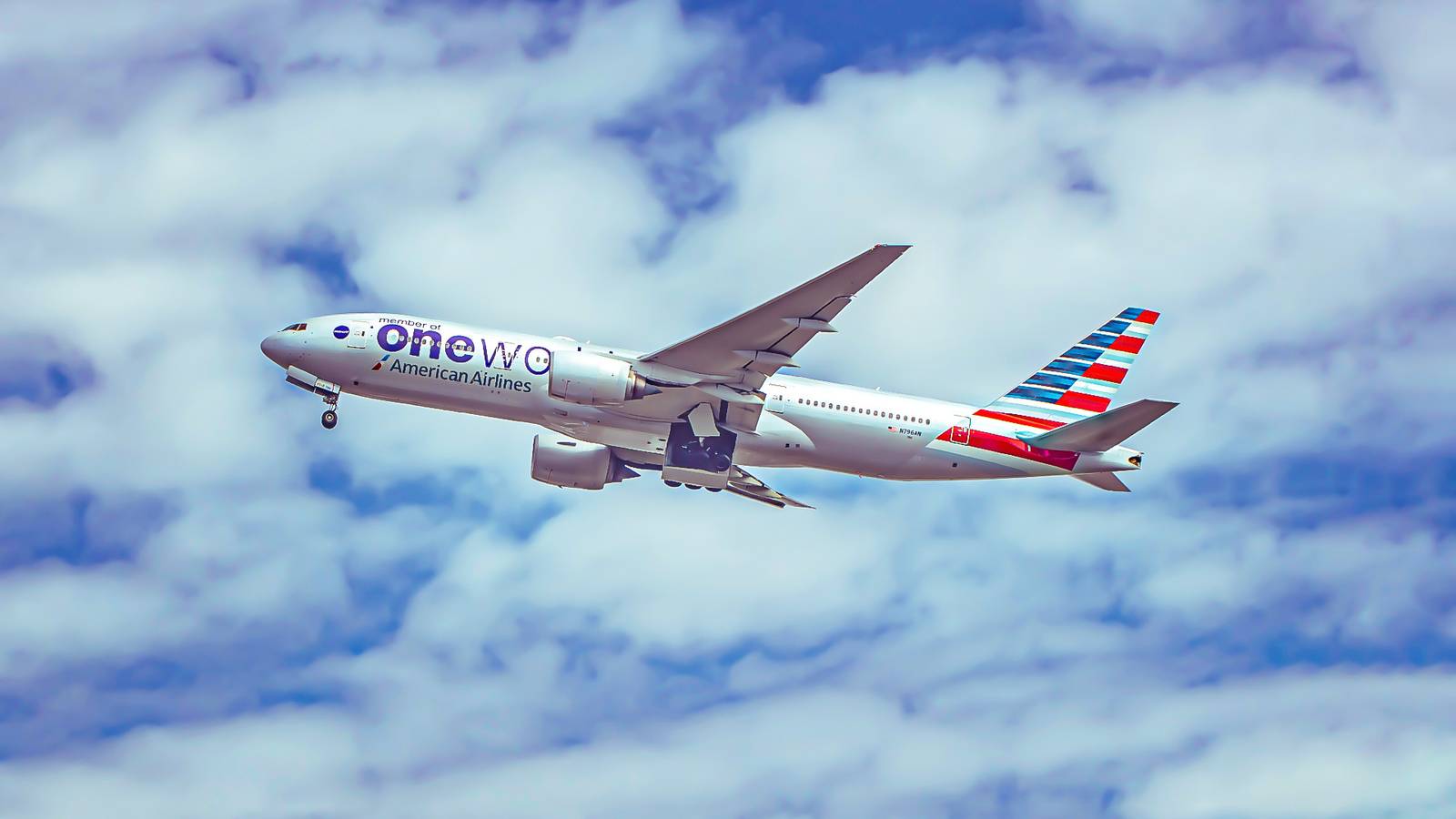
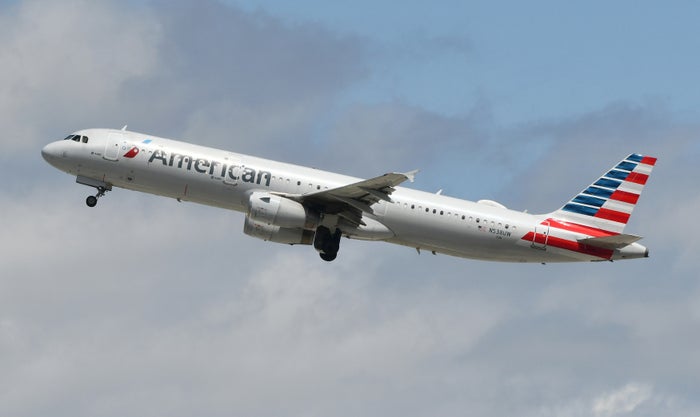
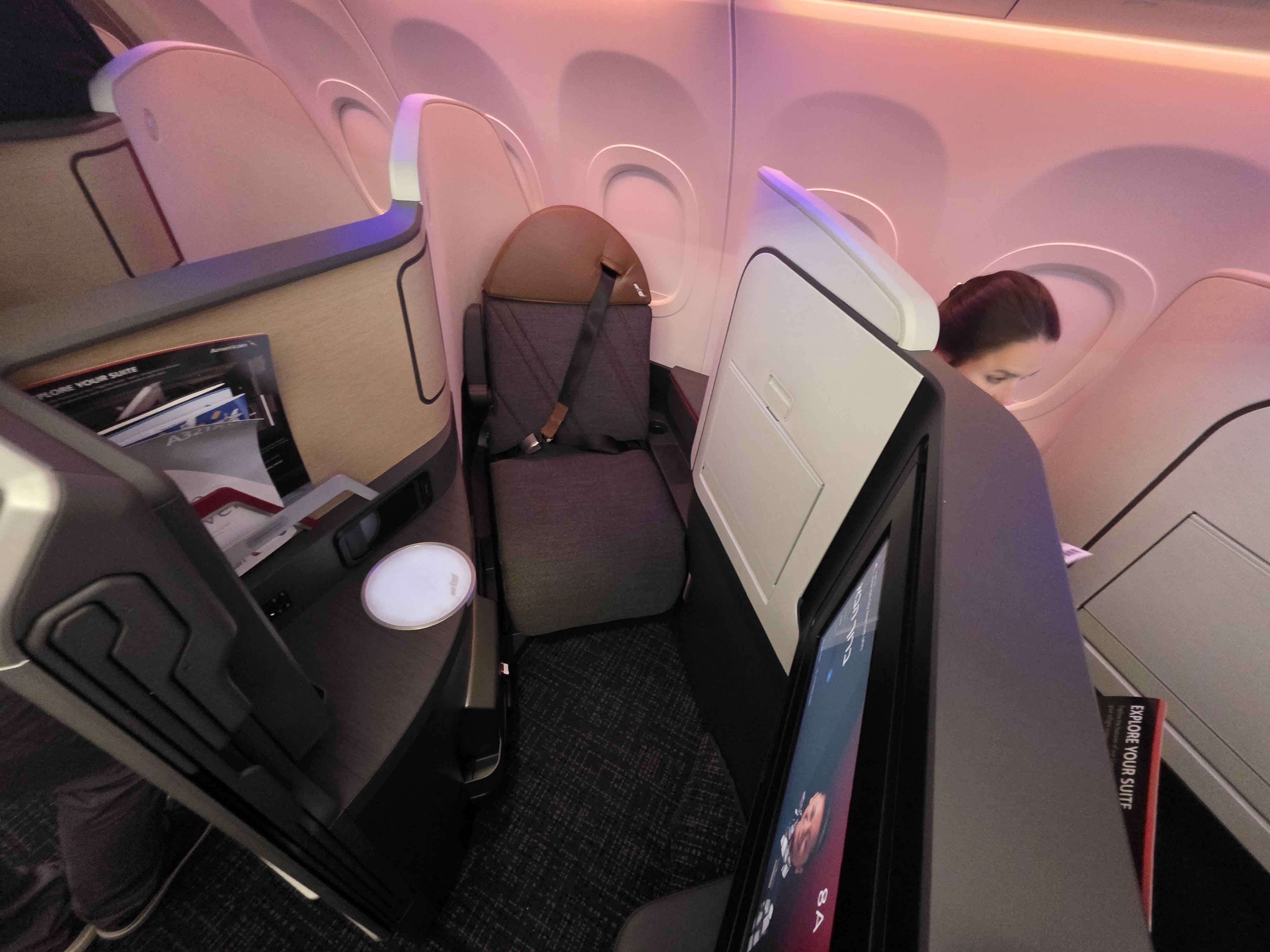
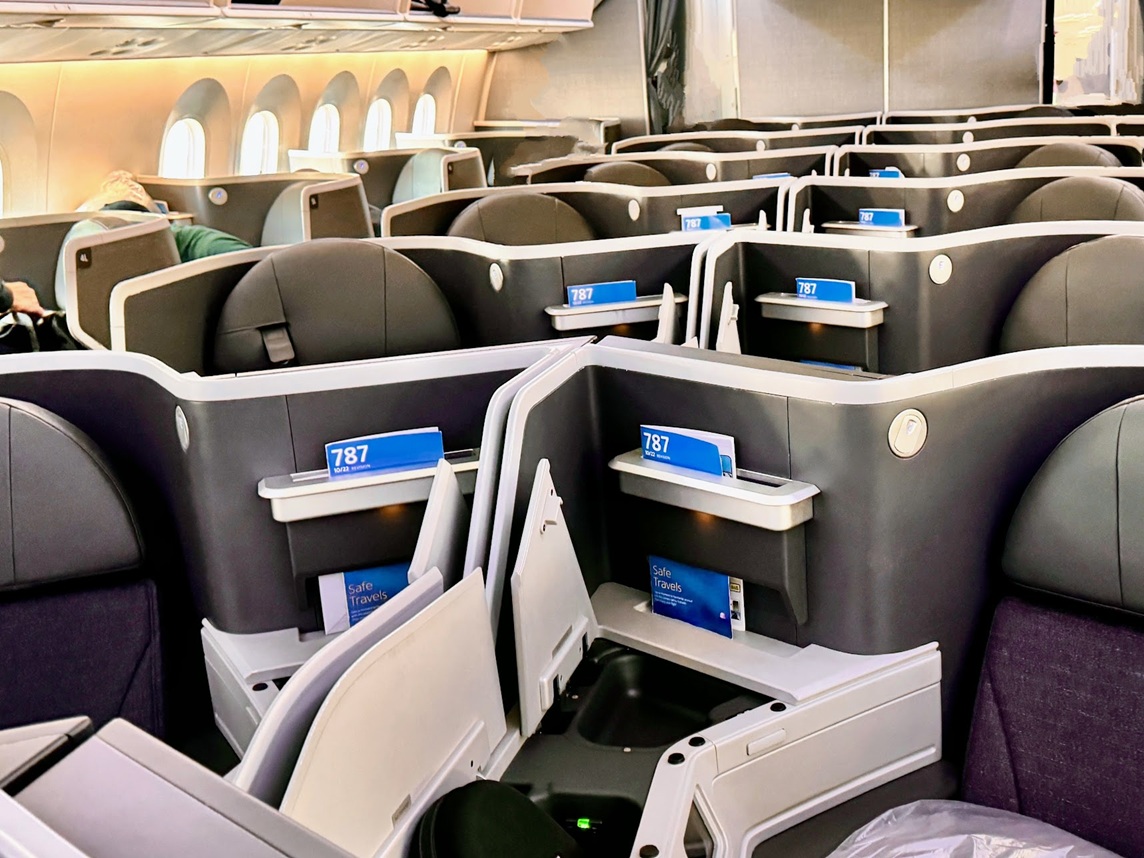
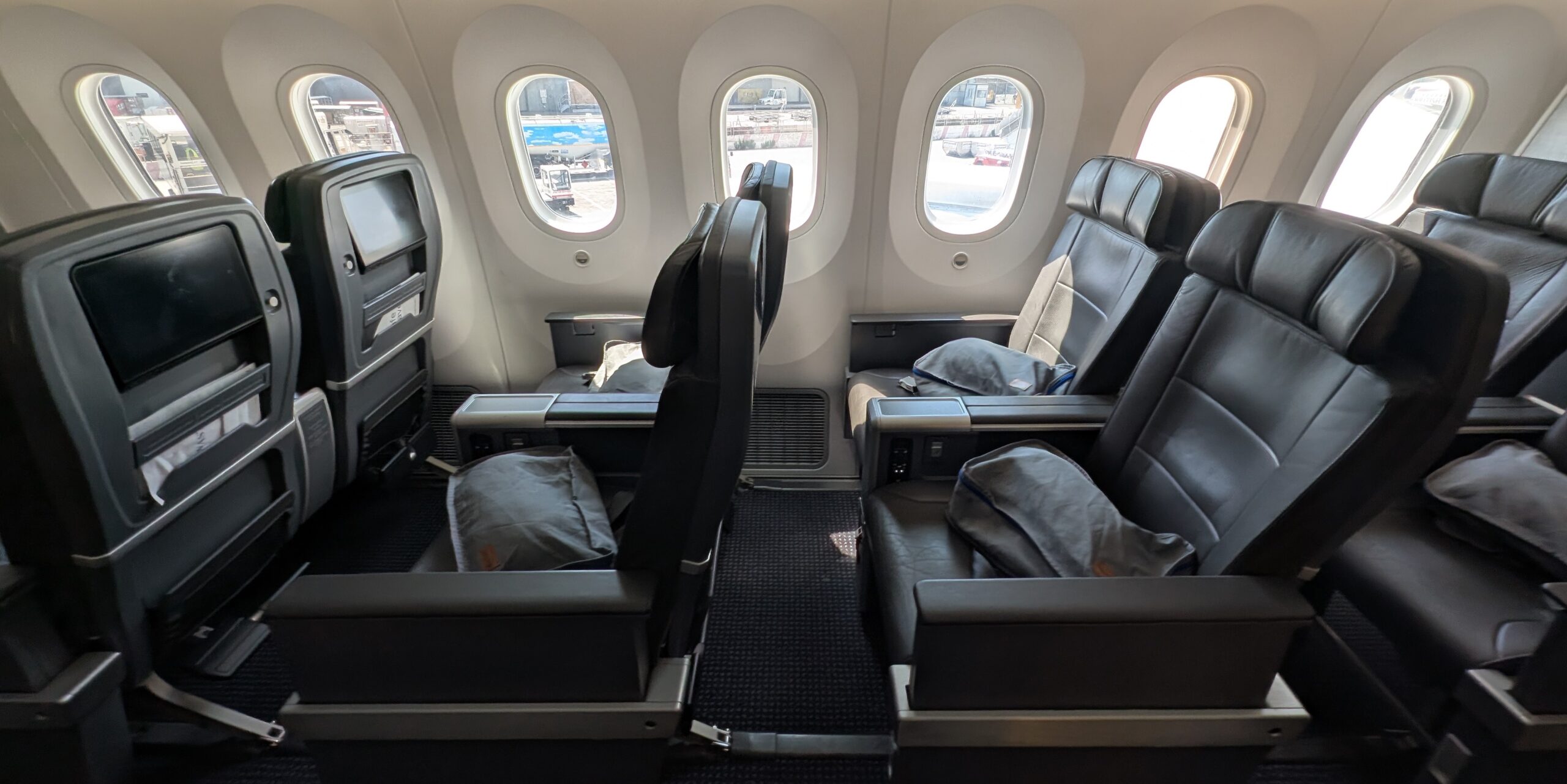
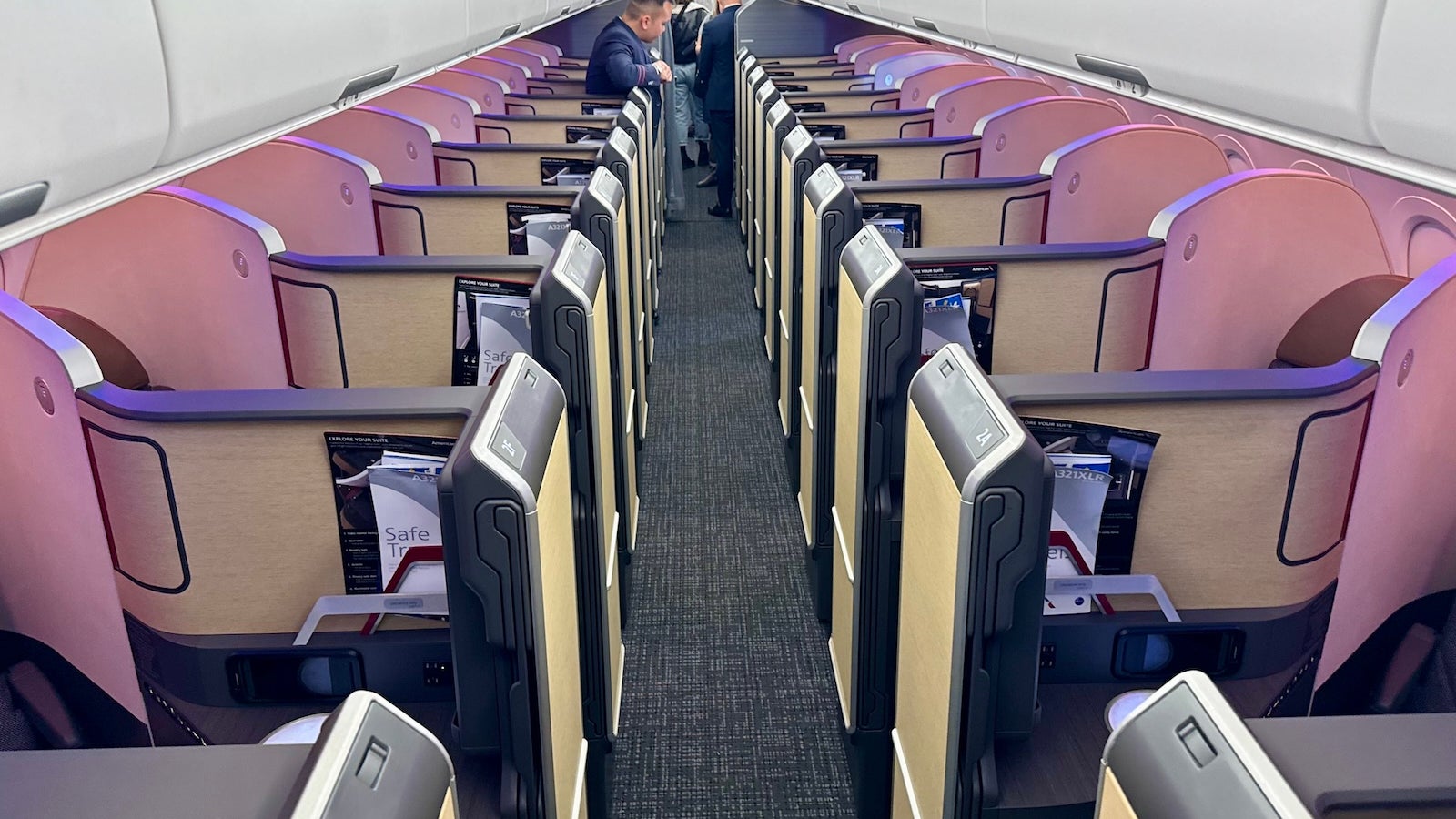
American Airlines' August 25, 2026 AAdvantage loyalty program restructuring represents a watershed moment for business travel economics, with direct implications for e-commerce sellers targeting frequent flyer demographics. The elimination of complimentary business class upgrades for elite members (Platinum, Platinum Pro, Diamond, OneWorld Emerald tiers) on domestic 3-cabin aircraft—affecting premium transcontinental routes (Boston-Los Angeles, New York-Los Angeles/San Francisco, Chicago-Honolulu, Dallas-Honolulu, Phoenix-Honolulu) and Hawaii flights—signals a fundamental shift in how airlines monetize premium cabin access. Instead of direct business class upgrades, elite members now receive premium economy placement, a downgrade that removes lie-flat seats, premium dining, and enhanced amenities that previously justified loyalty program participation.
This policy change creates a critical market opportunity for sellers in three distinct product categories. First, business travelers displaced from complimentary business class upgrades will seek alternative comfort solutions: premium travel pillows, noise-canceling headphones, compression socks, and premium luggage now become essential purchases rather than optional upgrades. Second, the downgrade incentivizes members to explore competing loyalty programs (United MileagePlus, Delta SkyMiles, Southwest Rapid Rewards), driving demand for comparison guides, loyalty program optimization tools, and alternative airline merchandise. Third, the broader industry trend of restricting elite benefits (as noted by industry experts observing similar moves across major carriers) signals that business travelers will increasingly purchase premium cabin access directly rather than relying on loyalty benefits, creating demand for travel booking optimization tools, airline credit card comparison products, and premium seat selection guides.
The operational impact extends to seller targeting and content strategy. The 500K+ AAdvantage elite members affected—concentrated in high-income business traveler demographics (median household income $150K+, frequent domestic business travel, age 35-65)—represent a high-value audience segment for premium travel products. These consumers are accustomed to premium cabin experiences and will seek compensatory purchases to maintain travel comfort. Sellers should immediately capitalize on this audience through targeted PPC campaigns on Google Shopping (keywords: "premium travel pillow," "business class alternative," "airline seat upgrade"), sponsored content on LinkedIn (targeting business travelers), and Amazon category optimization in Travel Accessories (BSR rankings for premium comfort products). The timing—effective August 2026—provides an 8-month window for sellers to establish market position before the policy takes effect and demand peaks.
Risk mitigation and strategic positioning are critical. American Airlines has indicated additional program updates may follow, suggesting further benefit restrictions are likely. Sellers should monitor competitor airline announcements (United, Delta, Southwest) for similar changes and prepare inventory accordingly. The absence of compensatory benefits from American Airlines means affected members will redirect spending to third-party solutions, making this a zero-sum opportunity for sellers who can capture demand quickly. Consider developing content angles around "business class comfort on a budget," "premium economy survival guide," and "loyalty program alternatives for frequent flyers"—these topics will drive organic search traffic from the affected demographic during the 8-month pre-implementation period.
Questions 8
How does this change compare to competitor airline loyalty programs?
American Airlines' move reflects broader industry trends, with industry experts noting that major carriers are restricting elite benefits to maximize premium cabin revenue. United MileagePlus, Delta SkyMiles, and Southwest Rapid Rewards maintain different upgrade policies, but all carriers face pressure to reduce complimentary premium cabin access. This creates an opportunity for sellers to develop comparative content highlighting which loyalty programs still offer superior upgrade benefits. Affected AAdvantage members may migrate to competitor programs, driving demand for loyalty program comparison tools and alternative airline merchandise. Sellers should monitor competitor announcements for similar changes and prepare inventory accordingly.
What is the target demographic for sellers capitalizing on this change?
The primary target demographic is AAdvantage elite members—approximately 500K+ frequent business travelers with median household income of $150K+, age 35-65, who fly domestic routes regularly. This segment is accustomed to premium cabin experiences and has demonstrated willingness to pay for comfort and convenience. They are digitally savvy, use LinkedIn professionally, and respond to targeted advertising on Google and Amazon. Secondary audiences include business travelers considering switching to competitor loyalty programs and consumers researching premium travel accessories. This demographic has high customer lifetime value and strong repeat purchase potential, making them ideal for premium product positioning.