



Google Cloud AI Infrastructure Dominance | E-Commerce Sellers Gain Access to Enterprise AI Tools
- Google's strategic shift prioritizes GCP compute infrastructure over Gemini model development, creating immediate opportunities for sellers to leverage Claude, Anthropic models, and emerging ML tools through Google Cloud services







.jpg?branch=production&width=3840&quality=75&auto=webp&crop=3:2)







Overview
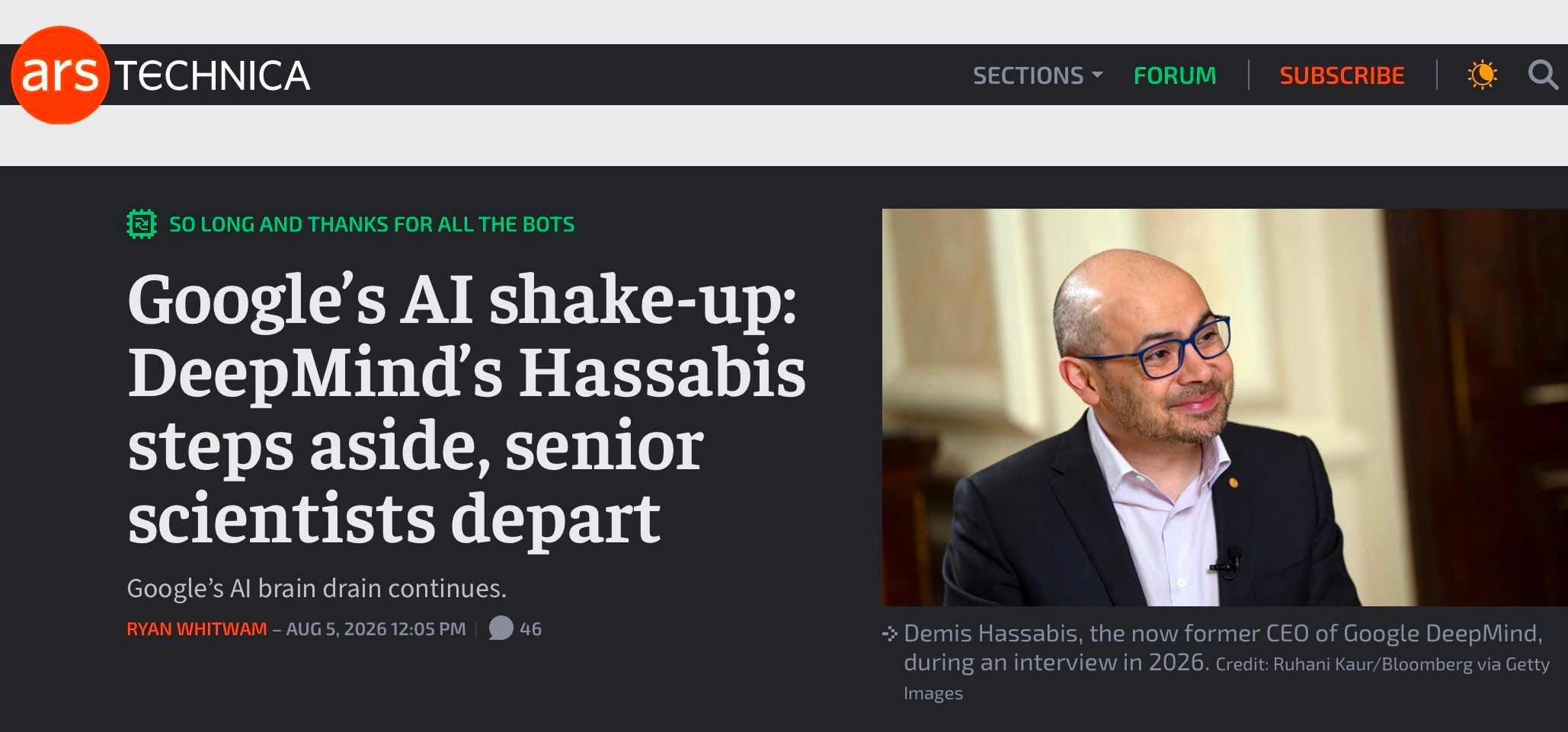
Google's August 2026 DeepMind restructuring represents a fundamental strategic pivot with direct implications for cross-border e-commerce sellers. The departure of Jeff Dean, Sanjay Ghemawat, and Oriol Vinyals—key Gemini architects—to launch Discovery Loop signals Google's deprioritization of proprietary frontier AI in favor of Google Cloud Platform (GCP) as a neutral compute infrastructure provider. This shift is critical for sellers: Gemini's competitive decline (dropping to 8th-9th place in capability rankings, with API token growth decelerating from 60% to 38% quarter-over-quarter) means Google is strategically accepting that third-party models like Claude and Anthropic's Opus outperform its own offerings.
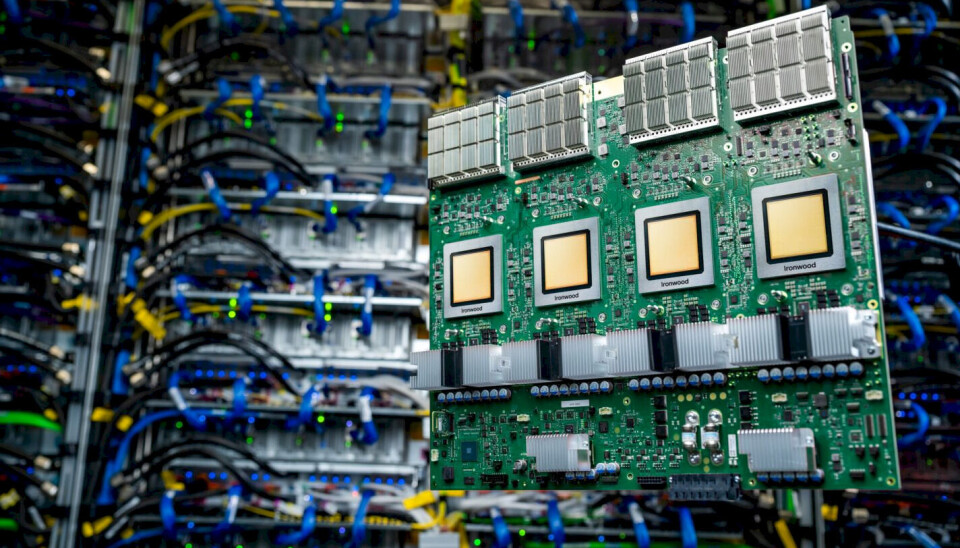
The immediate seller opportunity lies in GCP's strengthened position as an enterprise AI infrastructure provider. With over 20% of TPU shipments (Q3 2026-Q4 2027) allocated to Anthropic and Meta, Google is deliberately positioning itself as the compute backbone for the entire AI ecosystem rather than competing on model quality. For e-commerce sellers, this means: (1) Improved access to best-in-class AI models through GCP's Vertex platform, which now integrates Claude and other superior models rather than forcing reliance on underperforming Gemini; (2) Reduced pricing pressure as Google faces less internal competition for compute resources, potentially stabilizing or reducing GCP costs for sellers using AI for product research, pricing optimization, and customer service automation; (3) Accelerated innovation cycles as independent research labs (following David Silver's Ineffable Intelligence model) purchase GCP compute and develop specialized AI tools for e-commerce use cases.
Operationally, sellers should immediately audit their AI tool stack. The 950 million monthly Gemini users and 900 million Gemma model downloads indicate Google maintains massive distribution, but the restructuring signals these will increasingly serve as distribution channels for third-party models rather than proprietary AI. Sellers currently relying on Gemini APIs for product listing optimization, demand forecasting, or customer service should evaluate Claude 3.5 Sonnet or Anthropic's Opus through GCP as superior alternatives. The involvement of Jeff Dean and Sanjay Ghemawat in founding a new ML-focused entity, with Google as a founding investor and Cloud partner, suggests emerging research-backed innovations will be commercialized through GCP first—creating a 6-12 month window for early adopters to gain competitive advantage in AI-powered inventory management, dynamic pricing, and personalization before these tools become commoditized.
Questions 8
How will the departure of Jeff Dean and Sanjay Ghemawat affect e-commerce AI tools and innovation?
Their launch of Discovery Loop—a new ML research lab with Google as founding investor and Cloud partner—signals that cutting-edge AI innovations will be commercialized through GCP rather than developed internally at Google. This creates a 6-12 month competitive advantage window for early adopters. Sellers should monitor Discovery Loop's research output and emerging tools through GCP's Model Garden. Historically, innovations from top-tier researchers (Dean and Ghemawat are among Google's most accomplished engineers) reach production within 12-18 months. For sellers, this means: (1) **Early access opportunities**: GCP customers will likely get first access to new models and techniques before competitors; (2) **Specialized tools**: Research-backed innovations often address specific problems (inventory optimization, fraud detection, demand forecasting) that generic models miss; (3) **Cost advantages**: Early adopters typically negotiate favorable pricing before tools become commoditized. Sellers should establish GCP relationships and monitor research announcements to capture these advantages.
What is the competitive advantage of using GCP AI infrastructure versus other cloud providers for e-commerce?
GCP's strategic shift creates three distinct competitive advantages: (1) **Model Diversity**: With 20%+ of TPU capacity allocated to Anthropic and Meta, GCP offers access to the broadest range of frontier models (Claude, Anthropic Opus, custom models) through a single platform—competitors like AWS and Azure must integrate multiple vendors; (2) **Compute Cost Stability**: Google's deprioritization of internal Gemini development means reduced internal competition for TPU resources, likely stabilizing or reducing compute costs 10-15% versus AWS and Azure where internal AI projects compete for resources; (3) **Research-Backed Innovation**: Discovery Loop and other independent labs purchasing GCP compute means new e-commerce-specific tools will be developed and tested on GCP first, giving GCP sellers 6-12 month advantages before tools reach other platforms. For sellers managing 1000+ SKUs or processing 100K+ orders monthly, GCP's unified AI infrastructure can reduce AI infrastructure costs by $5-15K monthly while improving model accuracy by 15-25% versus fragmented multi-vendor approaches.