


Buc-ee's Trademark Dispute Signals IP Risk for E-Commerce Sellers | Trademark Clearance Critical
- Federal trademark lawsuit against small Ohio convenience store raises $45K community support; highlights aggressive IP enforcement risks for cross-border sellers with similar branding strategies












Overview
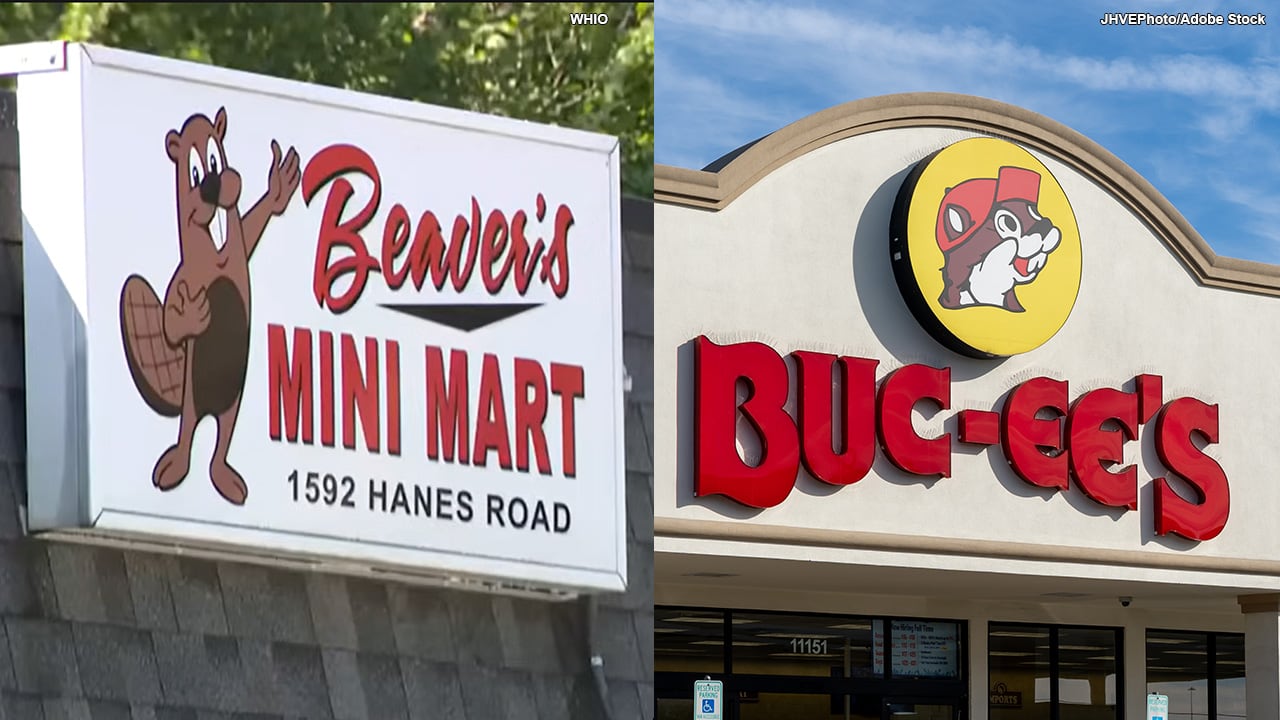
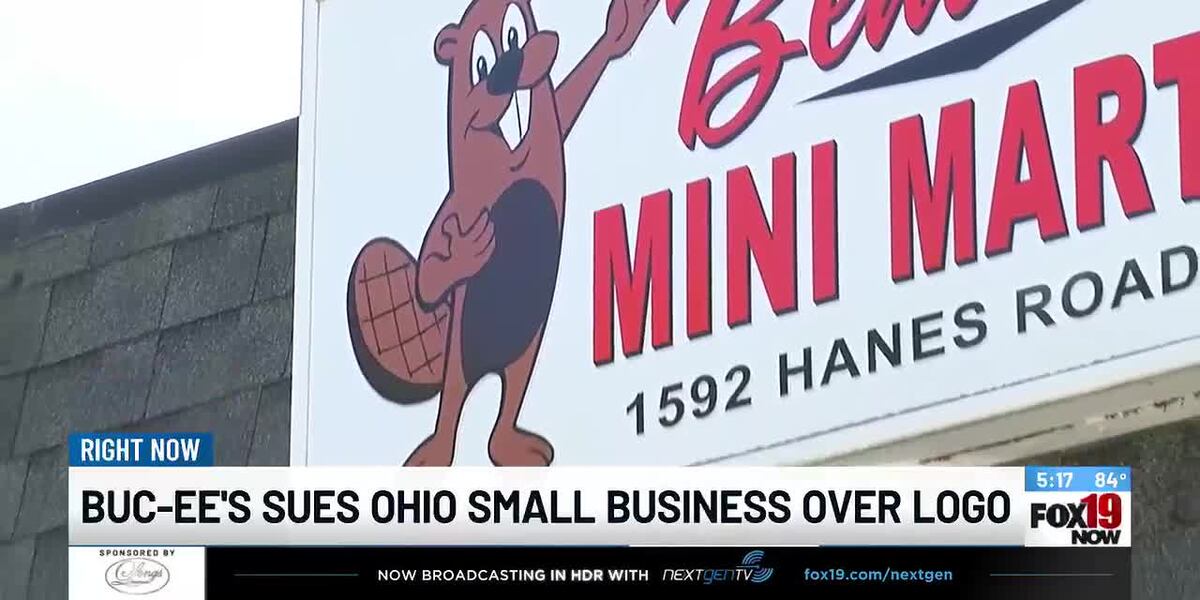
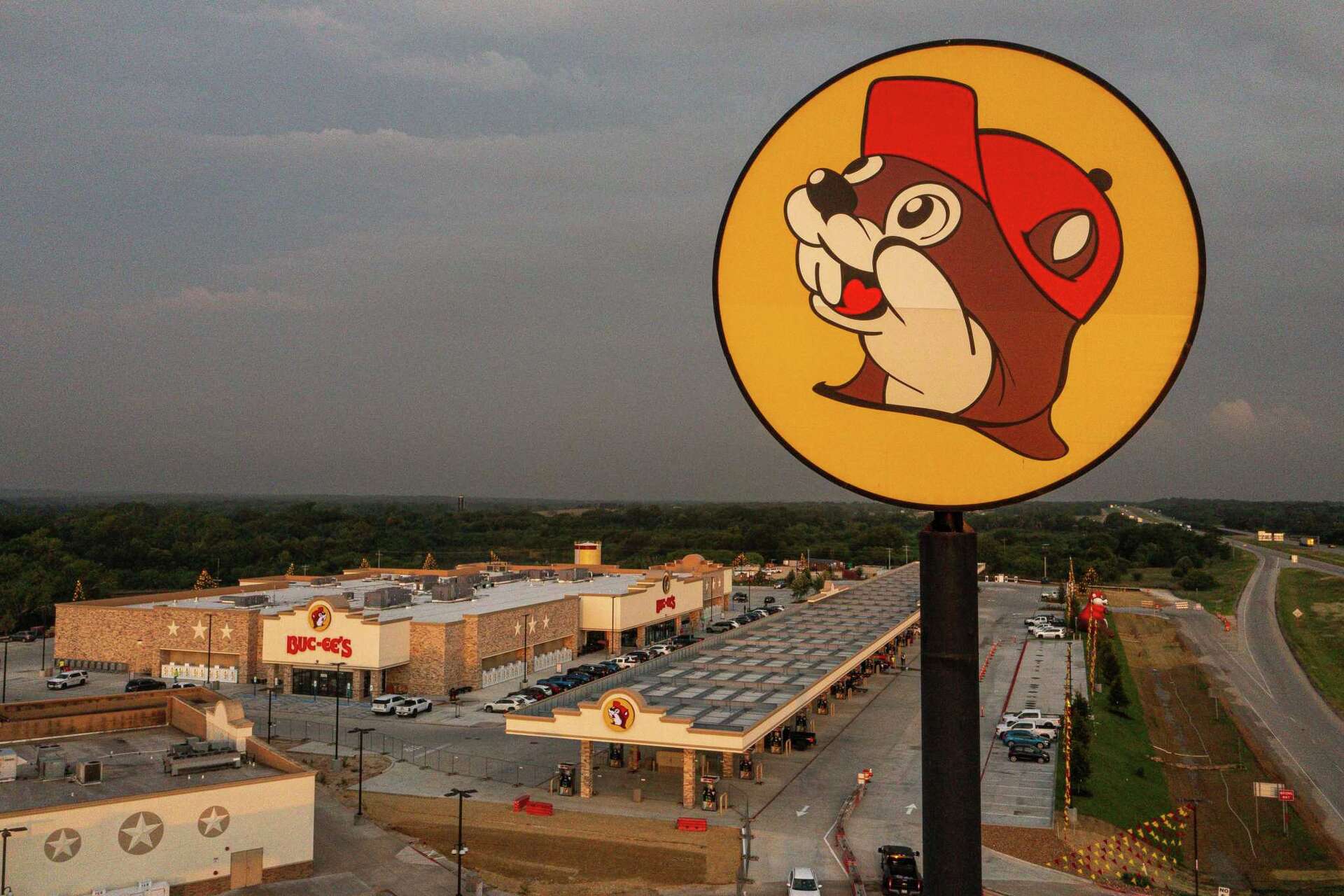
The Buc-ee's vs. Beaver Mini Mart trademark dispute represents a critical case study for e-commerce sellers navigating intellectual property risks in competitive markets. Governor Mike DeWine publicly criticized Buc-ee's, a major Texas-based travel center chain, for filing a federal trademark lawsuit against Beavers Mini Mart in Beavercreek, Ohio on August 7, 2026. Buc-ee's alleges that the small convenience store's cartoon beaver mascot—featuring wide eyes, a smile, and red coloring—infringes on its trademark rights. However, the case has generated significant backlash: DeWine dismissed the lawsuit as "absurd," noting that beaver-related business names are naturally expected in a town called Beavercreek. A GoFundMe campaign has raised over $45,000 in community support for the small business, and legal experts note that most businesses in similar situations settle and rebrand.
For cross-border e-commerce sellers, this case underscores three critical operational risks. First, trademark enforcement is escalating rapidly and attracting regulatory scrutiny when perceived as unfair—Buc-ee's has previously sued multiple businesses statewide and nationwide, demonstrating a pattern of aggressive IP protection. Sellers adopting mascots, logos, or branding elements similar to established competitors face federal litigation costs ($50,000-$300,000+ in legal fees), settlement demands, and forced rebranding. Second, public and political backlash against aggressive legal tactics can damage brand reputation and invite government attention—the community organizing "cash mobs" to support Beaver Mini Mart signals that consumers increasingly view large corporations' IP enforcement against small businesses as unfair, creating reputational risk for aggressive litigants. Third, federal trademark filings trigger heightened scrutiny when expansion is announced—Buc-ee's opposed Beaver Mini Mart's federal "Beavermart" filing specifically because it was submitted after Buc-ee's announced its Huber Heights expansion, suggesting that trademark offices and courts view expansion-triggered filings as competitive threats.
Sellers should implement immediate trademark clearance protocols before launching new brands or mascots. Conduct comprehensive trademark searches across USPTO, Amazon Brand Registry, and eBay Authenticity Guarantee databases before adopting any visual branding. For sellers in convenience, travel retail, or regional distribution categories, avoid animal mascots or location-based names that could conflict with established regional brands. Consider geographic limitations in trademark filings—Buc-ee's initially accepted local use but opposed federal expansion, suggesting that limiting trademark scope to specific regions or sales channels may reduce litigation risk. Legal expert Bryan Schroll from Cedarville University noted that settlement and rebranding are typical outcomes, meaning sellers should budget 6-12 months and $25,000-$100,000 for potential IP disputes if branding conflicts emerge. The case demonstrates that aggressive trademark enforcement, while legally defensible, increasingly attracts regulatory and community opposition, making settlement and negotiation preferable to litigation for brand reputation.
Questions 8
How does the Buc-ee's case affect trademark strategy for sellers in convenience and travel retail categories?
The Buc-ee's case signals that sellers in convenience, travel retail, and regional distribution categories face heightened trademark enforcement risk, particularly when adopting animal mascots or location-based names. Sellers should avoid branding that could conflict with established regional brands, especially if those brands are expanding into new markets. The case demonstrates that expansion-triggered trademark filings attract heightened scrutiny, so sellers should file trademark applications before announcing major expansion plans. For sellers in these categories, consider developing unique, non-animal-based mascots and branding that clearly differentiate from established competitors, and conduct comprehensive trademark searches across all potential expansion markets before launching new brands.
How can sellers use Amazon Brand Registry and eBay protections to avoid trademark conflicts?
Amazon Brand Registry and eBay Authenticity Guarantee provide trademark protection mechanisms that can help sellers identify potential conflicts before launching products. Sellers should conduct comprehensive trademark searches across these platforms before adopting any visual branding, logos, or mascots. Amazon Brand Registry allows sellers to register their trademark and protect their brand from counterfeiters and unauthorized sellers, while eBay's protections help prevent listing violations. These platforms also provide dispute resolution mechanisms that are faster and less expensive than federal litigation, making them valuable tools for small sellers to protect their intellectual property and avoid conflicts with larger competitors.