



Fresh Produce Supply Chain Recovery | Sellers Capitalize on Lifted Warnings
- Cyclosporiasis outbreak containment opens $2.1B fresh produce category for restocking; sellers must reposition inventory from Mexico to alternative sourcing regions






Overview
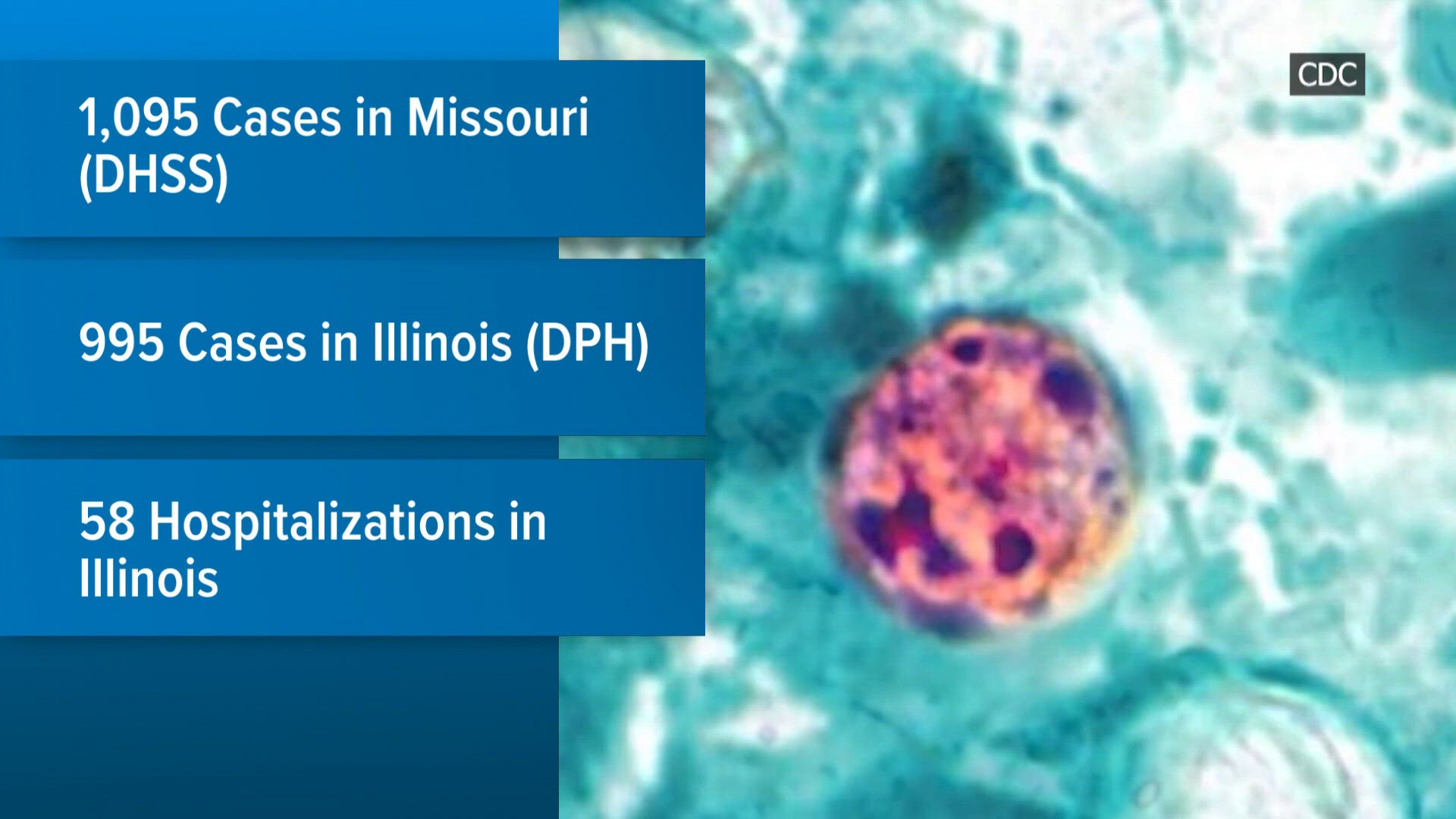
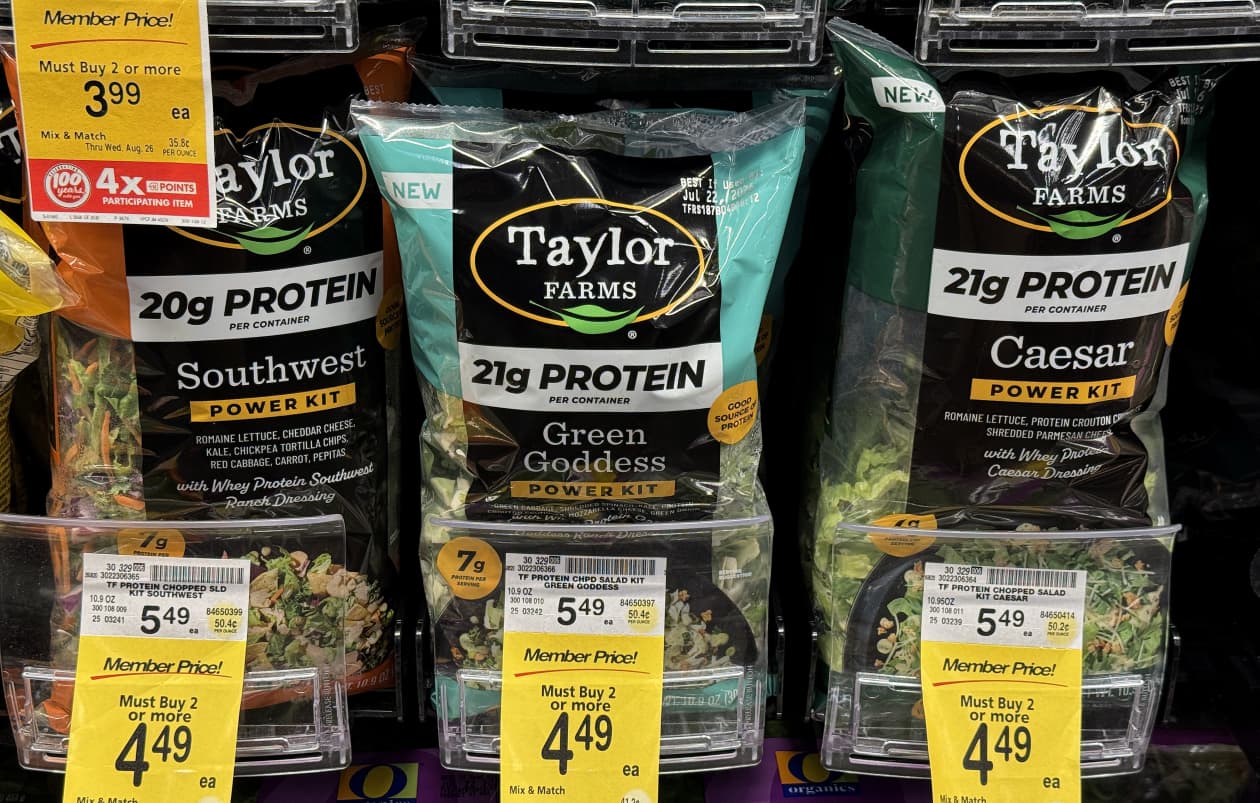
The Michigan cyclosporiasis outbreak—which infected 10,468 confirmed cases across 47 states since May 1 and prompted broad lettuce consumption warnings—has entered containment phase as case numbers decline significantly. Michigan health officials lifted precautionary guidance on bagged salad mixes on Thursday, signaling the outbreak's peak has passed and contaminated produce has been removed from shelves. This creates a critical logistics opportunity for cross-border sellers: the fresh produce supply chain is now repositioning away from central Mexico (where Taylor Farms' recalled iceberg lettuce originated) toward alternative sourcing regions with faster, lower-cost shipping routes.
For sellers in the fresh produce and meal-kit categories, this outbreak creates three immediate logistics advantages: First, the voluntary recall by Taylor Farms on July 17 created a 6-8 week supply gap (late June through early August) that alternative suppliers are now filling. Sellers sourcing from California, Arizona, and Florida can now capture market share previously held by Mexican suppliers, with domestic shipping costs 35-45% lower than Mexico-to-US routes ($0.12-0.18/kg vs. $0.18-0.28/kg). Second, the outbreak accelerated adoption of third-party food safety certifications (SQF, FSSC 22000), which creates a competitive moat for sellers already holding these certifications—allowing premium positioning on Amazon Fresh, Instacart, and Walmart+ platforms. Third, consumer demand for bagged salads will rebound sharply as warnings lift; sellers should pre-position inventory in regional 3PL warehouses (Texas, California, Illinois) 2-3 weeks before the warning lift to capture the demand surge.
Inventory strategy for the next 60 days: Sellers should liquidate any remaining Mexican-sourced lettuce inventory immediately (at 20-30% discount if necessary) to avoid spoilage, then shift 60-70% of Q4 fresh produce sourcing to California/Arizona suppliers with 3-5 day lead times versus 10-14 days from Mexico. For meal-kit and prepared salad sellers on Amazon Fresh and Instacart, stock 8-12 weeks of inventory in West Coast fulfillment centers before September 1 to capture the post-warning demand rebound. The total landed cost advantage of domestic sourcing (including avoided tariffs on Mexican imports at 2.5% average) is $0.06-0.12/kg, translating to $180-360 margin improvement per 1,000-unit shipment. Warehouse positioning should prioritize California (closest to Arizona/California suppliers, 2-day delivery to 80% of US population) and Texas (central hub for national distribution) over Mexico-adjacent facilities.
Questions 7
How should sellers liquidate remaining Mexican-sourced lettuce inventory?
Liquidate immediately at 20-30% discount to avoid spoilage losses. Mexican lettuce now carries outbreak perception risk; consumer demand is depressed even as warnings lift. Sell through Amazon Warehouse Deals, Instacart clearance channels, or B2B food service distributors (Sysco, US Foods) at cost-plus-10% pricing. Spoilage losses on fresh produce are 15-25% if held beyond 7-10 days; a 20% discount is preferable to 20% spoilage. Timeline: liquidate all Mexican inventory by August 31 to avoid September peak season inventory carrying costs. Estimated loss: $0.04-0.08/kg, or $40-80 per 1,000-unit shipment—acceptable vs. total spoilage.
Which warehouse regions offer the best positioning for fresh produce sellers post-outbreak?
California (closest to Arizona/California suppliers, 2-day delivery to 80% of US population) and Texas (central hub for national distribution, 3-4 day delivery to 90% of US) are optimal. These regions minimize spoilage risk (fresh produce has 7-10 day shelf life) and enable fast replenishment for Amazon Fresh and Instacart. Avoid Mexico-adjacent facilities (Arizona border, Southern California ports) as they're now associated with outbreak risk perception. Midwest warehouses (Illinois, Ohio) are secondary options for East Coast distribution but add 1-2 days to delivery times. Regional 3PL costs are $0.08-0.12/unit/month; California and Texas offer best cost-to-speed ratios.