





AI Chip Supply Revolution: $16.8B Terafab Factory Reshapes E-Commerce Tech Stack
- SpaceX/Tesla megafactory produces 1 terawatt compute annually; creates 3,000+ Texas jobs and disrupts semiconductor supply chains critical to e-commerce automation platforms




Overview
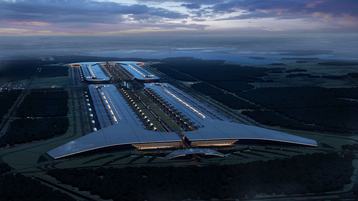
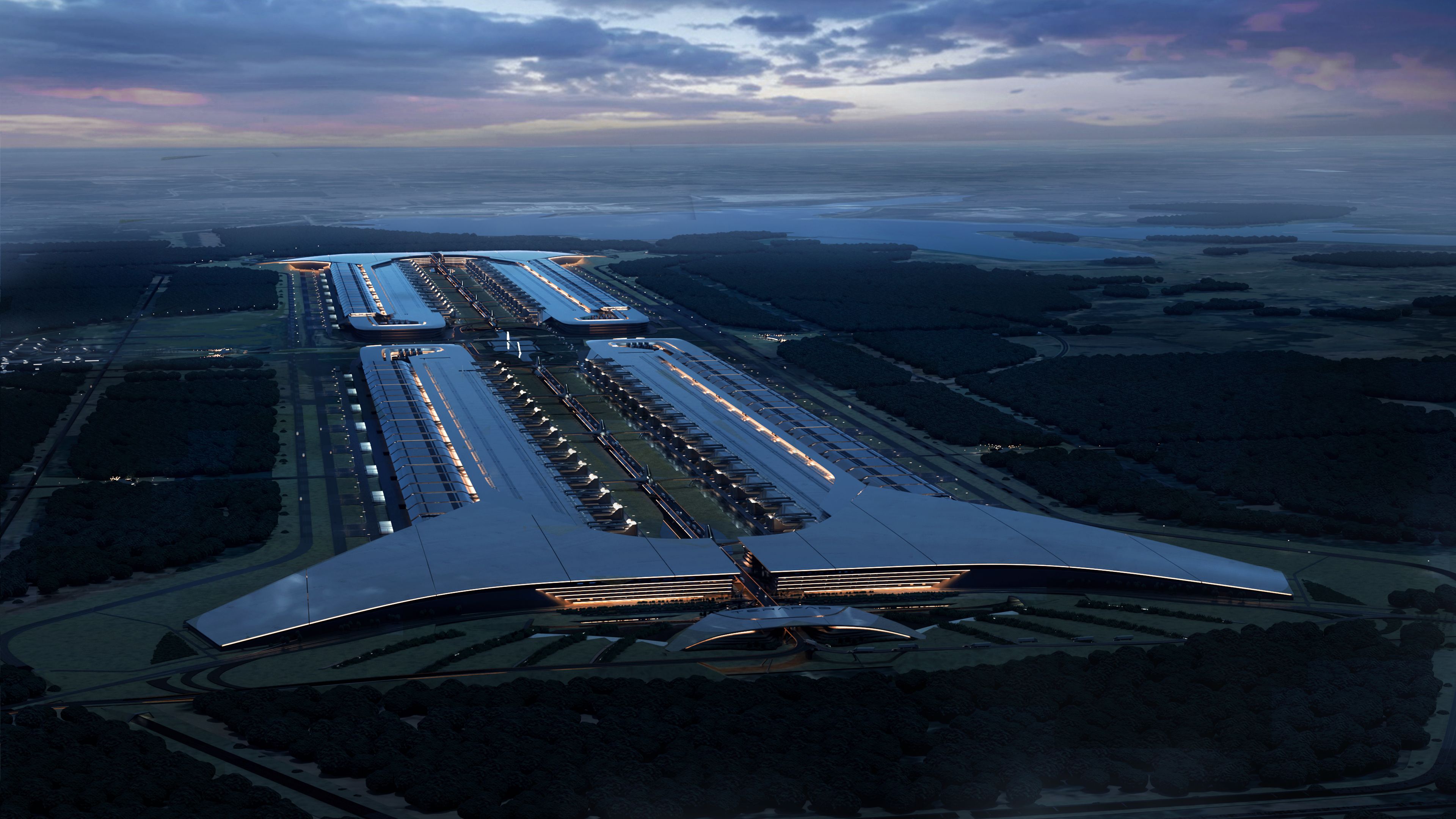
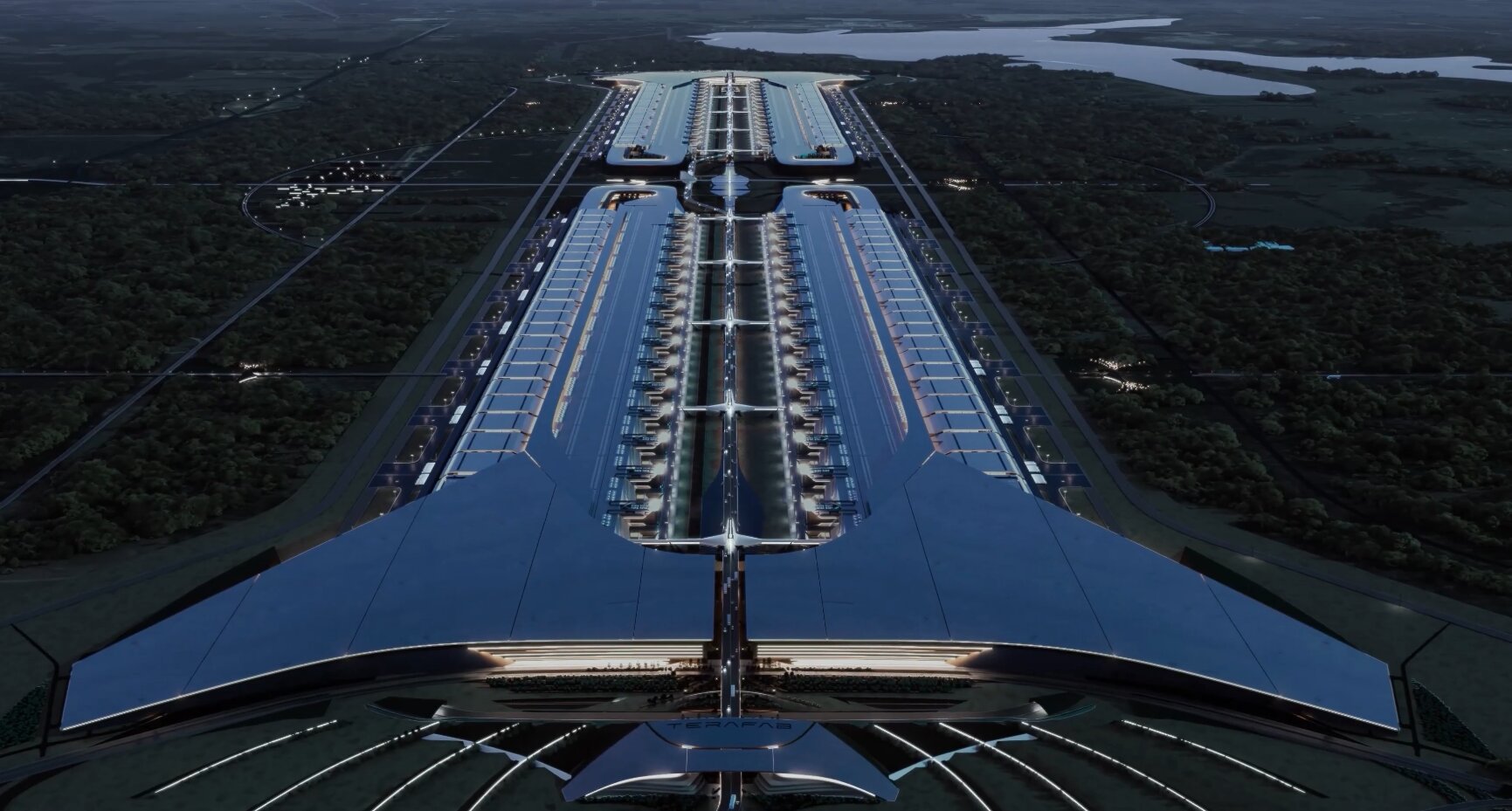
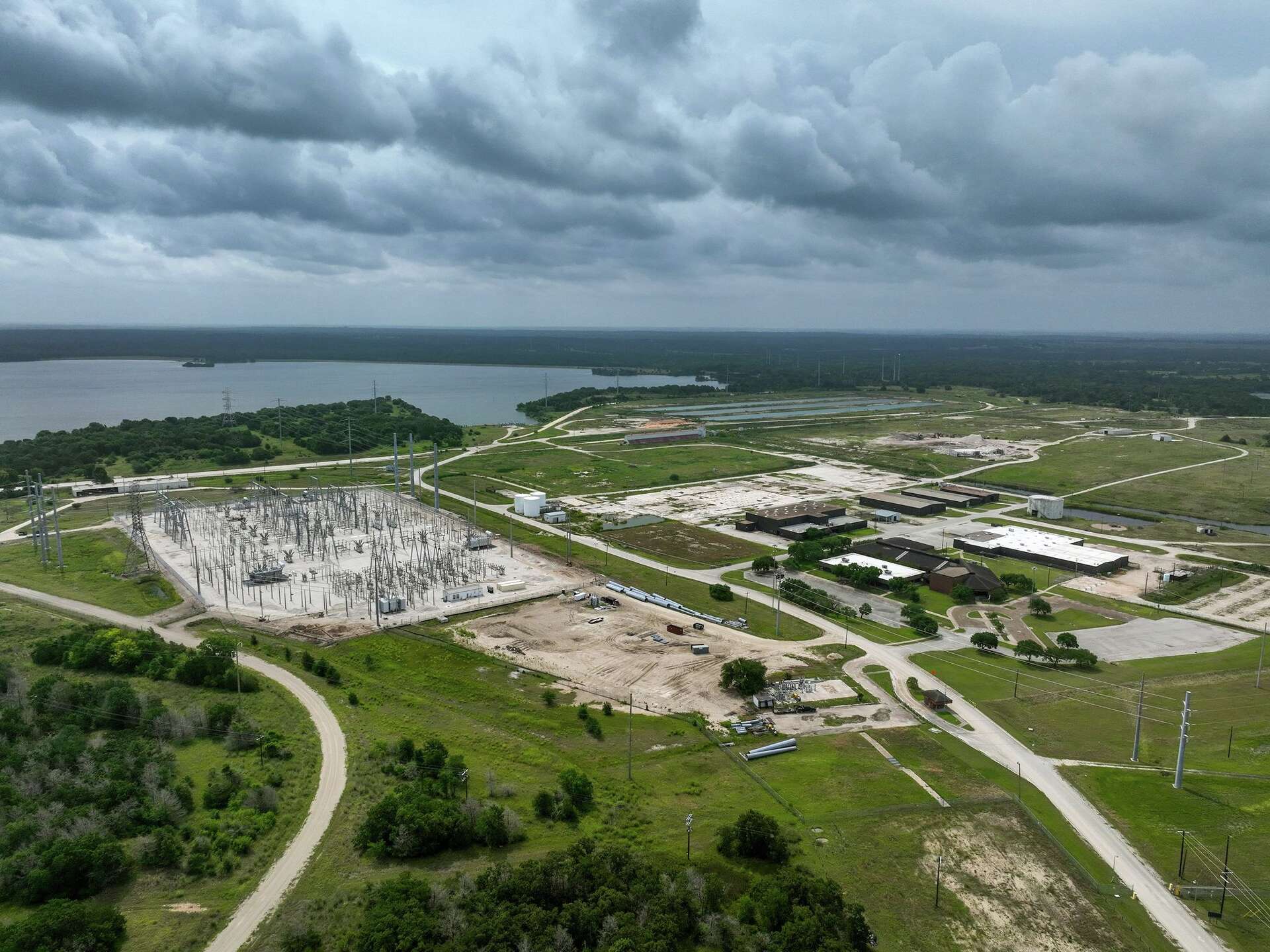
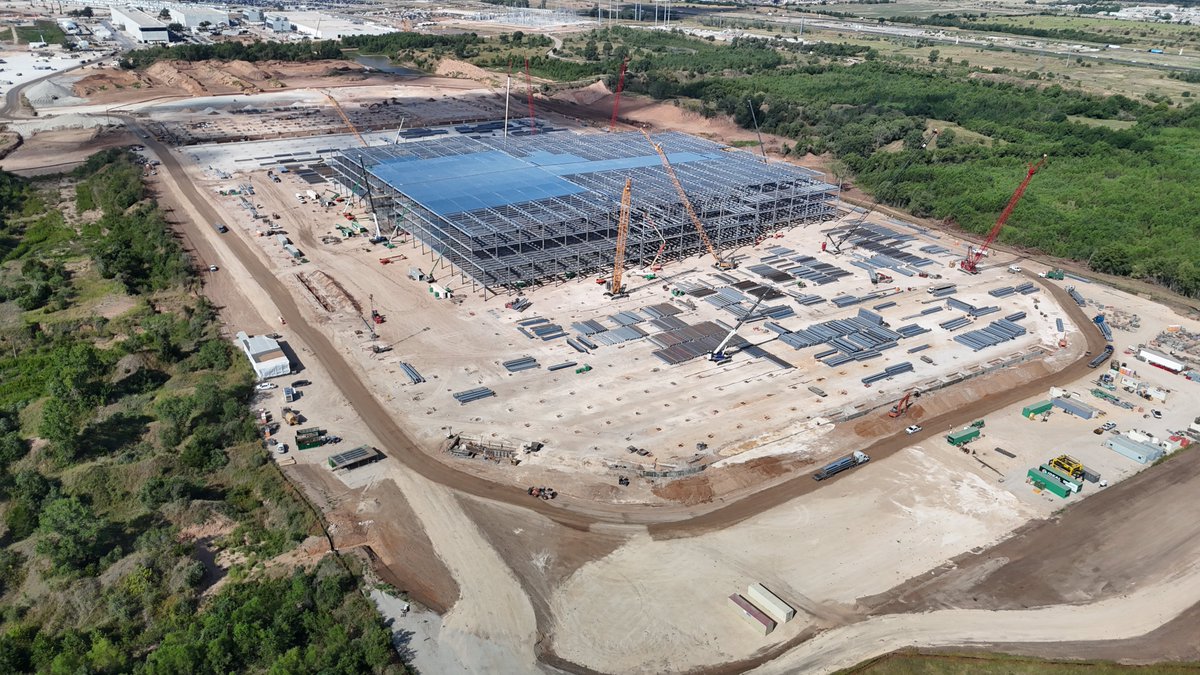
SpaceX and Tesla's $16.8 billion Terafab semiconductor megafactory in Grimes County, Texas represents a watershed moment for e-commerce infrastructure. The facility—spanning 100 million square feet and designed to become the world's largest building—will produce over 1 terawatt of compute annually, directly addressing the semiconductor supply constraints that have plagued AI-powered e-commerce tools since 2023. This vertical integration strategy mirrors Amazon, Google, and Meta's moves to control chip supply chains, signaling that e-commerce sellers relying on third-party AI tools face potential cost pressures as major tech companies prioritize internal consumption.
For e-commerce sellers, the immediate impact centers on AI tool availability and pricing. The project creates 3,000+ jobs in Grimes and Brazos counties (60-80% from local hiring), with Texas receiving $30 million in incentives and SpaceX securing $100 million in county tax abatement. This Texas-centric manufacturing hub—part of a broader 70+ gigawatt "bring your own power" data center boom—accelerates AI infrastructure deployment. However, SpaceX's reliance on natural gas turbines (purchasing $2.8 billion worth over three years) rather than renewable energy signals that compute costs may remain elevated despite increased supply. The facility's 1 terawatt annual output targets Tesla's Optimus robots and Cybercabs, plus SpaceX's orbital AI network via Starlink—creating a closed ecosystem that could reduce chip availability for external sellers.
The orbital AI network announcement introduces a disruptive distribution model for e-commerce intelligence. SpaceX's plan to leverage Starlink's satellite constellation for distributed AI services could democratize access to advanced computing for sellers in underserved regions, particularly in Southeast Asia, Latin America, and Africa where terrestrial cloud infrastructure remains expensive. However, Musk's exclusive Nvidia partnership and focus on internal applications suggest external sellers will face a 12-18 month lag before accessing comparable capabilities. The $119 billion total investment across all phases (up from initial $25 billion estimate) indicates sustained commitment, with production ramping by 2027-2028. Sellers should monitor chip availability indices and AI tool pricing through 2025-2026, as supply constraints ease and new distributed AI services emerge via Starlink.
Questions 8
How should sellers prepare for the shift from cloud-based to distributed AI via Starlink?
Sellers should begin testing Starlink Business plans ($500-2,000/month for 50-150 Mbps) as backup compute infrastructure by Q2 2025, particularly if operating in regions with unreliable terrestrial broadband. The orbital AI network won't reach production until 2026-2027, but early adopters can reduce cloud dependency and negotiate better AWS/Google Cloud rates by demonstrating alternative options. Sellers should also audit their AI tool stack for compatibility with satellite-based latency (100-150ms vs. 10-50ms terrestrial), as real-time pricing and inventory sync may require optimization. Budget 5-10% of annual AI tool spend ($2,500-5,000 for mid-market sellers) for Starlink testing and infrastructure upgrades through 2025-2026.
What supply chain risks should sellers monitor as Terafab ramps production?
The facility's 18-24 month production ramp (2025-2027) creates a 'supply cliff' risk: current GPU shortages ease, then demand spikes as Tesla/SpaceX consume 70-80% of output, potentially re-creating shortages for external sellers by 2027-2028. Sellers should diversify AI tool providers across multiple cloud platforms (AWS, Google Cloud, Azure) and avoid single-vendor dependencies on Nvidia GPUs. Additionally, SpaceX's $2.8 billion natural gas turbine purchase signals potential energy cost volatility—monitor Texas power prices and consider geographic diversification of compute workloads. Sellers should also track Terafab's actual production milestones (announced quarterly in SpaceX earnings) and adjust AI infrastructure budgets accordingly. A 6-month production delay would extend current GPU constraints through 2028.