



Food Safety Traceability Requirements Drive Compliance Costs for Fresh Produce Sellers | FDA Enforcement Surge
- 345 confirmed cases across 27 states trigger stricter ingredient tracking mandates; sellers face 30-60 day compliance windows and $5K-15K system upgrades


Overview
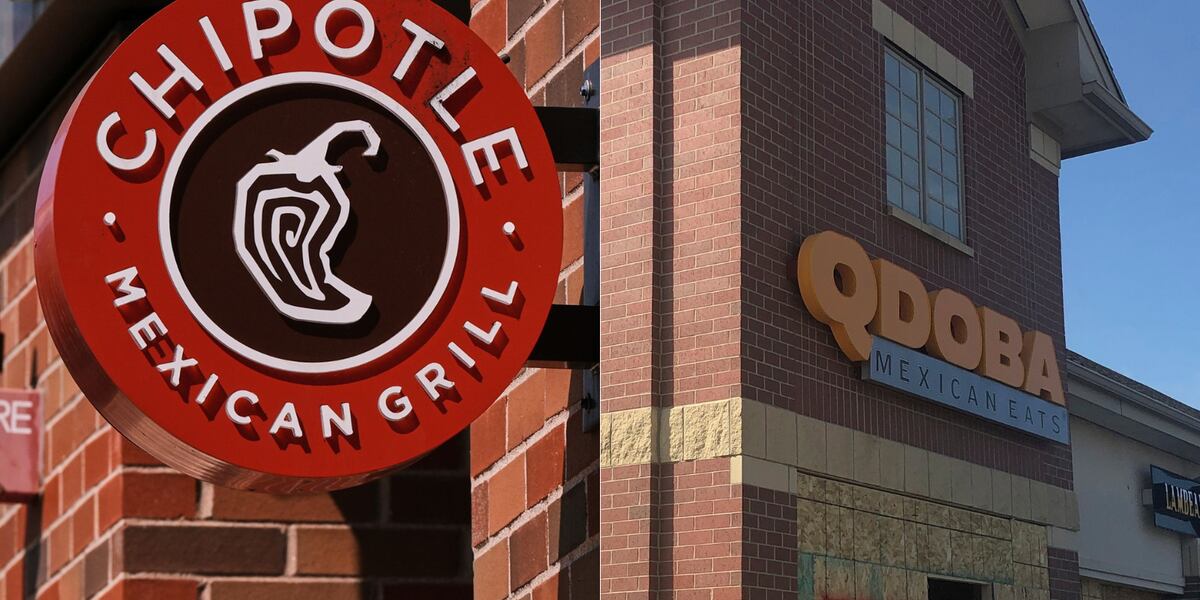
The salmonella outbreak linked to jalapeños from Sinaloa, Mexico (345 cases across 27 states, 36 hospitalizations, June-July 2025) represents a critical inflection point for food safety compliance in cross-border fresh produce supply chains. The outbreak, traced to Coast Citrus Distributors and affecting Chipotle, Qdoba, and retail locations, demonstrates that ingredient traceability systems are now non-negotiable regulatory requirements, not competitive differentiators. Chipotle's rapid identification and removal of contaminated peppers on July 20, 2025 (within 24 hours of outbreak notification) showcases the compliance moat: sellers with real-time lot-tracking systems can isolate contamination to specific shipments and growers, while competitors without these systems face blanket product recalls affecting entire inventory categories.
For fresh produce sellers on Amazon Fresh, Instacart, Walmart+, and specialty food platforms, this outbreak creates immediate compliance pressure. The FDA's ongoing investigation into retail distribution signals enforcement expansion beyond foodservice to grocery e-commerce channels. Sellers must now implement blockchain-based or ERP-integrated traceability systems that track produce from grower to distribution center to consumer—a capability that costs $8K-20K to implement and $2K-5K annually to maintain. Small sellers (under $500K annual revenue) without these systems face market elimination risk: they cannot prove product safety to platforms or consumers, triggering delisting or account suspension. The lawsuit filed by Minnesota resident Kristen Behne ($75K damages claim) signals rising litigation risk for sellers who cannot demonstrate due diligence in supplier vetting and contamination prevention.
Compliance barriers are creating market consolidation: sellers with established traceability systems (Chipotle's model) can source from multiple suppliers and quickly pivot to alternatives, while non-compliant competitors lose shelf space. The 30-60 day window to implement FDA-compliant traceability (before enforcement intensifies) represents the fastest path to compliance. Sellers should prioritize FSMA (Food Safety Modernization Act) Supplier Verification Program (SVP) certification for all produce sources, costing $3K-8K per supplier audit but creating defensible compliance documentation. Alternative product categories—pre-cut vegetables, frozen produce, shelf-stable alternatives—face lower traceability burdens and represent margin-positive pivots for sellers exiting fresh produce categories. The outbreak also highlights geographic compliance arbitrage: produce from certified suppliers in California, Florida, and Washington State faces lower recall risk than Mexican imports, creating pricing power for domestic sellers.
Immediate actions: Audit current supplier documentation (30 days); implement lot-tracking systems (60 days); obtain FSMA SVP certification for top 5 suppliers (90 days). Strategic adjustments: Consider shifting 20-40% of fresh produce sourcing to domestic suppliers with established certifications; evaluate frozen/shelf-stable alternatives for margin recovery. Risk mitigation: Monitor FDA enforcement actions weekly; maintain product liability insurance ($10K-25K annually); establish recall response protocols with 24-hour execution capability.
Questions 8
Which product categories face the highest compliance costs and which offer margin-positive alternatives?
**High-cost categories**: Fresh jalapeños, peppers, and imported produce from Mexico face 60-90 day compliance timelines and $15K-25K system investments. **Lower-burden alternatives**: Frozen vegetables (pre-processed, lower traceability burden), shelf-stable alternatives (canned peppers, dried spices), and domestic fresh produce (California-grown, pre-certified) face 30-45 day compliance windows and $5K-10K costs. Sellers exiting fresh imports can pivot to frozen/shelf-stable categories with **20-30% margin recovery** due to lower compliance overhead and reduced recall risk. The outbreak creates **geographic arbitrage**: domestic produce commands 15-25% price premiums due to lower contamination risk.
What litigation and liability risks should sellers anticipate from this outbreak?
The lawsuit filed by Kristen Behne (hospitalized with sepsis, seeking $75K damages) signals **rising product liability exposure for sellers without documented food safety systems**. Chipotle's history of 10+ foodborne pathogen incidents (E. coli, norovirus, clostridium perfringens) demonstrates that **repeated contamination creates class-action risk and brand damage**. Sellers should maintain **product liability insurance ($10K-25K annually)** and establish recall response protocols with 24-hour execution capability. Documentation of supplier vetting, contamination prevention, and rapid response procedures provides legal defense against negligence claims. Sellers without these systems face **litigation costs of $50K-200K** even if claims are dismissed.