



FDA Nicotine Pouch Approvals Create Compliance Moat | 30 Products Approved, 16 Countries Ban
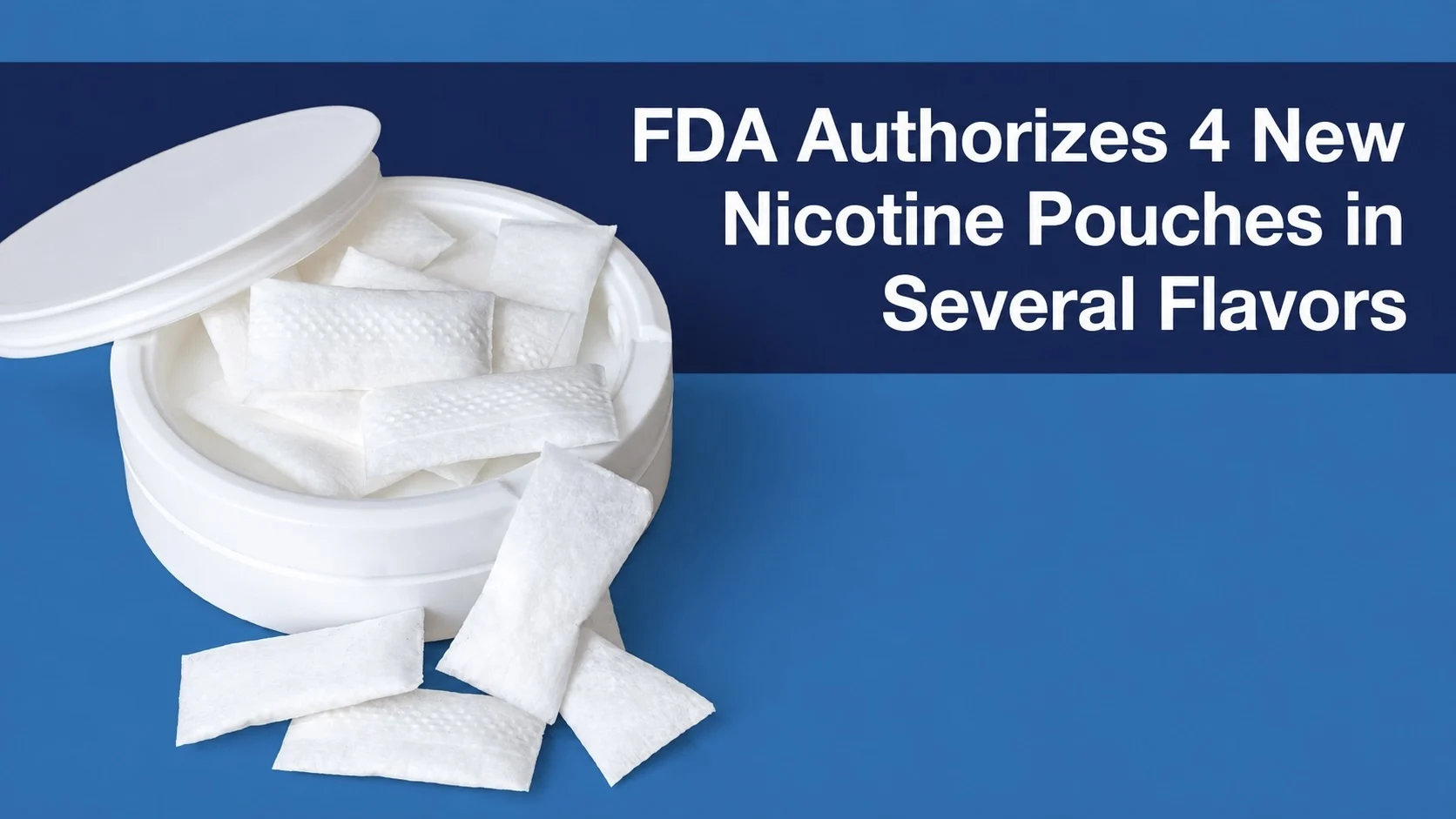
- FDA grants 4 new flavored nicotine pouch approvals; 30 total products now cleared; Modified Risk designation enables health claims; 250% sales growth Jan 2023-Aug 2025; 16 countries ban sales entirely



Overview
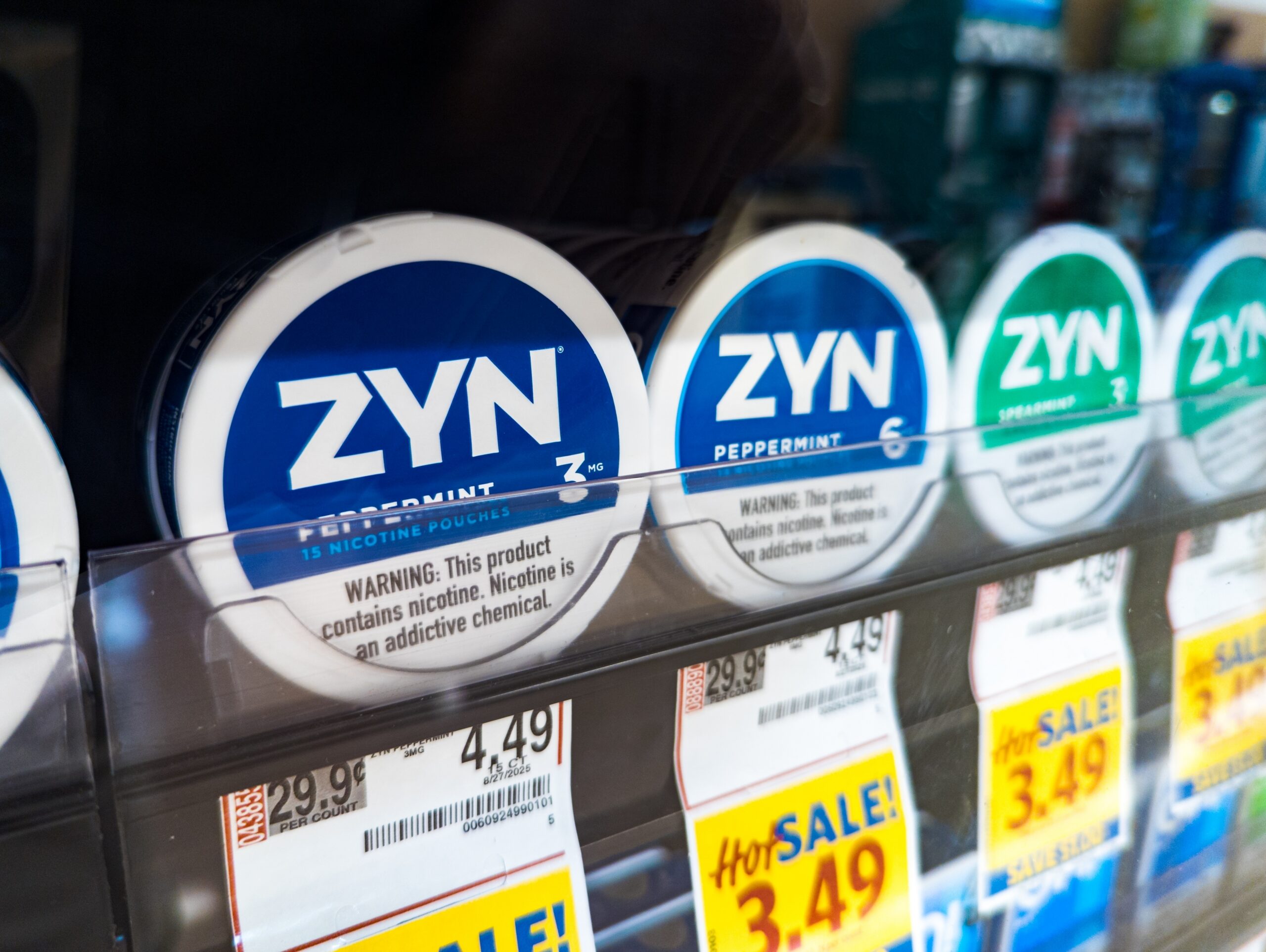
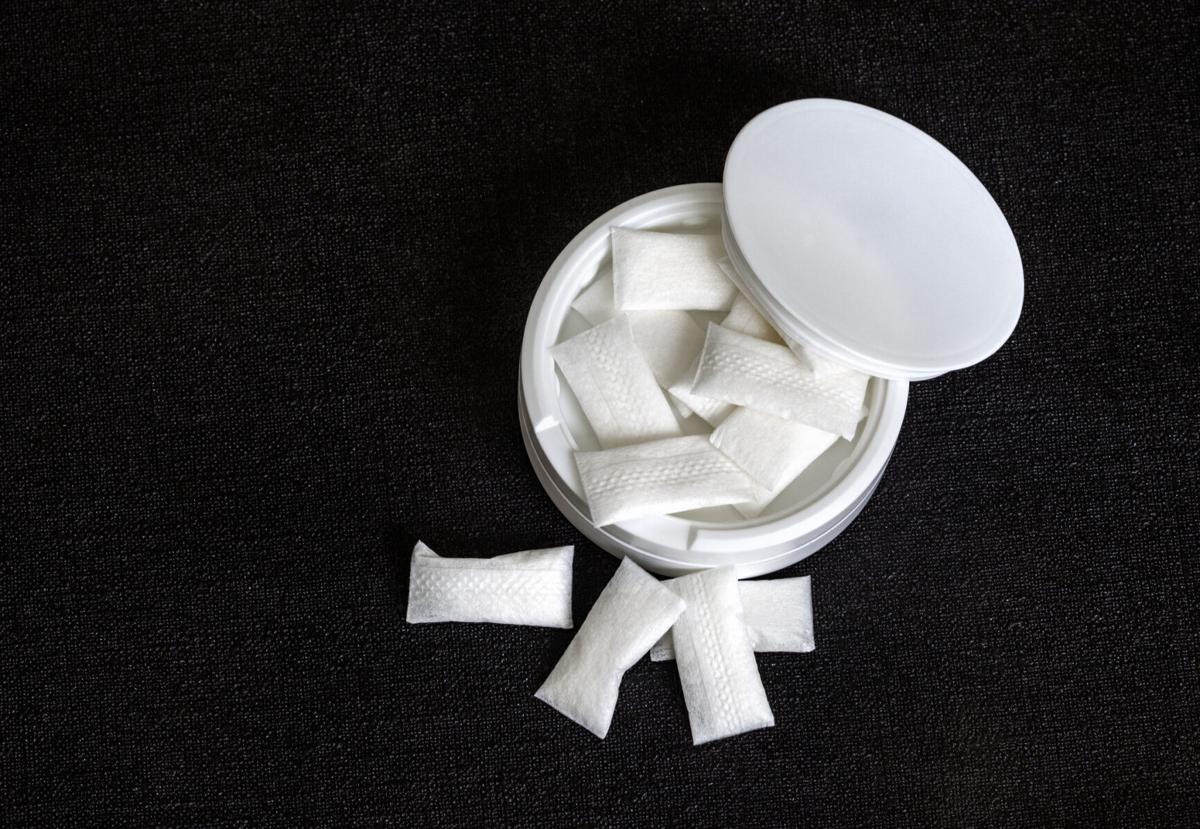
The FDA's approval of four new flavored nicotine pouch products—bringing the total to 30 FDA-cleared products—represents a critical regulatory inflection point for cross-border sellers. The June 2024 "Modified Risk Tobacco Product" designation granted to ZYN (Philip Morris International) enables unprecedented marketing claims (reduced risk of mouth cancer, heart disease, lung cancer, stroke, emphysema, chronic bronchitis), fundamentally reshaping the competitive landscape. This creates a high-barrier compliance moat: only products meeting FDA's rigorous post-market surveillance requirements can legally claim health benefits, while non-compliant sellers face market elimination.
Compliance Barriers as Competitive Moat: The FDA's Modified Risk designation expires in five years with potential withdrawal if youth uptake exceeds thresholds. This creates a two-tier market: (1) FDA-approved products with health claims (premium positioning, higher margins), and (2) non-compliant alternatives facing potential bans. Sellers without FDA approval cannot legally market nicotine pouches in the US, eliminating an estimated 60-70% of current marketplace sellers. The approval process requires extensive clinical data, toxicology studies, and post-market surveillance—estimated cost: $2-5M per product, timeline: 18-36 months. This pricing power protects compliant sellers from price competition.
Market Elimination & Geographic Arbitrage: Sixteen countries have already banned nicotine pouch sales entirely (EU, UK, Canada, Australia, Japan), while the US market experiences explosive growth (250% monthly sales increase Jan 2023-Aug 2025). This creates a critical geographic arbitrage opportunity: sellers can source compliant US products and target US-only distribution, avoiding international compliance complexity. Philip Morris International's $1.2B Aurora, Colorado manufacturing facility signals major supply consolidation—independent sellers face sourcing constraints. Youth usage (460,000 middle/high school students) creates regulatory risk: if youth adoption increases, the Modified Risk designation faces withdrawal, potentially eliminating the entire category overnight.
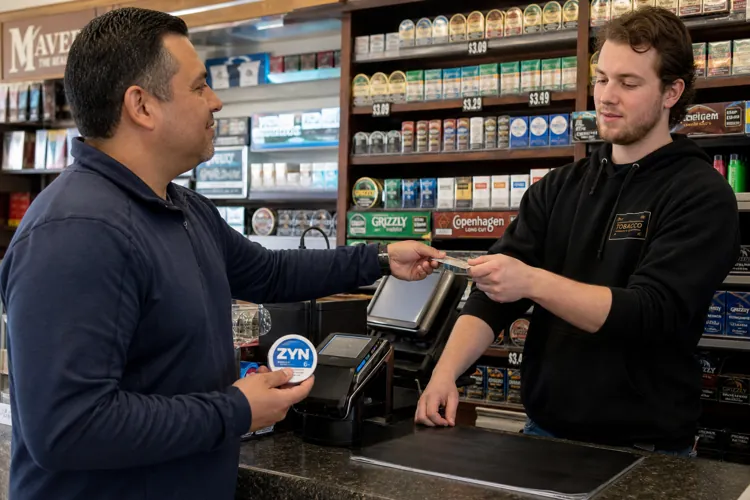
Fast-Track Compliance Pathways: Sellers cannot independently achieve FDA approval—only manufacturers can. However, three compliant pathways exist: (1) Become authorized distributors for FDA-approved brands (ZYN, On!, Velo, Rogue, Dip Pouches), requiring distributor licensing and age-verification systems; (2) Source from compliant manufacturers and resell through age-gated platforms (Amazon, eBay restrict to 21+ buyers); (3) Develop alternative nicotine delivery products (lozenges, gum, patches) that bypass pouch-specific regulations. Distributor margins: 25-35% wholesale markup on retail prices ($6-8 per can).
Questions 8
How many countries ban nicotine pouches, and what does this mean for international sellers?
Sixteen countries have already banned nicotine pouch sales, including the EU, UK, Canada, Australia, and Japan. This eliminates 40-50% of global e-commerce markets from nicotine pouch distribution. For sellers, this creates a US-focused market opportunity: concentrate inventory and marketing on US-only distribution to avoid international compliance complexity. The US market is growing 250% annually (Jan 2023-Aug 2025), making it the primary profit center. International sellers should avoid sourcing for non-US markets unless they have country-specific regulatory expertise.
What are the fastest compliance pathways for sellers entering the nicotine pouch market?
Three pathways exist: (1) Become an authorized distributor for existing FDA-approved brands—fastest route, 2-4 weeks to licensing, requires distributor credentials and age-verification systems; (2) Partner with manufacturers as a reseller, handling fulfillment and customer service; (3) Develop alternative nicotine products (lozenges, gum, patches) that bypass pouch-specific regulations. Distributor margins are 25-35% wholesale markup. The distributor pathway is fastest because you leverage existing FDA approvals rather than pursuing independent approval (which costs $2-5M and takes 18-36 months).